

Antique Gilt Pendant
An antique gilt pendant delivers the kind of warm, historic illumination and decorative presence that transforms a room.
Antique Gilt Pendant
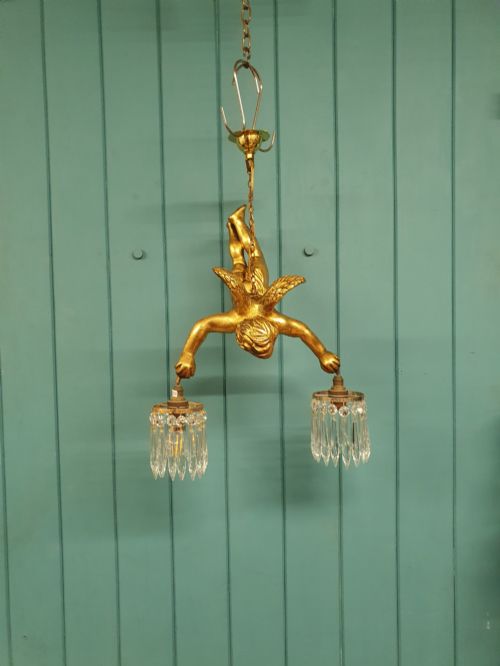
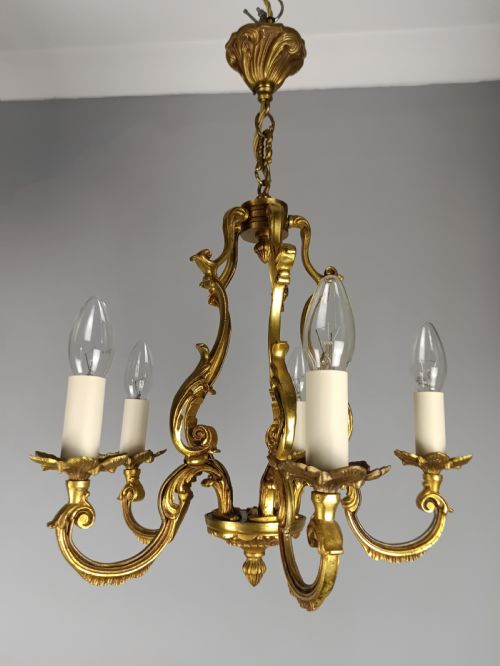
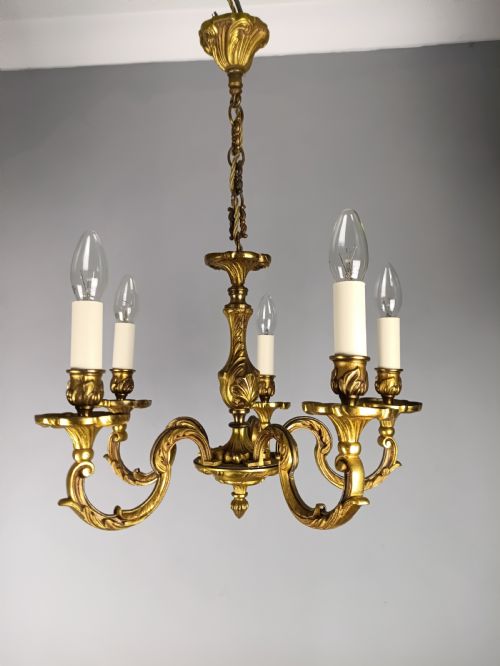
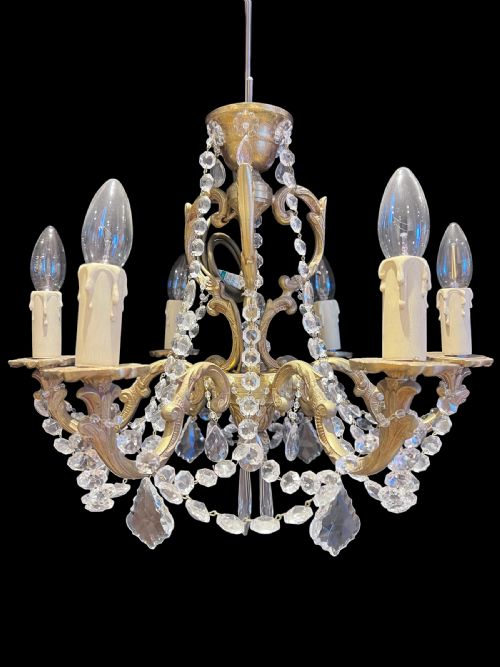
When you search for an antique gilt pendant, you encounter a selection of hanging lighting and small decorative objects originating from periods such as the Georgian era, the Edwardian period, and the early twentieth century. The inventory spans elaborate multi-light chandeliers, hall lanterns, and small swivel compass or photo locket fobs.
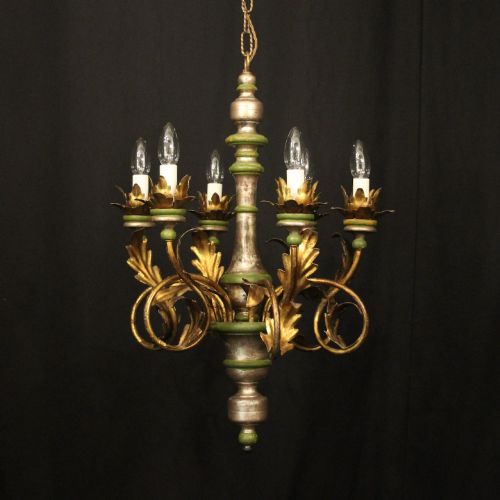
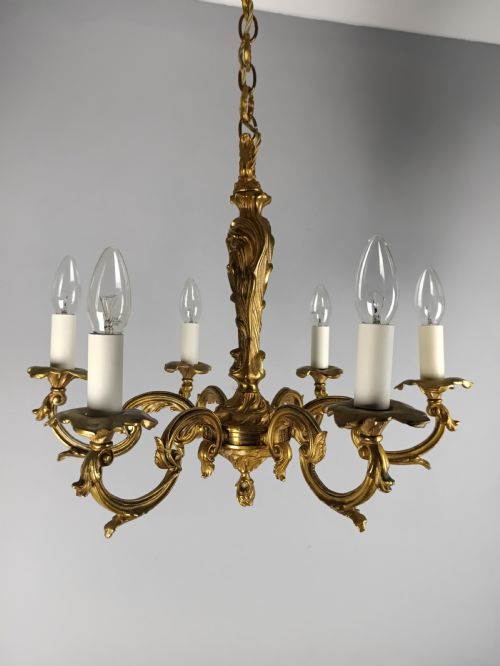
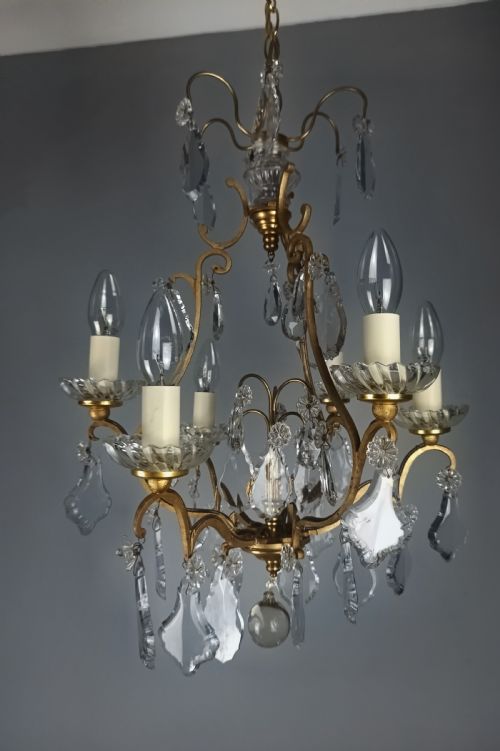
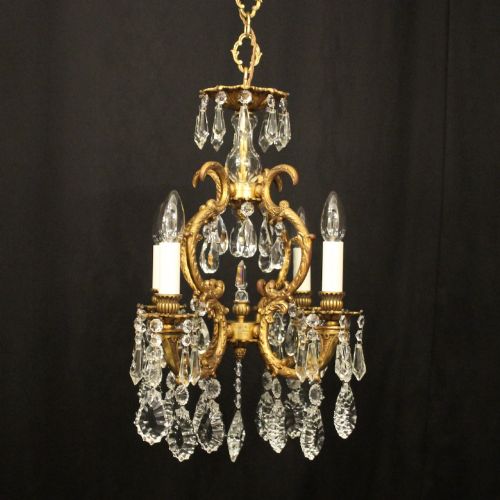
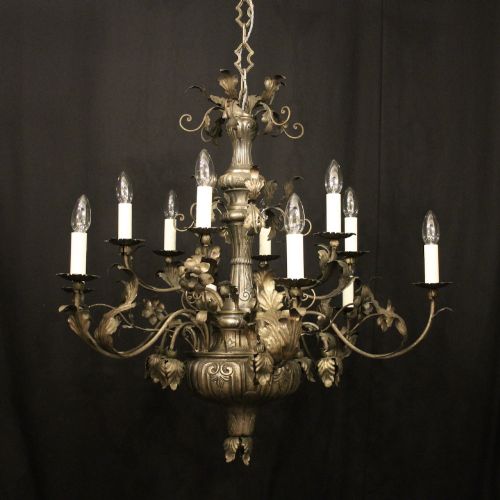
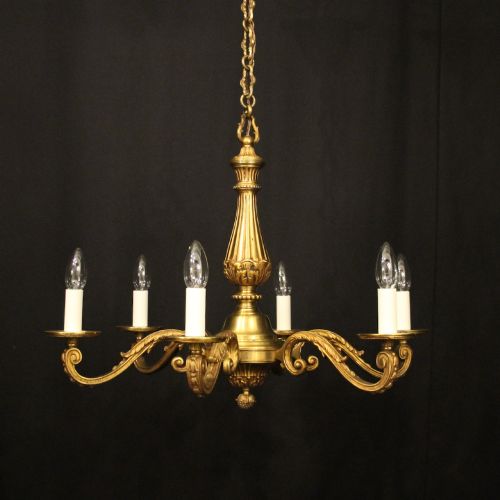
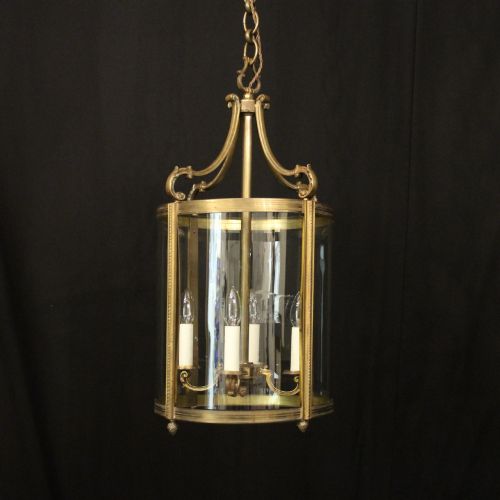
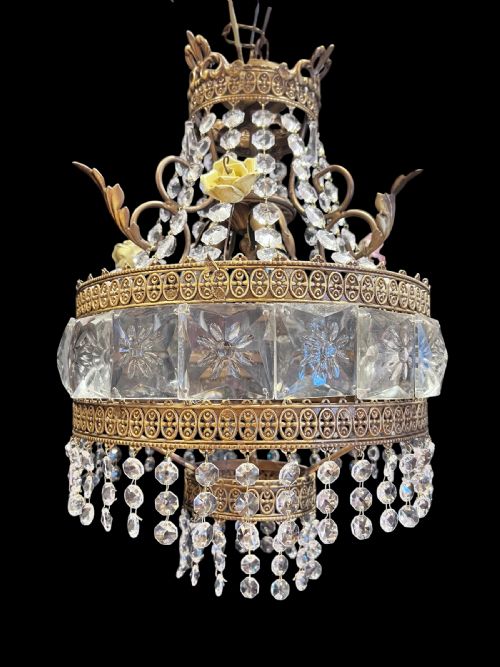
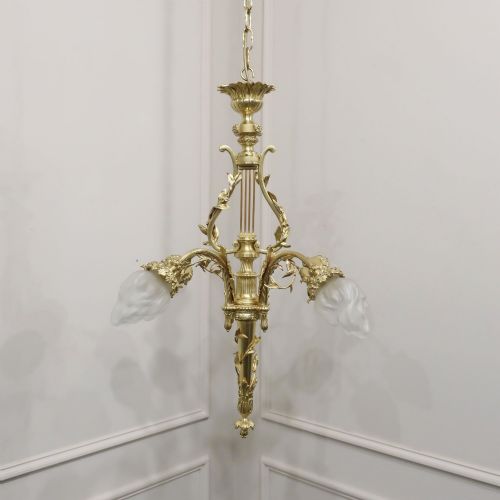
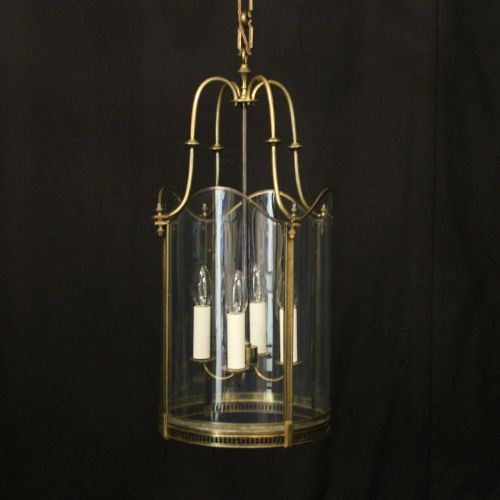
The pieces on this page lean heavily toward French and Italian illumination, including birdcage and tent-and-waterfall chandeliers alongside gilt bronze and brass hall lanterns. These fixtures combine gilded frames with cut glass and crystal drops, offering significant visual weight and period character.
Materials and Craftsmanship
Makers utilised cast bronze, brass, and spelter for the structural frames, applying layers of gilt or silver gilding to achieve a lustrous metallic finish. These metal components were often hand-chased to articulate details on cherubs, leaves, and neoclassical motifs.
Lighting fixtures incorporate cut glass, crystal spikes, and etched glass globes to refract light from multiple bulbs or candles. Smaller fob pendants combine gilt metal with set stones like carnelian and citrine, or feature hand-engraved floral designs on lockets.
Listings span multiple decades from the Georgian era through the 1930s, featuring materials such as gilt bronze, crystal, and toleware.
Judging Quality and Execution
The distinction between standard and superior pieces rests on the crispness of the metalwork and the integration of the glass elements. Finely chased gilt bronze and hand-cut crystal prisms display a depth of reflection and structural integrity that simpler brass or pressed metal alternatives lack.
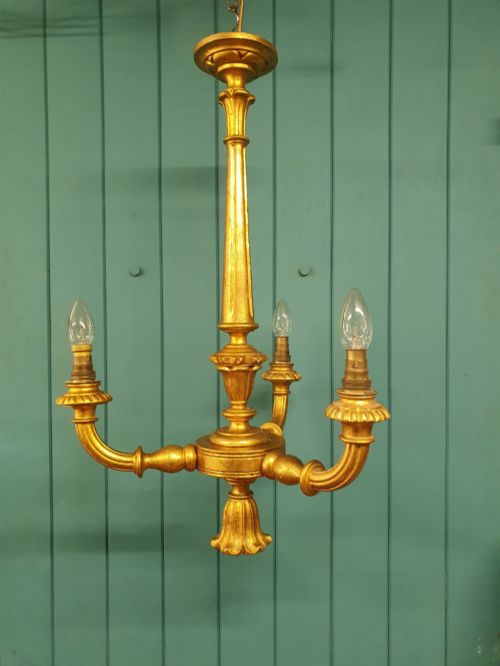
Design cohesion also dictates the standing of a piece, where coordinated elements such as matching porcelain flowers, intact giltwood carvings, or balanced tent-and-waterfall drops demonstrate intentional artistry rather than assembled components.
The Antique Gilt Pendant Glossary
- Gilt bronze
- A metal object made of bronze coated with a thin layer of gold, providing a durable and rich metallic finish. It appears frequently on French chandeliers and lanterns from the nineteenth and early twentieth centuries.
- Tent and waterfall
- A chandelier configuration featuring strings of beads forming a tent shape at the top combined with cascading crystal strands below. This design maximises light refraction across large rooms.
- Hall lantern
- An enclosed hanging light designed specifically for entryways and corridors, often featuring convex glass panels and a decorative gilt metal frame. These pieces directed and protected candle or electric light in narrow spaces.
- Spike chandelier
- A lighting fixture characterised by upright crystal spikes arranged around the central tier. This configuration was common in early twentieth-century designs.
Antique Gilt Pendant: Frequently Asked Questions
How do I hang a heavy antique chandelier?
Hanging a heavy gilt bronze or crystal chandelier requires anchoring directly into the ceiling joist using a rated hook and electrical box. Professional installation ensures the weight of the metal frame and glass prisms is supported safely.
Wiring should also be inspected by a qualified electrician to ensure vintage internal components comply with current safety standards before connecting the fixture to your mains supply.
What rooms suit a gilt hall lantern?
Hall lanterns work effectively in entryways, stairwells, and high-ceilinged corridors where their enclosed glass panels and reflective gilt frames can catch and distribute light. Their vertical proportions suit narrow spaces without dominating the floor area.
Position the lantern so the bottom clears head height while remaining low enough to serve as a welcoming focal point upon entering the home.
How do I clean cut glass and crystal pendants?
Cleaning cut glass and crystal requires a mixture of warm water and a mild dish soap applied with a soft cloth or sponge. Remove delicate drops from the gilt frame individually to ensure thorough cleaning without damaging the surrounding metal.
Dry each piece with a lint-free cloth before reattaching them to the chandelier to restore their maximum sparkle and prevent water spots from forming on the glass.
How do I date an antique pendant?
Dating a pendant involves examining the construction methods of the metal frame, the style of the glass cutting, and any maker marks or stamps present on the bronze or silver. Georgian pieces often display hand-engraved details and distinct box hinges, while Edwardian and 1920s fixtures show shifts toward transitional electrification and specific crystal shapes.
Comparing the decorative motifs, such as French Neoclassical urns or Art Deco glass globes, against documented period designs provides further chronological context.