





Antique Gilt Metal Jewellery
Antique gilt metal jewellery offers substantial ornamental presence, capturing Victorian and Edwardian craftsmanship through ornate gilt bronze, ormolu, and decorative caskets.
Antique Gilt Metal Jewellery
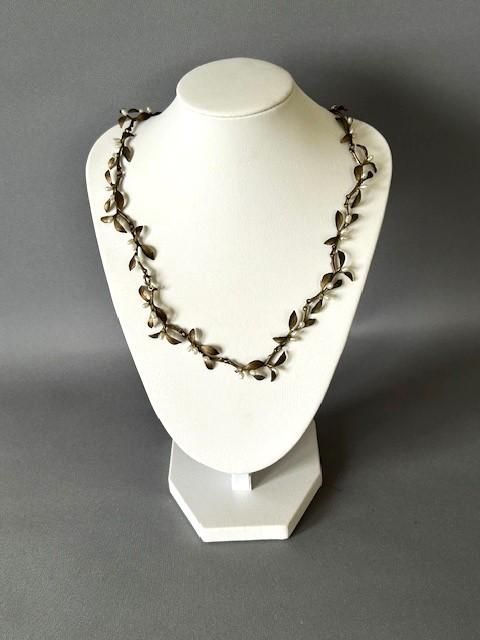
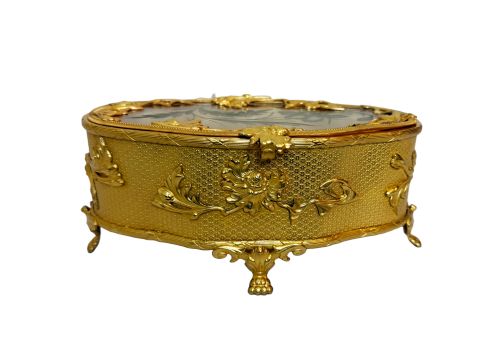
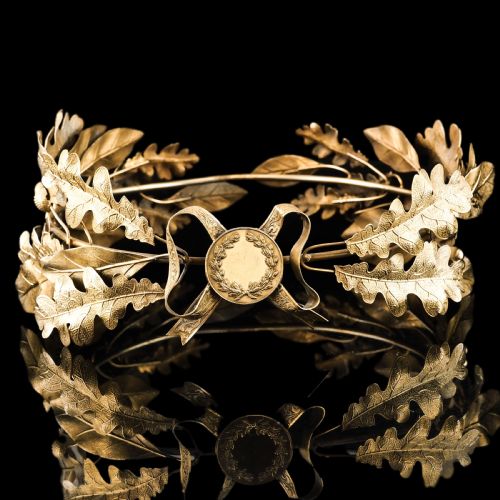
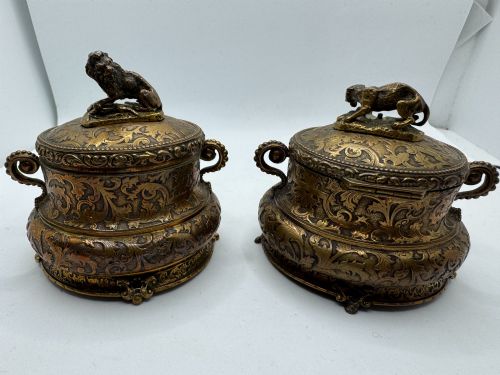
When you search for antique gilt metal jewellery, you encounter a diverse range of decorative containers and personal adornments spanning the eighteenth, nineteenth, and early twentieth centuries. The selection on this page centres predominantly upon heavy gilt metal, ormolu, and gilt bronze jewellery caskets, trinket boxes, and fob pendants.
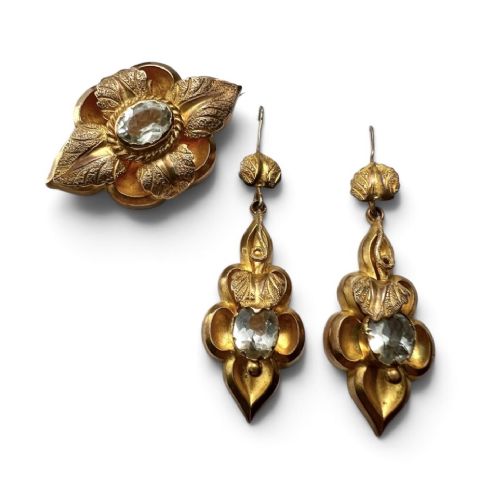
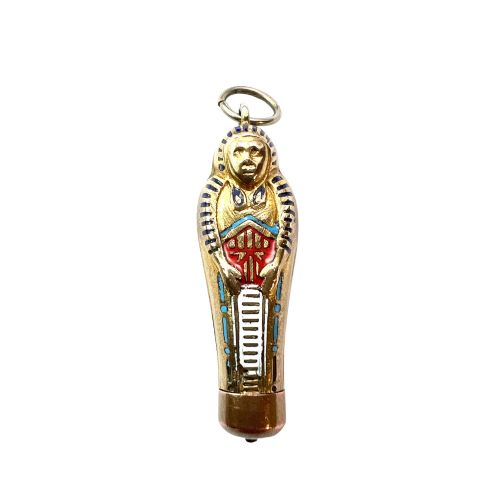
Beyond storage boxes, the items include Victorian Etruscan Revival paste garnet earrings, Edwardian paste gold gilt riviere necklaces, and novelty pendants such as enamelled propelling pencils. These pieces originate from various European and international workshops, demonstrating stylistic shifts from Rococo Revival and Napoleon III to Art Nouveau and Egyptian Revival.
Materials and construction methods
Makers utilised base metals such as brass, copper, and bronze, applying surface gilding or mercury ormolu to achieve a rich gold-coloured finish. Caskets and trinket boxes frequently incorporate bevelled glass panels, porcelain plaques, pietra dura inlay, and hand-painted Limoges miniatures set into the metal framework.
For personal ornaments, artisans combined solid silver gilt, paste stones, carnelian, and enamel work using traditional hand-assembly techniques. Electro-forming and detailed casting methods appear in later nineteenth-century French and English boxes, allowing for intricate relief work and dog finials.
Antique Gilt Metal Jewellery Retail Price Guide 2026
Typical asking prices for gilt metal jewellery among the pieces listed under this phrase on Sellingantiques today, from the lower quarter to the upper quarter. They describe what is for sale here now, not the wider market.
Several gilt-metal jewellery caskets stand guard with small dog finials atop their lids.
Factors determining quality
The distinction between standard production and superior pieces lies in the crispness of the metal casting and the quality of the chased details. Finer ormolu boxes display sharp, hand-finished foliage and figures rather than soft, mass-produced mould lines.
Integration of secondary materials dictates overall value and desirability. Examples incorporating genuine hardstone pietra dura, hand-painted porcelain plaques, or bevelled glass panes demonstrate higher artisan skill than simpler stamped brass constructions.
The Antique Gilt Metal Jewellery Glossary
- Ormolu
- Gilded bronze produced by applying a mercury and gold amalgam to a bronze object and heating it. This French technique yields a deep, warm lustre characteristic of fine decorative boxes.
- Pietra dura
- An artistic technique using cut and fitted polished coloured stones to create pictorial images. It appears frequently on inlaid Italian nineteenth-century caskets.
- Riviere necklace
- A necklace composed of a continuous line of cut gemstones or paste stones of similar size and cut. Edwardian examples often feature closed-back settings in gilt metal.
- Fob
- A short strap, ribbon, or chain attached to a pocket watch, or the decorative pendant hanging from it. These often feature carved carnelian or seals.
- Bijouterie cabinet
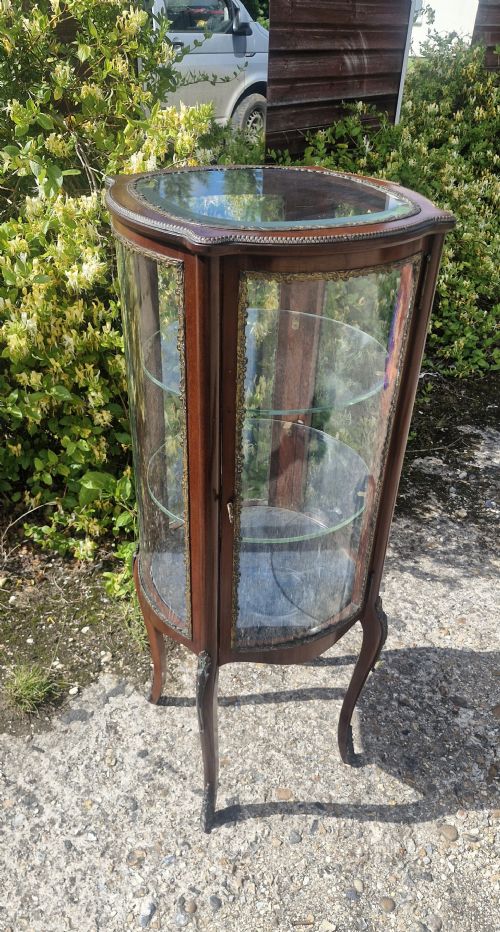
- A specialised display cabinet with glass panels designed to showcase small valuable items and jewellery. They frequently feature gilt metal mounts on mahogany or other fine woods.
Antique Gilt Metal Jewellery: Frequently Asked Questions
What is ormolu?
Ormolu refers to gilded bronze, created by applying a gold-and-mercury amalgam to a bronze base and firing it to drive off the mercury.
This historical technique produces a durable, rich golden surface finish that distinguishes finer nineteenth-century decorative items from standard brass wares.
How do I clean gilt metal?
Gilt metal requires very gentle dusting with a dry, soft microfibre cloth to remove surface particles.
Moisture and chemical polishes will strip away the historical gold layer, so abrasive cleaning methods must be avoided entirely.
What is a bijouterie cabinet?
A bijouterie cabinet is a specialised glass-topped or glass-sided piece of furniture designed specifically for displaying small ornamental objects and jewellery.
Victorian and Edwardian versions often incorporate mahogany frames adorned with gilt metal mounts.
How do I date an antique jewellery box?
Dating relies on examining the construction methods, hinge types, lining materials, and prevailing artistic styles such as Rococo Revival or Art Nouveau.
Maker marks, registration numbers, and the specific composition of the gilt bronze or brass provide further chronological markers.
What is paste jewellery?
Paste jewellery utilises high-refractive-index lead glass cut and polished by hand to imitate precious gemstones like garnets and diamonds.
Georgian and Victorian makers set these stones into gilt metal or gold to create brilliant, accessible adornments.