



Antique Gilt Lacquer Desk
These antique gilt lacquer desk pieces bring intricate Chinoiserie and Queen Anne ornamentation into modern workspaces.
Antique Gilt Lacquer Desk
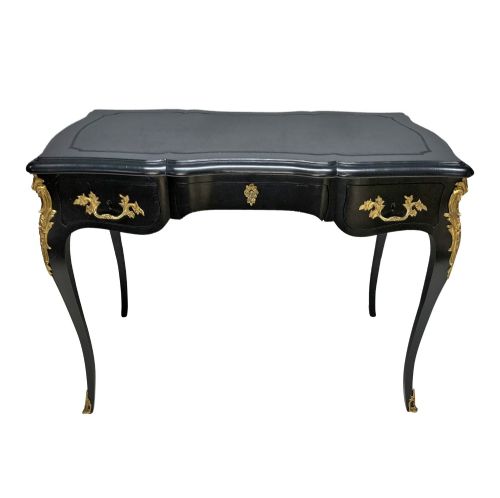
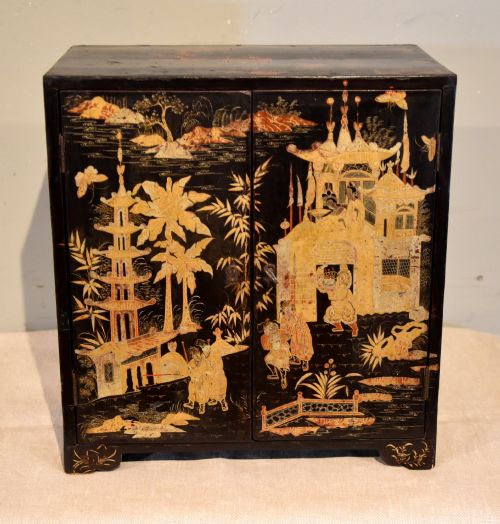
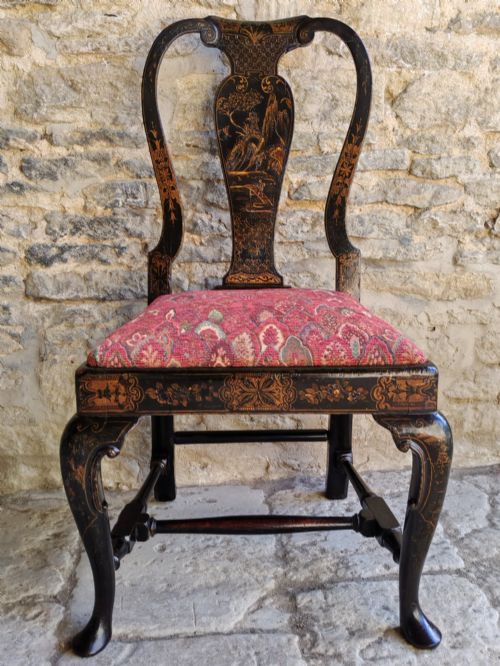
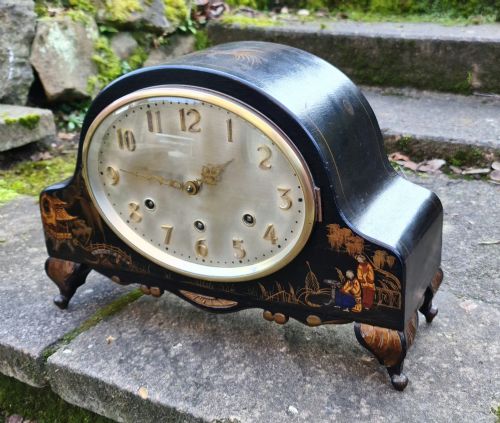
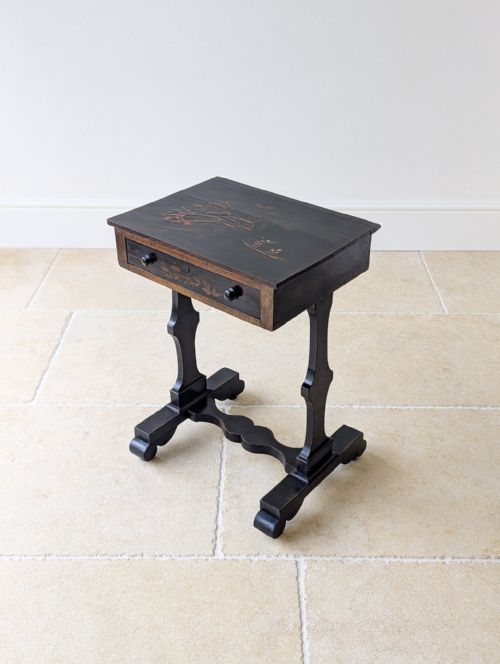
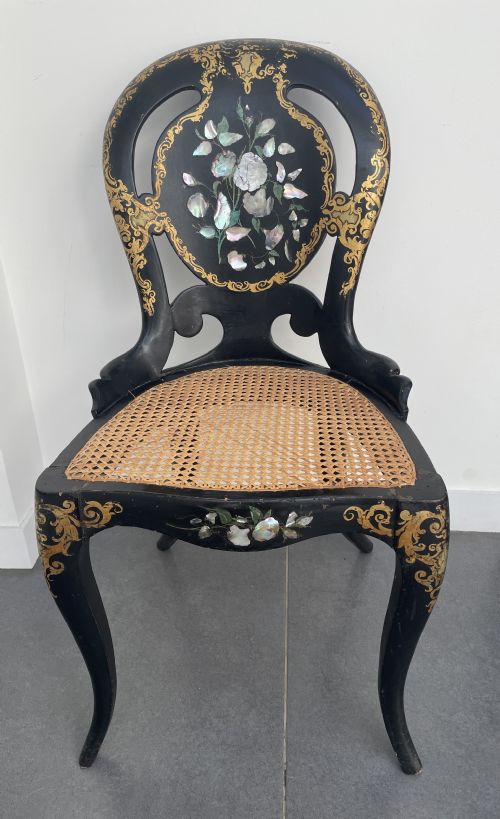
When you search for an antique gilt lacquer desk, you encounter surface-ornamented writing furniture derived from Asian export traditions and European revival styles. The pieces span from 18th century bureau bookcases and travelling writing furniture to 19th century writing tables and red lacquered bureau platt desks. These forms showcase black, red, and green lacquered wood finishes adorned with gilt motifs.
The selection on this page relies heavily on Chinoiserie and Queen Anne design idioms, alongside Victorian and Regency interpretations. Bureau bookcases and writing tables represent the primary desk formats available, often accompanied by related items sharing the same decorative vocabulary. Buyers find both British and continental European workmanship within these periods.
How they were made
Maker workshops built these items using wood as a base material, applying successive coats of lacquer to achieve a smooth ground. Artisans then executed the decoration using gold leaf or gilt paint to render pictorial scenes of figures, pavilions, and landscapes in the Chinoiserie taste. Brass hardware, glass, and occasional ormolu mounts supplemented the wooden carcass.
Techniques varied from traditional Asian export methods to European japanning, where layers of varnish built up the surface before metallic decoration was applied. Craftsmen integrated hinges, handles, and escutcheon plates in brass to complete the functional writing compartments and drawers.
Antique Gilt Lacquer Desk Retail Price Guide 2026
Typical asking prices for gilt lacquer desk among the pieces listed under this phrase on Sellingantiques today, from the lower quarter to the upper quarter. They describe what is for sale here now, not the wider market.
Listings feature periods spanning from the 18th century through the 1930s, including Regency, Victorian, and Edwardian examples.
What varies in quality
Quality in these surfaces lies in the depth of the lacquer layers and the crispness of the gilt decoration. Superior examples display finely rendered pictorial details that retain their original metallic brilliance without excessive rubbing or crude later repainting. The execution of the underlying cabinetwork, particularly in complex forms like bureau bookcases, distinguishes workshop standards.
The integration of brass fittings and the preservation of original coloured grounds, whether black, red, or green, dictate the standing of a piece. Finer items maintain their structural integrity across writing surfaces and fitted interior drawers, showing harmonious ageing of the varnish and gold leaf.
The Antique Gilt Lacquer Desk Glossary
- Chinoiserie
- European decorative style reflecting Chinese artistic influences, frequently seen in gilt lacquer landscapes and figures on furniture.
- Japanning
- European imitation of Asian lacquerwork, created by building up resin layers and applying gold paint or leaf to a wooden base.
- Bureau Bookcase
- A dual-purpose furniture form combining a sloping writing flap over drawers with an upper enclosed shelving section.
- Bureau Platt
- A flat-topped writing desk or table, often fitted with drawers beneath the writing surface.
- Vernis Martin
- French simulated lacquer technique developed in the 18th century, utilising translucent varnishes over metallic leaf.
Antique Gilt Lacquer Desk: Frequently Asked Questions
What is an antique gilt lacquer desk?
It is a writing table or bureau finished with layered lacquer and decorated with gold leaf or gilt paint, typically executed in Chinoiserie or Queen Anne styles.
These pieces range from 18th century bureau bookcases to 19th century writing tables, incorporating black, red, or green grounds.
How do I date an antique lacquer desk?
Dating relies on examining the structural form, the cabinet-making techniques used for the drawers, and the stylistic traits of the period.
Items from the 18th century often display distinct regional joinery, while 19th century pieces frequently draw on earlier Queen Anne or Regency revivals.
Where were these lacquer desks made?
Production occurred across Britain, the Netherlands, France, and through export channels from Asian workshops.
European cabinetmakers adapted Eastern aesthetics through japanning and French Rococo Revival interpretations.
How should I care for a lacquer surface?
Maintenance requires keeping the piece away from direct sunlight and fluctuating humidity to protect the delicate varnish and gilt decoration.
Dusting with a dry, soft cloth preserves the finish without introducing moisture or abrasive agents to the lacquer.