
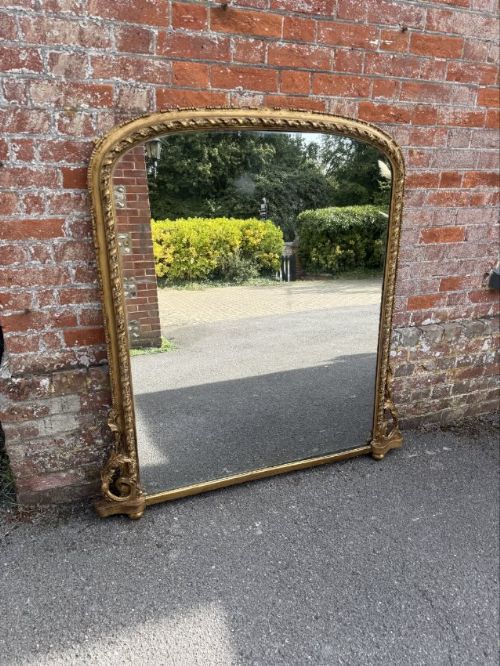
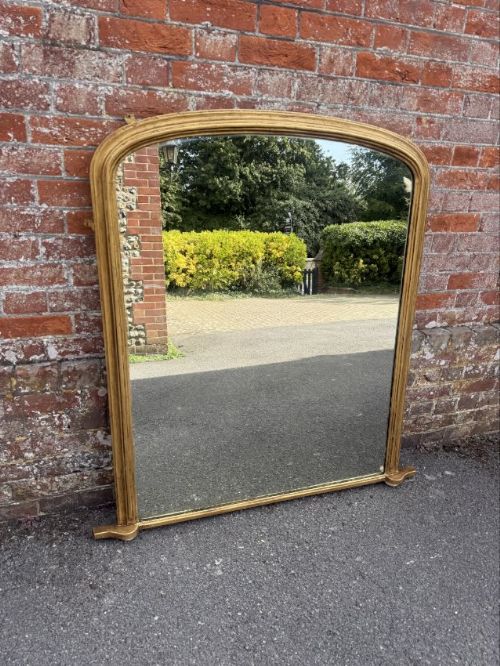

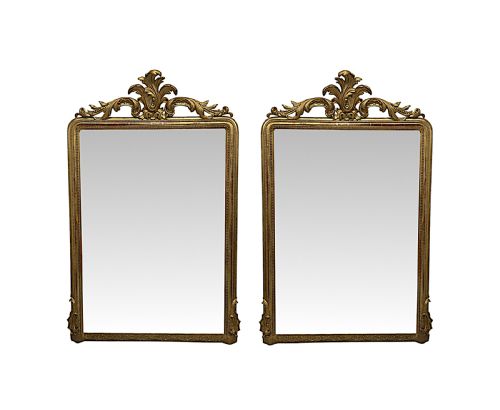
Antique Gilt Framing
Antique gilt framing brings warmth and depth to walls, enclosing oils, watercolours and mirrors with rich metallic lustre.
Antique Gilt Framing
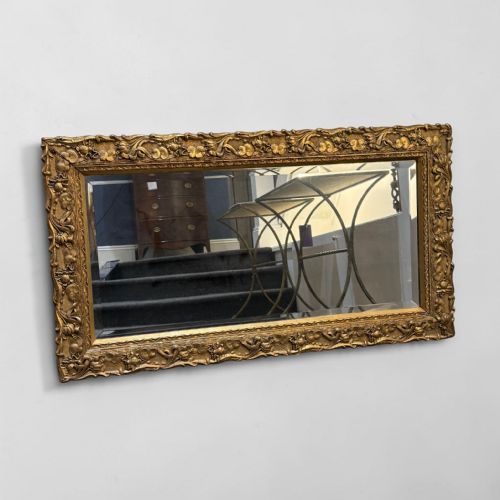
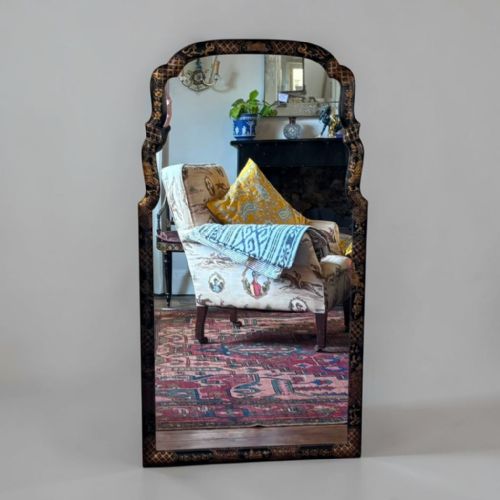
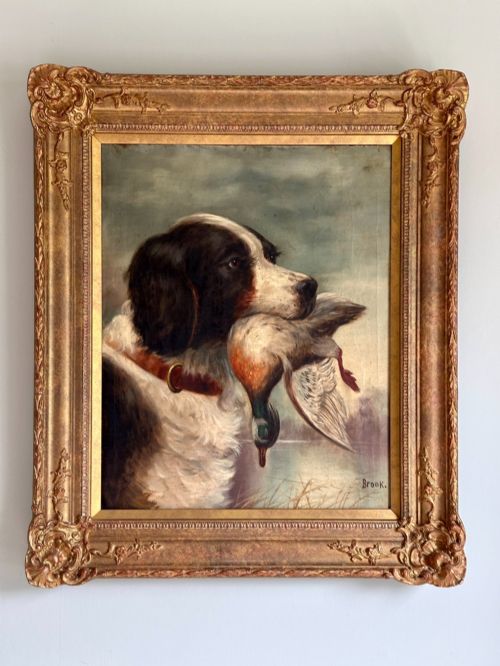
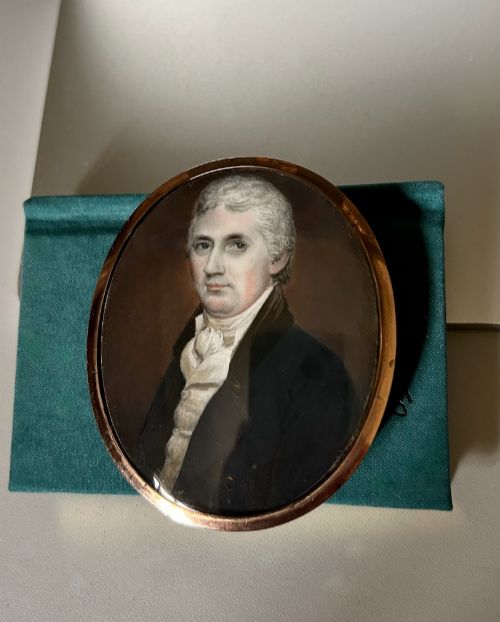
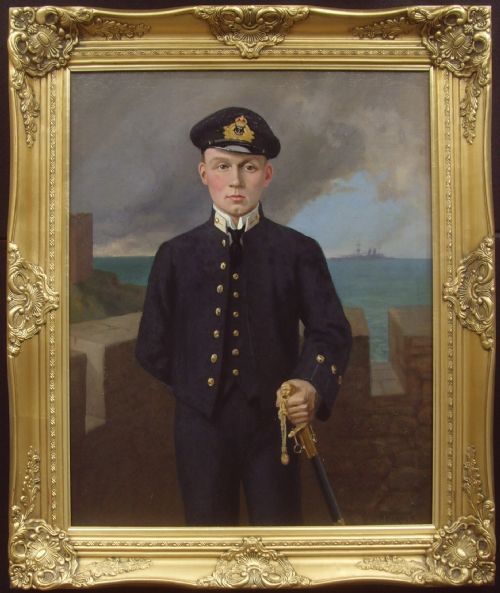
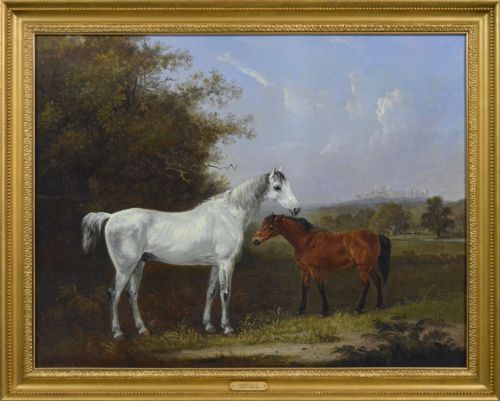
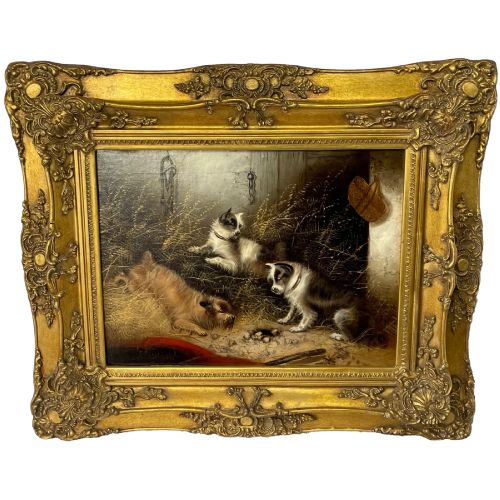
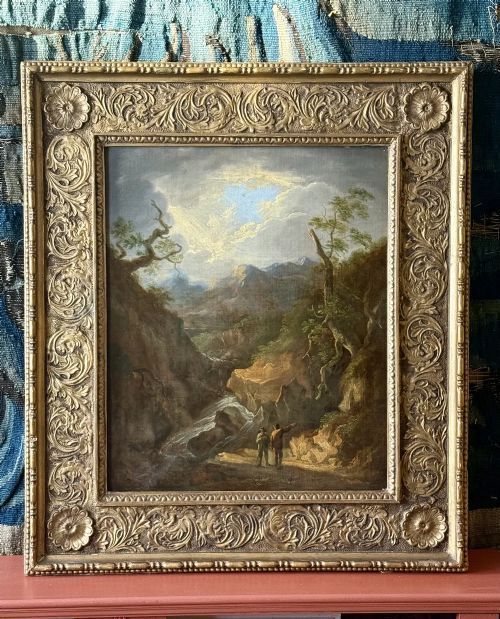
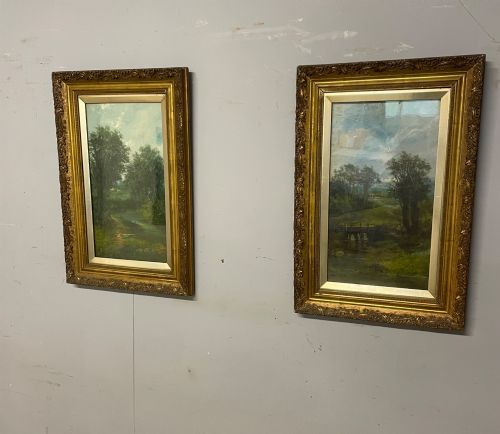
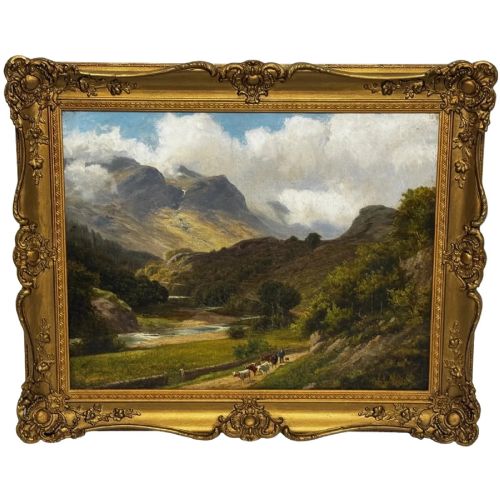
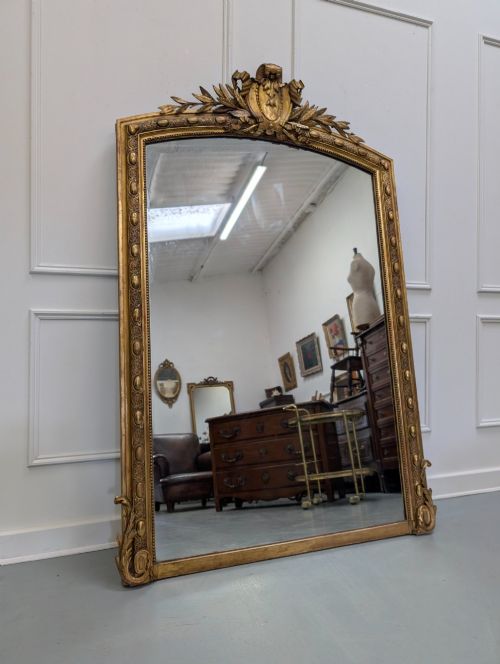
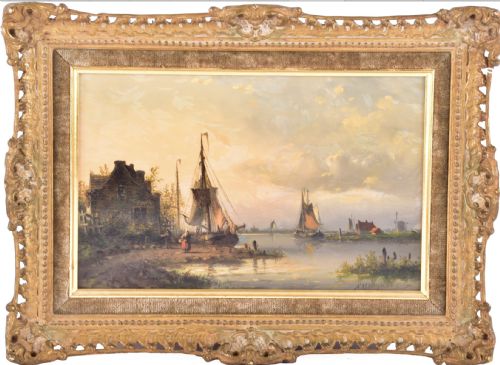
When searching for antique gilt framing, buyers encounter a diverse selection of mirrors, oil paintings, watercolours and portraits enclosed in gilded surrounds. These pieces span from the seventeenth century through the Victorian era and into the early twentieth century, encompassing styles such as French Rococo, Florentine and Georgian.
The objects take several distinct forms on this page, most commonly as wall mirrors, overmantle mirrors and picture frames housing original works on canvas, panel or paper. Surviving examples demonstrate how period framing was designed to complement specific artistic movements, from seventeenth-century English portraits to nineteenth-century landscapes.
Origins vary widely across British, French and Flemish schools, reflecting regional preferences in carving, moulding and gilding techniques. Whether applied to an arched overmantle mirror or a delicate oil painting portrait, the framing establishes the visual boundary of the artwork.
Materials and Construction
Makers constructed these frames predominantly from wood, utilising carved timber or applying moulded gesso layers to build intricate surface relief. Artisans then laid gold leaf over a prepared bole base, burnishing the metal to achieve a high metallic sheen.
Surviving pieces combine glass, canvas, paper and oil paint with wooden carcasses to create integrated works of art. The physical structure relies on traditional joinery methods suited to the period, supporting heavy mirror plates and framed canvases.
Materials documented across the inventory include glass, giltwood, wood, oil on canvas, paper and gold leaf.
Assessing Quality and Execution
Quality reveals itself in the depth of hand-carving and the crispness of gesso moulding, where skilled artisans achieved sharper botanical and architectural motifs. Superior pieces display meticulous application of gold leaf with nuanced burnishing rather than uniform modern metallic paint.
The integrity of the underlying wooden structure and the preservation of the original gilding surface dictate the desirability of an object. Finer examples retain their original mirror plates, canvas housings and period joinery without excessive reconstruction.
Joseph Clover·Henry Barraud·Sir Joshua Reynolds·William James Hubard·Richard Sebastian Bond
The Antique Gilt Framing Glossary
- Giltwood
- Wood that has been coated with gold leaf or powder. This material forms the primary structure of many ornate period mirrors and picture frames.
- Gesso
- A plaster mixture applied to a wooden frame base to create a smooth surface for carving and gilding. Artisans model intricate relief designs directly into this compound.
- Overmantle
- A large mirror or painting designed to hang specifically above a fireplace mantel. These pieces often feature wide, architectural gilt framing.
- Trumeau
- A decorative wall mirror incorporating an oil painting within the upper section of the wooden frame. French examples frequently showcase seascapes or pastoral scenes.
- Mezzotint
- A printmaking process of the intaglio family where tones are produced by roughening the copper plate with a rocker. These works are commonly housed in period gilt frames.
Antique Gilt Framing: Frequently Asked Questions
What periods do these gilt frames represent?
The listings encompass items produced from the seventeenth century through the Victorian era and into the early twentieth century. Pieces from the Georgian and Regency periods appear alongside seventeenth-century Flemish and English school works.
Each era introduced distinct stylistic shifts, moving from restrained seventeenth-century profiles to the elaborate ornamentation of French Rococo and Florentine overmantle mirrors.
How do I identify a gesso frame?
Gesso frames feature a prepared plaster layer applied over a wooden base to support intricate moulded or carved decoration. This composition allows for sharp relief work that holds gold leaf effectively.
Under magnification, older gesso displays micro-craping and subtle shrinkage cracks consistent with age, distinguishing it from modern resin casts.
Were these frames made for mirrors or paintings?
The inventory includes both functional categories, encompassing wall mirrors, overmantle mirrors and dedicated picture frames for oil paintings and watercolours. Many fine art pieces retain their original contemporaneous frames.
Mirrors often incorporate original bevelled or antique glass plates housed within heavy carved timber and giltwood surrounds.
How should I care for antique gilt surfaces?
Antique gilt surfaces require gentle maintenance using a soft, dry brush to remove dust without disturbing the delicate gold leaf. Moisture and chemical cleaning agents must be avoided to prevent lifting the gesso.
Placing items away from direct sunlight and fluctuating humidity preserves the stability of the wood and the underlying preparation layers.