
Antique Gillows Table
An antique gillows table brings the distinguished craftsmanship of Lancaster and London into the home through exceptional dining, writing and centre pieces.
Antique Gillows Table
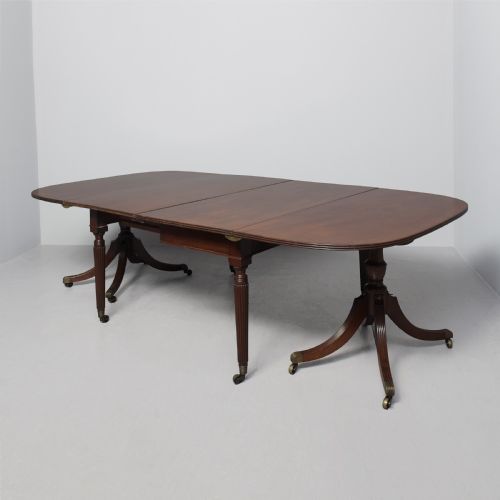
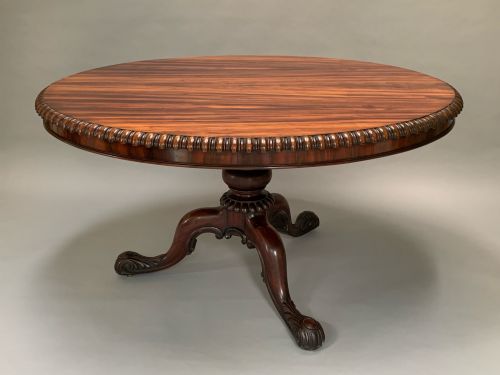
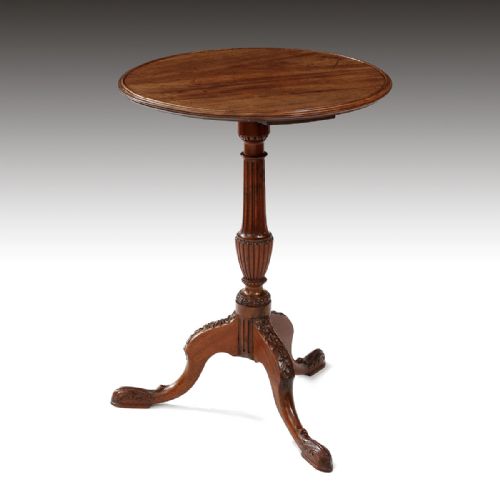
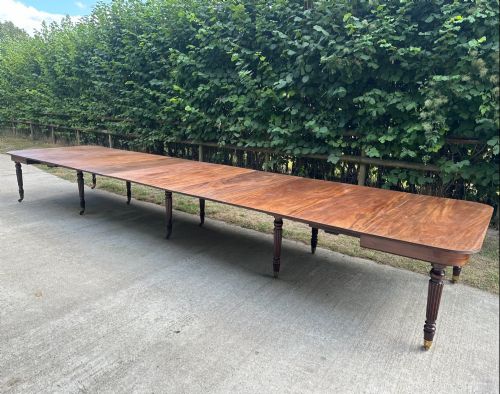
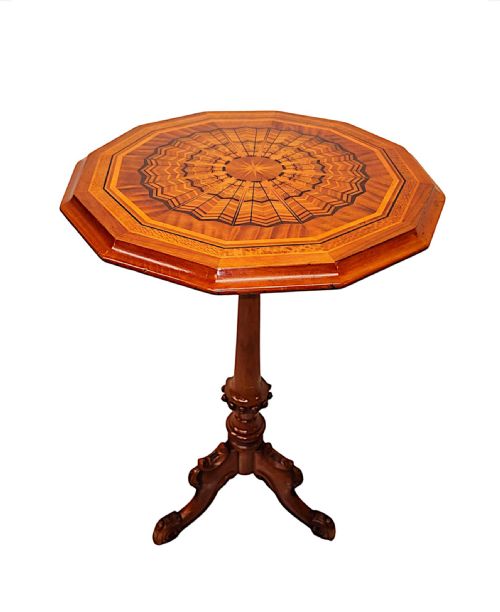
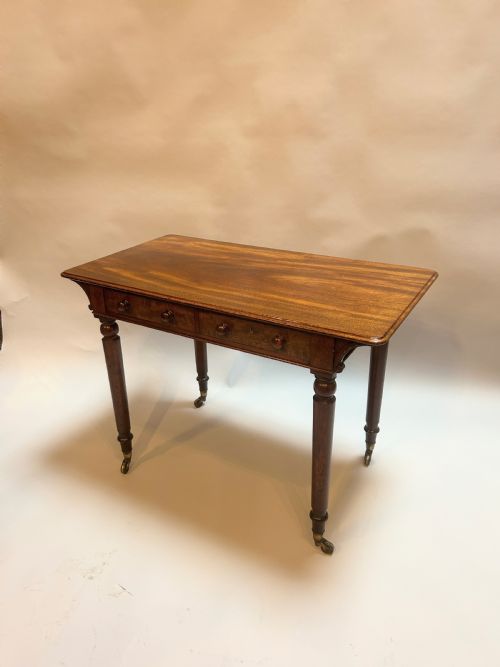
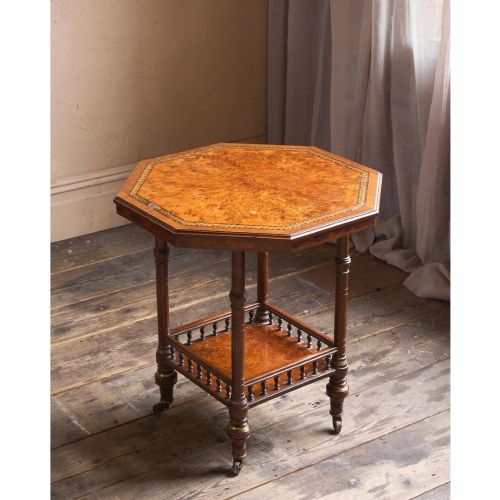
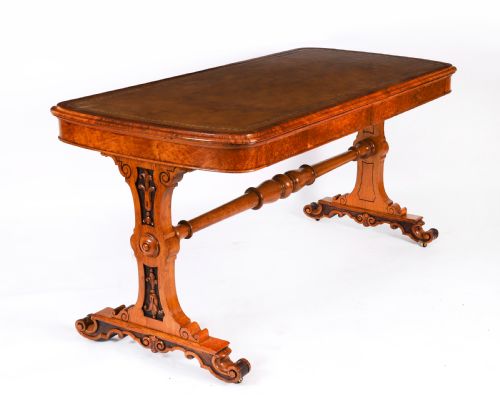
An antique gillows table encompasses a diverse range of formal and domestic furniture produced by the renowned Lancaster and London firm, spanning the Georgian, Regency, William IV and Victorian periods. Buyers encounter everything from grand imperial extending dining tables and library tables to compact side tables, writing desks, Pembroke tables and bedside cabinets.
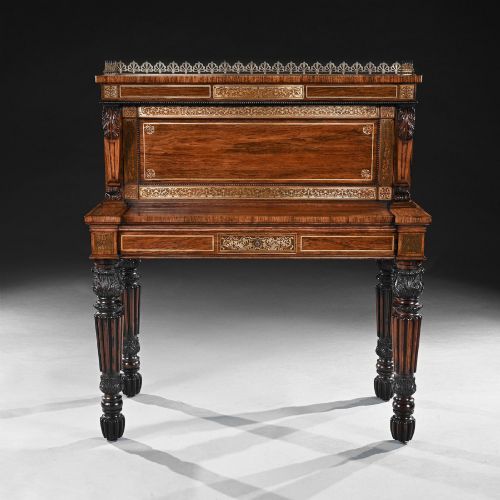
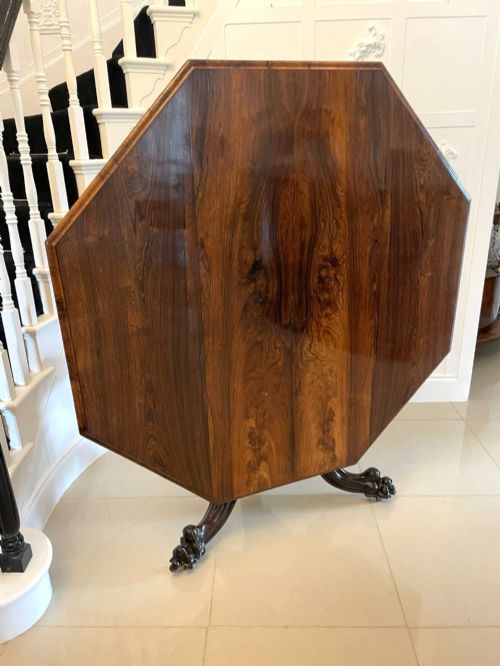
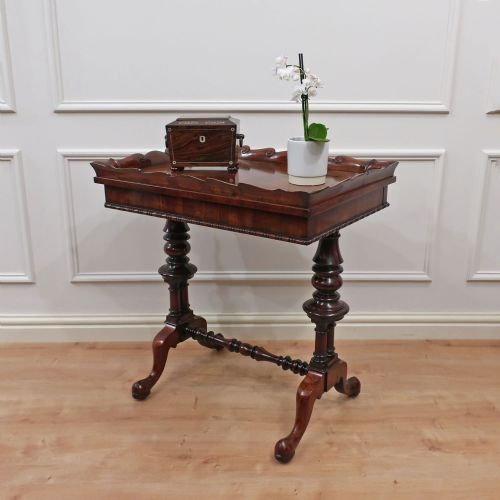
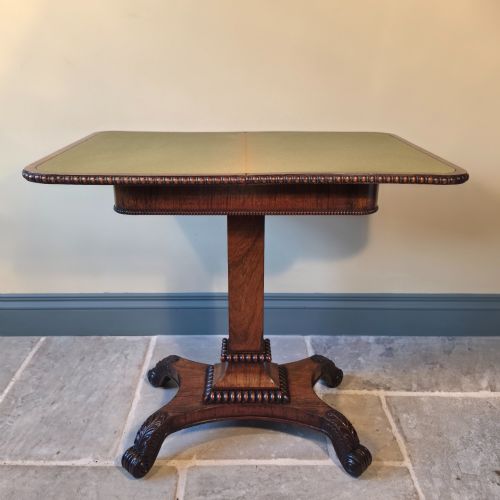
The pieces on this page reflect both signed or stamped works directly from the workshops and items attributed through distinct stylistic markers like reeded legs. Dining tables and centre tables in mahogany and rosewood dominate the selection, accompanied by specialised forms such as games tables, work tables and serving pieces.
Examples range from early eighteenth-century designs to later nineteenth-century productions by Waring and Gillow, capturing the evolving domestic requirements of British households over more than a century.
How They Were Made
Cabinet makers utilised dense, high-grade timbers including mahogany, rosewood, satinwood, oak and walnut, frequently selecting flame mahogany veneers for surfaces and solid woods for structural turnings. Brass mounts, castors and inlay work frequently complement the primary woods, adding structural refinement and visual contrast.
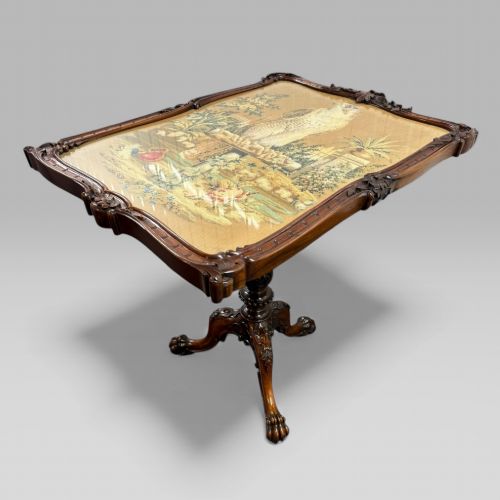
Construction techniques emphasise mechanical ingenuity, seen in extending dining mechanisms, tilt-top actions on tripod bases, and sophisticated compartments within writing tables and games tables. Joinery remains robust and precise, supporting heavy use while maintaining elegant proportions across both large dining boards and small occasional pieces.
Object forms range from imperial extending dining tables and library desks to bidelets, dumb waiters and bedside cabinets.
What Varies in Quality
The upper tier of pieces displays documentary evidence through signatures or stamps from the Lancaster or London workshops, alongside superior selection of timber grain, such as heavily figured rosewood or flame mahogany. Secondary woods and interior drawer construction reveal the same uncompromising standard of execution found on external surfaces.
Design ambition and mechanical complexity separate standard utilitarian items from exceptional commissions. Elaborate brass inlay, parcel gilt detailing, finely carved reeded legs and sophisticated extending mechanisms elevate certain dining and writing tables into the finest rank of cabinet making.
Gillows of Lancaster·Waring and Gillows
The Antique Gillows Table Glossary
- Reeded leg
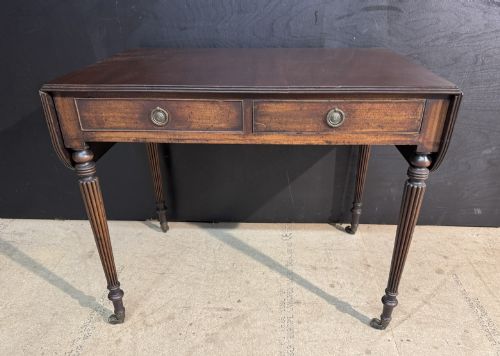
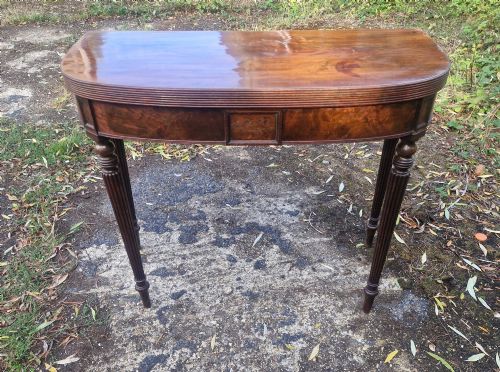
- A column carved with parallel convex mouldings running vertically, frequently seen on tables attributed to Gillows.
- Pembroke table
- A small rectangular table with hinged drop flaps on either side, often fitted with a single drawer.
- Tilt top
- A table mechanism allowing the surface to pivot horizontally and fold vertically when not in use, common on tripod occasional tables.
- Sofa table
- A rectangular occasional table designed to stand in front of a sofa, featuring drop leaves and often two small drawers.
- Centre table
- A freestanding piece finished on all sides to sit in the middle of a room rather than against a wall.
Antique Gillows Table: Frequently Asked Questions
What periods do these tables cover?
The pieces span from the late eighteenth century through the Regency, William IV and Victorian periods, extending into Edwardian productions by Waring and Gillow. Georgian and Regency examples showcase classic proportions and fine mahogany timbers.
Later Victorian and Edwardian iterations incorporate heavier walnut, oak and rosewood, reflecting the changing interior tastes and domestic requirements of the nineteenth and early twentieth centuries.
How were dining tables extended?
Many large dining tables utilise sophisticated mechanical systems involving central leaves supported by pull-out frames or additional pedestals. These mechanisms allowed households to adjust table lengths efficiently for large gatherings.
Master cabinet makers engineered these extending systems to operate smoothly while maintaining absolute stability across boards that could span many feet.
Where should I place a centre table?
Centre tables are designed to stand freely in the middle of a room rather than pushed against a perimeter wall, as they feature finished detail on all sides. They serve as striking focal points in large hallways, libraries or drawing rooms.
Pairing a centre table with a central lighting fixture or a decorative display allows the piece to be viewed from every angle, highlighting its timber grain and craftsmanship.