

Antique Gilded Wood Carvings
Antique gilded wood carvings bring centuries of craftsmanship and rich surface texture directly into your interior.
Antique Gilded Wood Carvings
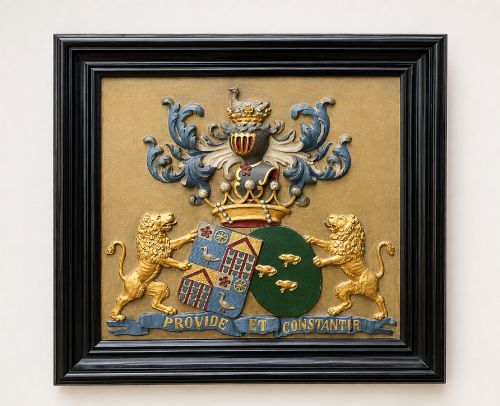
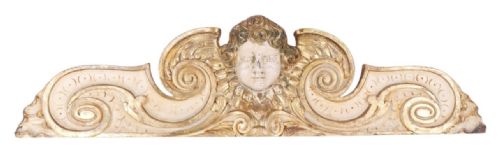
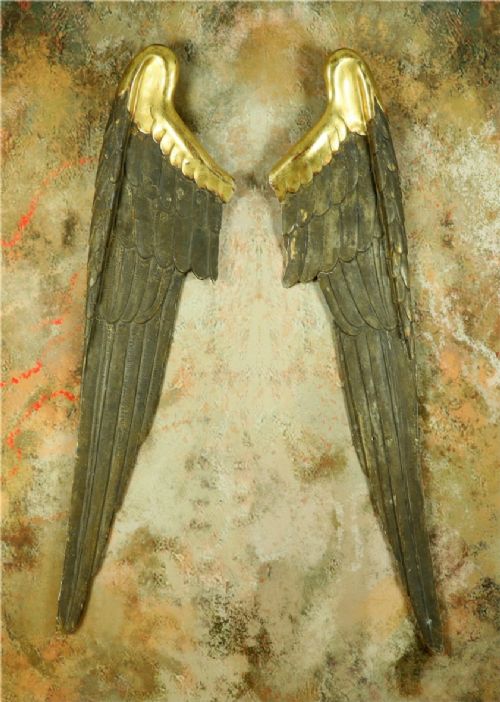
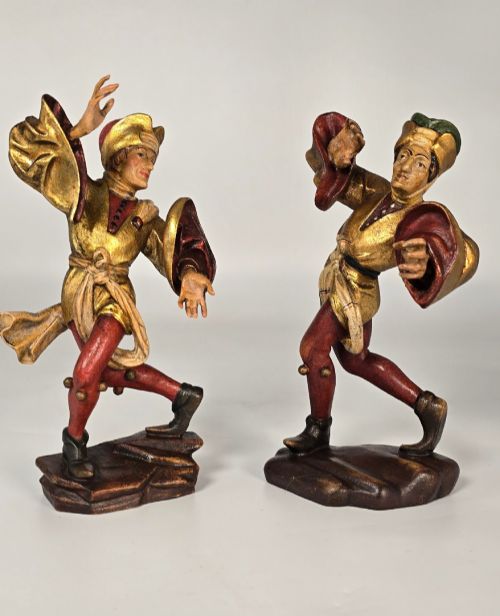
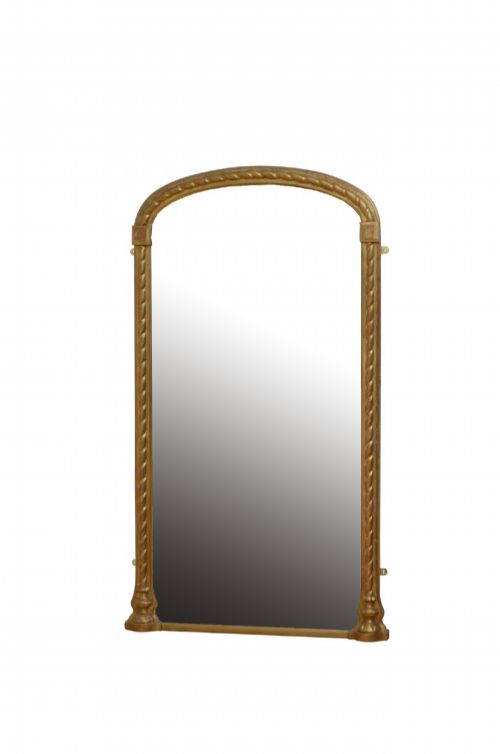
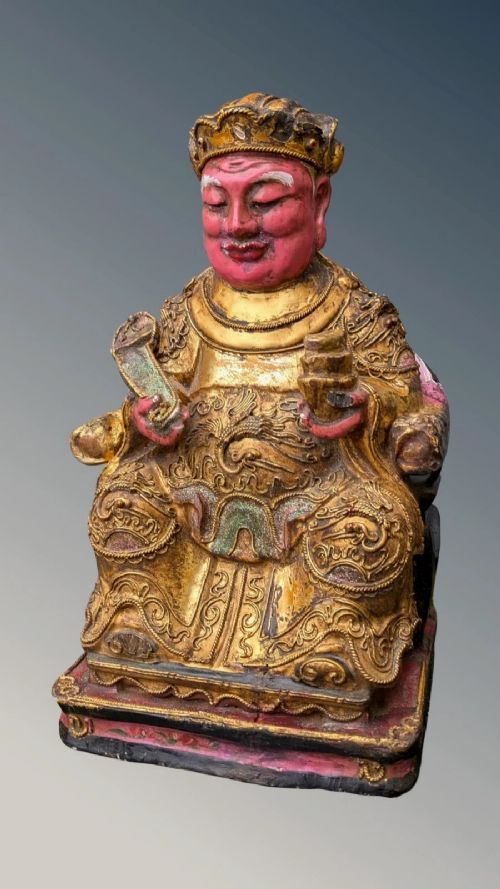
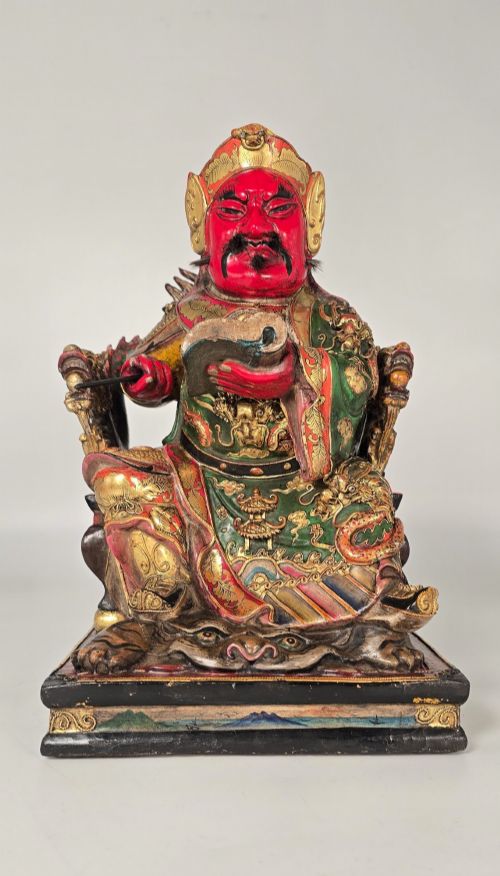
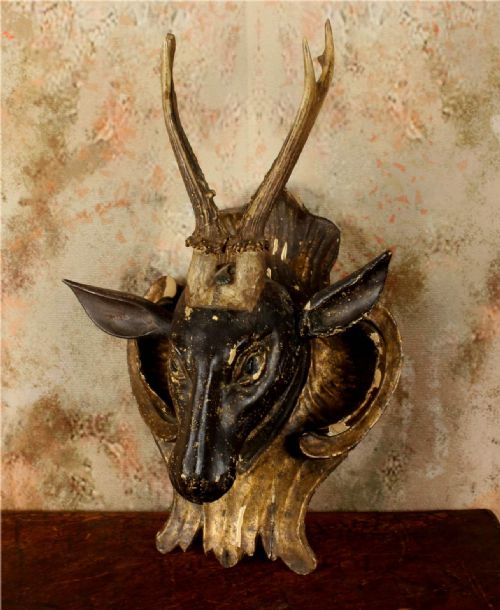
When you search for antique gilded wood carvings, you are looking at items that span from sixteenth-century ecclesiastical panels to nineteenth-century domestic mirrors and architectural fixtures. The selection here covers diverse cultural origins, including European baroque pieces and Asian temple figures, alongside secular items like heraldic plaques and folk art trophies.
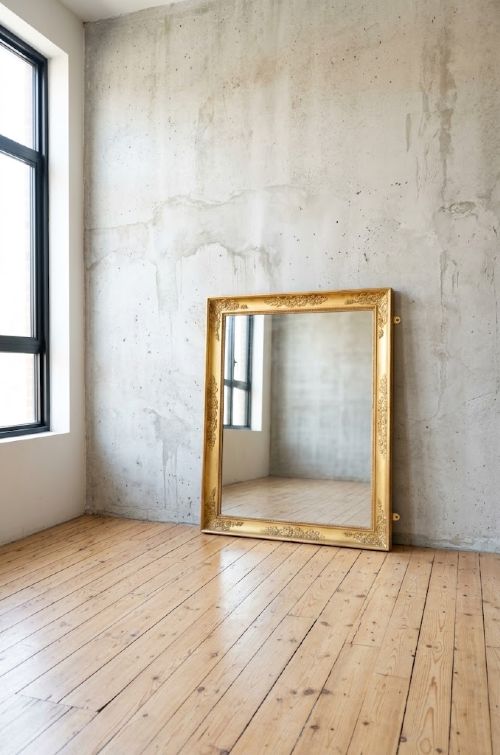
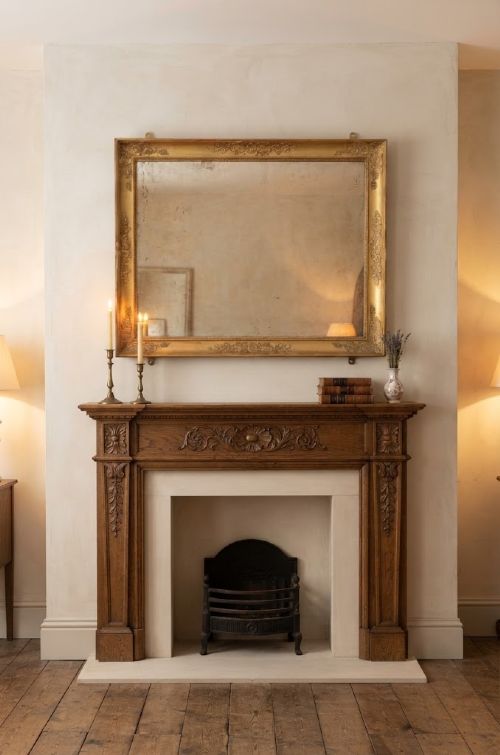
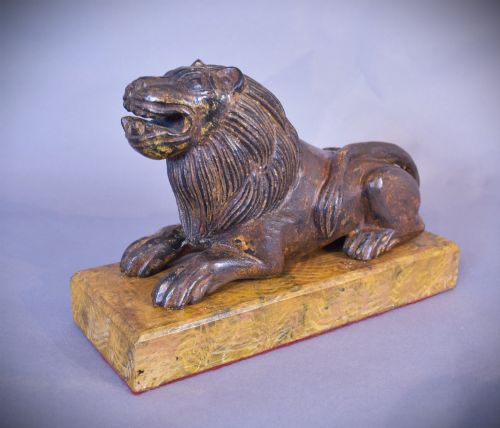
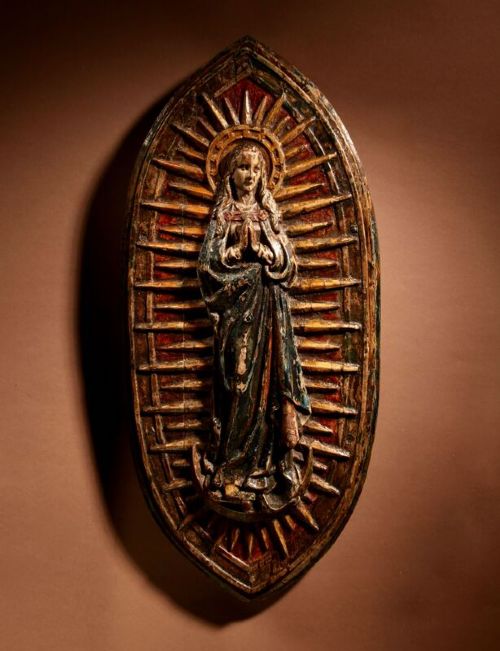
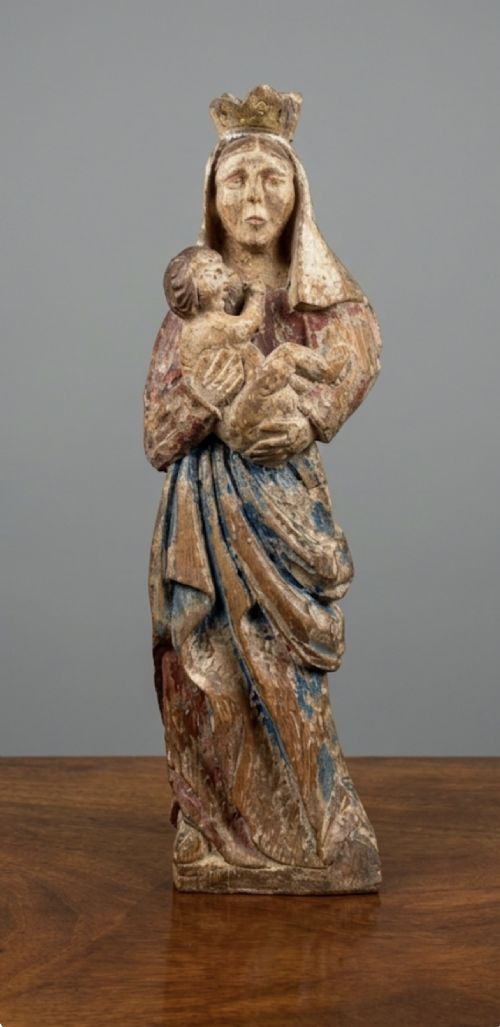
The most common versions you will meet on this page are eighteenth and nineteenth-century European mirrors, architectural fragments such as over door carvings, and religious sculptures. These objects range from small devotional figures of saints and angels to monumental temple guardians and detailed wall plaques.
The materials and construction methods vary widely depending on the region of origin, moving from European limewood and oak utilising traditional gesso and gold leaf to Asian hardwoods finished with lacquer and polychrome paint.
Materials and construction
Makers shaped these pieces from various timbers, frequently utilising oak, limewood, and other native hardwoods suited to intricate hand work. Carvers worked directly into the solid wood to establish the primary sculptural form before applying preparatory layers.
Surfaces destined for metallic finish received a foundation of gesso, a fine plaster mixture that provided a smooth ground for the application of delicate gold leaf. Alternatively, many pieces relied on polychrome paint or lacquer, particularly those originating from Chinese and Burmese workshops.
Among the deities and saints, a mischievous wooden monkey and elephant pair stands ready to supervise your bookshelf.
Assessing quality
The integrity of the original surface finish remains a major factor in evaluation, as intact layers of original gold leaf or polychrome paint carry far greater historical value than heavy modern repainting or re-gilding.
The Antique Gilded Wood Carvings Glossary
- Giltwood
- Wood that has been coated with gold leaf or gold paint. This technique was widely utilised on frames, architectural elements, and decorative sculptures to create a rich metallic sheen.
- Gesso
- A plaster-like preparation mixture used as a smooth base for wood or canvas before painting or gilding. On carved items, it provides the fine surface necessary for laying gold leaf.
- Polychrome
- Painted in several colours. This term frequently applies to wooden figures and panels decorated with various pigments alongside or instead of metallic leaf.
- Putto
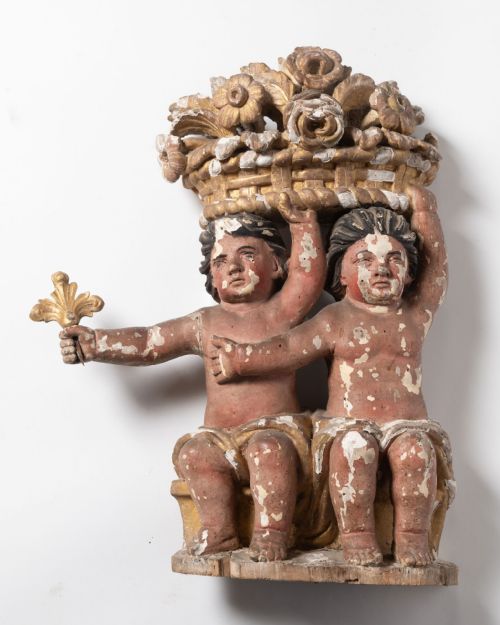
- A figure of a small chubby male child, often winged, common in Renaissance and Baroque art. These motifs appear frequently on European mirrors, altar panels, and architectural fragments.
- Corpus Christi
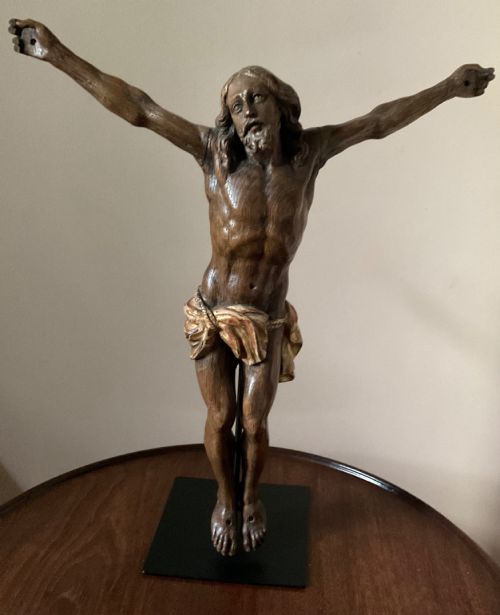
- Latin for the body of Christ, specifically referring to a sculpted figure of Jesus on the cross. These wooden figures date back to medieval and seventeenth-century European traditions.
Antique Gilded Wood Carvings: Frequently Asked Questions
Where should I hang a gilded wood mirror?
Position your mirror on an interior wall away from direct sunlight, high humidity sources like bathrooms, and active heat vents to protect the wooden substrate and metallic finish.
Ensure the hanging fixings are securely anchored into wall studs, as antique frames made of solid carved wood carry considerable weight.
How can I tell the age of a carved wood panel?
Examine the back and unexposed edges of the wood for tool marks, oxidation, and signs of shrinkage that reveal historic hand-working methods rather than modern machine production.
Check the preparation layers beneath any surface finish, as older European items typically feature traditional chalk gesso while Asian pieces show distinct lacquer or polychrome strata.
What is the difference between gesso and lacquer?
Gesso acts as an absorbent plaster ground designed specifically to hold gold leaf on European carvings, whereas lacquer is a durable resin finish applied in multiple smooth coats common in Asian decorative arts.
While gesso provides a matte base that is easily abraded by moisture, cured lacquer forms a hard, glossy protective barrier across the carved wooden surface.