




Antique Gilded Teapot
An antique gilded teapot brings brilliant metallic lustre to the table, combining functional ceramic form with rich historical decoration.
Antique Gilded Teapot
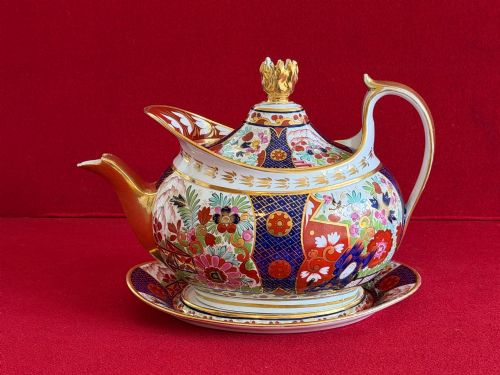
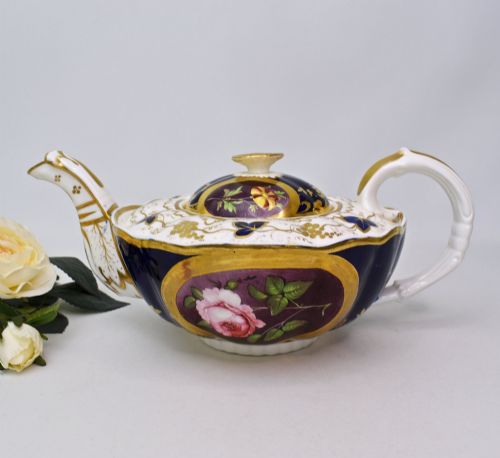
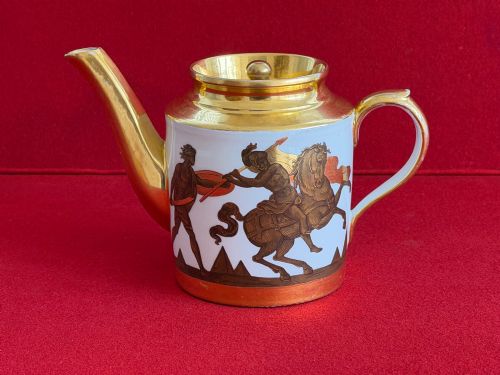
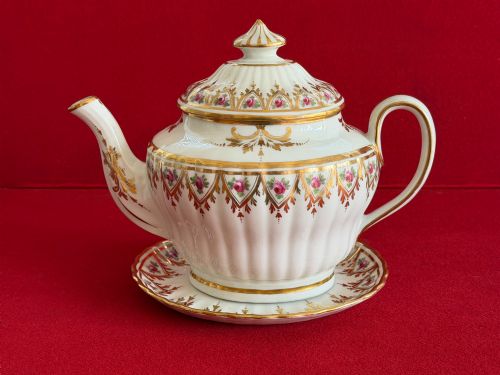
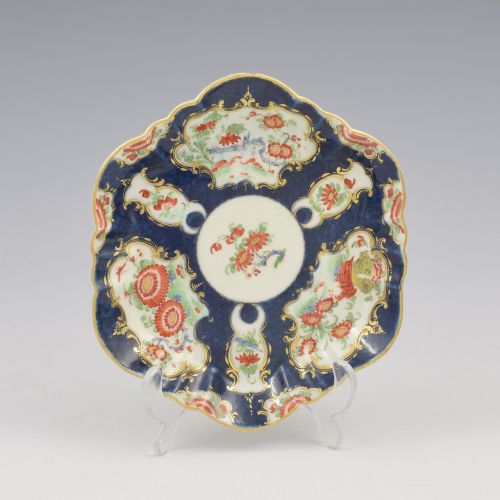
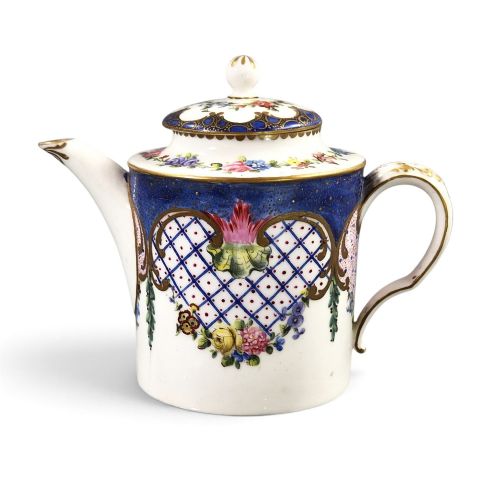
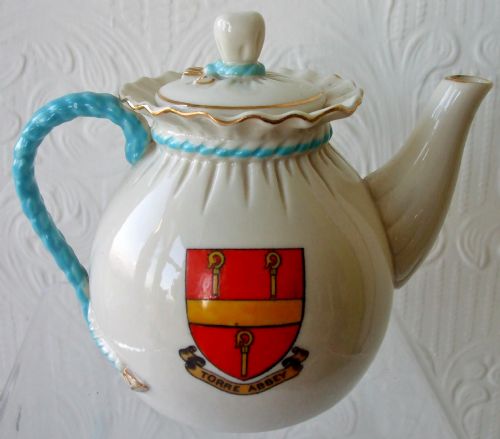
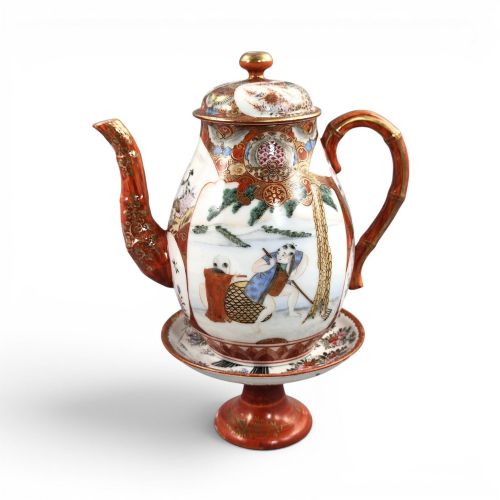
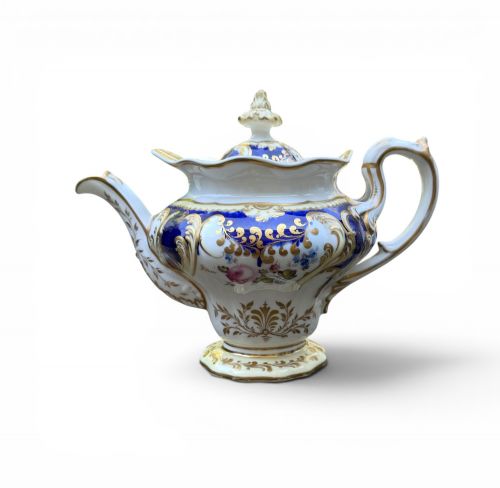
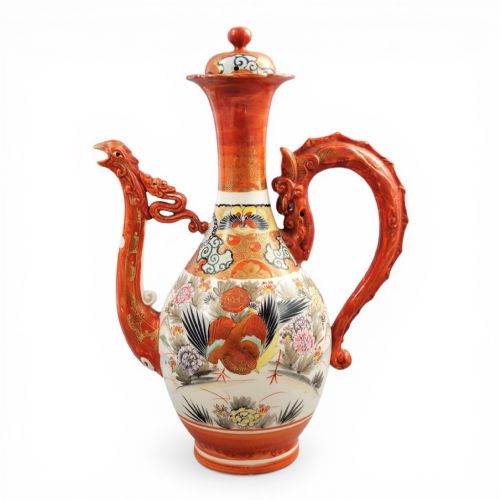
Every antique gilded teapot combines ceramic bodies with applied gold leaf or metallic surface decoration, spanning periods from the eighteenth century to the early twentieth century. You will encounter English porcelain, bone china, and earthenware alongside continental and Japanese ceramics finished with hand-painted gold highlights.
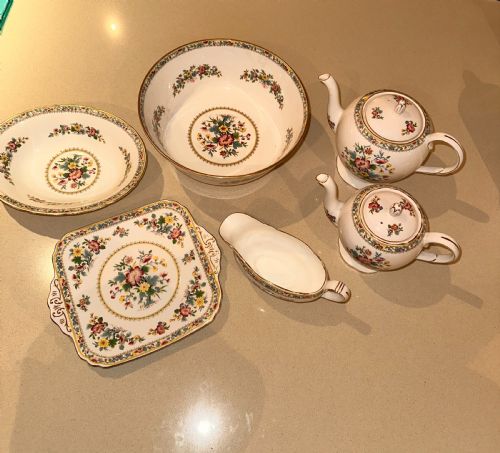
The selections on this page range from Georgian examples like the New Hall and John Rose Coalport pieces to Victorian sets and Edwardian tea wares. Alongside individual teapots, you find matched tea services, miniature sets, and associated stands.
Forms vary from standard bulbous vessels to octagonal shapes and Rococo revival curves, reflecting the stylistic shifts of the periods in which they were made.
Materials and manufacture
Makers shaped these teapots using porcelain, soft-paste porcelain, bone china, and ceramic bodies, often hand-painting the surfaces before applying gold leaf or liquid gold highlights. Firing techniques fixed the metallic decoration to the glaze, creating the enduring gilded finish seen on pieces from the eighteenth century onward.
Workshops utilised enamel paints alongside gilding to build complex floral, figurative, and abstract patterns across the body of the pot, spout, and handle.
Antique Gilded Teapot Retail Price Guide 2026
Typical asking prices for gilded teapot among the pieces listed under this phrase on Sellingantiques today, from the lower quarter to the upper quarter. They describe what is for sale here now, not the wider market.
What sets individual pieces apart
The distinction between standard domestic wares and finest pieces lies in the precision of the hand-painting, the intricacy of the moulding, and the purity of the ceramic body. Early soft-paste porcelain and delicate hand-gilded details on Georgian or Sèvres pieces demand higher levels of craftsmanship than mass-produced later wares.
Preservation of the original gold leaf and enamel colours without excessive rubbing or restoration defines the desirability of surviving teapots and associated stands.
John Rose Coalport·New Hall Porcelain·Royal Sèvres·W.H. Goss·Royal Davenport·William Moorcroft·Royal Crown Derby
The Antique Gilded Teapot Glossary
- Soft-Paste Porcelain
- An early ceramic composition fired at lower temperatures than hard-paste porcelain, producing a warm glaze and slightly softer body. It was widely used by eighteenth-century European factories.
- Gilding
- The application of gold leaf or powdered gold to the surface of ceramics to create metallic decoration and borders. This technique defines the visual character of the pieces on this page.
- Rococo Revival
- A nineteenth-century design style drawing on eighteenth-century French motifs, characterised by C-scrolls, asymmetrical plant forms, and flowing lines. It frequently appears on Victorian teapots.
- Litron
- A cylindrical cup and associated saucer form popular in eighteenth-century French porcelain production. The shape often accompanied matching teapots in high-status services.
- Blush Ivory
- A specialised ceramic finish developed by Royal Worcester featuring a soft, creamy background decorated with gilt and floral painting. It is characteristic of late nineteenth-century production.
Antique Gilded Teapot: Frequently Asked Questions
How do I date an antique gilded teapot?
Dating relies on identifying factory marks on the base, stylistic indicators such as Georgian rococo curves or Edwardian forms, and the specific ceramic body used.
Examination of the gilding wear patterns and the type of porcelain also helps narrow the period of manufacture.
Were these teapots meant for everyday use?
Many of these teapots formed part of functional tea services or breakfast sets intended for daily dining in prosperous households.
Finer examples from factories like Sèvres or Coalport served as high-status display pieces as well as functional vessels.
What is the difference between a teapot and a tea set?
An individual teapot is a single vessel for brewing tea, whereas a tea set or service includes matching components such as cream jugs, sugar bowls, cups, and saucers.
Some listings also include dedicated teapot stands designed to protect tables from heat.