



Antique Gilded Furniture
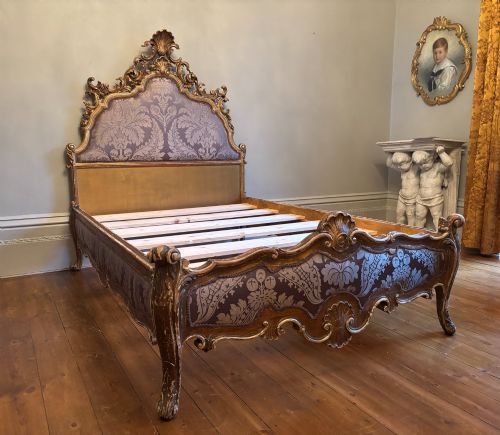
These pieces of antique gilded furniture bring warmth and formal presence to a room through centuries of carved wood, applied gold leaf, and gesso.
Antique Gilded Furniture
When you search for antique gilded furniture, you encounter items designed to catch candlelight and command a reception room, from console tables and pier mirrors to display cabinets and armchairs. The selection spans the seventeenth century through to the early twentieth century, originating primarily from French and Italian workshops alongside English and Chinese export pieces.
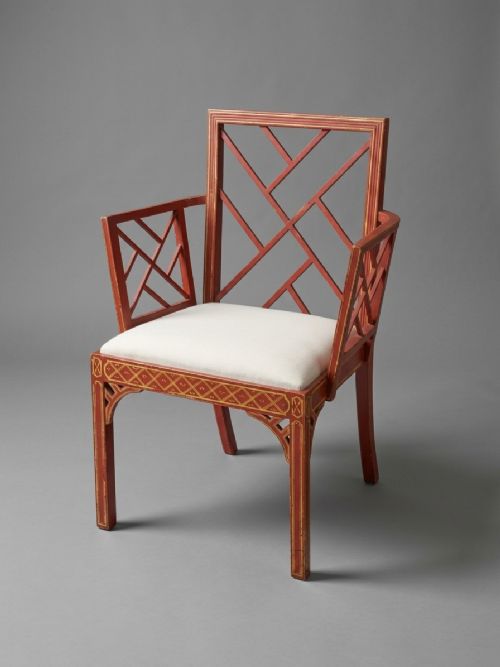
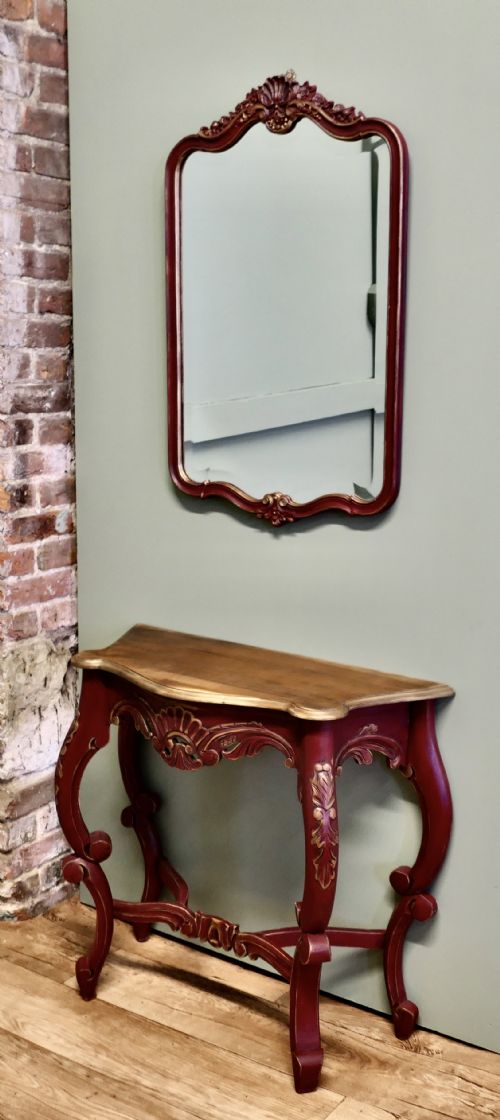
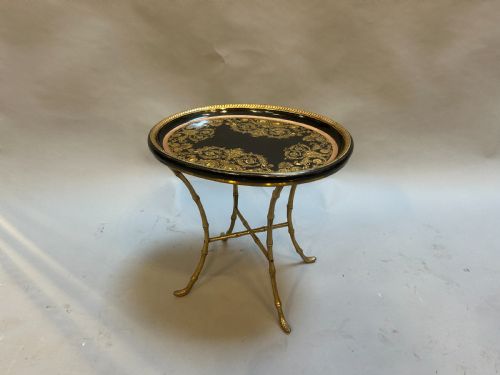
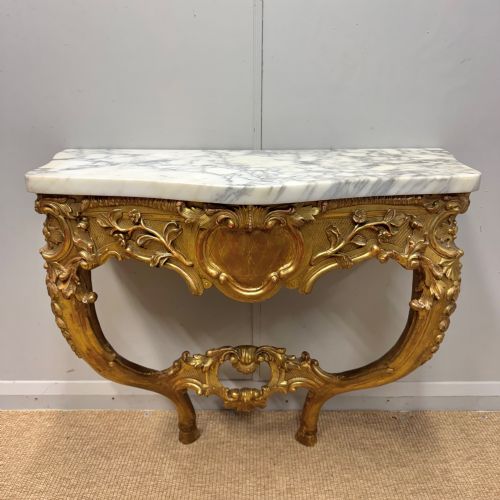
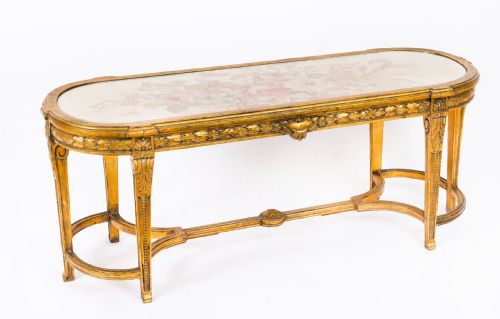
The most common forms on this page are console tables paired with matching mirrors, occasional tables, and cabinets finished in lacquer or giltwood. Pieces frequently display revival styles such as Louis XV, Rococo, and Chinoiserie, alongside Gustavian and Aesthetic Movement designs.
Materials and Technique
Maker's workshops built these pieces using solid timbers like walnut, pine, and beech, which were then prepared with layers of gesso to provide a smooth ground for gilding. Artisans applied thin sheets of gold leaf or metal leaf by hand over size, burnishing specific areas with agate stones to create a contrast between matte and polished surfaces.
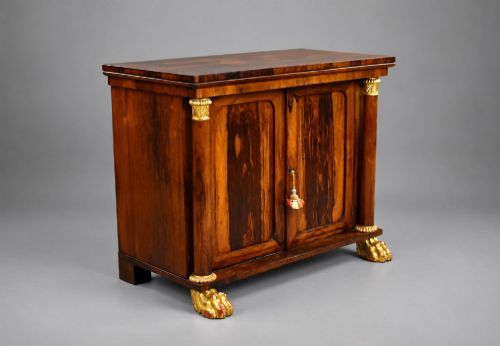
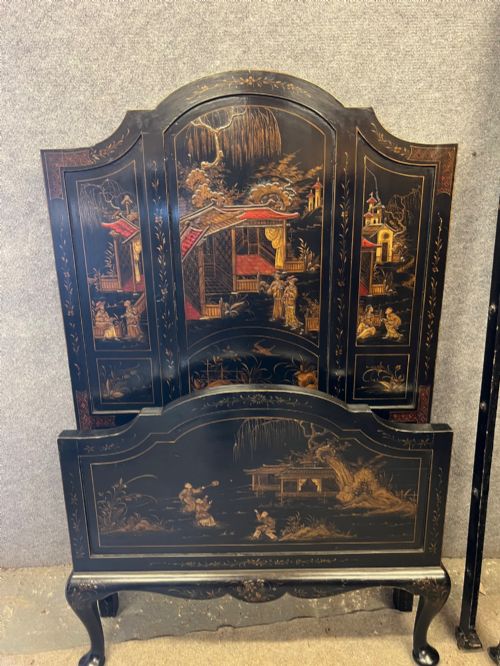
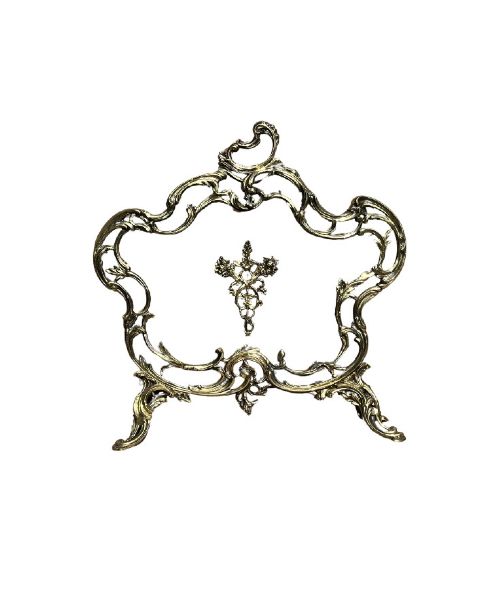
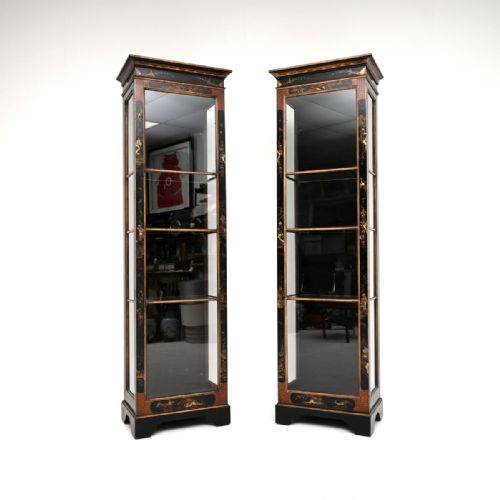
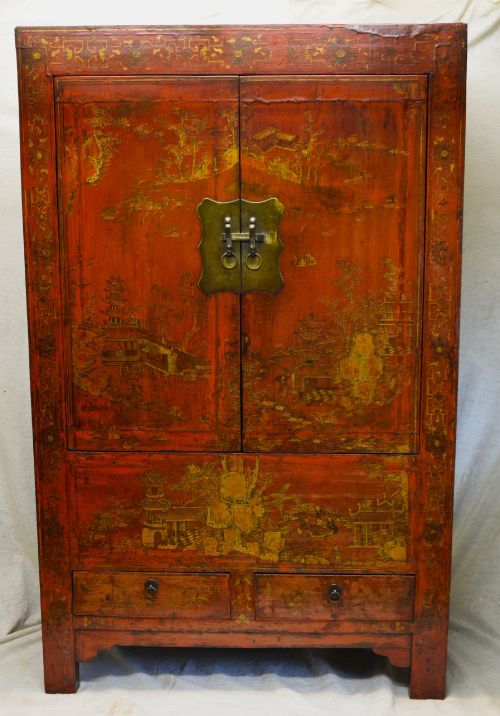
Alternative decorative schemes involve black or red lacquer applied in multiple coats with raised or flat gilded Chinoiserie motifs, alongside marble tops set into table frames. Ormolu mounts and brass hardware further punctuate the timber and gilt surfaces on cabinets and vitrines.
Antique Gilded Furniture Retail Price Guide 2026
Typical asking prices for gilded furniture among the pieces listed under this phrase on Sellingantiques today, from the lower quarter to the upper quarter. They describe what is for sale here now, not the wider market.
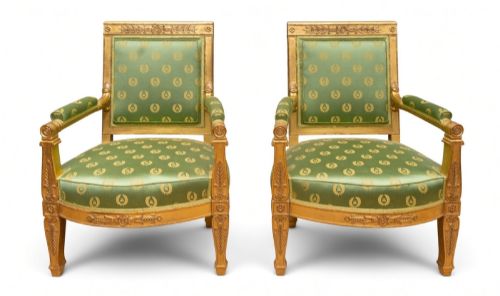
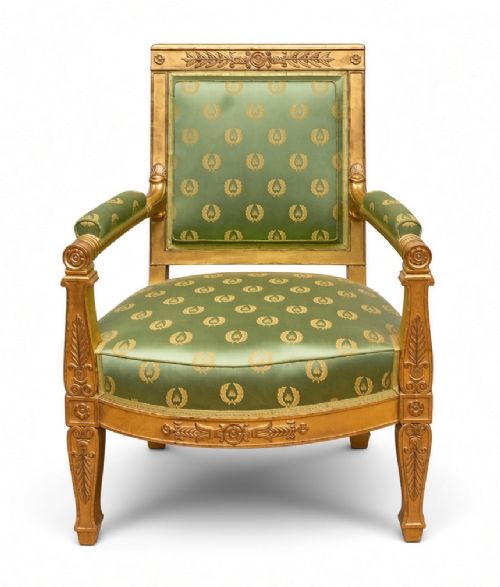
A court supplier once delivered seat furniture straight from the Tuileries Palace, ensuring royal gilding found its way into later collections.
The Measure of Quality
Quality rests in the crispness of the hand-carved gesso and wood beneath the gold leaf, where deep, undercut relief separates superior frames from soft, mass-produced mouldings. The integrity of the original gilding surface, showing natural toning rather than harsh overpainting, dictates the standing of a piece.
Structural harmony also defines better examples, such as console tables where the marble top fits precisely into the carved giltwood rail without gaps. On lacquer pieces, the depth of the finish and the finesse of the hand-drawn gilded figures determine the grade of the work.
Jacob Desmalter
The Antique Gilded Furniture Glossary
- Giltwood
- Wood, typically oak, pine, or lime, that has been coated with gesso and covered in gold leaf. It forms the structural base for much formal continental seating and console tables.
- Gesso
- A mixture of plaster of Paris or chalk with glue, used to coat wood surfaces before gilding. It provides a smooth white ground that holds sharp carved details.
- Console table
- A table designed to stand against a wall, frequently supported by two front legs and secured to the wall with brackets. These often accompany matching wall mirrors.
- Chinoiserie
- European decorative style inspired by Chinese artistic traditions, featuring hand-painted motifs and gilded figures on lacquered grounds. It appears frequently on cabinets and desks from the eighteenth to the early twentieth century.
- Ormolu
- Gilded bronze or brass mounts applied to furniture edges and corners. This technique adds decorative weight and protects vulnerable wood corners.
Antique Gilded Furniture: Frequently Asked Questions
How do I clean antique gilded surfaces?
Dust surfaces gently with a dry, soft feather duster or a clean, dry artist's paintbrush to remove loose particles without disturbing the delicate gold leaf.
Avoid all water, liquid cleaners, and modern polishes, as moisture lifts gold leaf and gesso directly from the wooden substrate.
Where should I place a giltwood console table?
Console tables suit entrance halls, drawing rooms, and dining areas where they sit flush against a wall beneath a matching mirror or painting.
Keep them out of direct sunlight and away from direct heat sources to prevent the wood beneath the gesso from shrinking and cracking.
How do I identify a revival style piece?
Revival pieces combine eighteenth-century decorative vocabulary, such as C-scrolls and floral garlands, with nineteenth or early twentieth-century construction methods and secondary timbers.
Examine the backboards, interior drawer linings, and screw types to confirm the later date of manufacture despite the historic style.
What is the difference between giltwood and parcel gilt?
Giltwood describes an entire wooden frame covered completely in gold leaf over a gesso base, creating a uniform metallic appearance.
Parcel gilt indicates that only specific carved details or raised elements are highlighted in gold leaf while the primary surface remains ebonised, polished wood, or paint.