
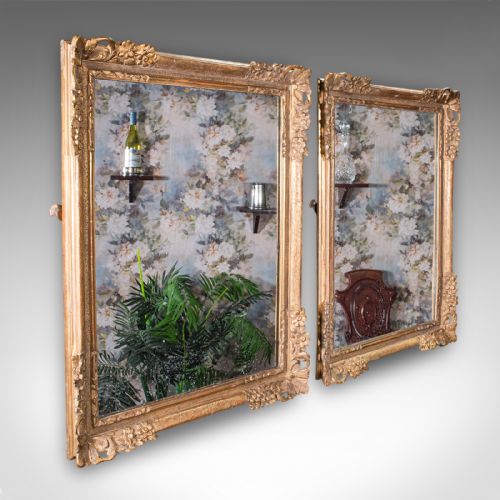
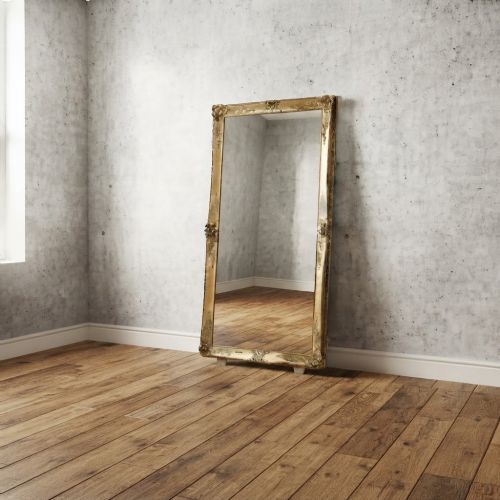
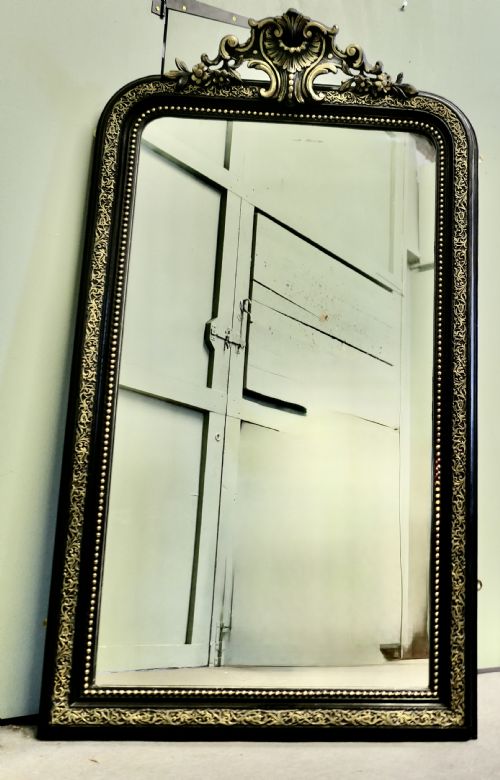
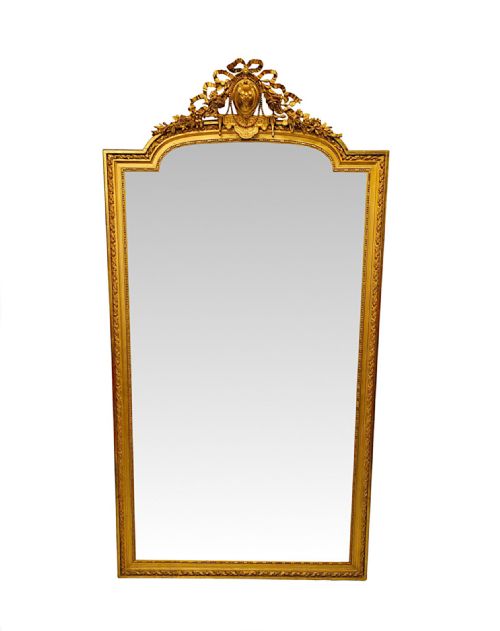
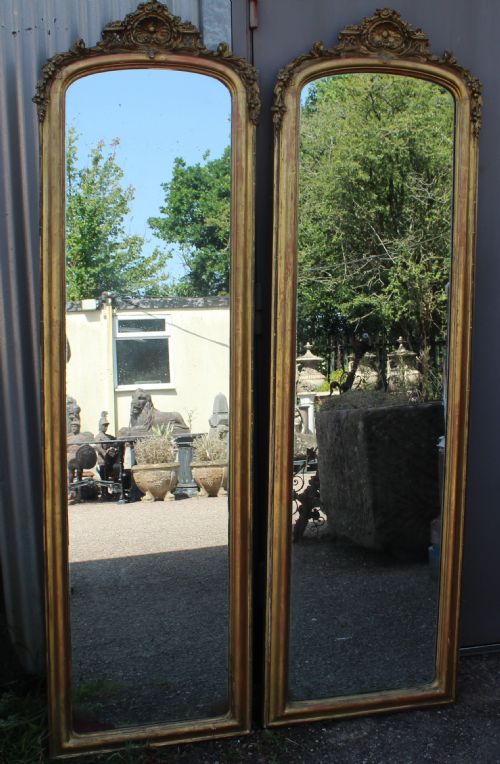
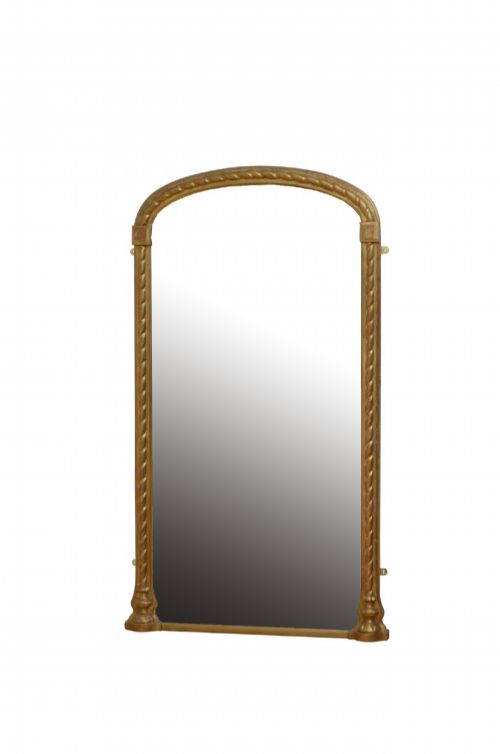
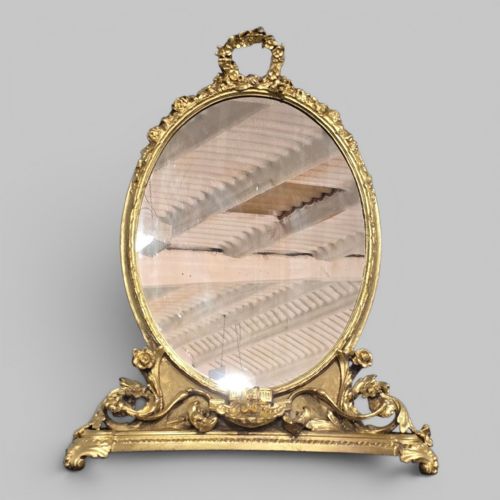
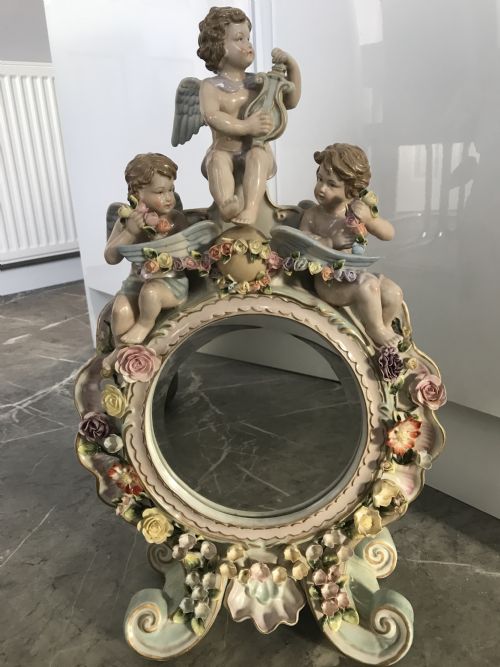
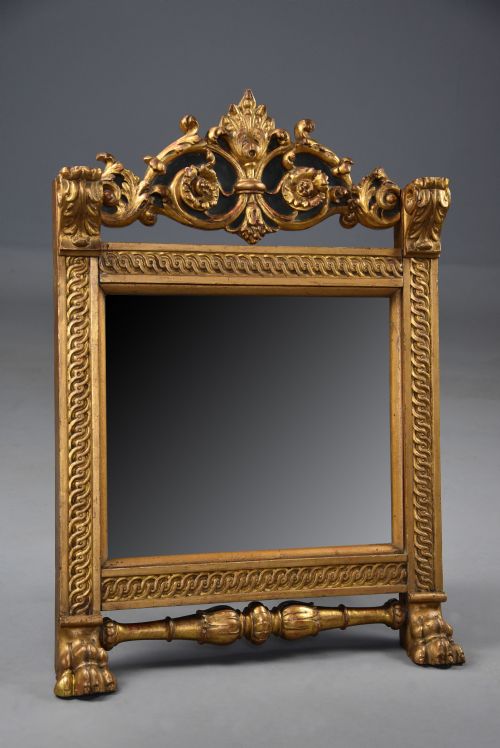


Antique Gilded Dressing Mirror
An antique gilded dressing mirror brings warmth and reflective light to a room, offering both practical use and decorative presence.
Antique Gilded Dressing Mirror
An antique gilded dressing mirror serves as a functional looking glass and a decorative focal point, originating across periods from the Regency era through to the early twentieth century. Buyers seeking this phrase encounter table models, cheval mirrors, and tall leaner pieces designed for bedrooms and dressing rooms.
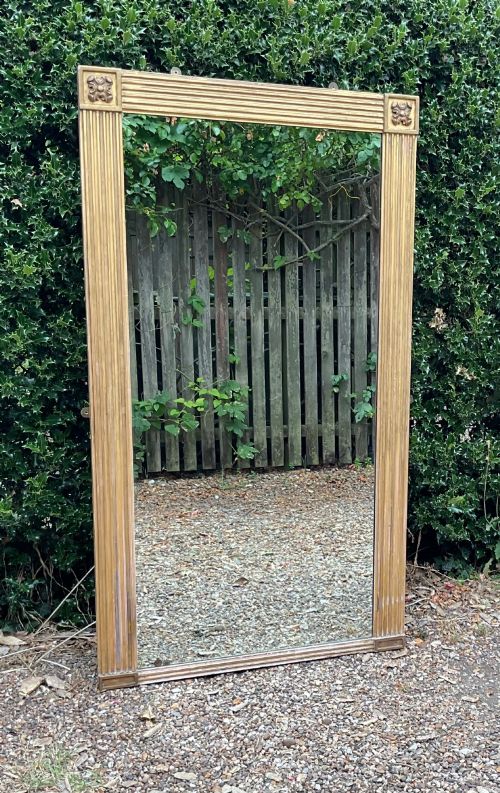
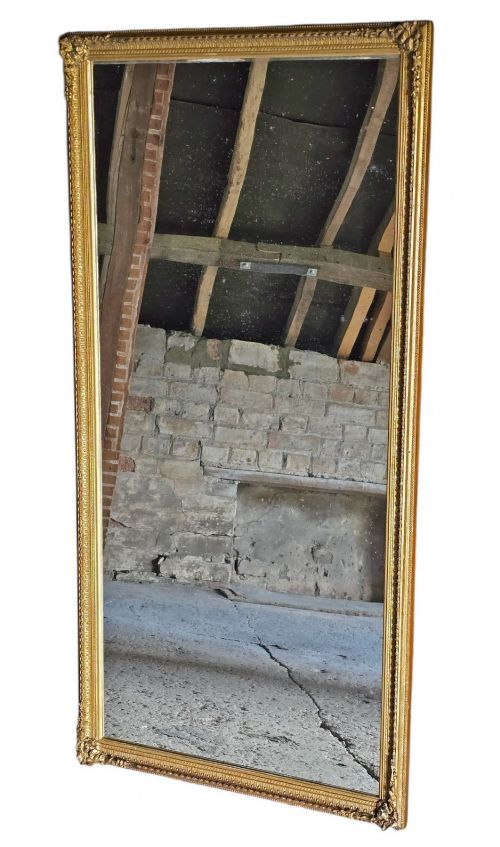
The pieces listed span styles from French Rococo Revival and Neoclassical to Victorian and Edwardian. Giltwood, gesso, and wood form the foundational structures, often finished with gold leaf or composition details.
Materials and construction methods
Carved wood and gesso provide the base for many frames, built by joining timber sections before applying intricate ornamentation. Craftsmen then laid gold leaf or composition over the prepared surface to achieve the characteristic metallic sheen.
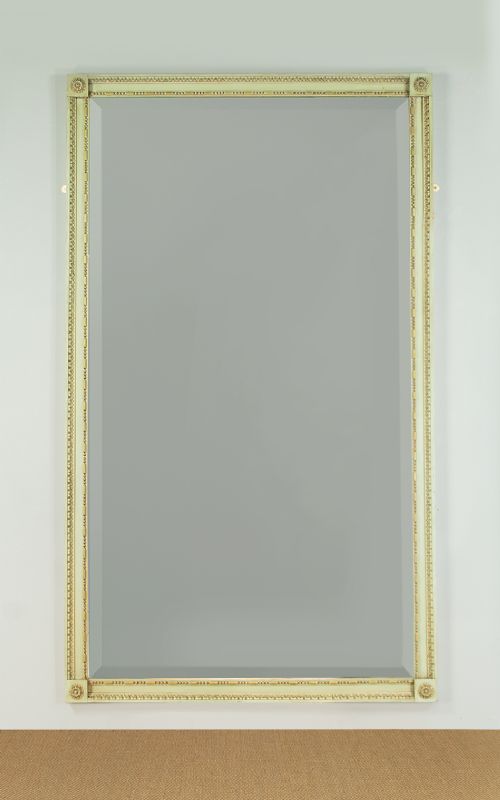
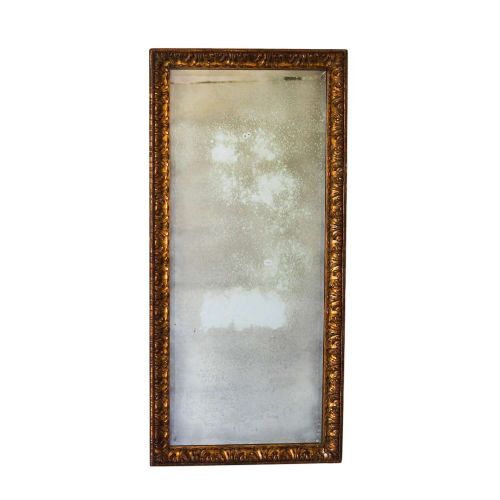
Mirror glass is set within these frames, occasionally retaining original bevelled edges or showing the subtle imperfections typical of older silvering techniques.
Listings feature items from the eighteenth century up to nineteen-ten, utilising materials such as mahogany, giltwood, and gesso in various regional styles.
Factors influencing quality
Depth and crispness of the carving separate standard frames from superior examples, particularly where gesso enrichment is applied by hand. The integrity of the original gilding and the clarity or age of the mirror glass also indicate the standard of craftsmanship.
Proportion and structural joinery define the better pieces, ensuring that tall floor mirrors and pivoting table stands remain stable and balanced.
The Antique Gilded Dressing Mirror Glossary
- Giltwood
- Wood carved and coated with gold leaf or metal powder. This finish gives the frame its luminous metallic appearance.
- Gesso
- A plaster mixture applied to wood frames to create a smooth surface for carving and gilding. It allows for intricate relief ornamentation.
- Cheval mirror
- A full-length glass mounted in a freestanding frame with pivoting pins. This design allows the mirror to tilt to various angles.
- Pier glass
- A tall mirror specifically designed to hang on the wall between windows. These pieces often sit above console tables.
- Bevelled glass
- Glass with edges cut and polished to an angled slant. This technique creates a prismatic light effect around the perimeter.
Antique Gilded Dressing Mirror: Frequently Asked Questions
How do I date an antique mirror?
Dating relies on examining the frame style, construction joints, and the backboards. Material choices and decorative motifs often align with specific periods like the Regency or Victorian eras.
The glass itself provides clues, as older plates can show subtle distortion, oxidation, or hand-bevelling that differs from modern manufacturing methods.
Where should I place a dressing mirror?
These mirrors function effectively in bedrooms, dressing rooms, and hallways to reflect natural light and create a sense of space. Floor-standing and leaner versions require sturdy walls or stable floor contact.
Tabletop variations sit securely on dressing chests or console surfaces, positioned to catch ambient room light.
What is the difference between a pier mirror and a dressing mirror?
Pier mirrors were originally scaled to hang on narrow wall spaces between architectural openings or windows. They often paired with console tables in reception rooms.
Dressing mirrors focus on personal grooming, appearing either as smaller pivoting table glasses or full-length cheval and floor standing formats.
How do I care for antique gilded surfaces?
Gilded surfaces require gentle dusting with a soft, dry brush to prevent damage to the delicate gold leaf or composition layer. Moisture and harsh cleaning agents should be avoided entirely.
Glass panels can be cleaned using a minimal amount of glass cleaner applied to a cloth rather than sprayed directly onto the mirror, protecting the surrounding frame.