

Antique Georgian Furniture Pair
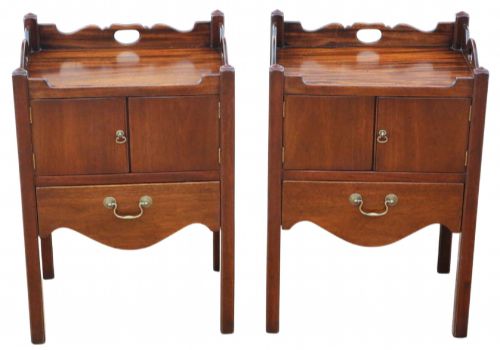
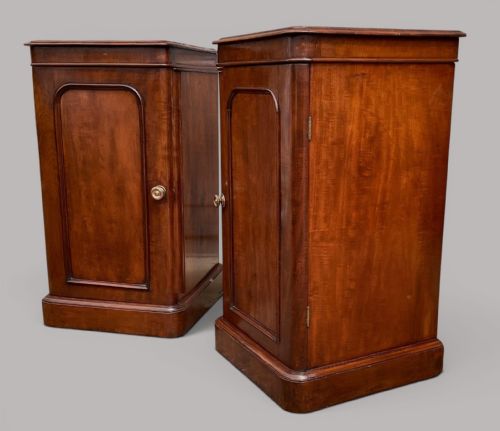
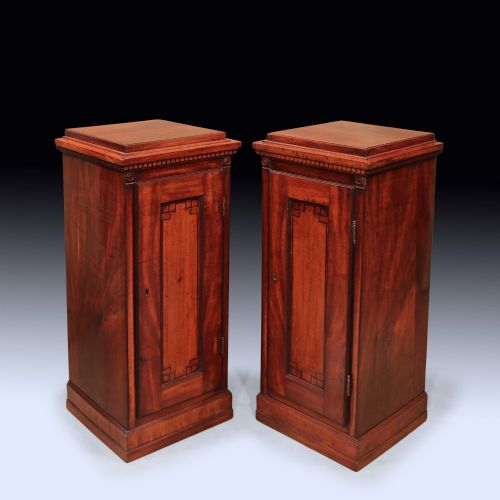
When buying an antique georgian furniture pair, you secure matched proportions and balanced symmetry for a room.
Antique Georgian Furniture Pair
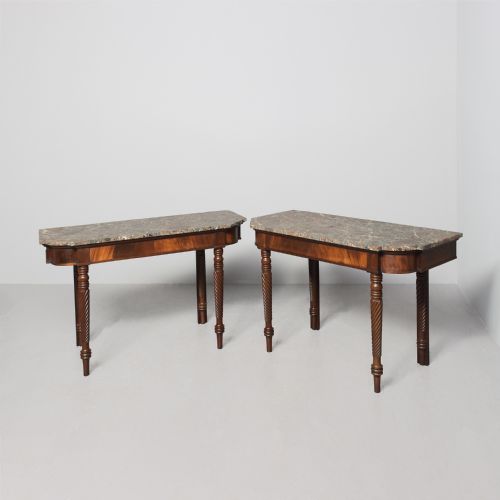
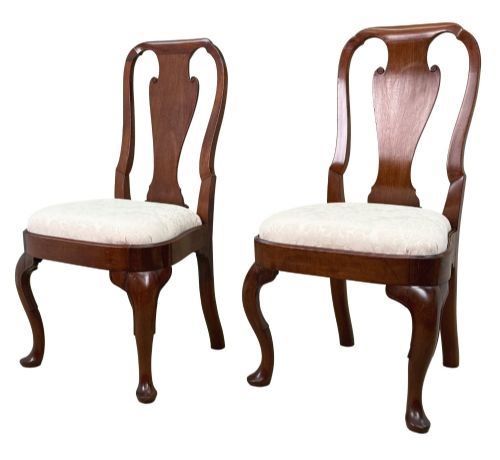
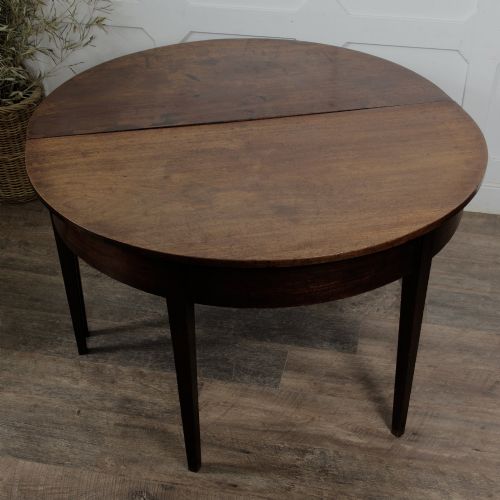
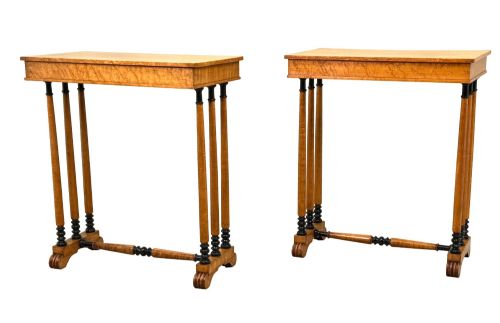
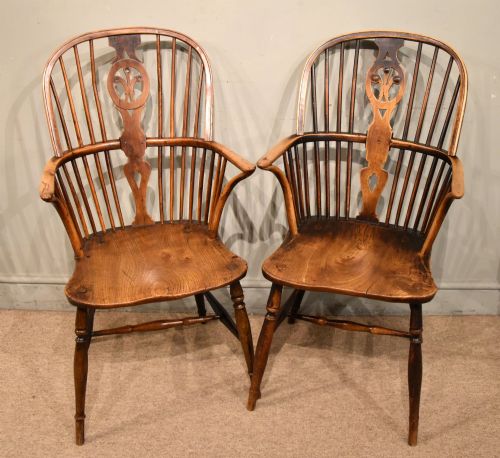
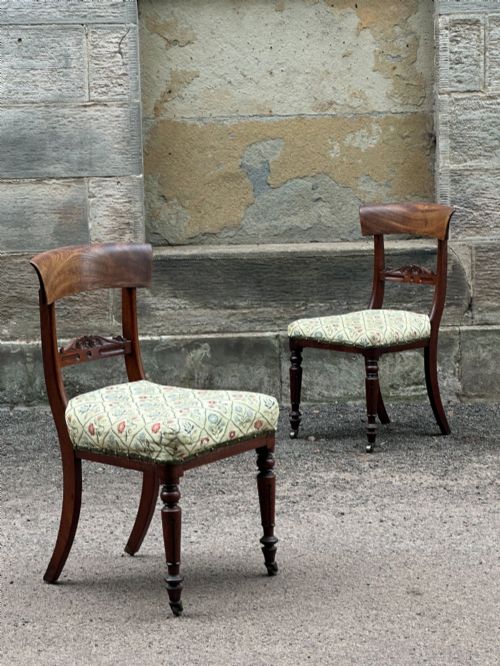
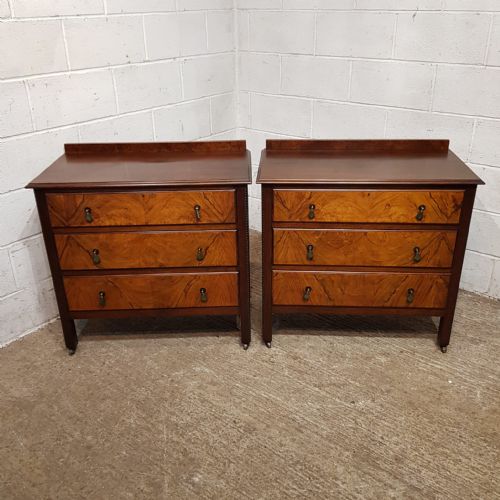
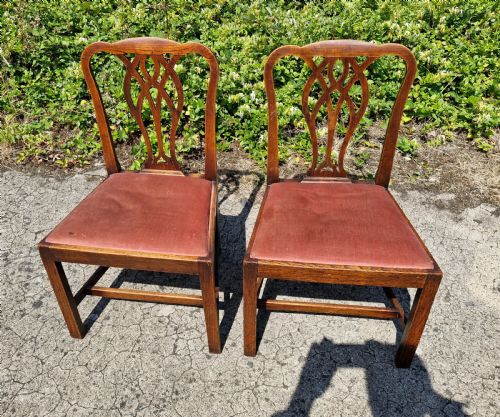
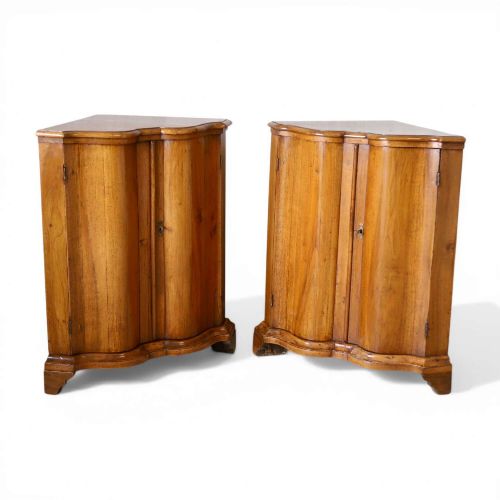
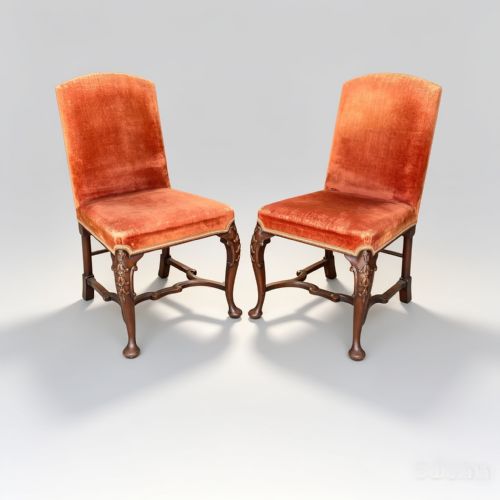
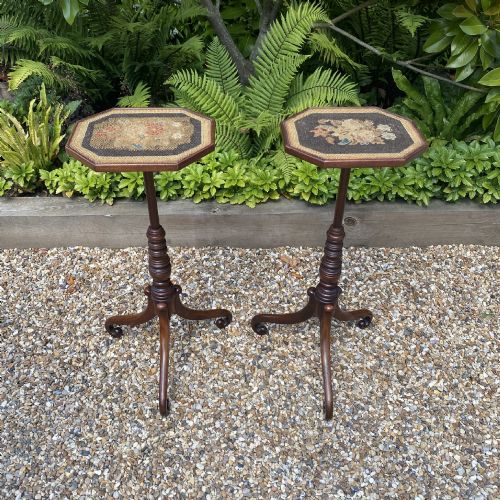
An antique georgian furniture pair comprises matched seating, tables, or cabinets originating from the eighteenth and early nineteenth centuries, alongside later revival iterations.
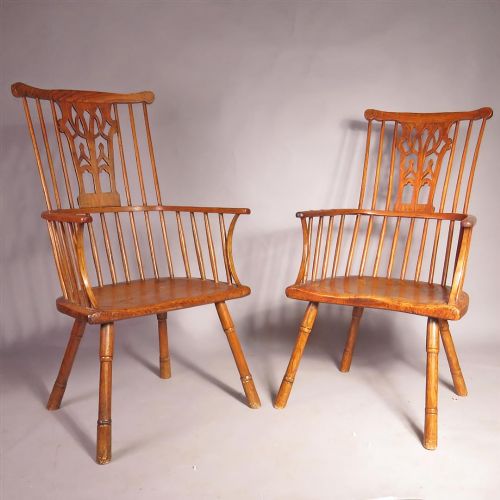
Seating forms such as side chairs, armchairs, and stools dominate the selection, accompanied by occasional tables, console tables, and bedside cabinets.
Examples span foundational walnut and oak items from the early periods through to mahogany, rosewood, and satinwood pieces of the Regency and later revival eras.
Materials and construction
Makers utilised dense hardwoods including mahogany, walnut, and elm, often pairing them with decorative veneers such as satinwood, burr walnut, and birdseye maple.
Brass inlay, marquetry, and carved detailing augmented timber structures, whilst secondary elements frequently incorporated softer woods and traditional joinery.
Marble tops and leather inserts appeared on select tables and commodes, adding tactile contrast to polished wooden surfaces.
Several items retain their original brass candle stands designed to illuminate card games.
Assessing quality in pairs
Subtlety in carved ornamentation and the precision of matched timber grain dictate the standing of a pair, separating standard functional items from masterworks.
The degree of synchronicity between the two pieces governs their value, as true matching pairs display identical hand-cut joinery and uniform ageing across both objects.
Originality of surface finish and hardware preserves historical integrity, whereas heavily altered or mismatched components diminish the harmony inherent to the pairing.
Holland and Sons·Strahan of Dublin
The Antique Georgian Furniture Pair Glossary
- Demilune
- A half-moon shape utilised for console and side tables designed to sit flush against a wall.
- Tambour
- A flexible shutter door constructed from narrow strips of wood glued to a canvas backing.
- What-not
- A set of open display shelves supported by slender vertical columns, popular during the Regency period.
- Giltwood
- Timber that has been coated with a thin layer of gold leaf or gold paint for decorative effect.
- Comb-back
- A traditional chair design where the spindles of the back extend up through a crest rail, resembling a comb.
Antique Georgian Furniture Pair: Frequently Asked Questions
How do I care for antique wood?
Maintain stable indoor humidity levels and keep wooden surfaces away from direct heat sources to prevent timber shrinkage and veneer lifting. Apply natural beeswax periodically to nourish the grain without building up synthetic residues.
Avoid chemical cleaning sprays and damp cloths, opting instead for a soft, dry duster to remove surface particles safely.
Are matched pairs harder to find?
Surviving as a pair over centuries proves difficult because items often became separated through inheritance, house moves, or damage to one component. Surviving sets command greater attention from collectors seeking symmetry.
Later revival periods produced intentional pairs from the outset, offering uniformity built to replicate earlier proportions.
What distinguishes Regency from Georgian?
The Georgian period encompasses the reigns of the four King Georges, spanning a broad sweep of eighteenth-century design evolution from walnut solids to elaborate mahogany carving. Regency style represents the subsequent phase during the early nineteenth century.
Regency pieces often draw heavily on classical Greek and Roman motifs, incorporating brass inlay, rosewood, and exotic veneers.
Can I use bedside cabinets today?
Bedside cabinets and small cupboards adapt readily to modern bedrooms, offering concealed storage for contemporary lighting and personal items. Their compact footprints suit modest spaces.
Ensure surfaces are protected from moisture by using coasters beneath drinking glasses to safeguard historic polish.