


Antique Georgian Fruit Basket
These pieces for an antique georgian fruit basket bring the refined craftsmanship of the eighteenth and early nineteenth centuries directly to the table.
Antique Georgian Fruit Basket
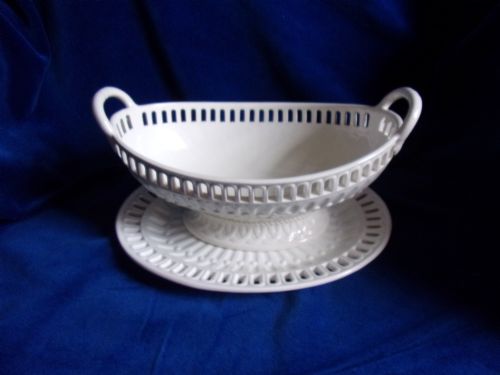
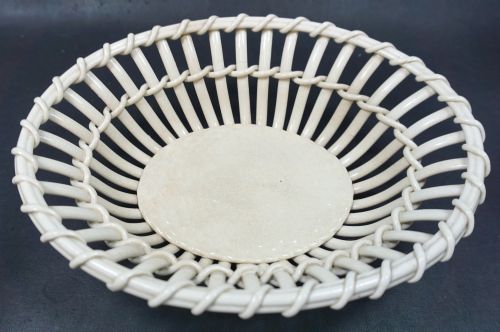
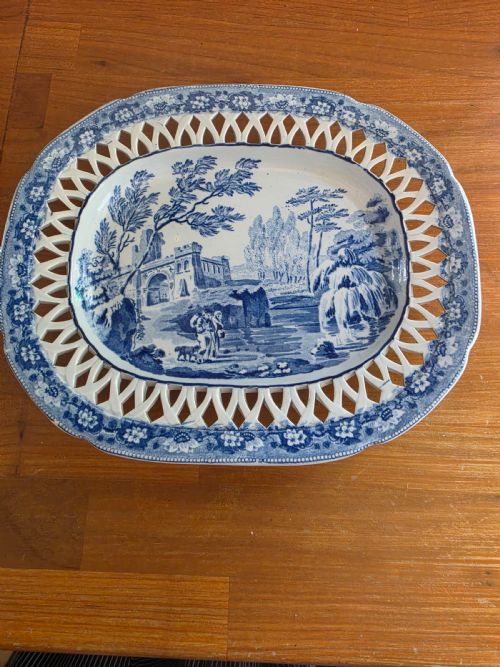
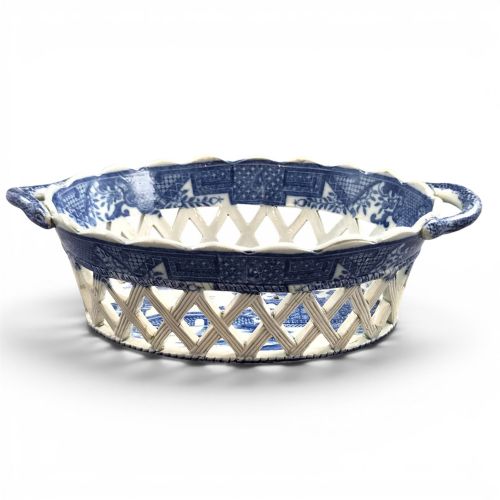
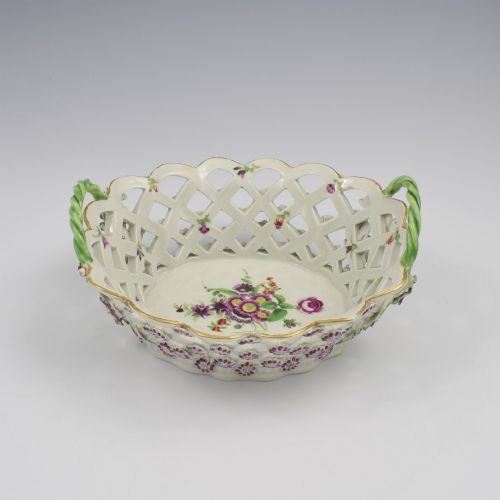
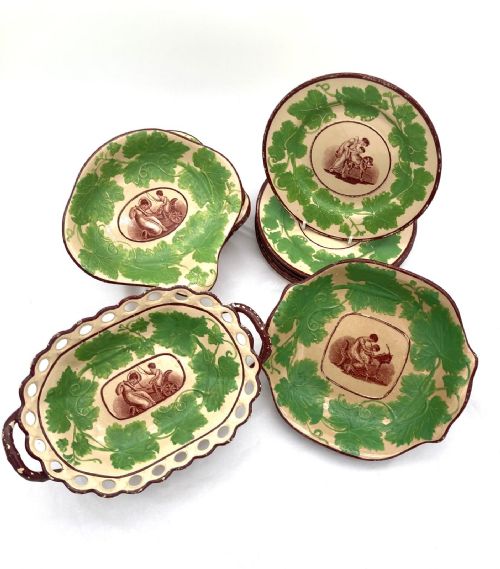
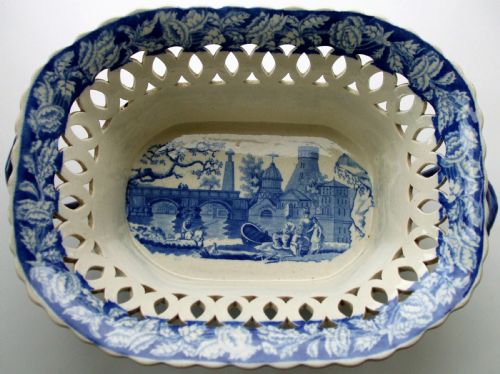
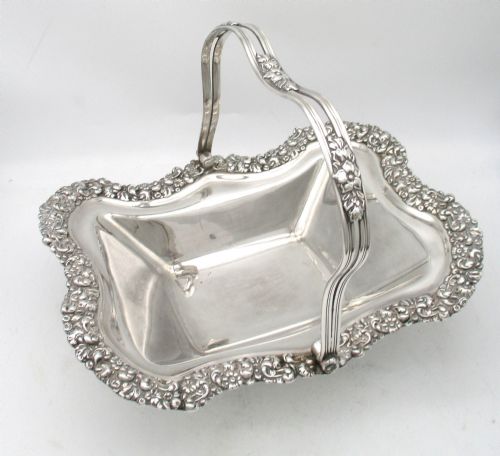
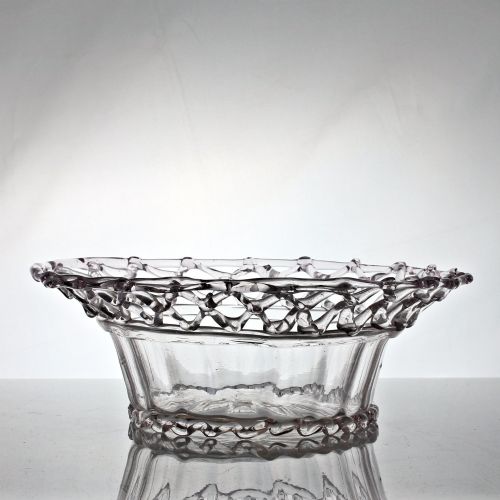
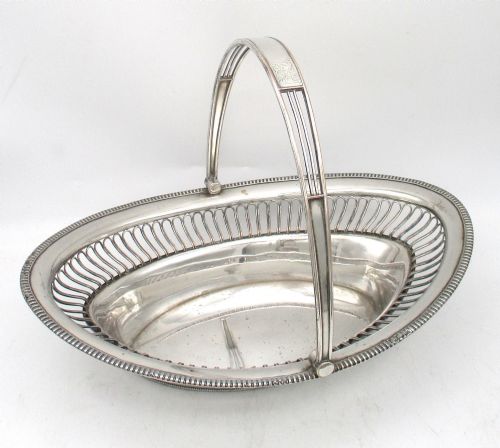
When searching for an antique georgian fruit basket, collectors encounter pieces designed to hold and present fresh produce during formal dining services. These items include specialised chestnut baskets, reticulated earthenware bowls, and matching stands.
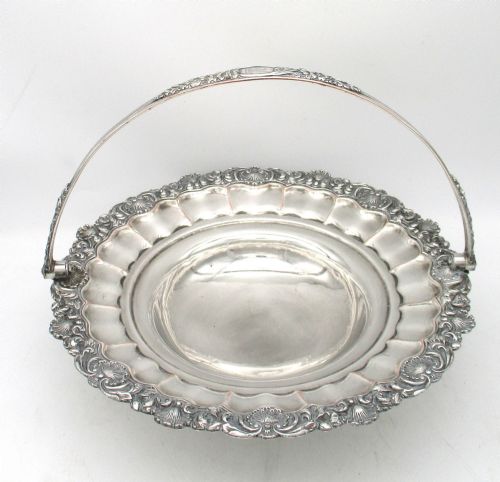
The selections span the eighteenth century into the Regency and Victorian periods, often taking the form of pierced or lattice-worked vessels intended for display. Alongside ceramic forms, metalwork examples in Old Sheffield plate and sterling silver appear frequently.
Originating primarily from English potteries such as Worcester, Spode, and Davenport, these vessels reflect the dining customs of their eras. Buyers also find continental porcelain and Chinese export wares alongside domestic creamware and pearlware.
Materials and construction
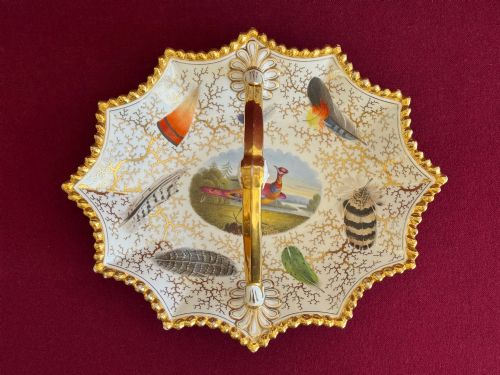
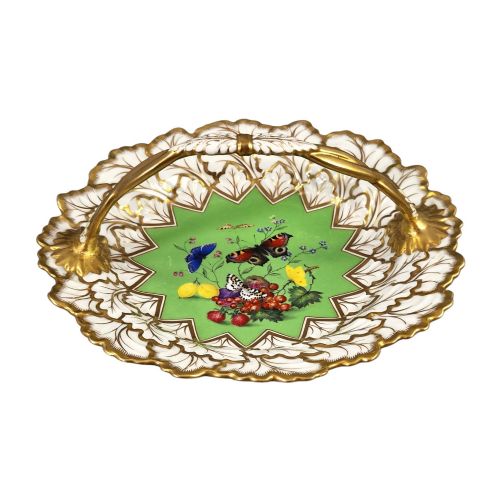
Pottery and porcelain examples rely on moulded and hand-pierced earthenware, creamware, or bone china, often finished with transfer printing or polychrome enamel painting. Kiln techniques of the period produced intricate reticulated walls and applied floral motifs.
Metal vessels utilise Old Sheffield plate, fusing a thin sheet of silver onto a copper core, or employ solid sterling silver worked into wirework baskets. Silversmiths shaped these metals through hammering, piercing, and soldering to create lightweight structural openwork.
Antique Georgian Fruit Basket Retail Price Guide 2026
Typical asking prices for georgian fruit basket among the pieces listed under this phrase on Sellingantiques today, from the lower quarter to the upper quarter. They describe what is for sale here now, not the wider market.
Listings feature items spanning the eighteenth, nineteenth, and twentieth centuries, incorporating both ceramic and Old Sheffield plate materials.
Distinctions in quality
The clarity of transfer printing and the precision of hand-cut piercing set finer ceramics apart from simpler utilitarian wares. Factory marks from established makers indicate higher standards of paste preparation and glaze application.
In metalwork, the integrity of the silver layer over the copper base and the crispness of wirework assembly determine the piece's standing. Weight, balance, and the preservation of original crests or engraving also separate superior examples from standard items.
Flight, Barr and Barr·Thomas Beach·Wedgwood·Spode·Dr Wall Worcester·J. and R. Clews·Mason·John Hunt·Fenton
The Antique Georgian Fruit Basket Glossary
- Chestnut basket
- A specialised covered or open vessel designed for serving chestnuts or fruit at the conclusion of a meal. These pieces frequently include matching underplates.
- Old Sheffield plate
- An early composite material made by fusing a thin layer of silver to a copper base. This technique preceded modern electroplating.
- Pearlware
- A fine earthenware developed in the late eighteenth century featuring a bluish glaze that pooled in recesses to mimic Chinese porcelain.
- Reticulated
- Describes pottery or porcelain decorated with an openwork lattice pattern formed by cutting through the clay before firing.
- Creamware
- A refined, pale yellow earthenware perfected by English potters during the eighteenth century. It served as a lighter alternative to heavier salt-glazed stonewares.
Antique Georgian Fruit Basket: Frequently Asked Questions
What were antique fruit baskets used for?
These baskets served during the dessert course of formal meals to hold fresh fruit, nuts, or roasted chestnuts. They stood at the centre of the table as decorative display pieces.
Wealthy households utilised matching ceramic or metal services to present seasonal produce to guests. The pierced sides allowed air circulation around delicate fruits.
How do I clean old silver and plate?
Old Sheffield plate and silver require gentle cleaning with a soft cloth and a specialised non-abrasive silver polish. Harsh scrubbing will wear away the thin silver layer on plated items.
Store these pieces in dry conditions away from direct sunlight and humidity to prevent tarnishing. Handle wirework items carefully to avoid bending the delicate metal strands.
Can these baskets hold food safely?
Most collectors treat antique ceramics and metalware as display objects rather than functional tableware. Fine glaze craquelure and worn silver plating make modern food use impractical.
Displaying them on sideboards or within cabinets preserves the remaining glaze and structural integrity. Dry fruit or artificial decoration can be placed inside without causing moisture damage.