

Antique Geometric Textile
When you search for an antique geometric textile, you enter a world of tribal weaving traditions stretching from Persia to Central Asia.
Antique Geometric Textile
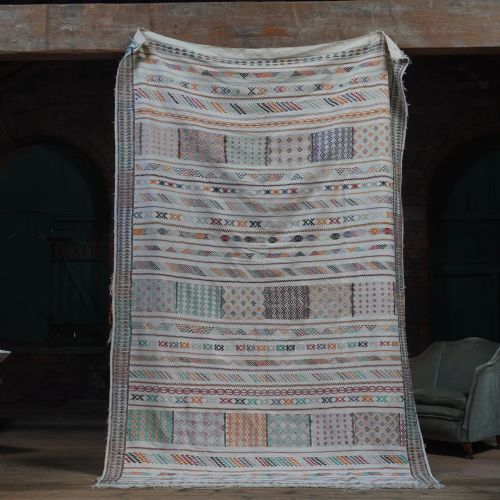
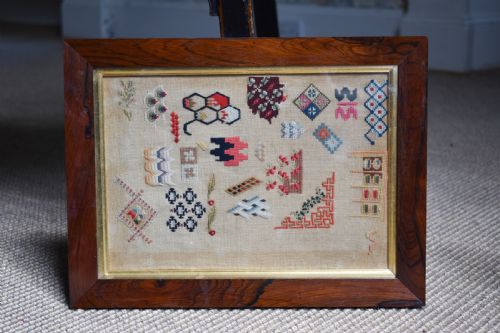
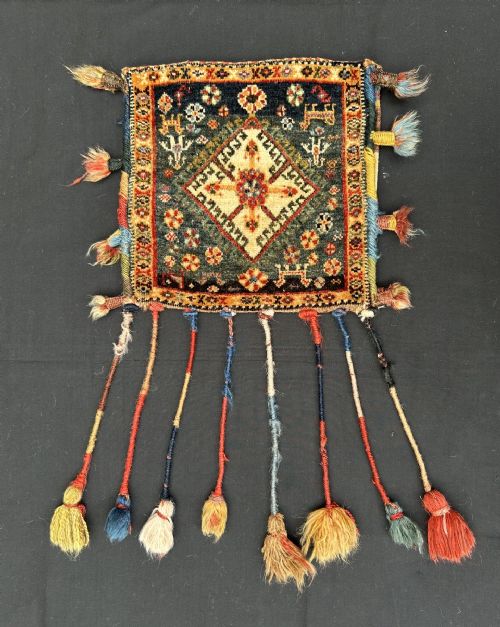
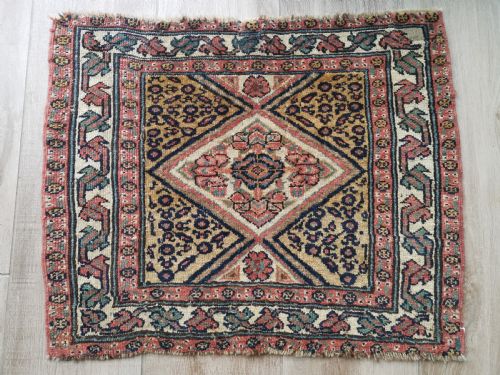
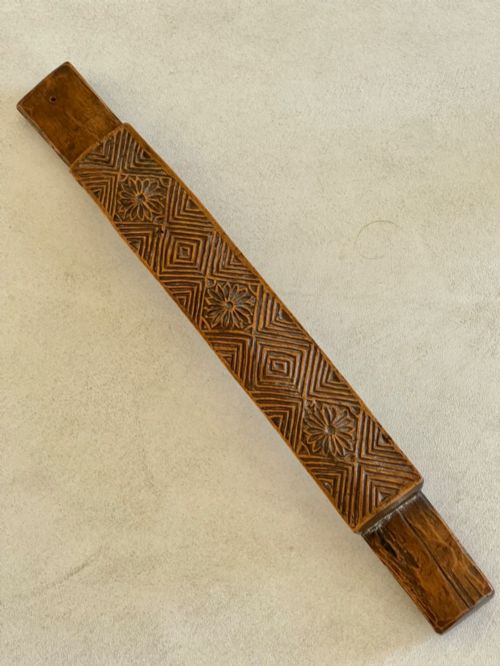
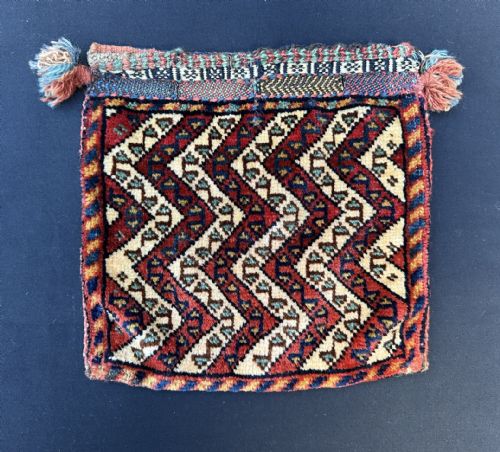
An antique geometric textile typically takes the form of utilitarian objects created by nomadic and tribal groups, including saddle bags, storage sacks, rugs, and wall hangings. These pieces span the nineteenth and early twentieth centuries, originating from regions such as Persia, Azerbaijan, and Turkmenistan.
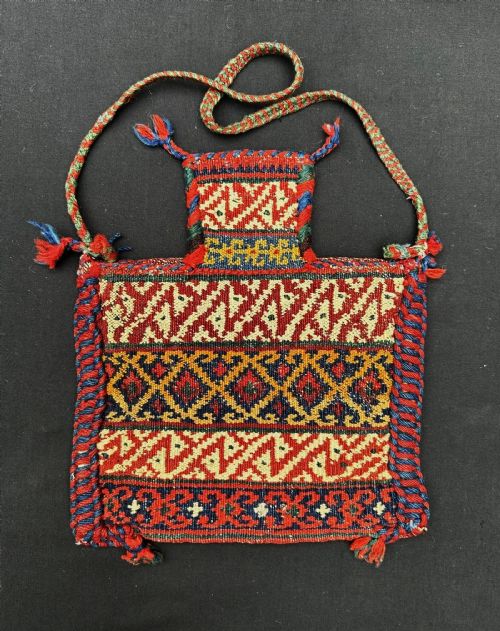
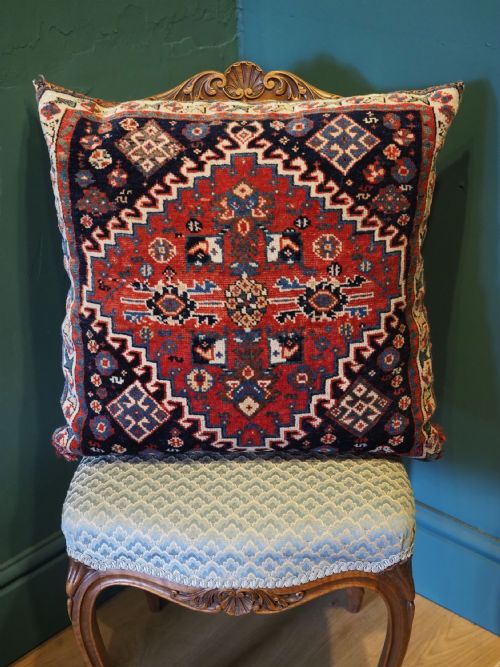
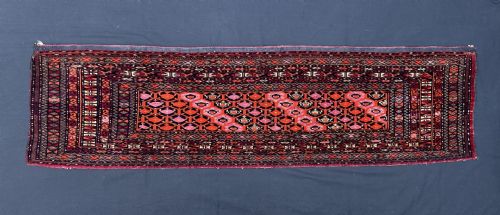
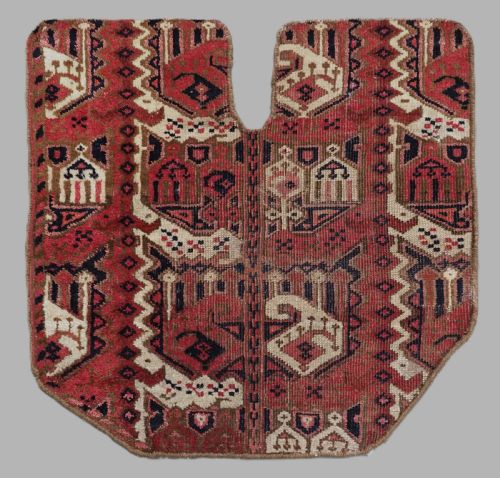
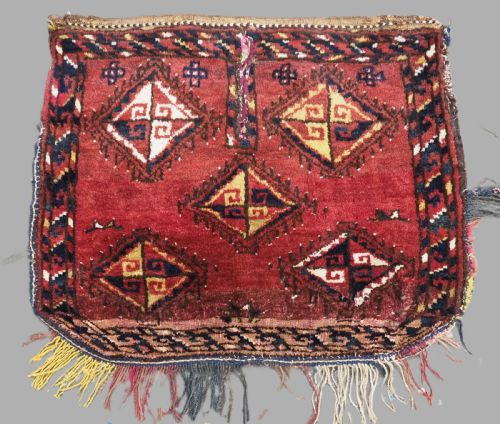
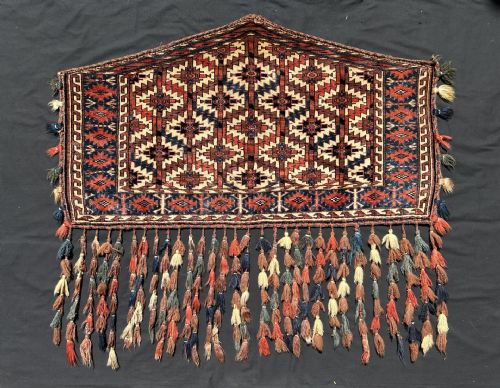
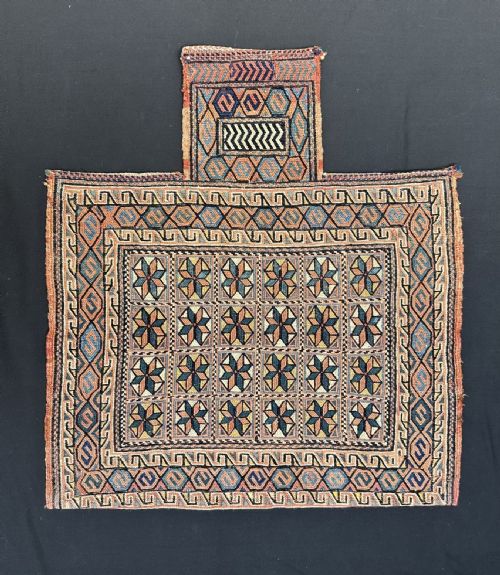
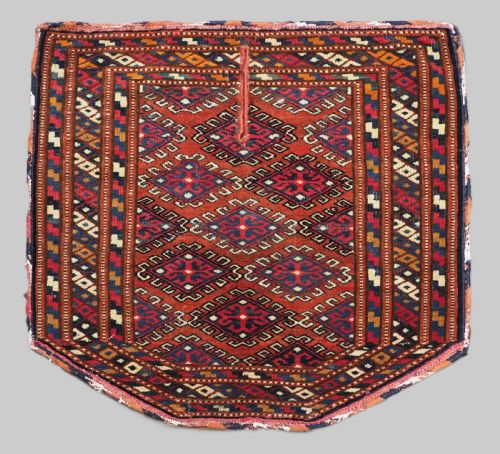
Buyers will encounter specific tribal formats on this page, such as Turkmen torba faces, Afshar salt bags, and Qashqa'i saddle bag cushions. These items served practical daily functions within nomadic camps before entering the decorative market.
The aesthetic relies heavily on angular motifs, repeating medallions, and tribal patterns unique to specific confederations like the Yomut, Ersari, and Shahsevan. Such designs distinguish regional weaving traditions from city workshops of the same eras.
How they were made
Weavers relied on hand-spun wool, cotton, and occasionally felt, utilising natural dyes to achieve rich, enduring colour palettes across the surface of each textile. Foundation materials often combined wool and cotton to ensure structural resilience for heavy daily use.
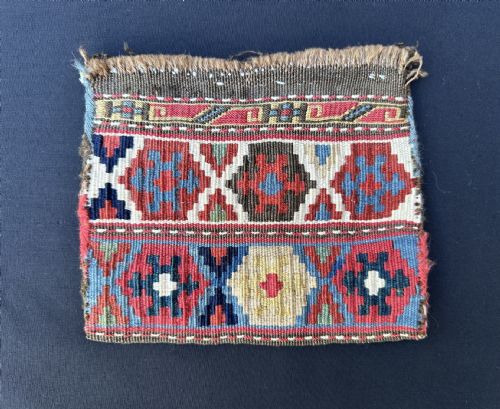
Construction techniques varied from pile knots to flatweave structures such as sumac and plain weave, depending on whether the item was intended as a floor covering or a storage container. Artisans also integrated decorative elements like original tassels and embroidered details.
Listings feature items from nineteenth and early twentieth-century tribal groups, spanning Persian, Caucasian, and Central Asian origins.
What varies in quality
Quality rests upon the precision of the tribal weave, the complexity of the geometric layout, and the depth achieved through natural dye use. Tighter knotting and well-preserved structures separate exceptional utilitarian objects from standard examples.
The survival of original elements, such as tassels, plain weave backs, and complete borders, elevates the standing of a piece within its specific tribal group.
The Antique Geometric Textile Glossary
- Torba
- A small storage bag produced by Turkmen tribes, traditionally hung inside a tent to store household items. These pieces often feature characteristic gull motifs and border patterns.
- Sofreh
- A spread or cloth used for eating dough preparation or sharing meals among nomadic families. They typically feature striking minimalist geometric fields.
- Sumac
- A flatweave technique involving wrapping supplementary weft threads around the warp to create a durable, textured surface. This method was widely used by Shahsevan weavers.
- Khorjin
- A pair of saddlebags designed for transport on animals, featuring interconnected faces that were slit apart over time. Collectors prize surviving intact pairs.
- Asmalyk
- A pentagonal trapping used on camel caparisons during wedding processions in Central Asian tribal cultures. Yomut examples are particularly recognised for their distinctive shapes.
Antique Geometric Textile: Frequently Asked Questions
What is a tribal bag face?
A tribal bag face is the decorative front of a utilitarian storage sack created by nomadic weavers for carrying possessions. These panels were removed from their original backs over time to be preserved as standalone decorative art.
They display the most concentrated examples of tribal design, often featuring medallions or repeat patterns specific to the weaving group.
How do I identify Turkmen weavings?
Turkmen pieces are identified by their distinct palette of reds and oranges, combined with geometric gul motifs arranged in strict repeating rows. These textiles often originate from tribes such as the Yomut, Ersari, and Tekke.
Items range from tent door rugs to small torba faces and asmalyk trappings produced across Central Asian steppes.
How should I care for a textile?
Display these textiles away from direct sunlight to protect natural dye colours from fading over time. Gentle vacuuming through a mesh screen helps remove dust without damaging fragile wool or cotton foundations.
Professional cleaning should be utilised when necessary, avoiding harsh chemical treatments that harm antique fibres.