


Antique Gentleman Portrait Artwork
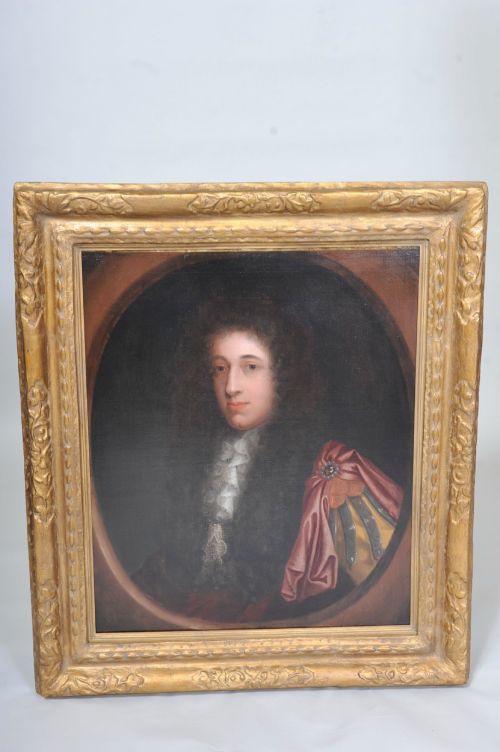
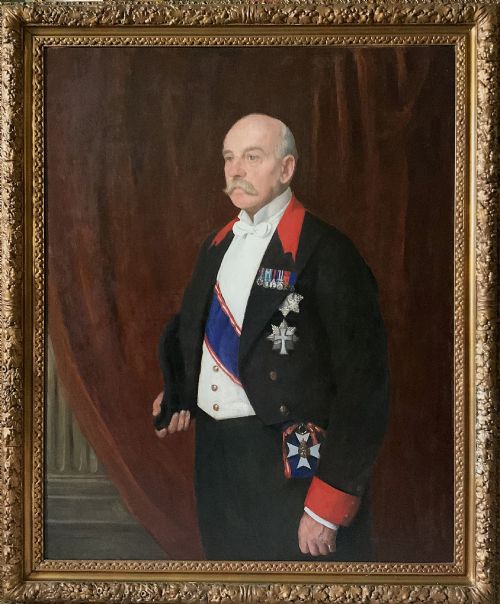
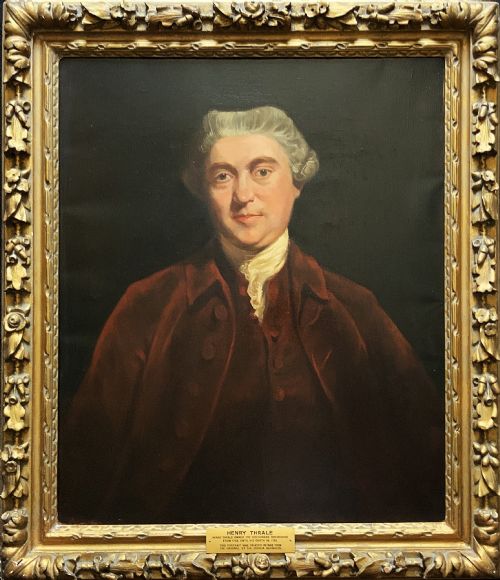
Antique gentleman portrait artwork captures centuries of character in oil, canvas, and giltwood.
Antique Gentleman Portrait Artwork
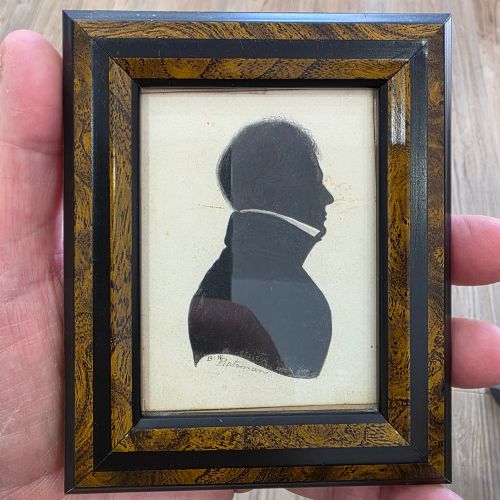
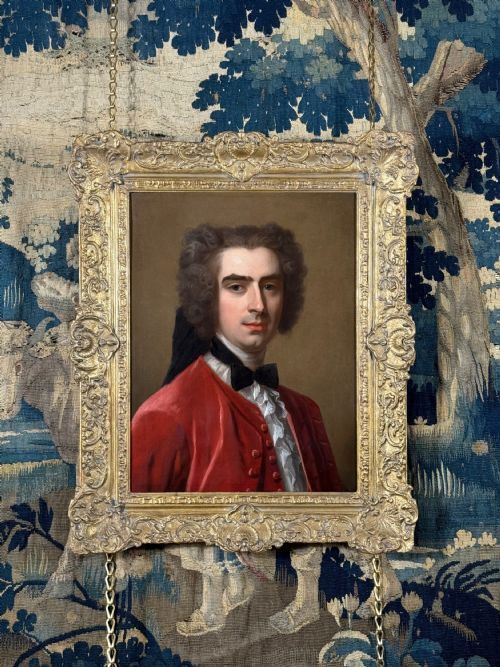
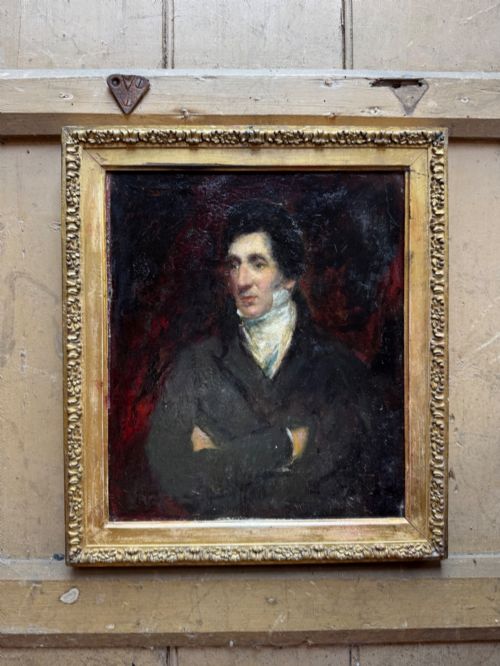
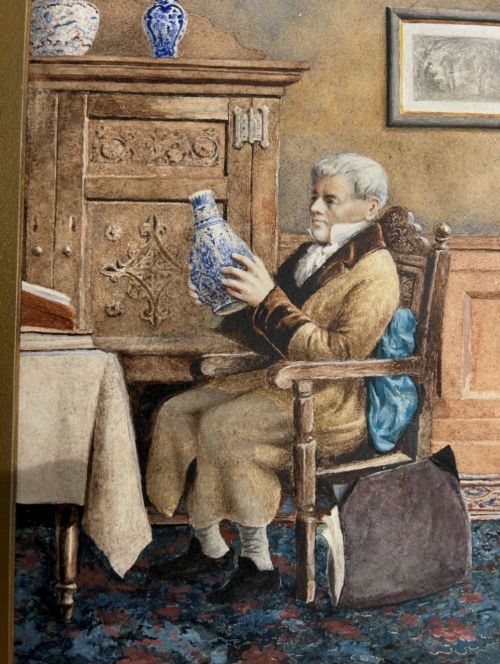
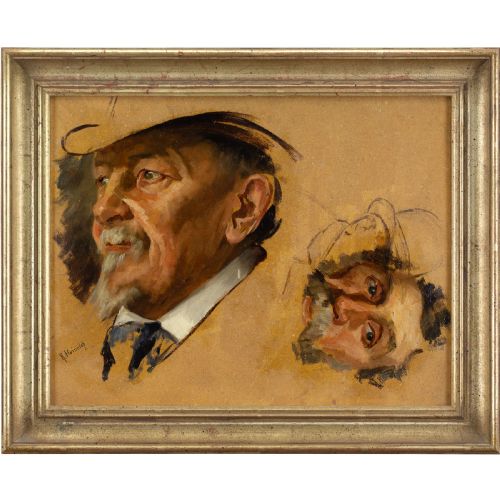
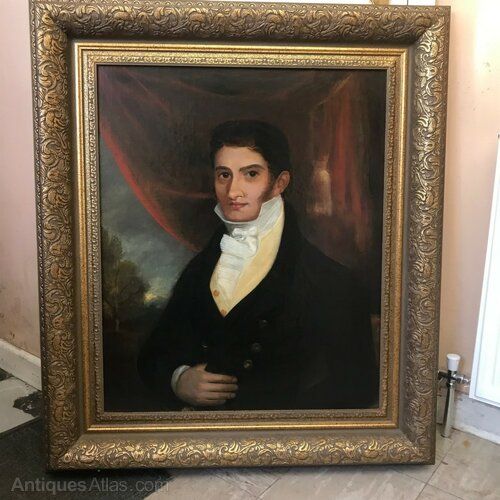
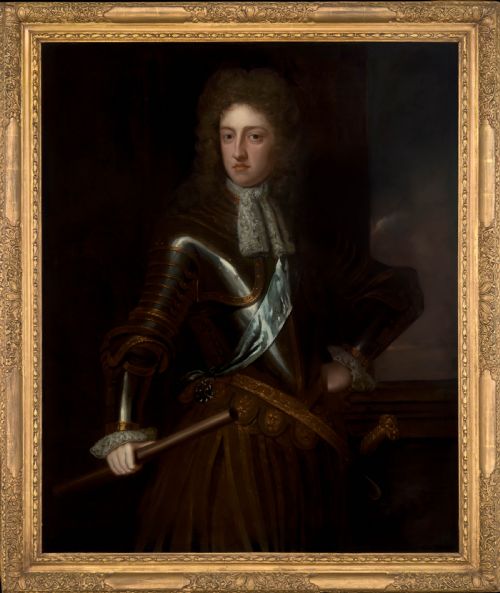
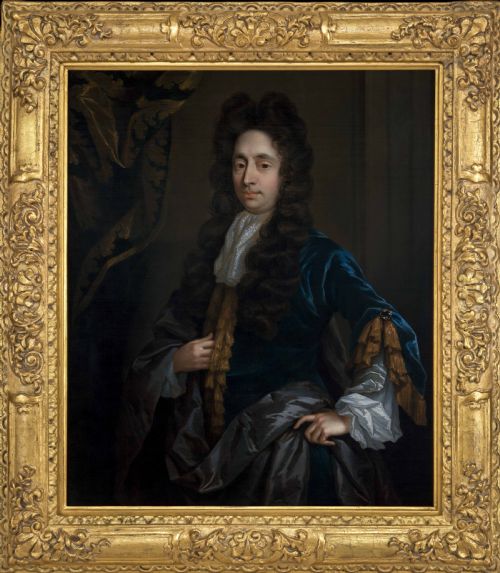
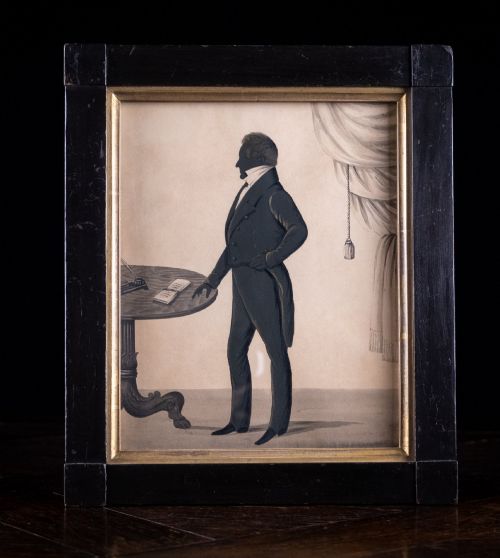
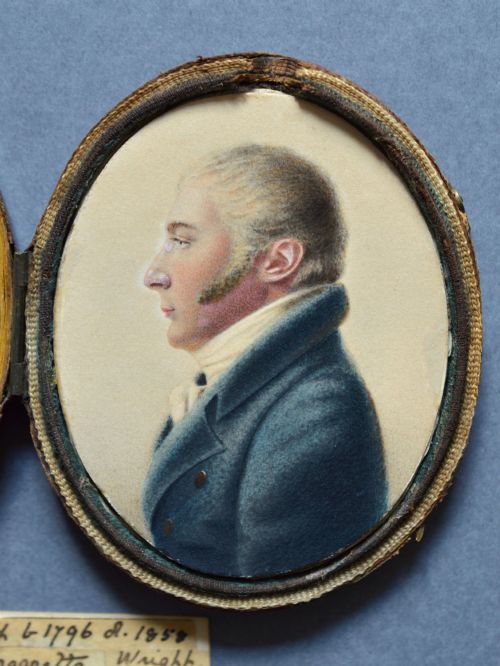
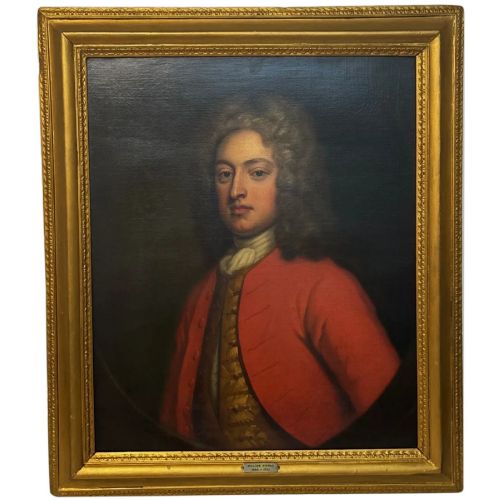
An antique gentleman portrait artwork is a painting, drawing, or silhouette depicting a male subject from past centuries. These works range from small domestic watercolours to monumental oil canvases depicting officers, judges, and private citizens. The examples found on this page span the seventeenth, eighteenth, and nineteenth centuries, alongside Edwardian and Victorian pieces.
Oil on canvas remains the dominant medium on this page, accompanied by watercolours, paper works, and silhouettes. Portrait paintings depict subjects from British, Dutch, French, and German schools, showcasing distinct regional costume and painterly traditions. Buyers encounter everything from modest framed artworks to large civic oil paintings.
How they were made
Watercolour paintings and silhouettes on paper utilised fine brushes and ink, sometimes augmented with gold leaf highlights. Portraitists worked either from direct observation or within established studio traditions, employing assistants for drapery and background elements.
Listings feature oil paintings on canvas alongside watercolours, paper works, and silhouettes spanning the seventeenth to the twentieth centuries.
What varies in quality
The sophistication of brushwork and the psychological depth of the sitter separate standard works from superior examples. Master portraitists captured facial expression, texture in lace and coats, and natural lighting with distinct anatomical precision.
The integrity of the original canvas, the presence of historical framing in giltwood, and documented attribution to a known school or artist elevate the standing of a piece.
Jean-Baptiste Van Loo·Sir Godfrey Kneller·Constantyn Netscher·Mary Beale·Charles Jervas·John Michael Wright·Sir William Beechey
The Antique Gentleman Portrait Artwork Glossary
- Giltwood
- Wood carved and coated with thin gold leaf or gold powder. This material frequently frames formal oil paintings from the seventeenth and eighteenth centuries.
- Silhouette
- A solid dark profile portrait cut from paper or painted. These works often appear framed in early nineteenth-century contexts.
- Studio of
- A term indicating a work produced by assistants or pupils under the direct supervision of a master artist. It reflects the workshop practices of the period.
- Oil on canvas
- Pigment mixed with drying oil applied to a woven fabric support. This combination allowed artists to create rich colour depth and durable surfaces.
Antique Gentleman Portrait Artwork: Frequently Asked Questions
How do I date an antique portrait?
Dating relies on the sitter's costume, wig style, and facial hair, alongside the stretcher construction and canvas type. Frame styles and artist signatures also provide reliable chronological markers.
Paintings from the seventeenth century often feature elaborate lace collars and dark, restrained backgrounds, while eighteenth-century works introduce brighter coats and looser brushwork.
What is the difference between studio and follower pieces?
A work from the studio of an artist was produced in their workshop under their direct oversight, often incorporating the master's own composition. A follower painted later in the style of that master.
Studio pieces generally carry closer stylistic ties to the named artist than works attributed merely to a circle or follower.
How should I hang an oil portrait?
Hang oil portraits away from direct sunlight and fluctuating heat sources to protect the canvas and paint layers. Ensure the wall fixings can support the weight of heavy wooden and giltwood frames.
Maintaining stable room humidity prevents the canvas from slackening and protects the wooden stretcher from warping over time.
Can I clean a painted canvas safely?
Surface dust can be removed gently with a soft, dry brush, but deeper cleaning requires a professional conservator. Household cleaning agents damage old varnish and disrupt original pigment layers.
Professional intervention ensures that accumulated grime is lifted without stripping the delicate glazes applied by the original artist.