

Antique Genre Portrait
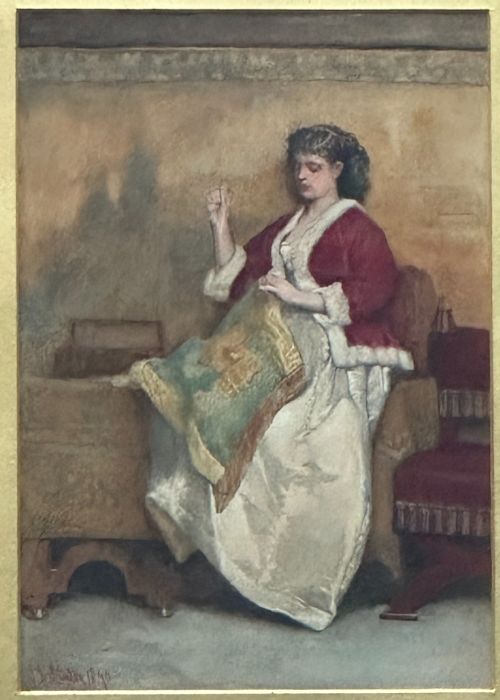
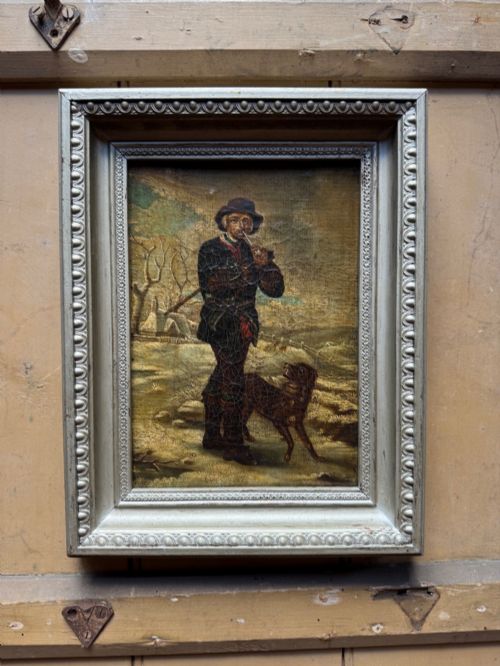
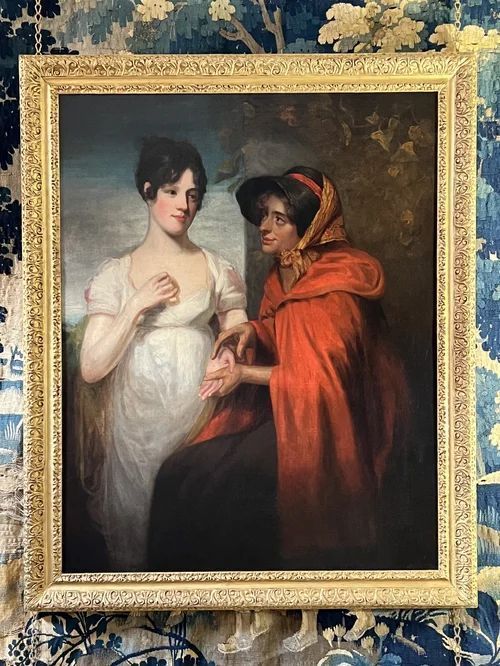
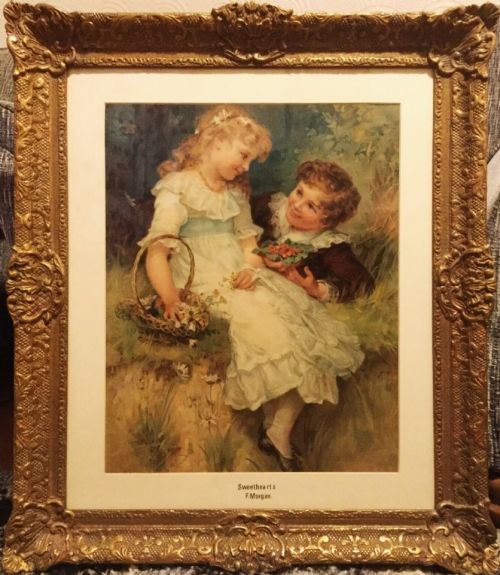
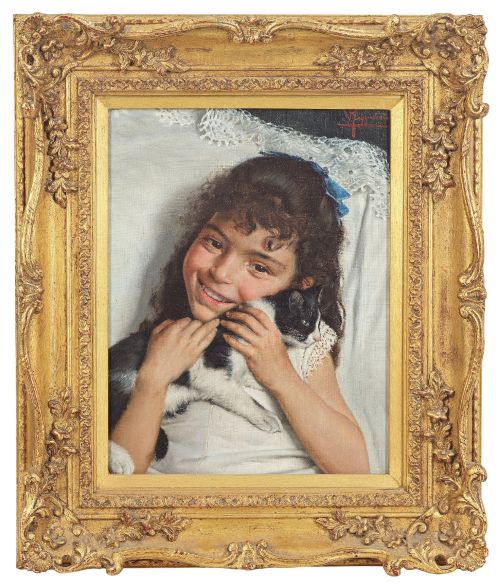
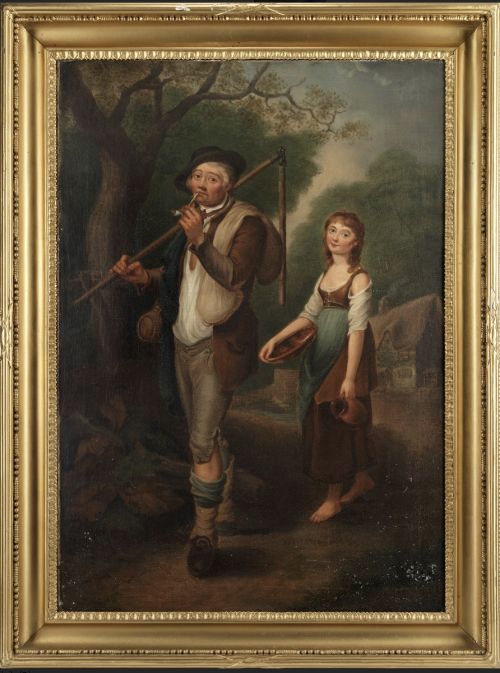
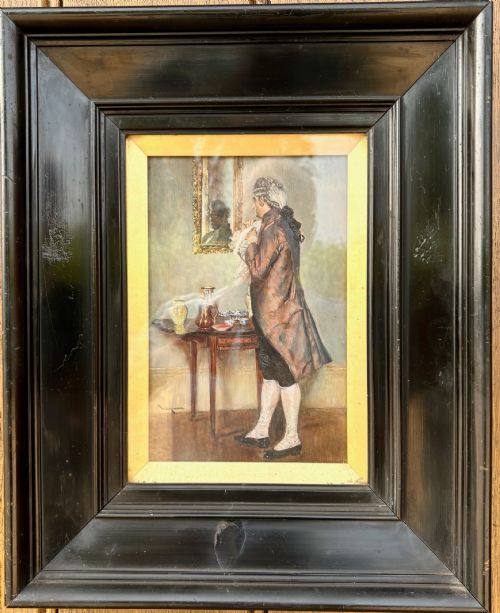
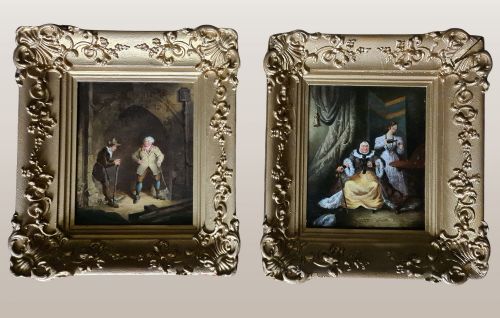
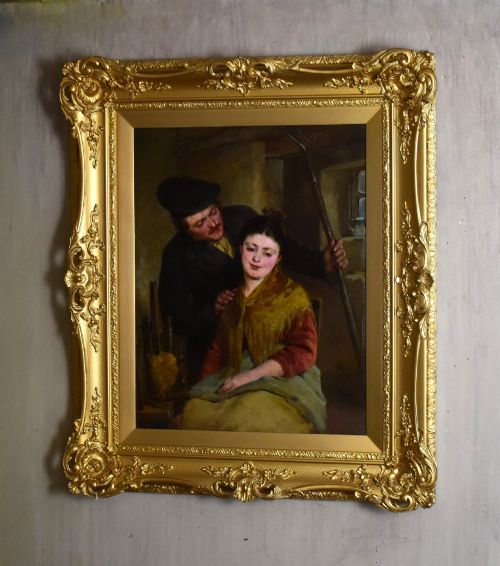
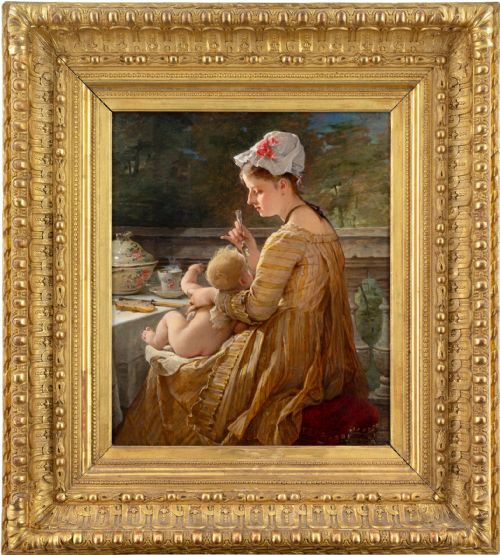
When you search for an antique genre portrait, you are looking at oil paintings and watercolours that capture everyday scenes of human life rather than formal likenesses.
Antique Genre Portrait
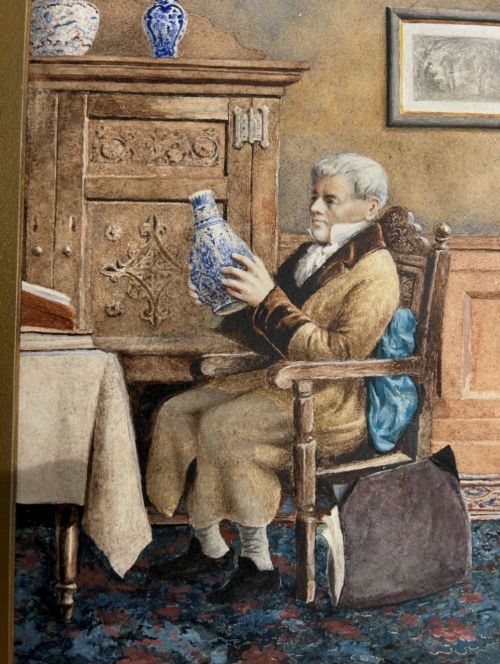
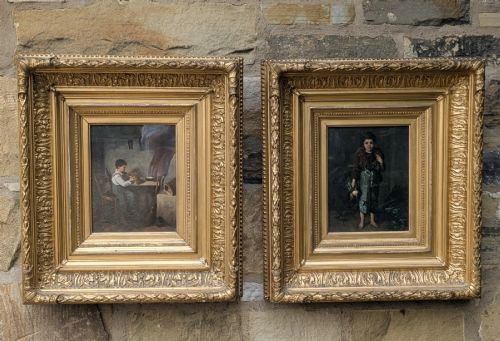
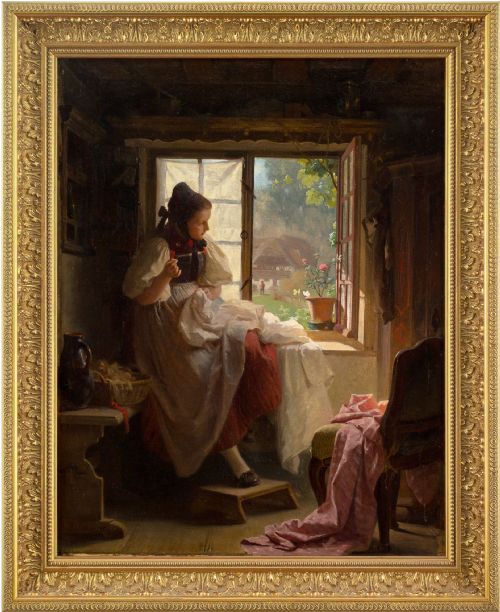
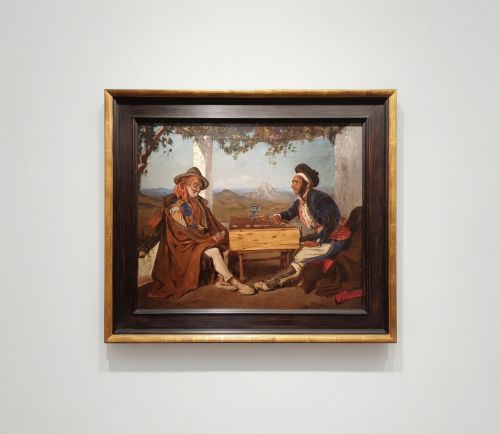
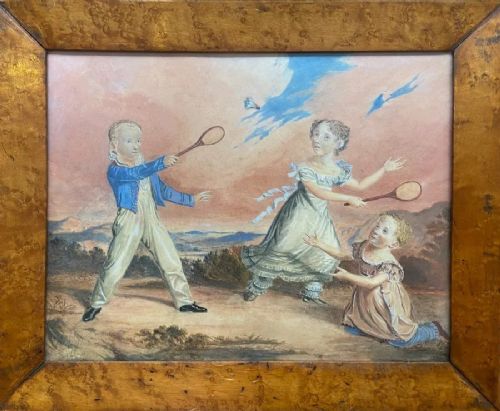
An antique genre portrait depicts ordinary people engaged in domestic tasks, leisure, or social interactions, moving beyond a simple physical likeness to tell a story about daily life. These works capture moments such as children playing, card players, or quiet interior domestic scenes.
The versions you will most frequently meet on this page date from the nineteenth century, executed in oil on canvas or watercolour, often reflecting Victorian or academic realism. Examples range from intimate studies of a single figure by a window to detailed group scenes set within country houses or taverns.
Earlier roots appear through pieces inspired by the Dutch Golden Age, showing musicians or tavern interiors that influenced later nineteenth-century painters. Whether framed in period giltwood or presented on board, these works document the social habits and environments of past centuries.
Materials and technique in execution
Canvas serves as the primary support for these oil paintings, prepared with gesso grounds before the application of oil paint. Artists built up their compositions using layered brushwork to achieve depth in figures and interiors.
Watercolour on paper appears alongside oil on canvas, offering a lighter medium favoured for delicate interior scenes and detailed studies. Frames are typically constructed from wood finished with giltwood or gold leaf, providing a period-appropriate border for the artwork.
The listings span from the 17th century to the 20th century, featuring oil paintings, watercolours, and oleographs.
Variations in quality and execution
Quality in these works rests upon the precision of draftsmanship in the figures and the handling of light within the interior or exterior setting. Superior examples demonstrate a subtle control of facial expression and texture in clothing, bringing realism to the narrative scene.
The integration of the subject with its environment distinguishes finer paintings from more routine studio output. Furthermore, the preservation of the original canvas, paint layer, and matching gilt frame contributes significantly to the integrity of the piece.
Sir James Dromgole Linton·Valentine T. Garland·Henry Stacy Marks·John Opie·Frederick Morgans·Vittorio Reggianini·Thomas Barker of Bath·W.D. Almond·Howard Helmick·Adelaïde Salles-Wagner·Max Kaltenmoser·Henry Travis·Louis Charles Verwee·Charles Hunt·Bernard De Hoog·David Teniers·Renato Moretti·Alfred Arthur Brunel de Neuville·Jean-Baptiste Greuze·Godfried Schalcken·Charles Henry Slater·Byam Shaw·Robert Sayer·Benjamin Eugene Fichel·Charles Zacharie Landelle
The Antique Genre Portrait Glossary
- Genre painting
- A branch of painting that depicts aspects of everyday life by depicting ordinary people engaged in common activities. These works focus on narrative rather than formal portraiture.
- Gesso
- A plaster-like mixture applied to canvas or wood panels to prepare a smooth surface for painting. It was widely used in traditional framing and canvas preparation.
- Giltwood
- Wood that has been thinly coated with gold leaf or gold paint. Frames utilising this technique are frequently found surrounding nineteenth-century paintings.
- Mezzotint
- A printmaking process of the printmaker's art that allows half-tones to be produced without the use of line-based shading. Robert Sayer utilised this method for historical prints.
- Oleograph
- A type of chromolithographic reproduction textured to imitate an oil painting. These mechanical prints gained popularity during the Victorian era for domestic display.
Antique Genre Portrait: Frequently Asked Questions
What is a genre portrait?
A genre portrait depicts an identifiable or unidentifiable person engaged in a daily activity, combining portraiture with storytelling. Rather than focusing solely on a formal likeness, the artist places the subject within an everyday narrative.
These pieces document human behaviour, clothing, and interior settings from periods such as the seventeenth and nineteenth centuries. They offer a direct window into the domestic and social lives of the past.
How were these paintings displayed?
Historically, these artworks were framed in giltwood or wooden surrounds and hung in domestic reception rooms, libraries, and parlours. They served as conversation pieces that reflected the cultural interests of the household.
Today, they suit similar traditional or eclectic interiors where the warmth of oil paint and period framing can be appreciated up close.
How do I date an oil painting?
Dating relies upon examining the canvas support, the style of the stretcher frames, the pigment composition, and the clothing or hairstyles of the figures depicted. Signatures, dates inscribed on the reverse, and stylistic markers of nineteenth-century realism also provide clues.
Comparing the handling of the paint with known works by an artist or follower helps narrow the timeframe of creation.
What distinguishes oils from watercolours?
Oil paintings utilise pigments suspended in drying oils applied to canvas or wood panels, allowing for rich textures and deep colour blending. Watercolours use water-soluble pigments on paper, creating a more luminous and translucent effect.
Both media were used for genre scenes, though watercolours were typically kept behind glass to protect the paper surface from environmental damage.