


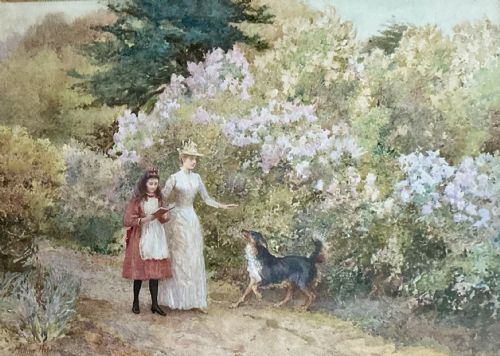


Antique Genre Painting Print
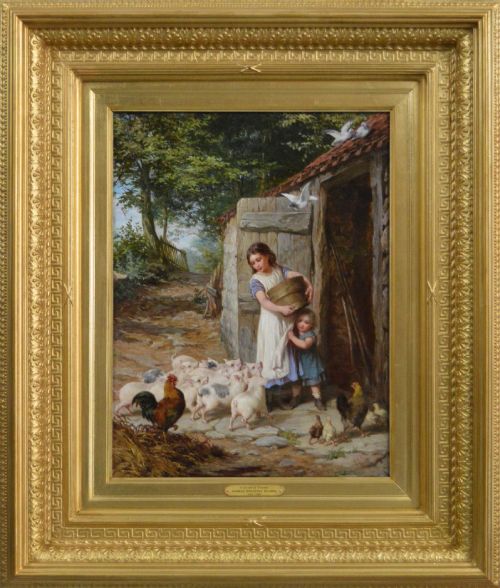
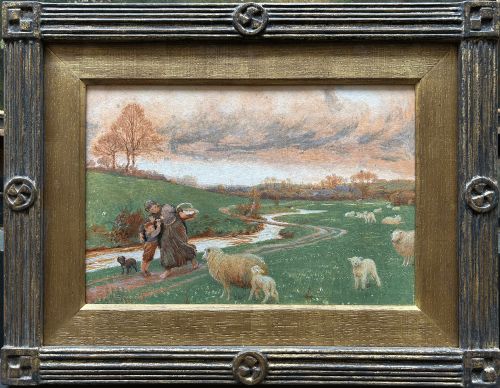
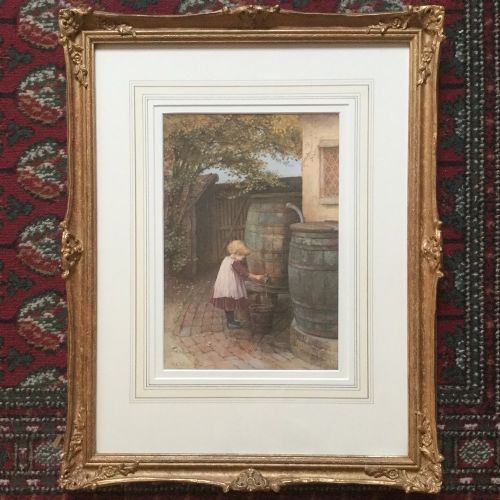
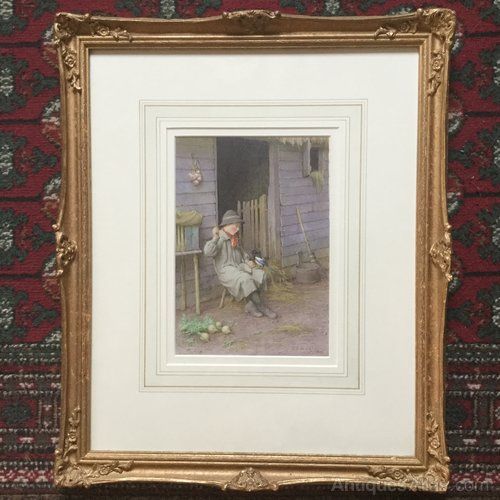
These antique genre painting print pieces capture domestic scenes and everyday narratives, offering a charming window into nineteenth-century life for your walls.
Antique Genre Painting Print
When you search for an antique genre painting print, you find framed artworks, oil paintings, watercolours, lithographs, and crystoleoms depicting everyday life. These pieces span the nineteenth century, the Victorian era, and the Edwardian period, often recording domestic moments, children, animals, and rustic gatherings.
The versions you meet most frequently on this page include Victorian oil paintings, printed reproductions after original works, and specialist formats like reverse paintings on glass or hand-tinted crystoleoms. They range from small intimate portraits of pets to larger framed scenes of social interaction.
Originating largely from British and continental European workshops, these works reflect the popular taste of the 1800s for narrative art. You encounter named artists alongside decorative prints produced for domestic interiors during the Victorian and Edwardian decades.
Materials and methods of production
The physical objects rely on traditional substrates such as paper, canvas, and glass, housed within timber frames finished in gesso, gold leaf, and giltwood. Painters applied oil or watercolour directly to canvas and paper, while printmakers utilised lithography, mezzotint, and engraving techniques.
Specialist techniques include the crystoleom, where a coloured print was made transparent, applied to curved glass, and hand-painted from behind to create depth. Glazed framed pieces protected fragile watercolours and delicate paper prints from airborne soot and moisture in period homes.
Listings combine original nineteenth-century oil paintings on canvas with Victorian lithographs, watercolours, and reverse paintings on glass.
Distinctions in craftsmanship and preservation
Quality separates through the finesse of the hand execution, whether in the precision of an original brushstroke or the crispness of a printed impression. Works by recorded artists or skilled engravers display greater nuance in expression, anatomy, and lighting than mass-produced decorative variants.
The integrity of the mounting materials dictates longevity, with original giltwood frames, stable glass covers, and unblemished paper surfaces preserving the piece. Condition issues such as foxing on paper, craquelure on oil canvases, or damage to delicate gesso mouldings alter the desirability.
George Augustus Holmes·Frederick Walker·Charles Edward Wilson·Charles Burton Barber·Arthur Hopkins·Hendricus Joseph Dillens·Agnes Augusta Tallboys·George Morland·Carlo Ferranti·Jules Le Roy·Schweninger·Frank Moss Bennett
The Antique Genre Painting Print Glossary
- Genre painting
- Depiction of aspects of everyday life by portraying ordinary people engaged in common activities. These scenes often tell a domestic or social story.
- Crystoleom
- A Victorian method of applying a convex glass plate over a coloured photograph or print, which was then thinned, meticulously hand-painted, and backed.
- Mezzotint
- A printmaking process of the intaglio family, done from a metal plate where the surface is roughened to produce tones and rich darks.
- Giltwood
- Wood that has been treated with a thin layer of gold leaf or gilt powder. It forms the decorative surface of period framing.
- Lithograph
- A planographic printing process using a flat stone or metal plate. It allows for the faithful reproduction of painted artwork on paper.
Antique Genre Painting Print: Frequently Asked Questions
What is a crystoleom?
A crystoleom is a Victorian technique where a print is mounted to convex glass, flattened, and hand-tinted from the reverse side.
This intricate process gives the image a luminous, three-dimensional depth unlike standard paper prints.
How do I date these artworks?
Dating relies on the framing materials, the printing or painting technique, and signatures or publishing details on the paper.
Victorian and Edwardian pieces often display specific aesthetic styles, frame profiles, and mounting methods typical of the nineteenth century.
Where should I hang them?
These framed works suit intimate living spaces, hallways, or studies where their narrative details can be viewed closely.
Keep them away from direct sunlight and damp walls to protect the delicate paper, canvas, or glass components.
Are these original paintings or prints?
The selection includes both hand-painted original works in oil and watercolour, and various forms of printed art.
Listings specify the exact medium, distinguishing unique brushwork from period lithographs, mezzotints, and advertising prints.