

Antique Gaudy Welsh Earthenware
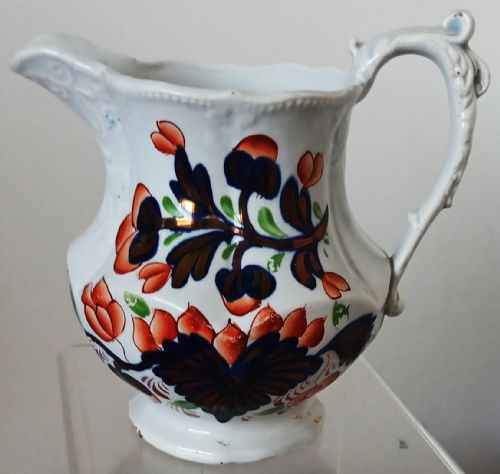
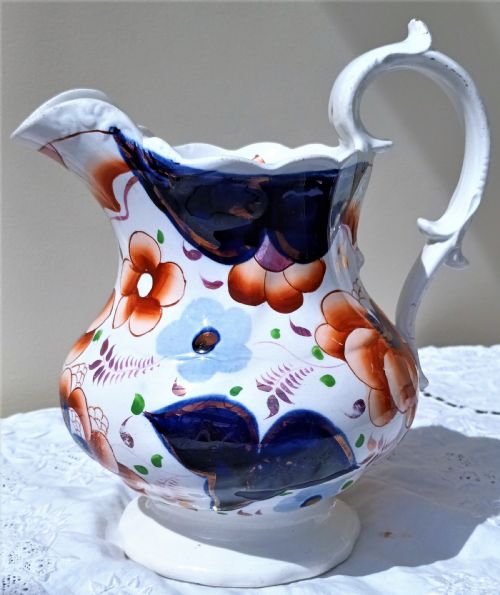
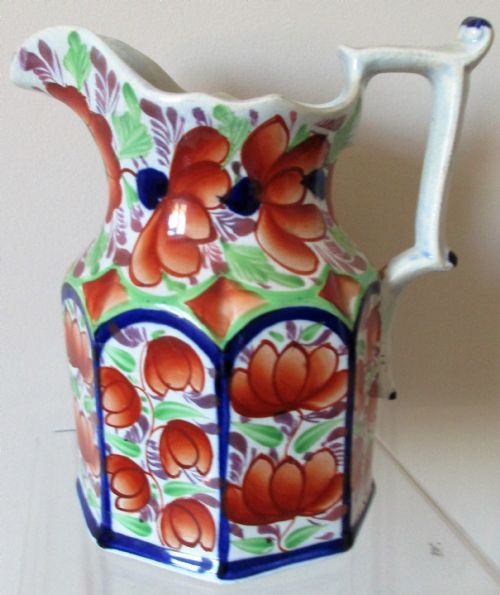
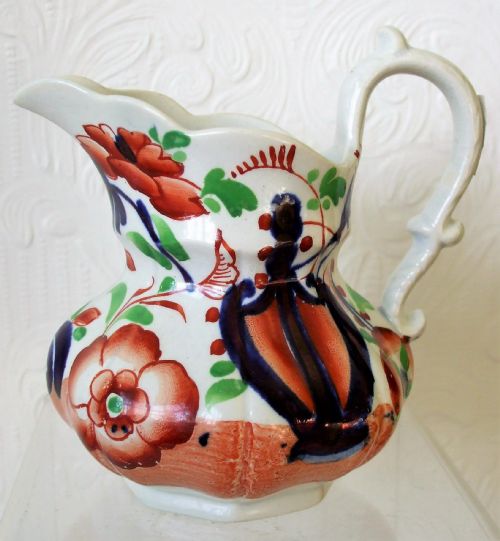
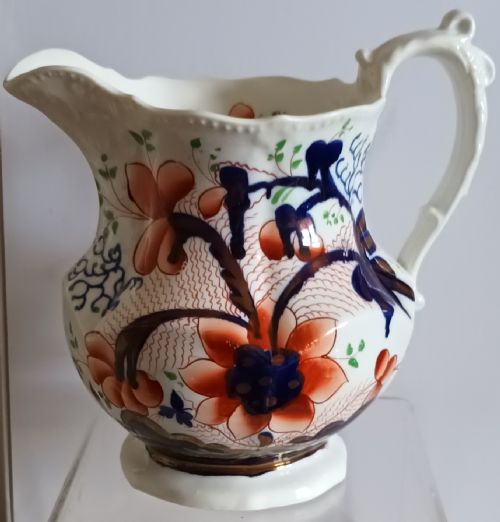
These antique gaudy welsh earthenware pieces bring vibrant nineteenth-century folk charm and bold hand-painted palettes directly to the table.
Antique Gaudy Welsh Earthenware
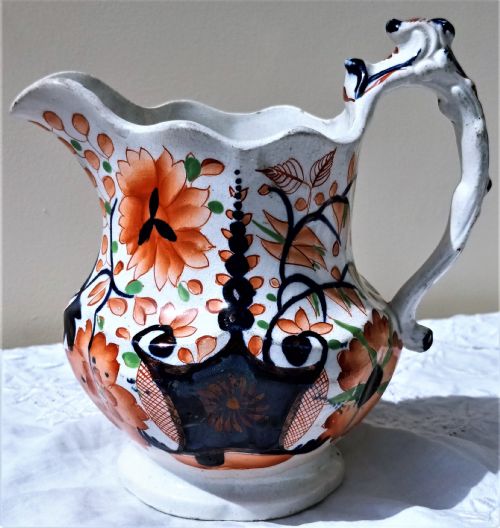
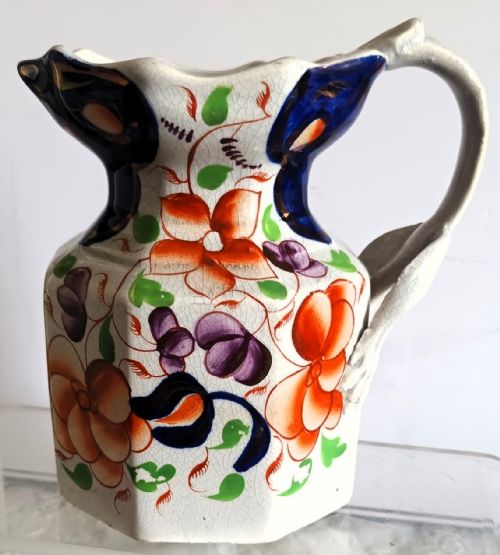
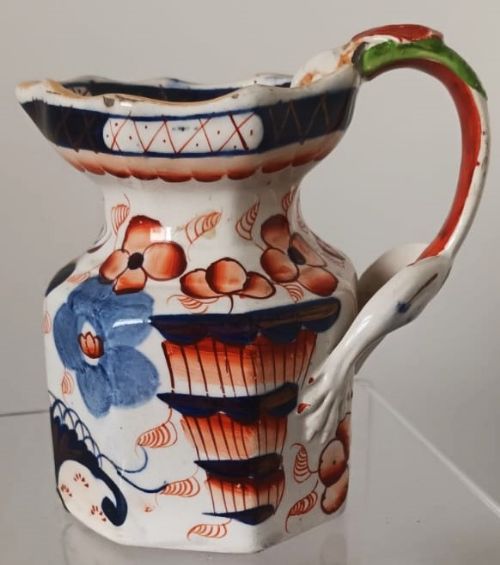
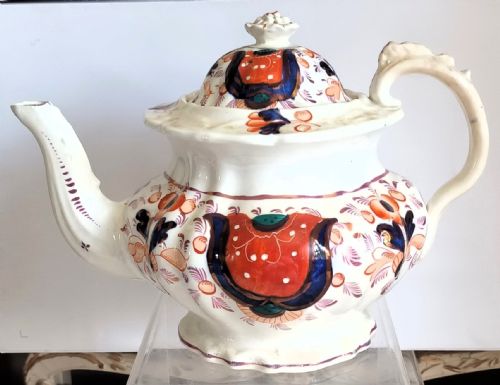
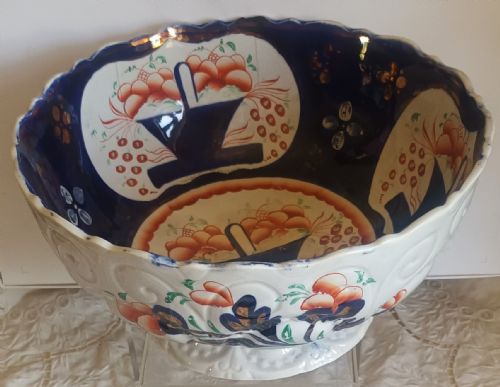
Antique gaudy welsh earthenware comprises nineteenth-century ceramics decorated with striking, colourful motifs that were frequently produced for everyday household utility and display. Buyers seeking antique gaudy welsh earthenware encounter a distinct array of domestic forms created during the Georgian and Victorian eras.
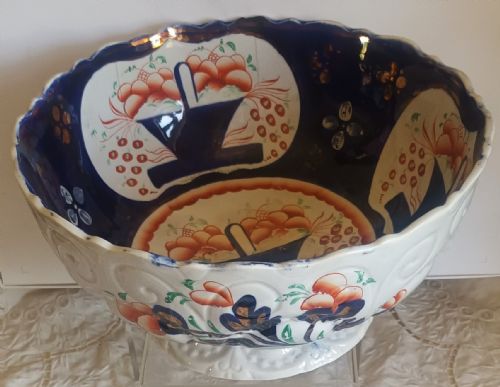
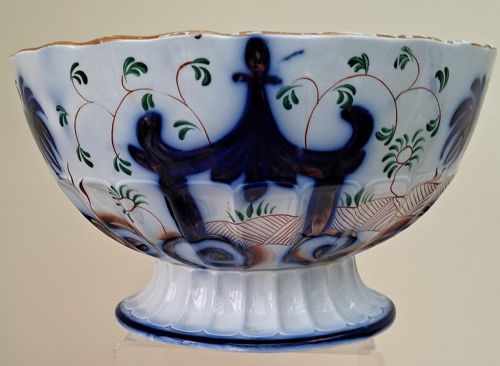
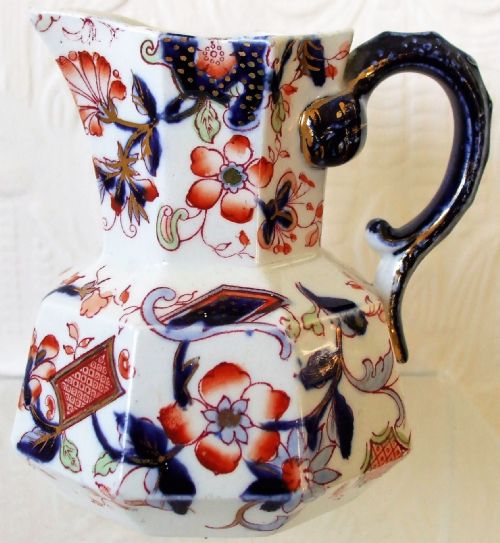
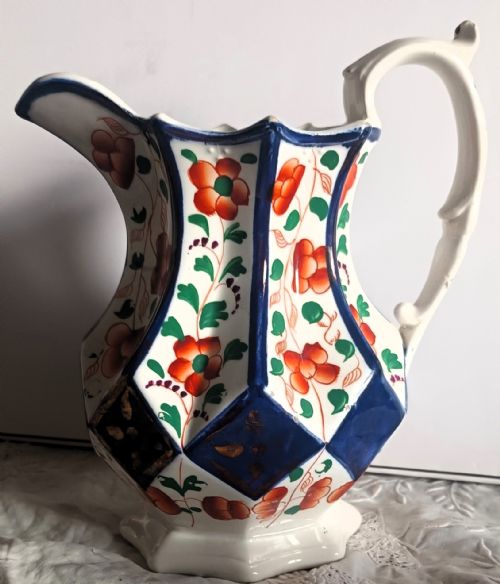
The selection centres on vessels designed for pouring, steeping, and storing, alongside decorative basins and footed bowls. Jugs and pitchers dominate the forms, joined by teapots, tobacco jars, mugs, and washbasins.
Named patterns such as Pagoda, Harlech, Gower, Gwent, Conwy, Celyn, and Grape define the aesthetic of these items. Pieces often feature architectural or botanical themes including baskets of flowers, wallflowers, drapery, and geometric hex designs.
Materials and production methods
Potters shaped these nineteenth-century objects from local clay bodies, forming earthenware and glazed ceramic structures that provided a solid base for decoration. Glaze and enamel coatings sealed the ceramic fabric while adding a glossy finish to the surface.
Makers applied hand-painted polychrome enamels and copper lustre highlights over the fired body to create the characteristic bright patterns. This technique combined robust utility wares with striking visual ornamentation.
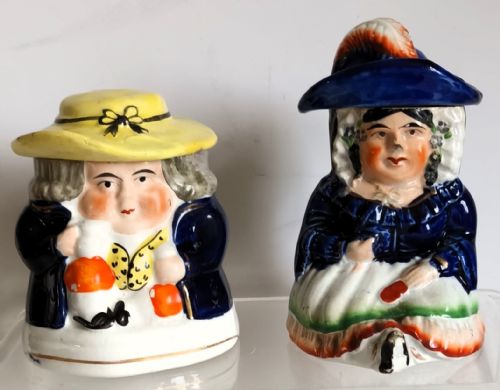
Victorian households could store their pipe tobacco in earthenware jars featuring a detailed, hand-painted lady and gentleman.
Distinguishing quality in the range
The sophistication of the painted decoration sets individual examples apart, particularly where complex architectural motifs like the Pagoda pattern or figurative subjects such as the Lady and Gentleman tobacco jars appear. Precision in brushwork and the rich application of copper lustre elevate certain vessels above simpler, repetitive floral designs.
Form and scale also dictate distinction, with footed bowls, pouch jugs, and large toilet basins offering more ambitious modelling than standard domestic mugs or simple pitchers. The crispness of moulded details beneath the glaze further indicates the care taken during production.
Keeling and Co
The Antique Gaudy Welsh Earthenware Glossary
- Earthenware
- A porous pottery body fired at lower temperatures, requiring a vitreous glaze to render it waterproof. It forms the core material for the majority of these nineteenth-century domestic wares.
- Copper lustre
- A metallic glaze finish containing copper that imparts a coppery, reflective sheen to ceramic surfaces. It appears frequently as a defining accent on nineteenth-century regional pottery.
- Enamel
- Opaque coloured glass fused to the ceramic body through low-temperature firing. This medium allows for the vibrant, saturated hues characteristic of the style.
- Footed bowl
- A vessel elevated on a distinct base ring or pedestal foot. These items serve decorative or serving functions within the home.
- Pouch jug
- A pitcher featuring a bulbous, swollen body profile rather than a straight-sided silhouette. This specific moulding variation provides extra liquid capacity.
Antique Gaudy Welsh Earthenware: Frequently Asked Questions
What is gaudy welsh pottery?
Gaudy welsh pottery refers to nineteenth-century ceramic wares decorated with bright, contrasting enamels and copper lustre. These pieces were primarily made for everyday use in homes.
The aesthetic combines bold colours with traditional patterns, making them instantly recognisable to collectors today.
How were these jugs used?
Jugs and pitchers served practical daily functions for pouring liquids at the table or during washing routines. They were standard household items in the nineteenth century.
Over time, their decorative qualities shifted their role from purely utilitarian objects to cherished display pieces.
How do I date these pieces?
Dating relies on identifying nineteenth-century stylistic markers, manufacturing techniques, and named patterns associated with the Georgian and Victorian periods. Earthenware bodies and enamel styles help narrow the timeframe.
Comparative analysis with documented regional pottery forms provides further chronological context.
Can I use these items daily?
While these ceramics were originally created for practical household tasks, their age and delicate enamel decoration require careful handling. Most modern collectors choose to display them rather than put them into active service.
Gentle washing by hand preserves the copper lustre and painted surfaces for the future.