





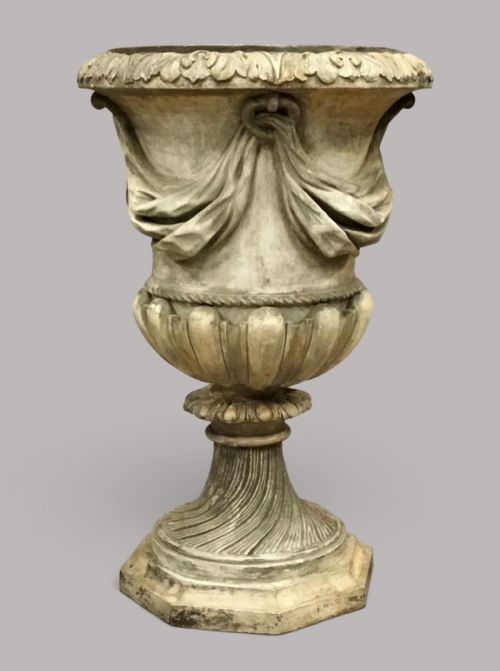


Antique Garden Vases
Antique garden vases anchor an outdoor space with classical lines and enduring presence, ranging from heavy cast iron to weathered stone.
Antique Garden Vases
When you search for antique garden vases, you encounter a variety of substantial vessels designed to hold plantings or stand alone as classical architectural ornaments. These pieces shape outdoor spaces by introducing height, texture, and formal structure to terraces, lawns, and courtyards.
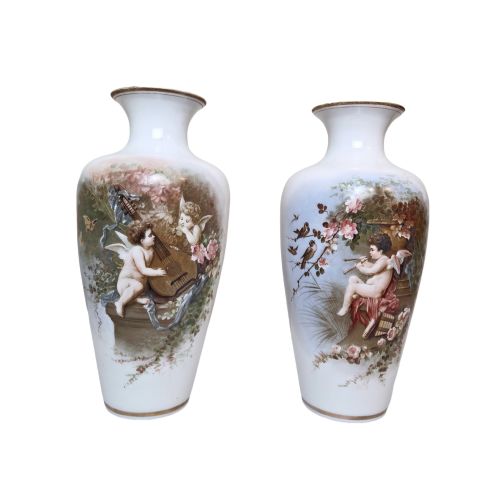
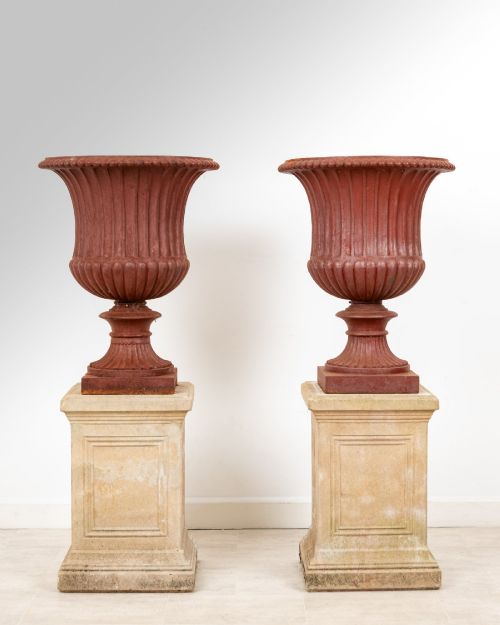
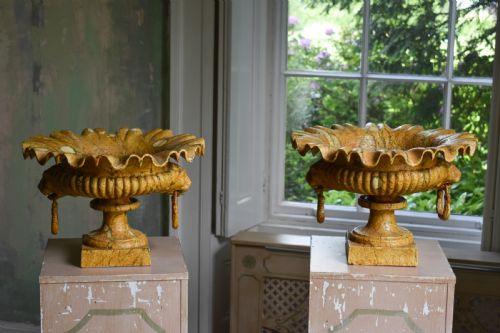
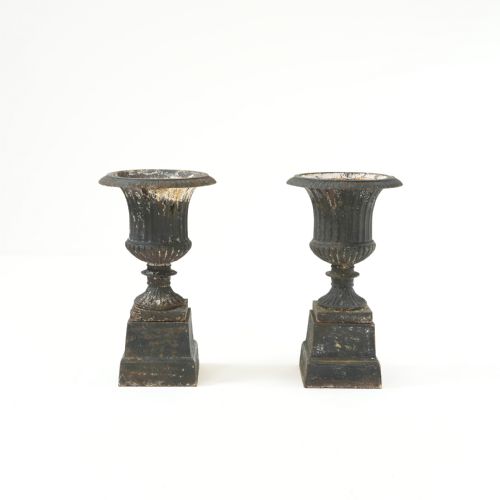
The versions most frequently met on this page date from the nineteenth century and the Edwardian era, running from cast iron campana shapes to terracotta amphorae and carved marble urns. Alongside these metal and stone examples appear glazed earthenware jars, lead planters, and Japanese bronze temple vases.
Makers and foundries utilised robust forms derived from neoclassical, Victorian, and Mediterranean styles to suit demanding exterior settings. Whether standing on dedicated plinths or directly upon the ground, these objects bring a sense of established history to modern landscapes.
How they were made
Foundries and workshops produced these vessels using materials suited to withstand the elements, predominantly cast iron, terracotta, carved stone, and bronze. Cast iron pieces required mould work and metal pouring, yielding crisp acanthus leaf motifs and campana contours.
Terracotta and earthenware examples were shaped from regional clays and fired in kilns, sometimes left unglazed to weather naturally outdoors. Marble and lead vessels involved manual carving or casting, resulting in heavier architectural forms designed for permanent garden placement.
Antique Garden Vases Retail Price Guide 2026
Typical asking prices for garden vases among the pieces listed under this phrase on Sellingantiques today, from the lower quarter to the upper quarter. They describe what is for sale here now, not the wider market.
Some nineteenth-century garden urns spent decades collecting rainwater before finding new life as dry decorative centerpieces indoors.
What varies in quality
The distinction between ordinary and exceptional examples rests in the crispness of the casting or the depth of the hand-carved detail, such as acanthus leaf flourishes and classical handles. Heavier metal gauge and superior stone selection separate enduring monumental pieces from lighter decorative iterations.
Proportion and surface patina play significant roles in the overall character of the piece. Natural weathering on cast iron, terracotta, and marble develops over decades, adding depth that distinguishes period originals from later reproductions.
Coalbrookdale·Fielding’s Crown Devon·Hakusan
The Antique Garden Vases Glossary
- Campana
- A bell-shaped vessel with a flared rim and footed base. This classic silhouette originates from ancient Roman pottery and metalwork.
- Terracotta
- A porous, unglazed baked earthenware made from iron-rich clay. It develops a warm reddish hue and accepts weathering well in exterior settings.
- Usubata
- A traditional Japanese bronze vase often used for flower arrangement and garden display. These pieces frequently feature wide basins supported by slender stems.
- Amphora
- A two-handled jar with a narrow neck used historically for storage. In garden settings, these appear as large earthenware or terracotta vessels.
- Plinth
- A heavy base or pedestal that elevates a vase or urn above ground level. This architectural support adds presence and protects the vessel from damp soil.
Antique Garden Vases: Frequently Asked Questions
How do I protect cast iron in winter?
Cast iron is robust, but trapped water freezing inside a vessel can cause structural stress. Elevating the base off the ground prevents moisture retention during the colder months.
Applying appropriate protective coatings helps maintain the painted or rusted surface without sealing in moisture.
Can terracotta stay outside all year?
Traditional terracotta can absorb moisture, which expands during freezing temperatures and leads to cracking. Placing pot feet underneath allows proper drainage and reduces frost damage.
Moving heavier jars into sheltered glasshouses or under porches during severe winters prolongs their material life.
How are heavy stone urns positioned?
Carved marble and cast stone vessels require a level, stable foundation such as a stone patio, reinforced terrace, or dedicated plinth. Due to their substantial weight, positioning often requires multiple people or lifting equipment.
Spreading the load evenly prevents the base from sinking unevenly into soft garden soil over time.
What is a campana shape?
The campana form resembles an inverted bell, featuring a wide flared rim that tapers down to a narrow body before resting on a pedestal base. This silhouette was favoured by neoclassical designers for formal garden decoration.
Foundries across the nineteenth century produced this classic profile in cast iron, composition stone, and terracotta.