
Antique Garden Seating
These pieces of antique garden seating combine metal and timber to bring practical endurance and decorative style to outdoor spaces.
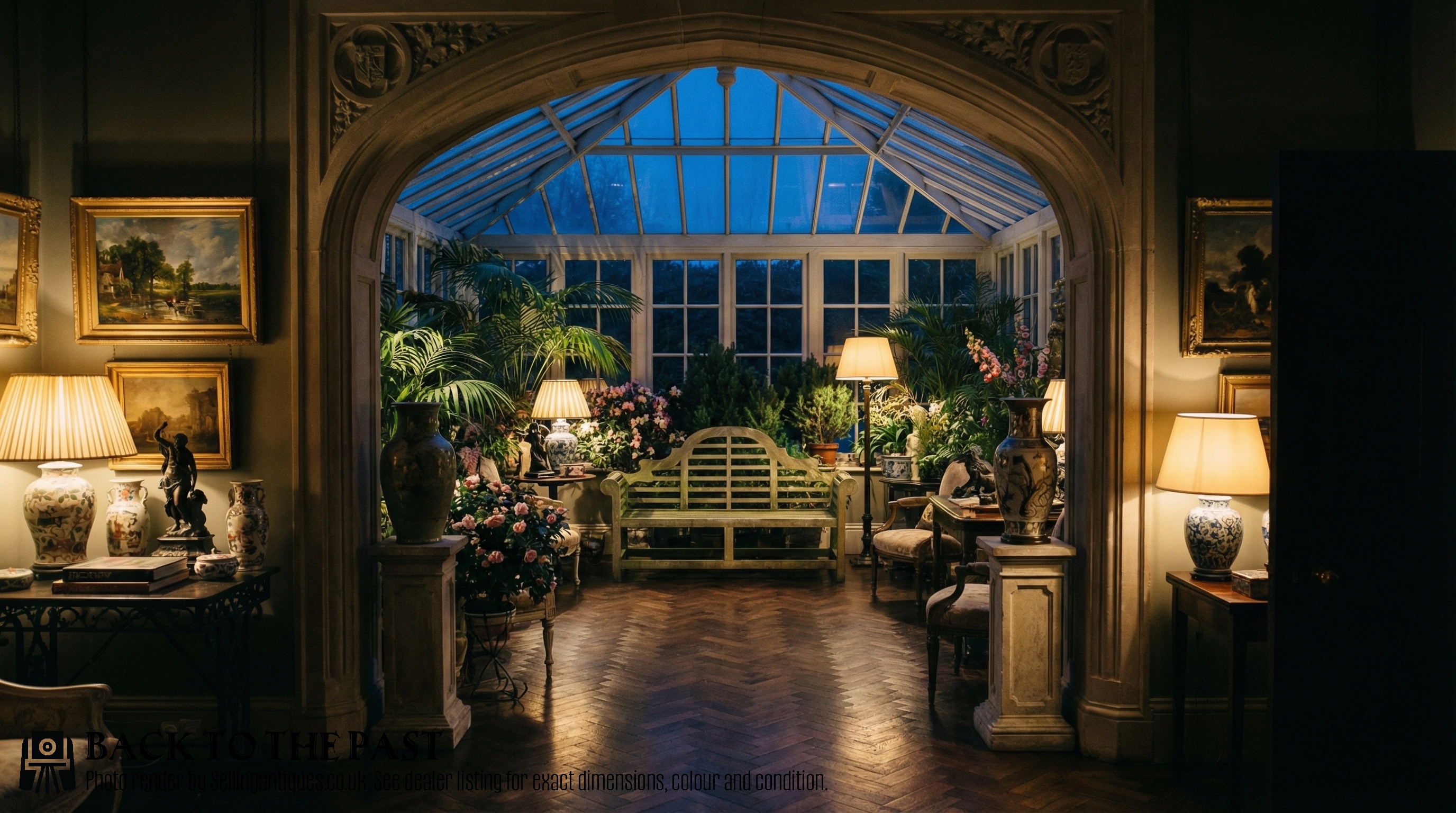
Antique Garden Seating
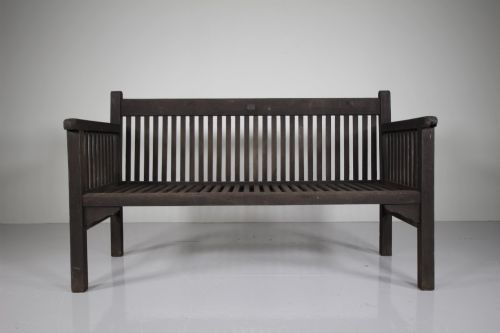
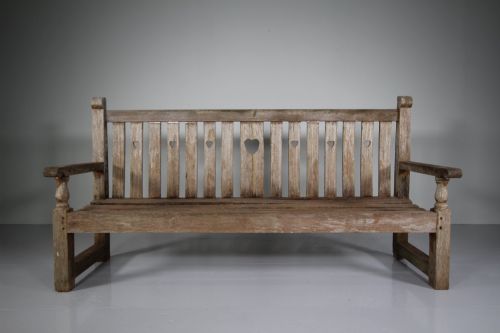
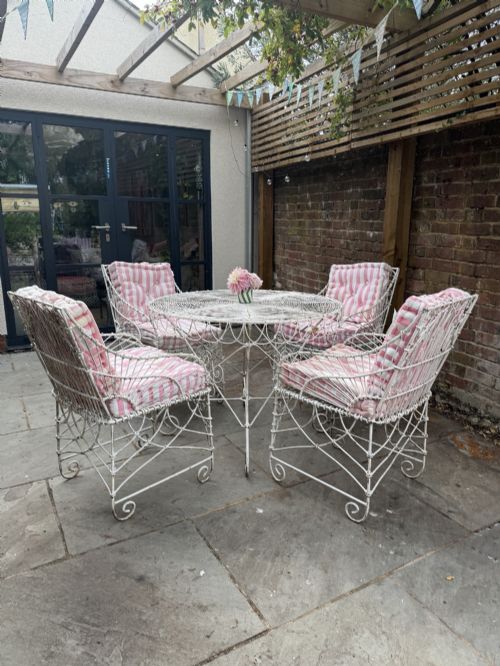
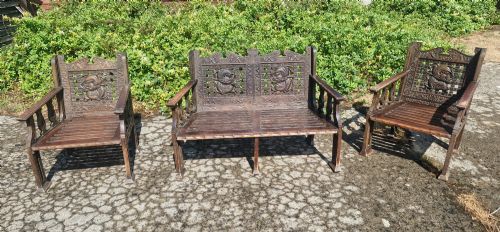
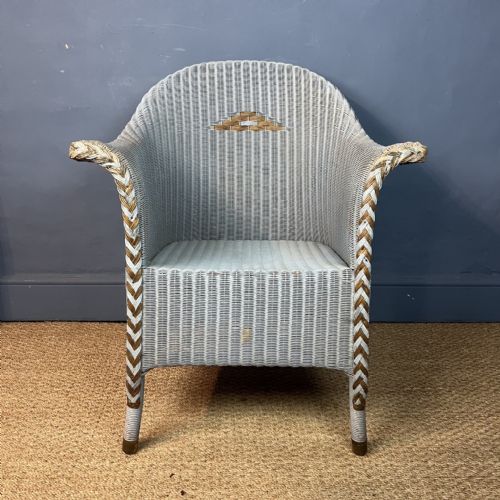
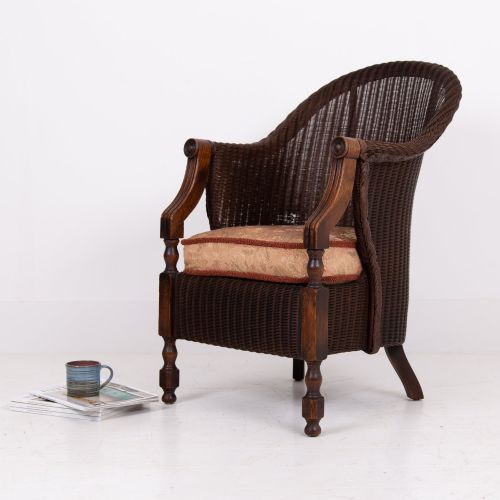
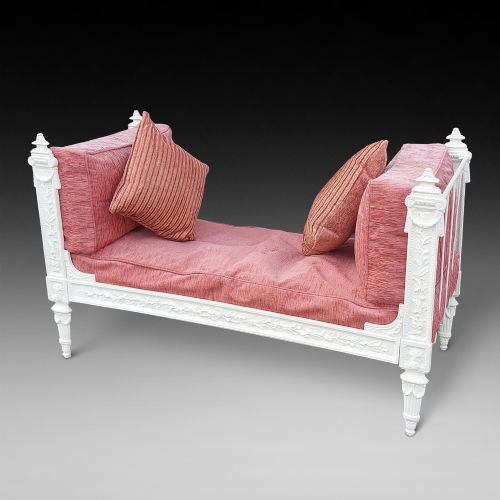
Antique garden seating encompasses benches, armchairs, and dining sets designed for terraces, lawns, and conservatories. Buyers exploring antique garden seating commonly encounter metal and wooden forms dating from the nineteenth and early twentieth centuries.
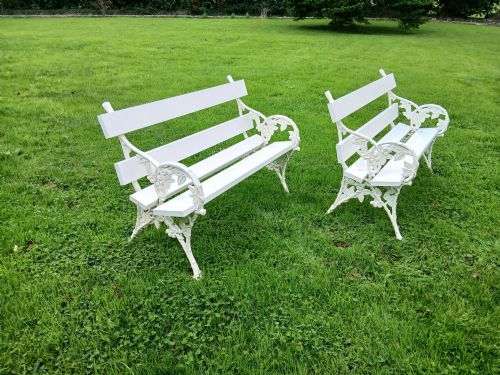
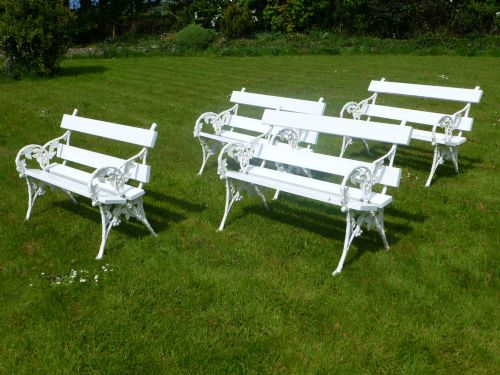
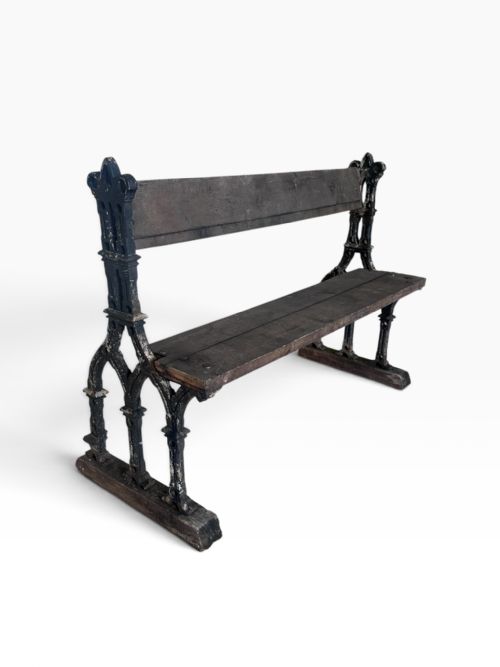
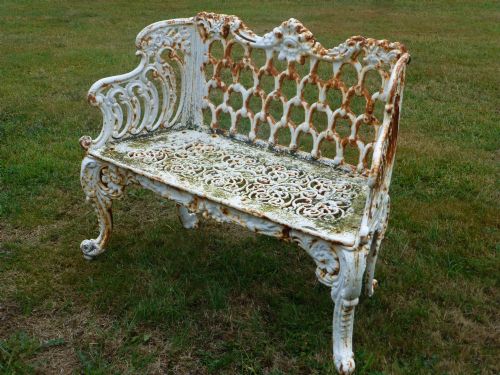
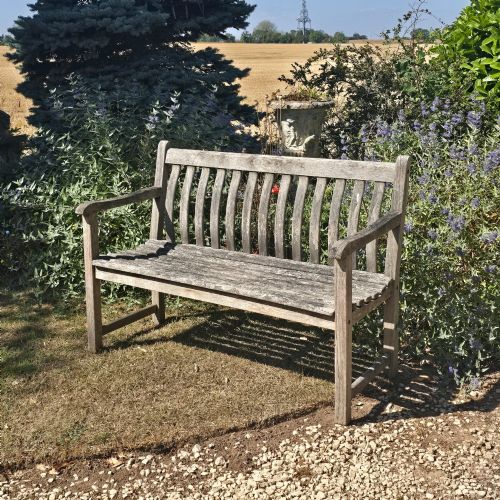
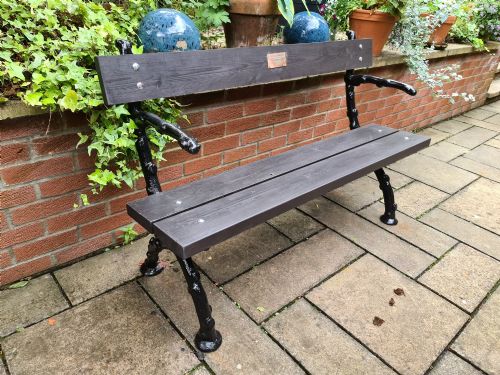
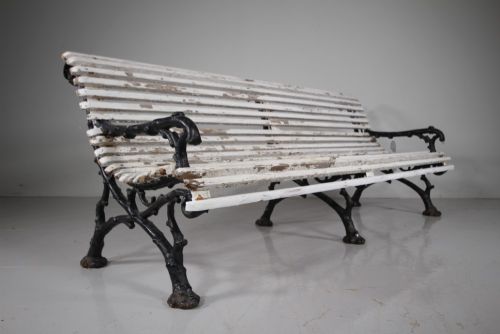
Cast iron and teak benches dominate the selection, often featuring specific patterns such as the blackberry and leaf motifs or gothic arches. Pieces originate from British, French, and Italian makers, ranging from robust park seats to domestic garden chairs.
Materials and Construction
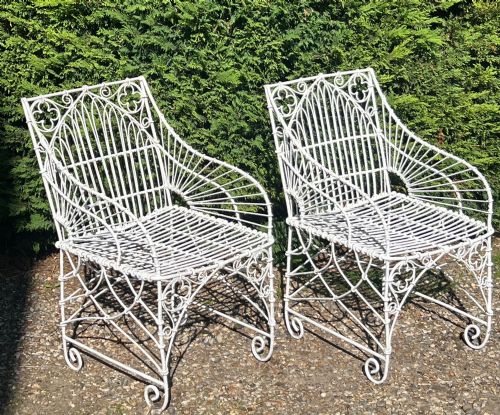
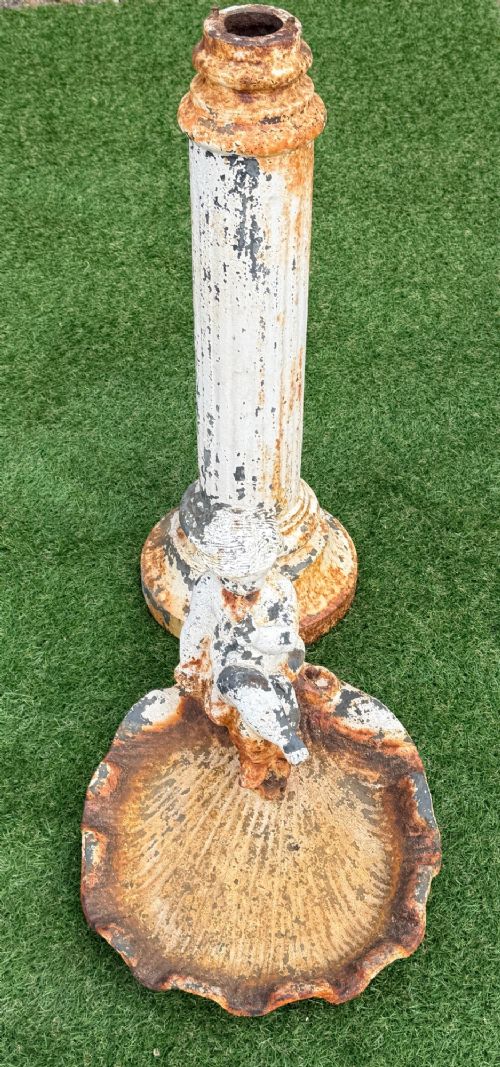
Foundries utilised cast iron and wrought iron for structural frames and decorative details, pouring molten metal into intricate moulds to produce patterns like faux bois and strapwork. Wood varieties such as teak and elm provide weather-resistant slats and seating surfaces.
Makers applied paint, white finishes, and silvered treatments to protect metal and timber from moisture. Ceramic examples employ creamware, pottery, and ironstone, shaped and fired before receiving blue and white glazes or painted decoration.
Certain Victorian iron benches wear detailed blackberry and leaf patterns that manage to look remarkably thorny without ever scratching a coat.
Craftsmanship and Proportion
Quality rests in the crispness of the casting and the weight of the metal. Finer ironwork exhibits sharp leaf veins and deep relief, whereas inferior versions show blurred edges from worn moulds.
Proportion and integrity determine value in wooden and mixed-material pieces. Well-balanced frames with original timber slats outrank altered examples or those lacking maker attribution.
Falkirk Carron Foundry·Heals·Christopher Dresser·Coalbrookdale
The Antique Garden Seating Glossary
- Faux bois
- Imitation wood. This technique mimics tree bark and branches in cast iron or concrete.
- Strapwork
- Flat metal bands. This decorative pattern forms intricate geometric shapes on bench backs.
- Ironstone
- Heavy durable pottery. Developed in the nineteenth century, it resists chipping and weathering.
Antique Garden Seating: Frequently Asked Questions
How do I protect metal garden seats?
Cast and wrought iron pieces require regular inspection for moisture and rust. Applying suitable outdoor paint or protective wax preserves the surface during wet months.
Positioning metal furniture on paved surfaces rather than directly on damp soil prevents bottom-up corrosion. Storing them under cover during severe winter weather extends their lifespan significantly.
Can teak benches stay outside year-round?
Teak contains natural oils that resist moisture and decay, making it well-suited for permanent outdoor placement. Over time, untreated teak develops a silvery-grey patina.
Cleaning the surface periodically with mild soapy water removes dirt and organic growth. Applying teak oil is optional and serves primarily to maintain a warmer colour rather than adding protection.
How do I identify a Victorian bench?
Victorian examples frequently utilise heavy cast iron frames decorated with botanical motifs, gothic tracery, or faux bois branches. Foundry marks and registration numbers often appear cast into the metal structure.
Stylistic cues include high backs, ornate armrests, and combination frames pairing iron supports with wooden slats. Examining the bolts and construction methods helps confirm the nineteenth-century origin.
Where should I place a heavy stone ornament?
Cast stone and terracotta pieces require a stable, level base to prevent sinking or tilting on lawns and garden soil. Placing them on flagstones or compacted gravel distributes the weight evenly.
Selecting a sheltered spot away from heavy frost pockets protects porous materials from freeze-thaw damage. Elevating statues slightly off the ground discourages moisture absorption from wet earth.