


Metal Slatted Bench
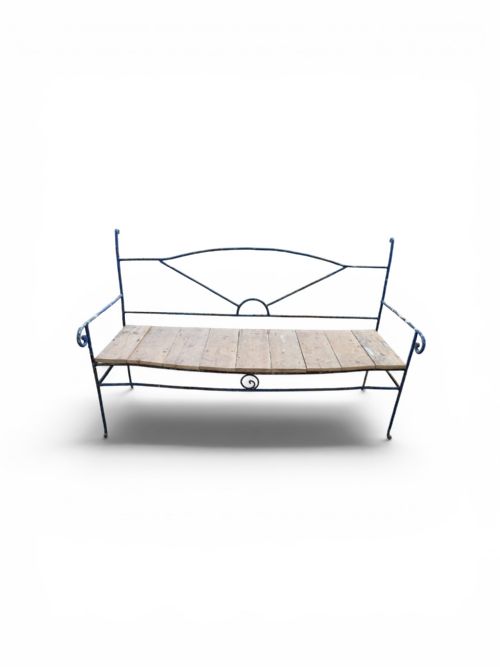
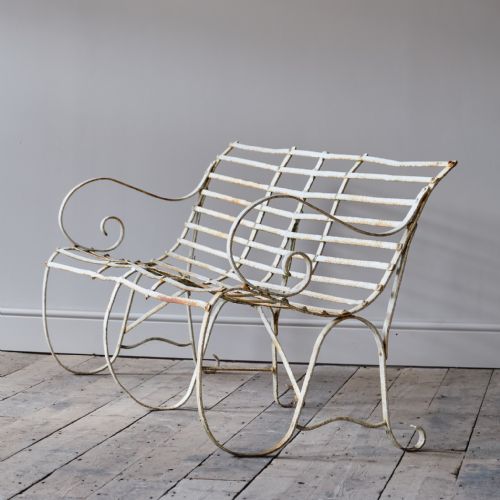
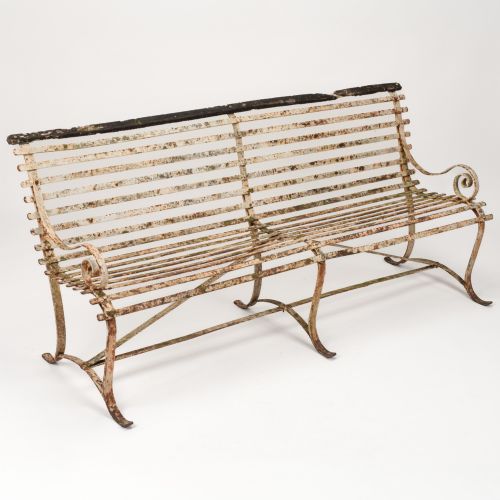
These metal slatted bench examples offer durable outdoor seating formed from iron, steel, and timber.
Metal Slatted Bench
A metal slatted bench provides sturdy outdoor seating designed for gardens, parks, and patios through various historic eras. These pieces combine metal frames with wooden or metal slats to create functional resting places for exterior spaces.
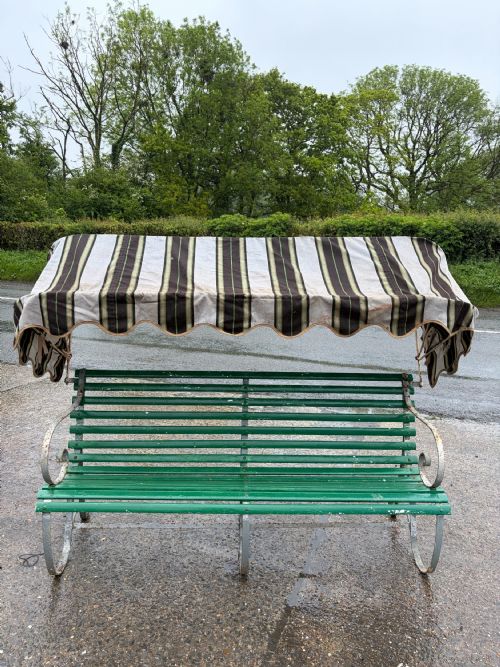
The selections encountered on this page span from Regency and Victorian periods through the Edwardian era and into the interwar years of the twentieth century. Garden benches and armchairs dominate the forms, alongside occasional console tables and specialised seating with canopies.
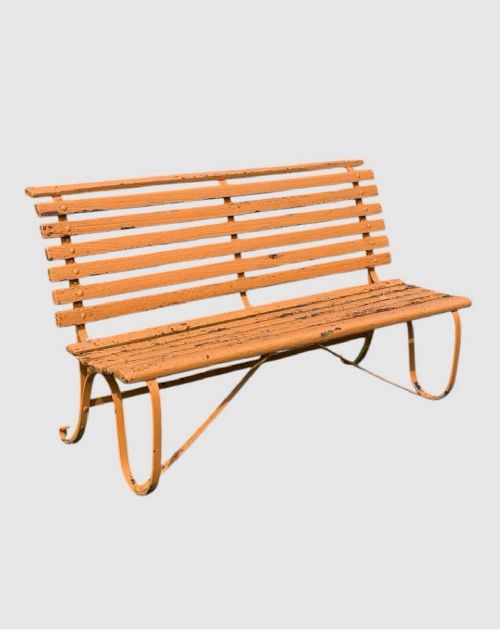
Victorian examples frequently pair cast iron ends with timber slats or feature intricate wrought iron strapwork. Later pieces from the twentieth century often display simpler industrial lines or retain layered original paint surfaces.
How they were made
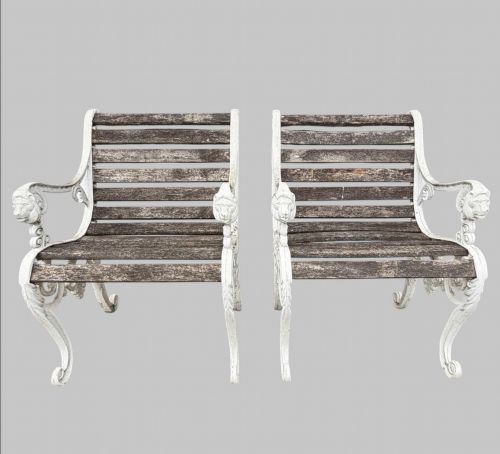
Manufacturers shaped structural components using cast iron and wrought iron, employing casting techniques for decorative ends and armrests, such as lion masks. Blacksmiths and ironworkers formed strapwork and scrolls by hand or through industrial metalworking methods.
Timber slats were integrated into iron frames using bolts or rivets, creating a supportive surface for outdoor use. Many pieces received protective coats of paint to withstand weathering in garden environments.
Listings feature pieces spanning the Regency, Victorian, Edwardian, and Interwar periods, constructed from cast iron, wrought iron, and timber.
What varies in quality
The refinement of the ironwork sets finer examples apart from simpler utility pieces, particularly in the crispness of cast details like scrollwork and figural masks. Superior strapwork benches display precise hand-forged geometry and balanced proportions across the seat and backrest.
The preservation of original surface finishes and early paint layers adds character and authenticity to older garden furniture. Pieces retaining their historic timber elements alongside well-maintained metal structures demonstrate greater structural integrity.
The Metal Slatted Bench Glossary
- Strapwork
- Flat strips of metal interwoven or arranged in geometric patterns to form the back or seat of a bench. This technique provides both flexibility and robust support.
- Cast iron
- Molten iron poured into a mould to create rigid decorative end supports and frames. It allows for intricate relief patterns such as foliage or animal motifs.
- Wrought iron
- Iron heated and hammered into shape by hand, resulting in fibrous material resistant to shock. It is typical of earlier strapwork and scroll designs.
- Canopy
- An overhead architectural extension integrated into a garden seat to provide shelter from the elements. These are characteristic of elaborate nineteenth-century outdoor furniture.
Metal Slatted Bench: Frequently Asked Questions
How do I date a metal garden bench?
Dating relies on stylistic clues, construction methods, and material combinations seen across different eras. Victorian and Regency pieces often feature complex strapwork, cast scroll ends, or canopies.
Later twentieth-century examples tend toward cleaner industrial lines and simpler tubular or bar construction. Comparing the joinery and fastener types helps clarify the manufacturing period.
Were these benches meant to stay outside?
Most of these pieces were engineered specifically for exterior garden and park use, utilising weather-resistant metals and durable timbers. Protective paint layers helped shield the iron and wood from moisture.
Despite this durability, historic pieces benefit from sheltered placement or seasonal storage to preserve surviving original paint and timber elements.
What is the difference between cast and wrought iron?
Cast iron is poured into moulds, creating hard, brittle components ideal for decorative bench ends and ornate motifs. Wrought iron is worked by hand while hot, producing tougher, fibrous bars suitable for straps and scrolls.
Many classic garden seats combine both materials, using cast iron for structural ends and wrought iron for the slatted seating area.
Can I leave original paint on an antique bench?
Retaining original paint layers is generally desirable for historic character and authenticity. Multiple weathered coats demonstrate the age and working history of the piece.
Careful cleaning preserves these delicate historical surfaces without removing the patina valued by collectors.