



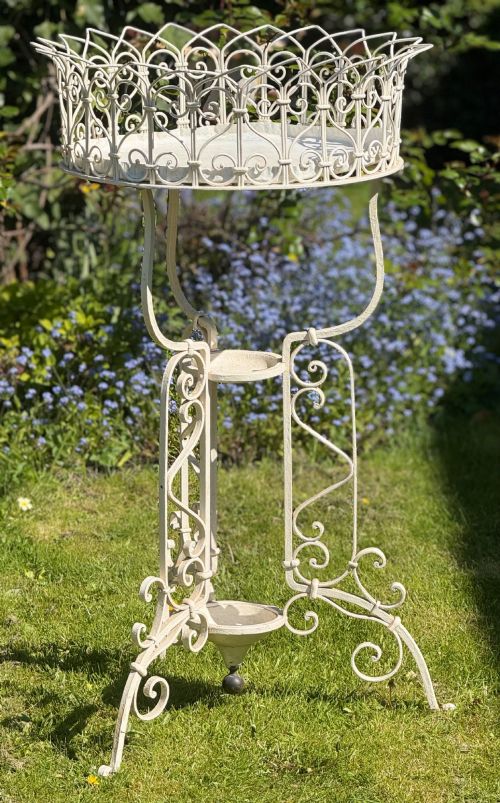


Antique Garden Planter Stand
An antique garden planter stand elevates greenery above the ground, bringing architectural presence and organic structure to terraces and conservatories.
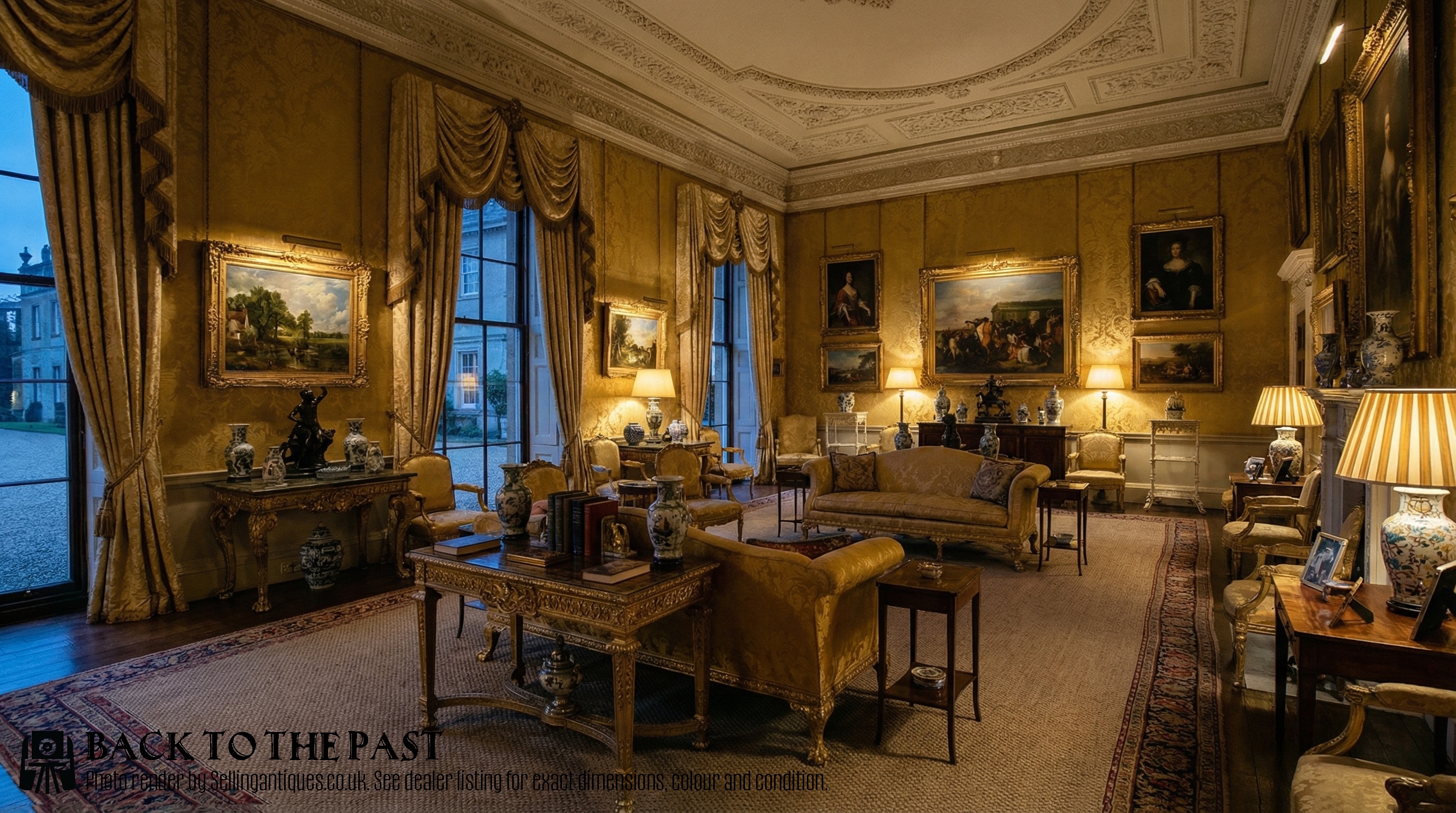
Antique Garden Planter Stand
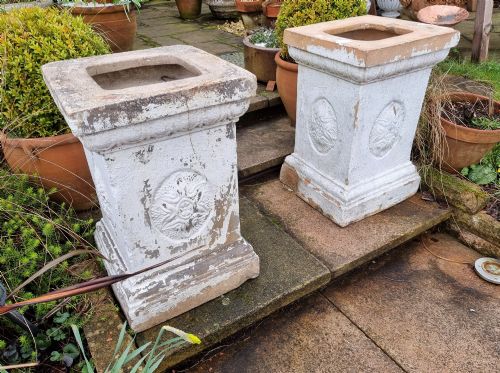
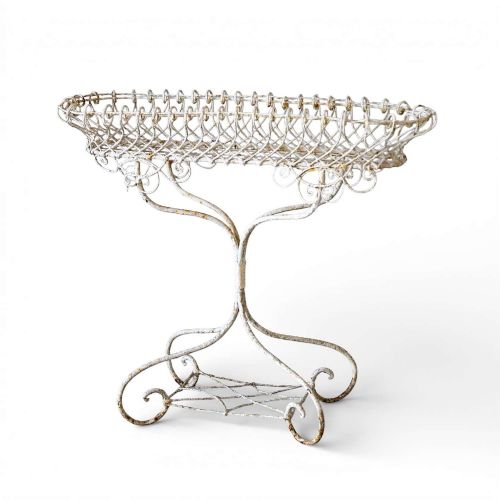
An antique garden planter stand serves to display botanical specimens on terraces, patios, and inside conservatories. These pieces encompass tiered iron frameworks, terracotta vessels on dedicated plinths, and sturdy pedestals designed to elevate urns and pots.
The selections available here span the nineteenth century, the Victorian era, and the Edwardian period. Buyers encounter robust cast iron structures, delicate wirework tiered designs, and substantial composite stone plinths.
Forms range from multi-tiered stands intended for numerous pots to singular classical columns and pedestals supporting campana urns or jardinieres. Each configuration reflects the practical horticulture and decorative ambitions of its specific era.
Materials and construction methods
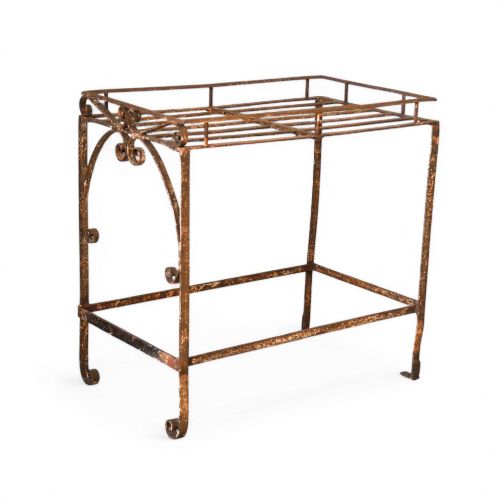
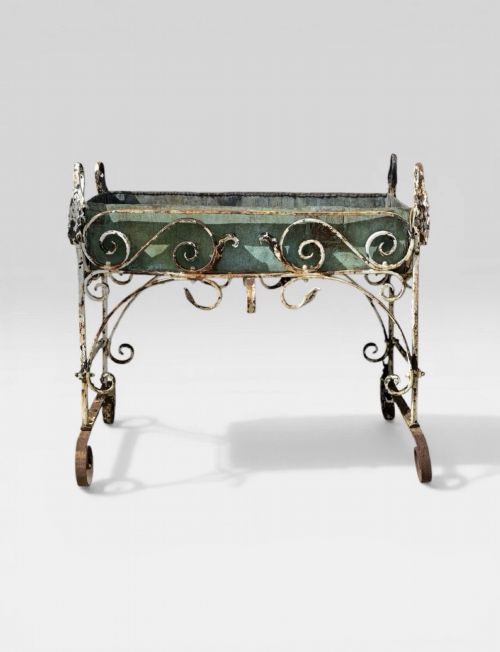
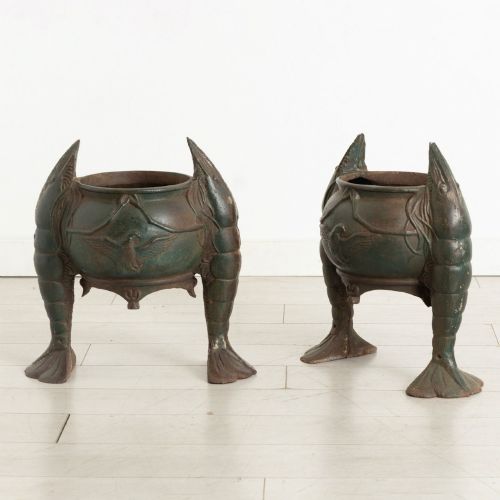
Foundry work dominates the metal pieces, utilising cast iron and wrought iron shaped into structural columns, decorative scrollwork, and tiered plant holders. Artisans also employed wirework techniques to construct lightweight yet sturdy conservatory frames.
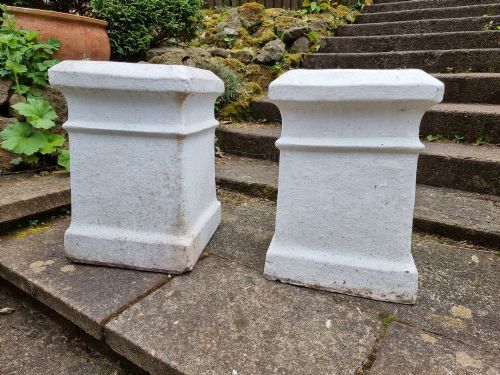
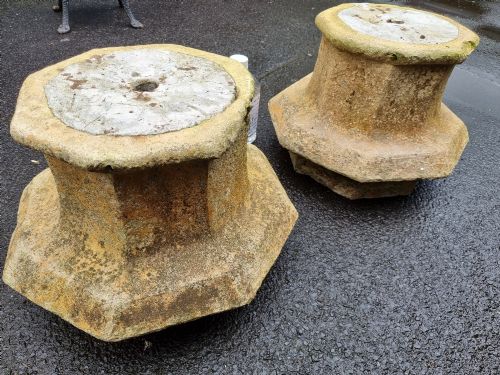
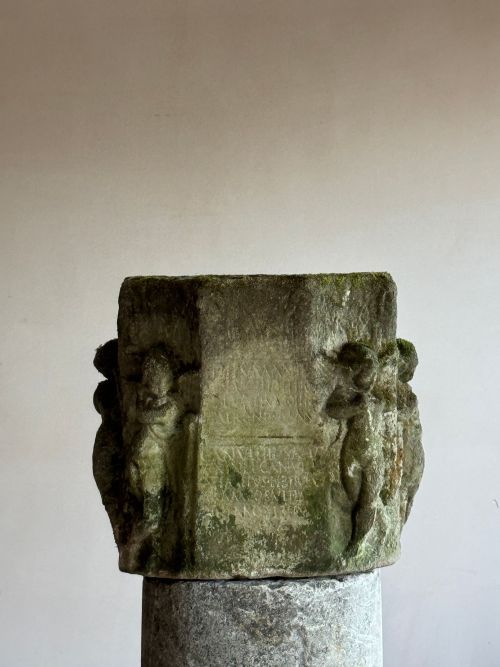
Masonry and ceramic pieces rely on cast stone, composite stone, terracotta, and clay moulded into plinths, altars, and pedestals. Protective surface treatments such as paint and natural weathering finish these robust outdoor materials.
Distinctions in quality and execution
The sophistication of the casting and forging work determines the visual weight of metal pieces. Finer examples display crisp acanthus leaf motifs, precise lattice baskets, and well-balanced scrollwork rather than crude or heavy joints.
For stone and terracotta pieces, the clarity of classical detailing and the integrity of the material define the standard. Well-proportioned plinths and uniform clay bodies demonstrate superior craftsmanship.
Coalbrookdale·Dunfermline Clay Company
The Antique Garden Planter Stand Glossary
- Campana urn
- A bell-shaped garden vessel with an everted rim, frequently mounted upon a matching pedestal or plinth.
- Jardiniere
- An ornamental pot or stand designed to hold growing plants, often constructed from metal, pottery, or wood.
- Wirework
- A technique involving bent and joined iron wire to create open, lightweight stands for conservatories and garden rooms.
- Plinth
- A heavy base or block supporting a statue, urn, or planter, providing elevation and architectural stability.
- Scrollwork
- Ornamental metalwork featuring spiral or curved scroll patterns, commonly found on nineteenth-century plant stands.
Antique Garden Planter Stand: Frequently Asked Questions
Where should I place a cast iron plant stand?
Cast iron stands suit sheltered outdoor terraces, patios, and unheated garden rooms where their weight provides stability.
Exposing them to the elements over decades develops a natural weathered surface, though regular checks for moisture accumulation help preserve the metal.
How do I care for wirework stands?
Wirework conservatory stands require gentle cleaning with soft brushes to remove dust and prevent moisture damage. Keeping them in dry indoor environments protects the delicate iron structure from accelerated corrosion.
Treating the metal surface with appropriate protective coatings maintains the original painted or rusted finish over time.
Can composite stone plinths stay outside in winter?
Composite stone and cast stone pedestals withstand cold weather well due to their dense material composition. Ensuring proper drainage beneath the standing base prevents cracking caused by trapped freezing water.
Lifting heavy stone elements onto small feet or blocks during freezing months further safeguards the material integrity.