





Antique Garden Lion
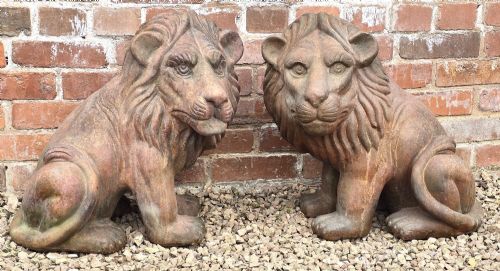
An antique garden lion guards an estate entrance or terrace, shaped from stone, terracotta or cast iron to project stately permanence outdoors.
Antique Garden Lion
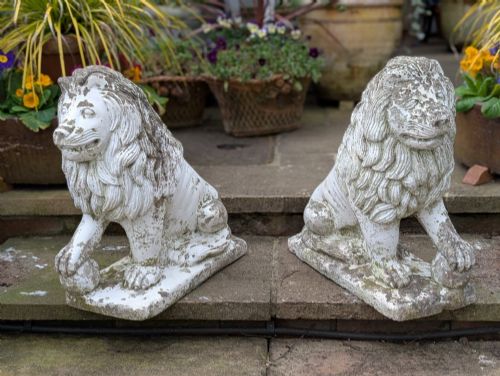
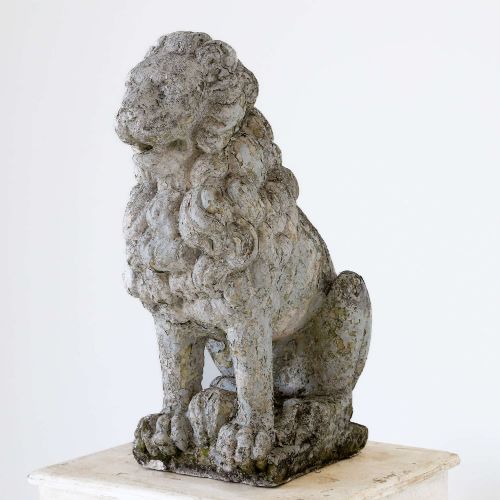
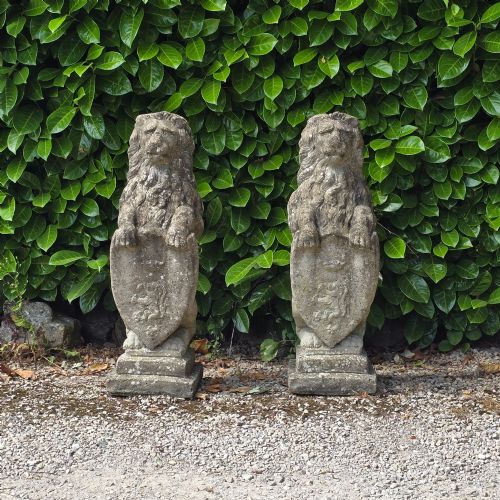
When you search for an antique garden lion, you encounter statues, post finials and architectural ornaments cast or carved in pairs or singles. These figures draw on classical motifs, Italianate traditions and English country house aesthetics.
The versions most frequently met on this page include 19th century terracotta and stone pairs, alongside composite stone and cast iron examples from the early 20th century.
Originating from British, French, Italian and Chinese workshops, these sculptures serve as gate guardians, terrace centerpieces and architectural finials.
How they were made
Makers shaped these pieces through hand sculpting, stone carving and metal casting, utilising materials such as terracotta, marble, cast iron, reconstituted stone and composite stone. Terracotta pieces were fired in kilns to achieve durable buff or red ceramic bodies, while marble and stone examples required meticulous chisel work.
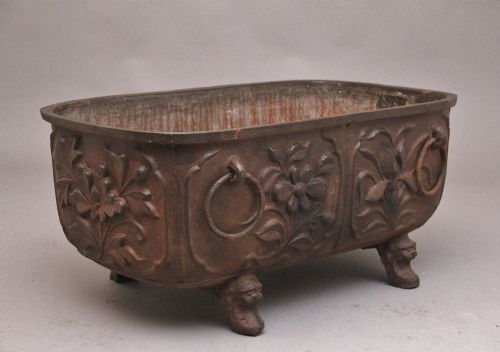
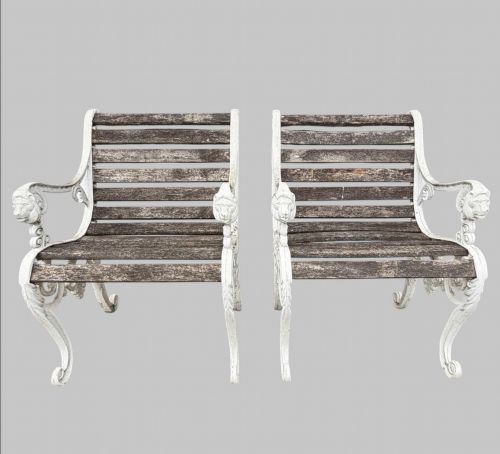
Cast iron and lead items relied on foundry moulds to produce crisp details like manes and facial expressions. Surface treatments often included original old paint or natural weathering over decades outdoors.
Antique Garden Lion Retail Price Guide 2026
Typical asking prices for garden lion among the pieces listed under this phrase on Sellingantiques today, from the lower quarter to the upper quarter. They describe what is for sale here now, not the wider market.
Listings feature 19th Century, Victorian, 1920, 1930 and 1950 periods across stone, terracotta, cast iron and marble forms.
What varies in quality
Scale and proportion also define the better examples, where balanced posture on original bases creates an authoritative presence. Material integrity, such as solid marble versus composite stone, marks the upper tier of the range.
Hurlford Kilmarnock
The Antique Garden Lion Glossary
- Terracotta
- Fired clay used for sculptural garden ornaments and large figures. It develops a warm earthen hue and patination over time.
- Campana Urn
- A bell-shaped garden vessel often associated with classical Italianate and Victorian designs. These urns frequently accompany statuary on grounds and terraces.
- Post Finial
- An architectural ornament mounted on top of a gatepost, wall or pier. Pairs of lions often served this functional and decorative role.
- Composite Stone
- A manufactured material combining crushed stone and binders to replicate natural stone sculpture. It allows for detailed moulding of garden figures.
- Neoclassical
- A style reviving classical antiquity, seen in the formal posture and proportions of many 19th century garden statues.
Antique Garden Lion: Frequently Asked Questions
Where do you place an antique garden lion?
Pairs typically stand at the entrance of a drive, flanking steps or guarding gate pillars to create an architectural frame.
Single figures or smaller statues suit terrace walls, conservatories or garden lawns where they sit amid planting.
How do I care for stone and terracotta lions outdoors?
Stone and terracotta tolerate outdoor placement well, though heavy frost can affect saturated porous ceramics over winter months.
Clearing moss and debris gently helps preserve the surface patination without stripping the historic weathering.
How can I tell the period of a stone lion?
Dating relies on tool marks, material composition and weathering patterns consistent with 19th century or early 20th century manufacturing techniques.
Comparing the style against documented neoclassical, Victorian or Italianate design traditions also clarifies the era.
Were these statues always meant for the garden?
While most items function outdoors as gate markers and lawn ornaments, some forms originate from interior or conservatory settings.
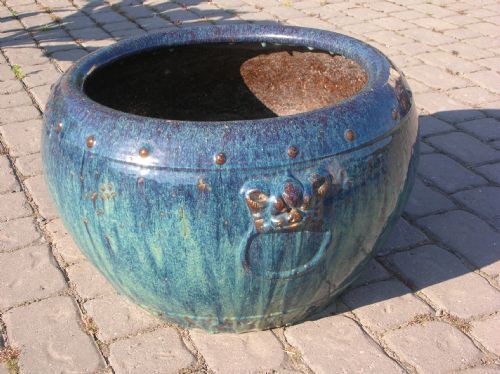
Materials like glazed pottery and marble indicate specific placement ranging from garden terraces to sheltered spaces.