






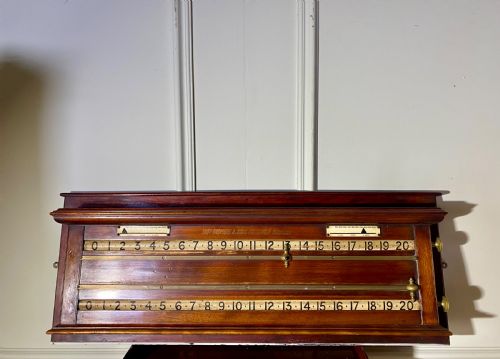

Antique Game Marker
These antique game marker pieces are traditional scoring boards and gaming accessories that keep accurate tally during pastimes.
Antique Game Marker
An antique game marker covers a range of traditional items used for keeping score and managing parlour or sporting pastimes. The examples found here span the Victorian and Edwardian eras, with a strong representation of nineteenth century pieces. Buyers searching for an antique game marker will encounter various forms, from large billiard and snooker scoreboards to smaller card game accessories.
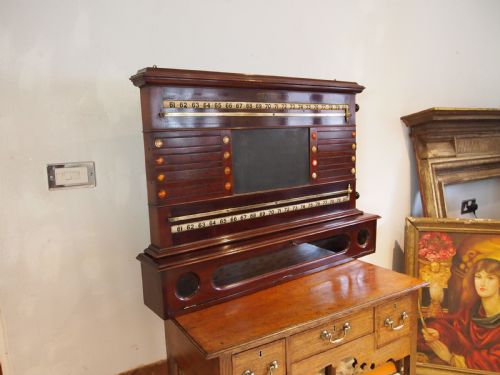
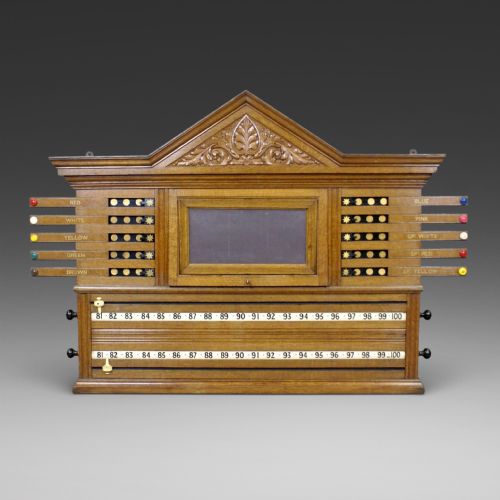
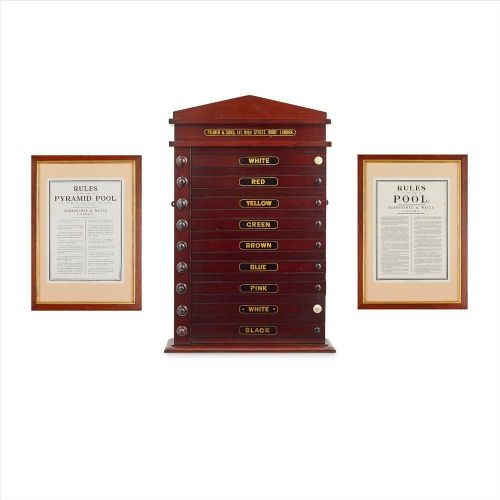
The most common versions met on this page are mahogany and oak billiards and snooker scoreboards, alongside smaller boxes and counters. These objects reflect the popularity of indoor games during the nineteenth and early twentieth centuries. Every piece serves a practical purpose while retaining the craftsmanship of its period.
How they were made
Makers utilised dense timbers such as mahogany, oak, and walnut to construct sturdy scoreboards and games boxes. These woods often feature brass mounts, hinges, and sliding markers that endure frequent handling.
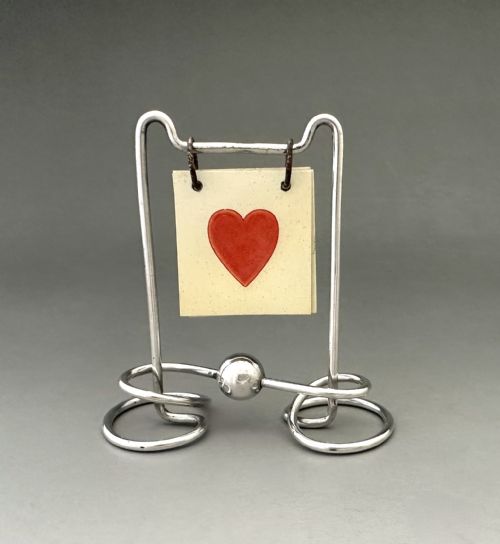
Smaller accessories incorporate materials like bone, porcelain, ceramic, glass, and enamel for counters and tokens. Silver plate and sterling silver appear on menu holders, place card holders, and small cases, displaying detailed metalwork.
Antique Game Marker Retail Price Guide 2026
Typical asking prices for game marker among the pieces listed under this phrase on Sellingantiques today, from the lower quarter to the upper quarter. They describe what is for sale here now, not the wider market.
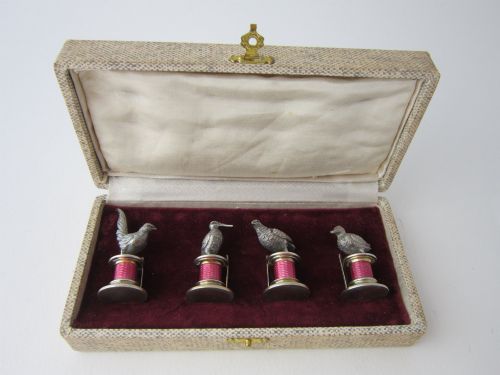
Grouse-shaped silver holders keep dinner guests correctly seated while quietly nodding to the field sports enjoyed in the shrubbery outside.
What varies in quality
Quality in these pieces rests upon the selection of materials and the reputation of the maker. Finer scoreboards utilise figured walnut, pale oak, or substantial mahogany, paired with well-cast brass components that move smoothly.
Attribution to known makers elevates an object, as seen in pieces originating from established firms. The integration of ceramic tokens, enamel details, or original leather boxes further distinguishes superior examples.
Thurston and Co·George Betjemann·Cox and Yeman·Burroughes and Watts
The Antique Game Marker Glossary
- Scoreboard
- A large board mounted on a wall to record points for cue sports such as billiards, snooker, and pool. These typically feature sliding pointers and numbered rollers.
- Cribbage board
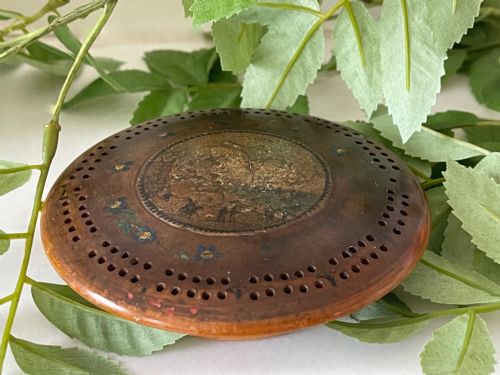
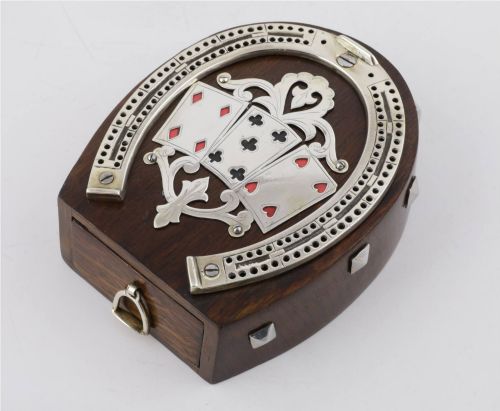
- A wooden board drilled with small holes to track scores in the card game cribbage using pegs. They often form part of larger games boxes.
- Whist counter
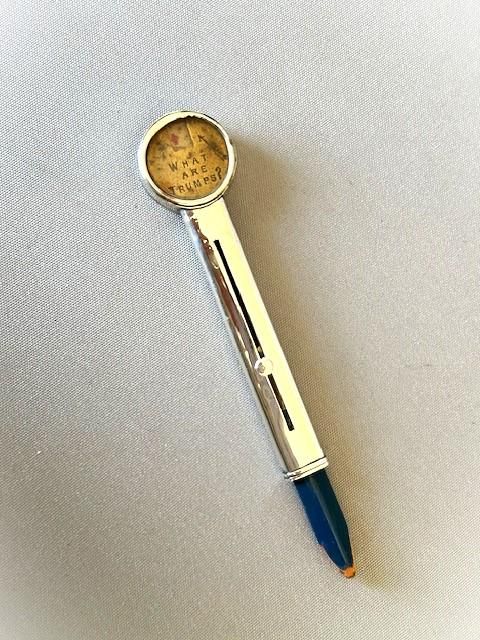
- Small circular disks or tokens used to keep score during card games. They are frequently housed in fitted leather cases.
- Menu holder
- A small desk accessory used to display dining menus or place cards at a table. These often take the form of sporting subjects such as grouse or horseshoes.
Antique Game Marker: Frequently Asked Questions
What is an antique game marker?
An antique game marker is a device or accessory used to keep score during pastimes like billiards, snooker, and card games. These objects date from the nineteenth and early twentieth centuries.
They range from large wooden wall scoreboards to small bone counters and leather-boxed tokens used in domestic parlours.
How do you use a snooker scoreboard?
A snooker scoreboard uses sliding brass pointers or rotating wooden rollers to track the scores of competing players across multiple frames. The numbers are marked directly onto the timber frame.
Larger boards accommodate multiple players and include subsidiary dials for frames won or total points accumulated.
Where were these pieces used?
These pieces were used in domestic homes, private gentlemen's clubs, and billiard halls during the Victorian and Edwardian periods. They formed standard equipment for evening entertainment.
Dining rooms, games rooms, and libraries all housed these scoring boards and card accessories to support social gatherings.
How do I care for wooden scoreboards?
Wooden scoreboards require dusting with a dry cloth and occasional treatment with suitable furniture wax to maintain the finish of the oak or mahogany. Avoid placing them in direct sunlight or near heat sources.
Brass markers and hinges benefit from gentle cleaning to prevent tarnishing without disturbing the surrounding timber.