

Antique Gallery Frame
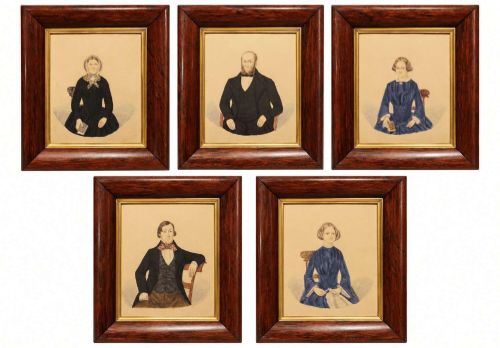
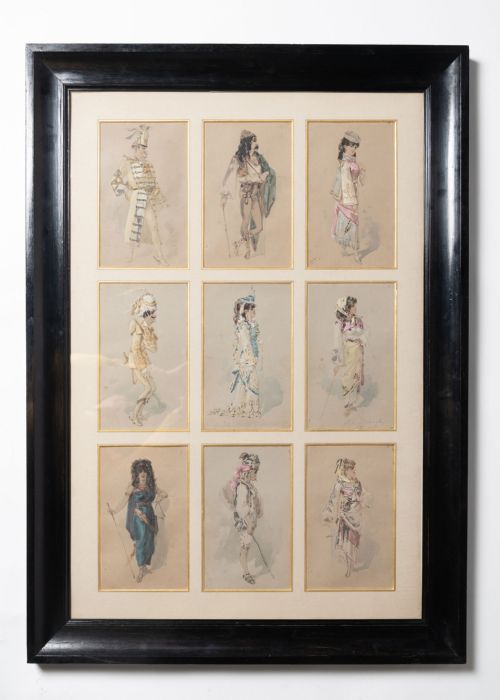
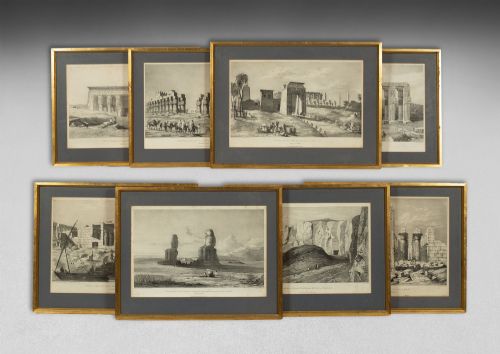
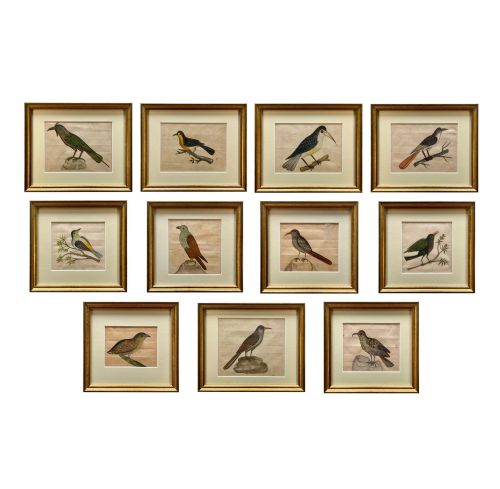
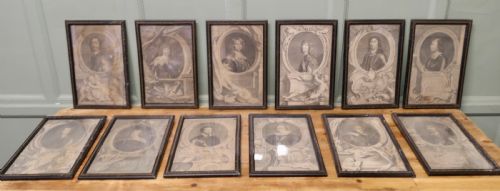
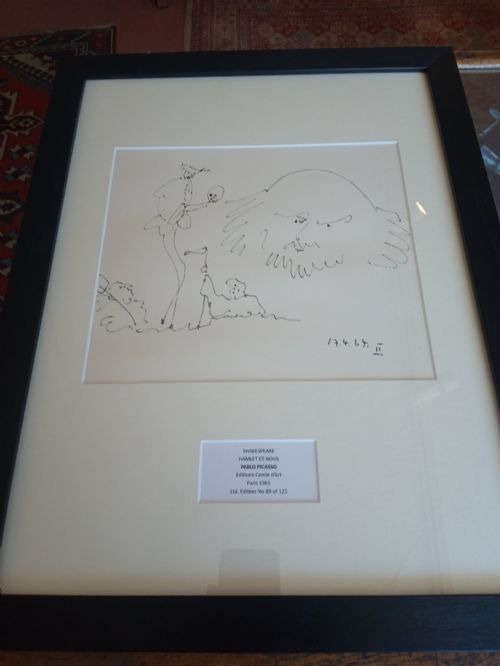
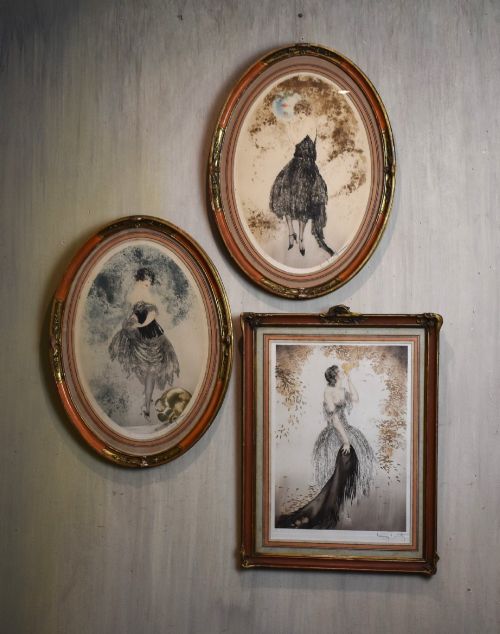
An antique gallery frame houses works on paper and canvas from the eighteenth, nineteenth, and early twentieth centuries.
Antique Gallery Frame
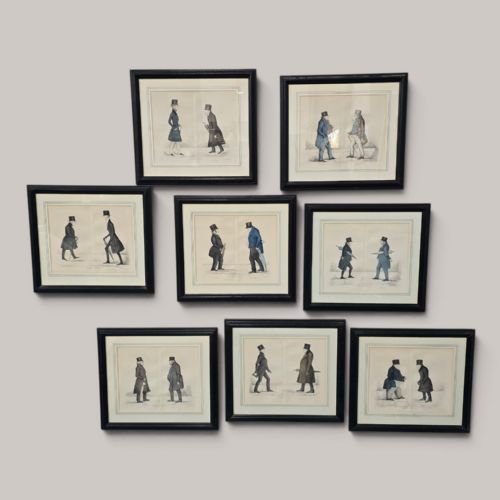
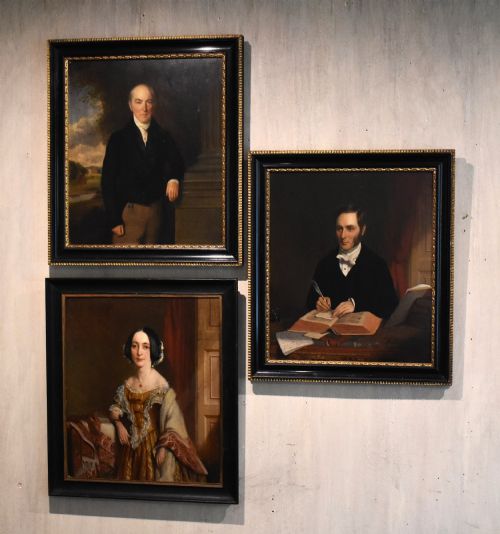
An antique gallery frame encloses historical artworks, silhouettes, and botanical studies originating from periods such as the Georgian, Victorian, and Regency eras. Buyers searching for an antique gallery frame frequently encounter wall art, framed prints, and paintings originating from established English and European schools.
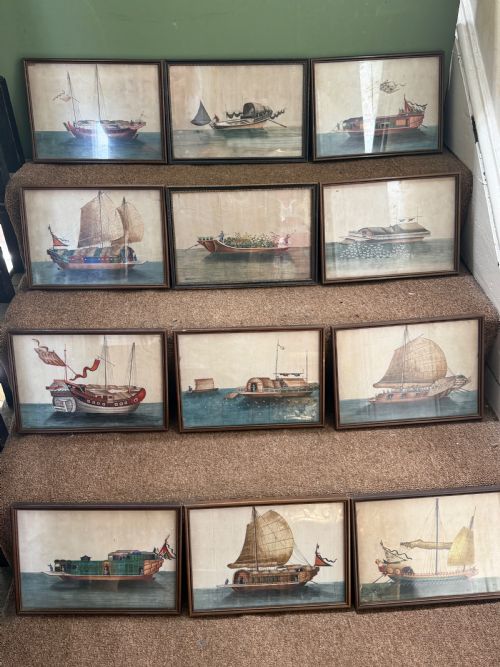
The selections span distinct creative endeavours, including cut paper silhouettes from the Hubard Gallery, hand-tinted engravings, and gouache depictions of ships and landscapes. These framed pieces serve as historical interior furnishings that retain their original mounting and protective glass.
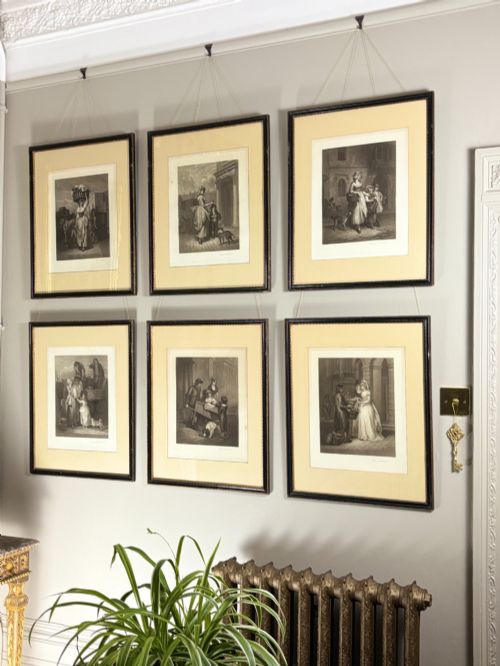
Many listings incorporate multi-plate series, such as botanical studies by John Curtis or Edward Lear, preserved together in period surrounds. These groupings demonstrate how historical imagery was collected and displayed as cohesive interior sets.
Materials and construction
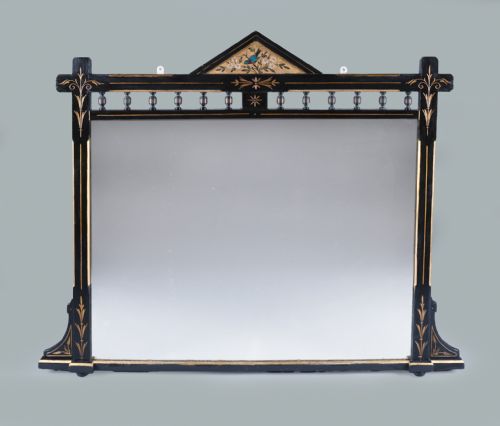
Makers utilised traditional timbers such as mahogany, walnut, and oak to construct foundational framing and associated stands, applying gilding and paint finishes where appropriate. Glass and brass components protect delicate paper works, watercolours, and engravings from atmospheric degradation.
Artistic execution relies upon established mediums including watercolour, pencil, mezzotint engraving, and opaque gouache on paper grounds. Framing techniques from these periods involve secure rear mounting behind glass panels to safeguard the integrity of the enclosed works.
Antique Gallery Frame Retail Price Guide 2026
Typical asking prices for gallery frame among the pieces listed under this phrase on Sellingantiques today, from the lower quarter to the upper quarter. They describe what is for sale here now, not the wider market.
One listed shop sign from the early twentieth century bears the painted title 'The Baldock Gallery', preserving a forgotten merchant's storefront.
Assessing craftsmanship
Superior examples demonstrate meticulous hand-tinting, crisp impression quality in early engravings, and precise joinery within the framing woodwork. The longevity of the piece depends upon the preservation of the original paper ground and the stability of the surrounding gilt wood or timber housing.
Distinctions in value arise from the documented provenance of the artwork, the completeness of multi-plate sets, and the hand of recognised artists or publishers. Original period glass and untouched backing materials elevate the historical integrity of the piece.
The Hubard Gallery·Walker And Hall·Elkington And Co
The Antique Gallery Frame Glossary
- Mezzotint
- A printmaking process of the intaglio family where the plate is roughened to produce tonal gradations rather than hard lines. This technique allows for rich, velvety dark areas and subtle light transitions.
- Gouache
- An opaque water-based paint medium consisting of pigment, water, and a binding agent such as gum arabic. It dries to a dense, matte finish.
- Silhouette
- A portrait represented as a solid shape of a single colour, usually black, outlined and filled in. These works were frequently cut from paper or painted during the nineteenth century.
- Engraving
- A printmaking method where an artist carves lines directly into a metal plate with a burin. The resulting incisions hold ink for transfer onto paper under pressure.
Antique Gallery Frame: Frequently Asked Questions
How should I hang framed antique art?
Hang these pieces away from direct sunlight and excessive moisture to protect the paper, pigments, and wooden frames from fading or warping.
Ensure the wall fixings match the weight of the timber and glass assembly to support the structure securely.
What periods do these frames represent?
The available pieces originate primarily from the eighteenth, nineteenth, and early twentieth centuries, spanning the Georgian, Regency, and Victorian eras.
Each period exhibits distinct woodworking techniques and decorative motifs that correspond to the date of the enclosed artwork.
Are the prints original period works?
The selections comprise original engravings, mezzotints, and watercolours produced during the eras recorded in the individual listings.
Publishers and artists from these centuries created the works using traditional hand-press and painting methods.
How do I care for antique glass and frames?
Dust the timber surrounds gently with a dry, soft cloth and avoid spraying cleaning liquids directly onto the glass or frame.
Moisture can seep behind the glass and damage fragile paper watercolours or engravings stored within.