


Antique Furniture with Mirror
These pieces of antique furniture with mirror combine functional woodwork with reflective glass, offering practical utility and a sense of light in traditional interiors.
Antique Furniture with Mirror
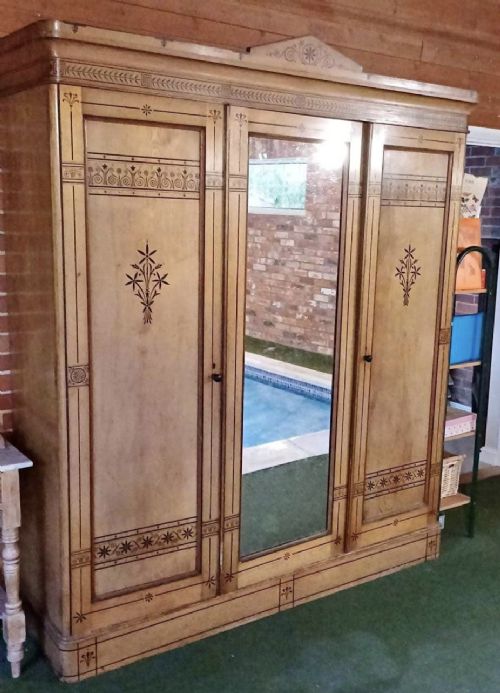
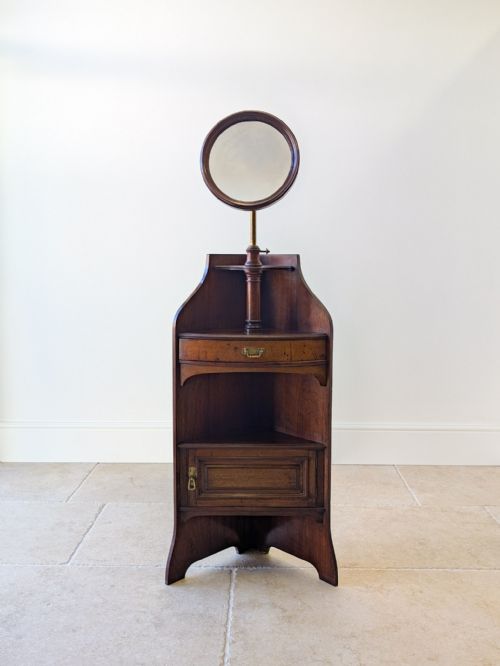
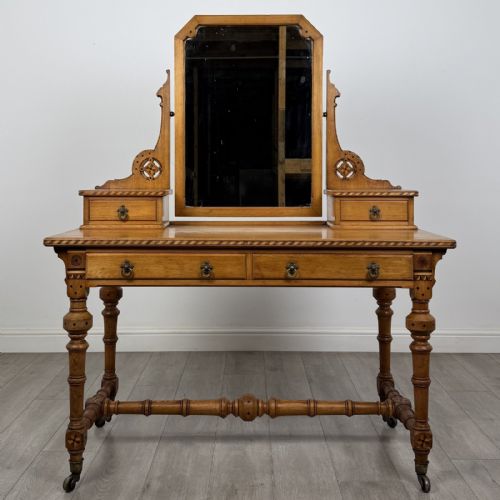
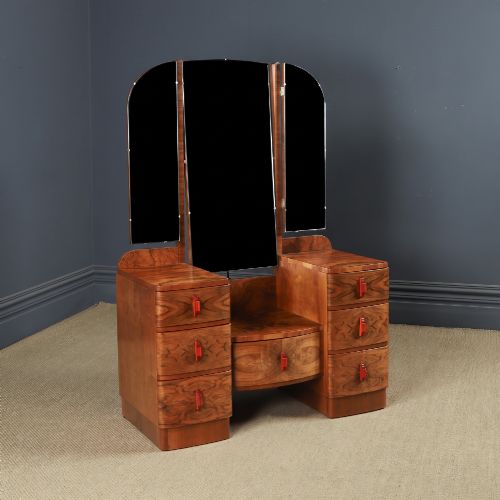
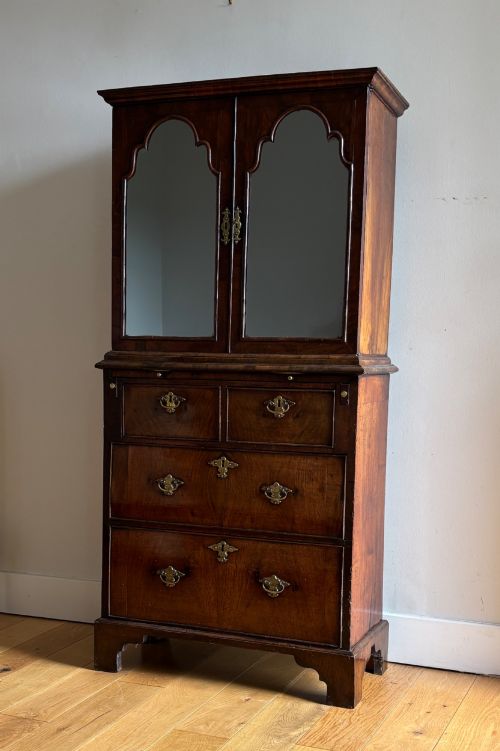
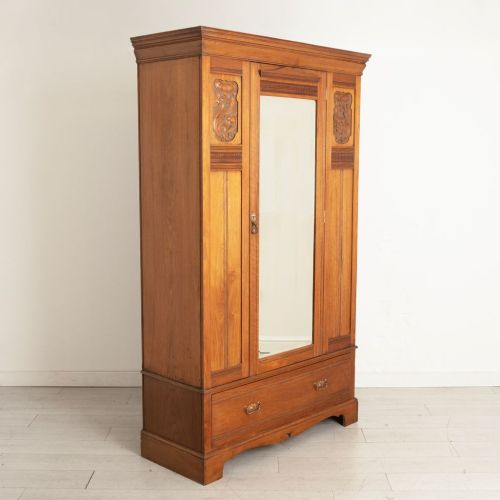
Antique furniture with mirror encompasses a diverse group of domestic objects where reflective glass is integrated directly into the wooden structure. The selection spans dressing tables, hall stands, wardrobes, and cabinets originating across the nineteenth and early twentieth centuries.
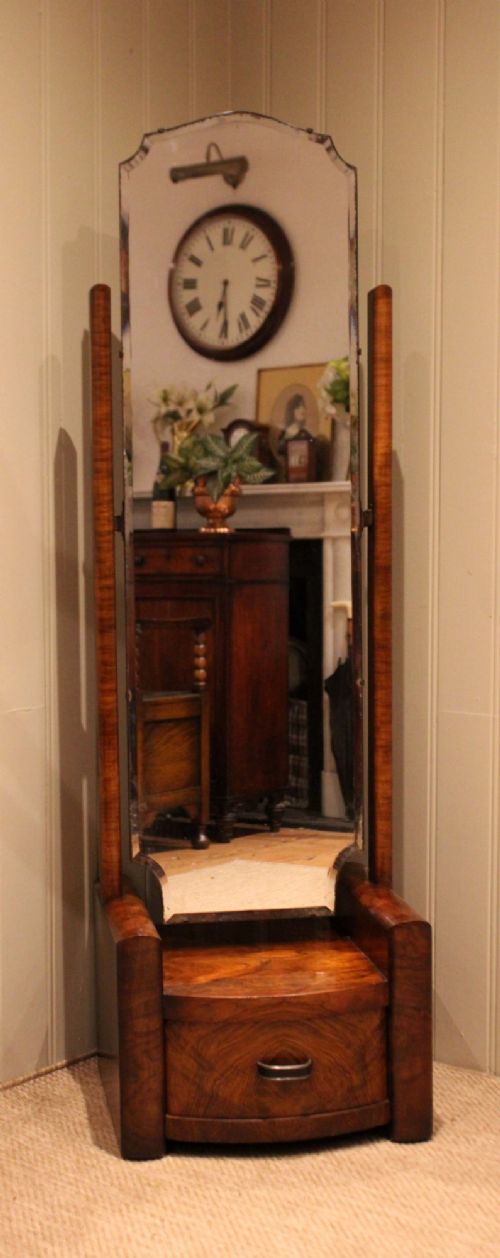
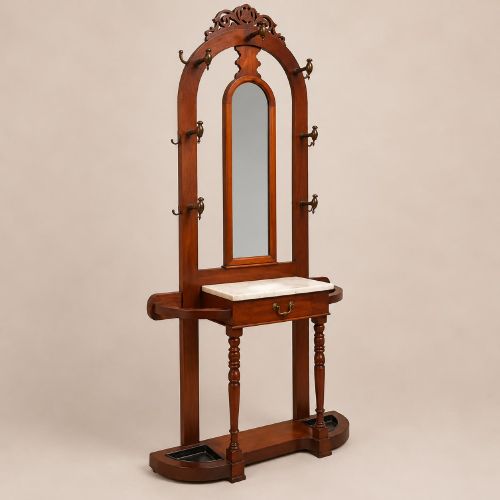
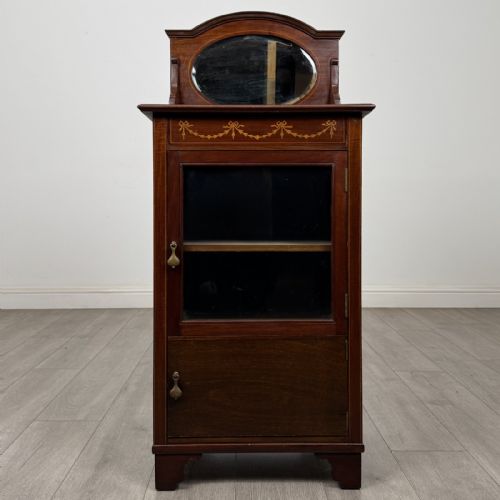
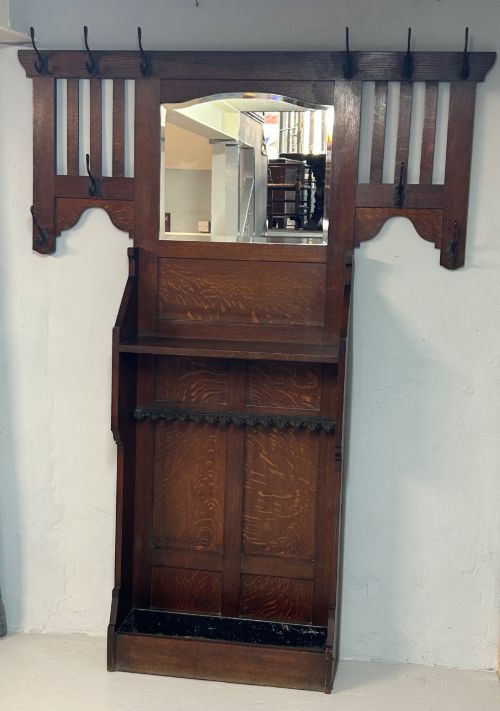
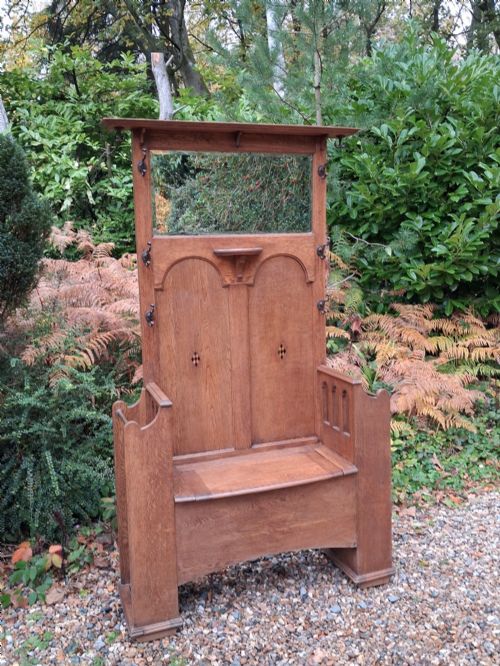
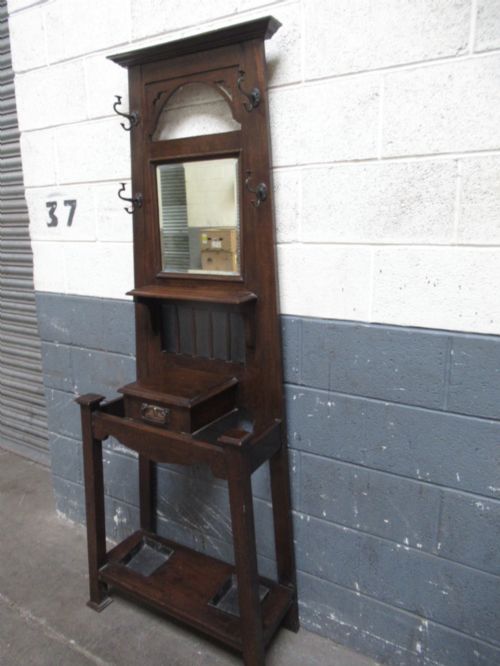
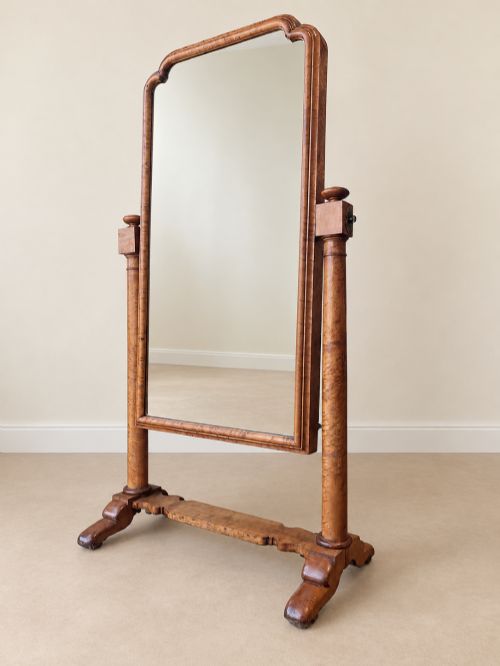
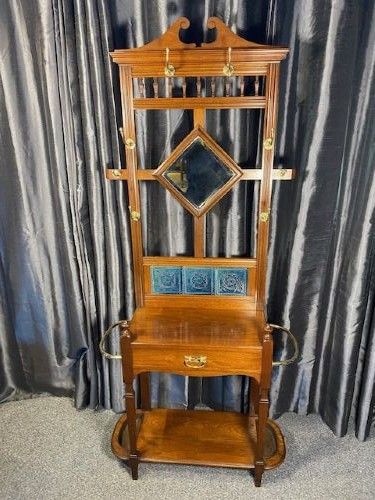
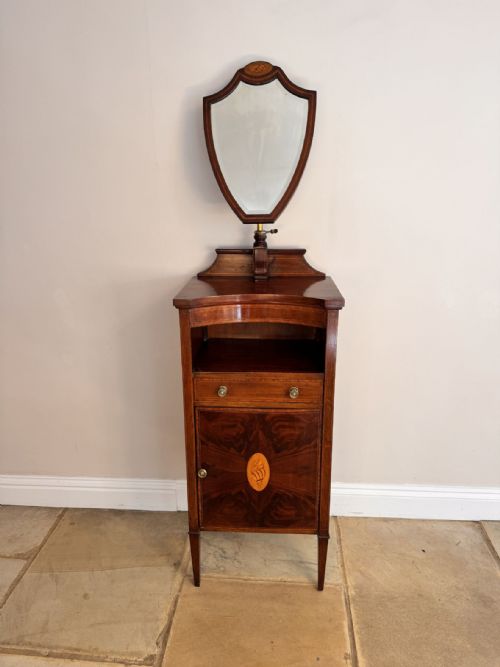
Victorian and Edwardian examples dominate the listings, frequently taking the form of hall stands with coat hooks or dressing chests featuring adjustable shield mirrors. Makers applied glass panels to everything from compact wall shelves to large bedroom suites and credenzas.
Stylistic influences range from heavily carved oak and walnut revival pieces to lighter inlaid rosewood, bamboo, and ash creations. Buyers encounter both domestic English workshops and continental French manufacturing within the recorded inventory.
How They Were Made
Cabinet makers utilised dense hardwoods such as mahogany, oak, walnut, and rosewood alongside softer pine and exotic veneers like burr walnut and birdseye maple. Frames were constructed using traditional joinery methods, often incorporating carved details, turned spindle work, or contrasting marquetry inlays.
Metal elements including brass hooks, cast iron frames, ormolu mounts, and copper details appear frequently to support hats, coats, and umbrellas or to accent cabinet doors. Mirror glass was bevelled and set securely into wooden rebates, occasionally accompanied by adjustable brass brackets or tilting mechanisms.
Antique Furniture with Mirror Retail Price Guide 2026
Typical asking prices for furniture with mirror among the pieces listed under this phrase on Sellingantiques today, from the lower quarter to the upper quarter. They describe what is for sale here now, not the wider market.
The listings span multiple periods from the eighteenth century to the mid-twentieth century, featuring oak, mahogany, walnut, and bamboo.
What Varies in Quality
The standard of carving and timber selection determines the distinction between standard utility items and high-end commissions. Elaborate figurative motifs, such as Green Man carvings or detailed floral marquetry, indicate greater artisan investment than plain panel work.
The original condition and clarity of the mirror glass alongside the preservation of secondary timbers like drawer linings influence overall desirability. Maker attribution, through stamps or known design provenance, elevates specific pieces above anonymous production.
Shapland and Petter·Gillows·George Walton·Thonet
The Antique Furniture with Mirror Glossary
- Hall Stand
- A piece of entranceway furniture designed to hold coats, hats, and umbrellas, typically incorporating a central mirror and umbrella drip trays. These items often feature integrated bench seats or compartments for walking sticks.
- Dressing Chest
- A bedroom storage unit featuring a set of drawers surmounted by a fixed or adjustable mirror. They provide surface space for grooming items and frequently include small trinket drawers.
- Burr Walnut
- A wood figure obtained from the burl growths of walnut trees, prized for its complex, swirling grain patterns. Cabinet makers sliced this timber into thin veneers to cover prominent drawer fronts and cabinet doors.
- Ormolu
- Gilt bronze ornamentation applied to furniture mounts, popular in French decorative arts. This technique involves coating cast bronze with a finely ground mercury and gold amalgam before heating.
- Aesthetic Movement
- A late nineteenth-century design current that emphasised visual beauty over narrative or moral themes. Pieces from this movement often display Japanese influences, ebonised finishes, and bamboo construction.
Antique Furniture with Mirror: Frequently Asked Questions
How do I clean an antique mirror?
Use a soft, lint-free cloth with a mild, non-ammonia cleaning solution applied to the cloth rather than directly onto the glass. This prevents moisture from seeping behind the silvering.
Take care around the edges of the glass where the backing may have degraded over time. Avoid harsh chemical sprays that can damage the surrounding wooden frame.
Can I replace a damaged mirror?
Replacing glass is possible, but original silvered plates with foxing and age spots contribute significantly to the character of antique furniture. Retaining the original glass is generally preferred by collectors.
If replacement is necessary for structural reasons, consult a specialist restorer to source period-appropriate glass with a similar bevel and thickness.
Where should I place a hall stand?
These pieces suit entrance halls and spacious corridors where they provide practical storage for outdoor garments and accessories. The integrated mirror helps reflect light into narrow hallway spaces.
Ensure the piece is positioned away from direct heat sources and strong sunlight to protect the polished wood surfaces and prevent veneer warping.
How do I distinguish Victorian from Edwardian styles?
Victorian pieces generally display heavier proportions, darker woods, and more ornate or eclectic ornamentation drawing on Gothic, Renaissance, or Rococo revivals. Carvings tend to be deep and substantial.
Edwardian furniture typically favours lighter timbers such as satinwood, mahogany, and inlaid rosewood with simpler, airier forms influenced by neoclassical and arts and crafts ideals.