
Antique Furniture Piece
An antique furniture piece brings distinct period character to a room, ranging from intimate miniature chests to substantial matching suites.
Antique Furniture Piece
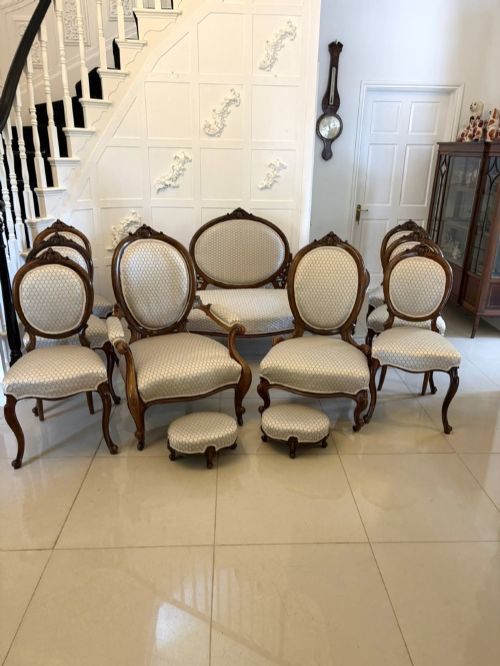
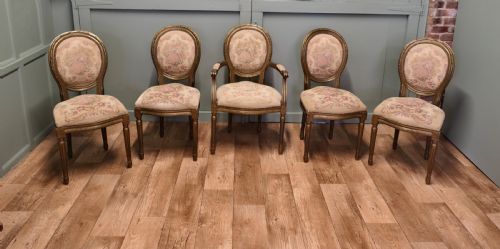
When searching for an antique furniture piece, buyers encounter a diverse selection spanning multiple centuries and regional workshops. The domestic forms on offer include large seating suites, bedroom groupings, and single storage cupboards.
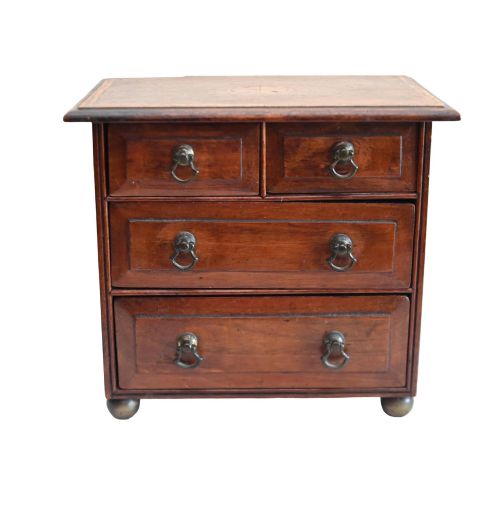
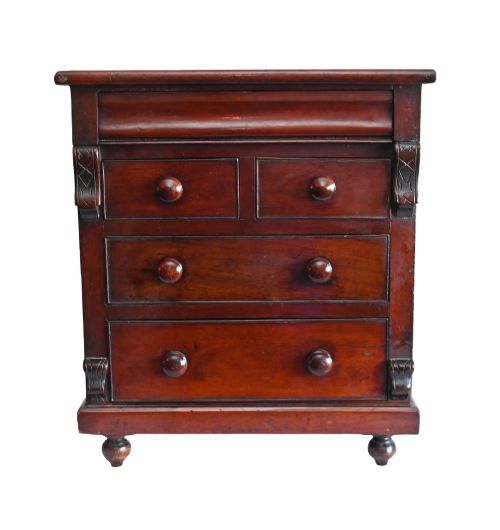
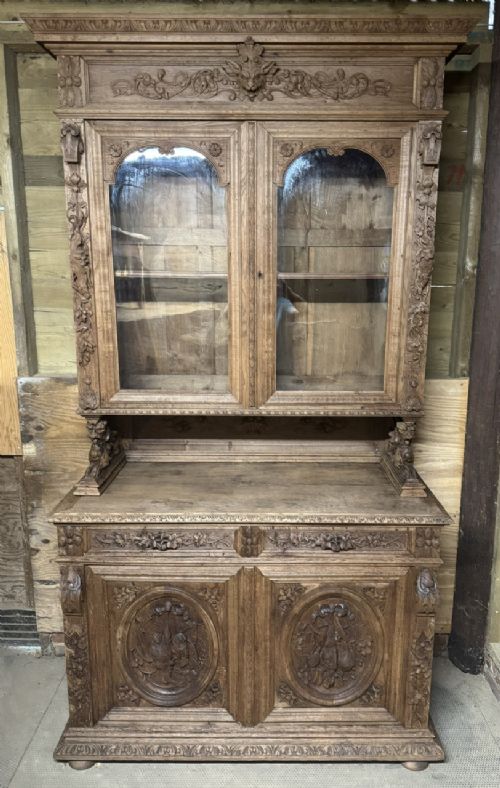
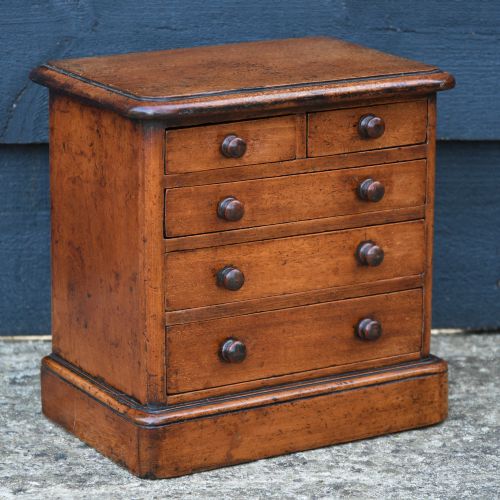
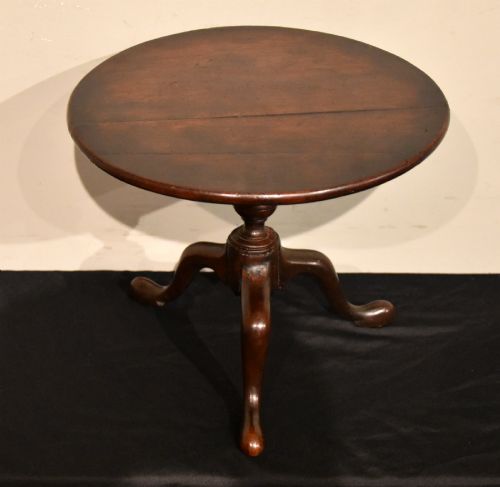
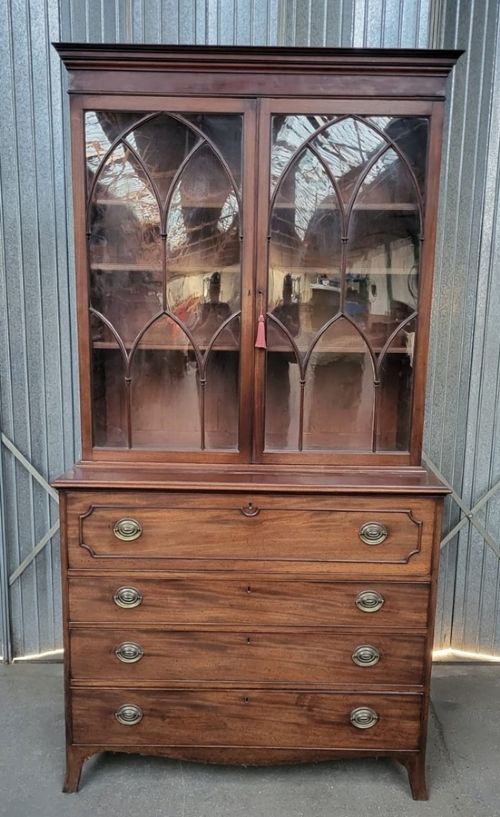
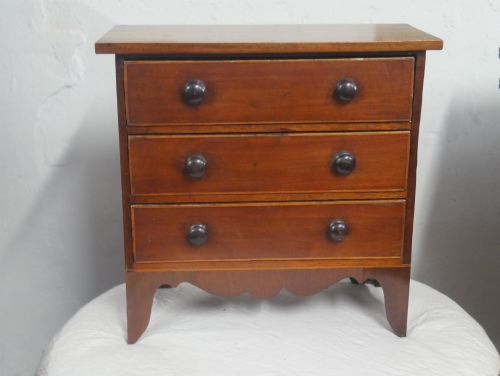
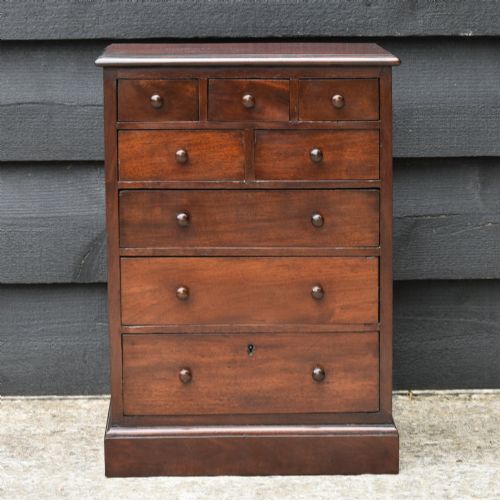
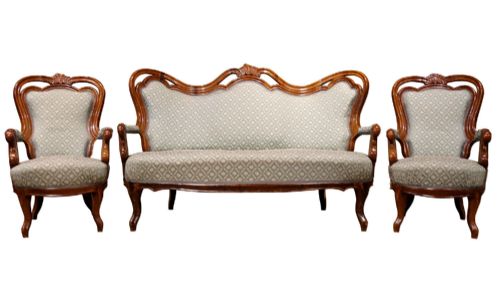
Miniature chests of drawers and apprentice pieces feature prominently among the smaller items, alongside tables and glazed bookcases. Larger gatherings comprise salon and drawing room suites fashioned from walnut and mahogany.
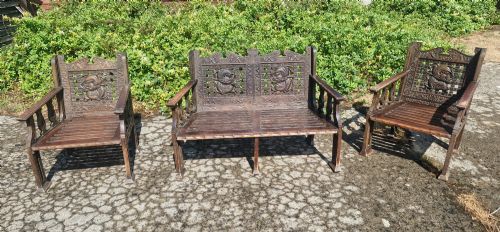
Cabinetry in oak, pine, and satinwood reflects both formal Victorian tastes and regional vernacular traditions. Pieces range from straightforward country pine boards to elaborate Edwardian chinoiserie and Arts and Crafts designs.
Materials and construction
Makers utilised timber varieties such as mahogany, walnut, oak, and pine, selecting each wood for its grain and structural capability. Joinery methods included traditional dovetailing and pegged framing, ensuring stability across large wardrobes and small miniature drawers.
Surface treatments incorporated natural wax finishes, applied paints, ebonising, and intricate brass hardware. Carved ornamentation, glass panels, and inlaid details frequently embellished the primary structure without compromising its utility.
Listings feature pieces spanning the eighteenth to the twentieth centuries, utilising mahogany, walnut, oak, pine, and brass.
Quality variations
Distinctions in quality often rest on the precision of the joinery and the selection of timber veneers. Master cabinetmakers balanced structural integrity with refined carving, whereas regional or vernacular makers prioritized robust everyday utility.
Original elements such as brass pulls, glass panes, and painted surfaces elevate a piece's integrity. The crispness of carved mouldings and the symmetry of wood grain across large suites distinguish workshop standards.
Waring & Gillows·Frank Taylor & Co.
The Antique Furniture Piece Glossary
- Apprentice piece
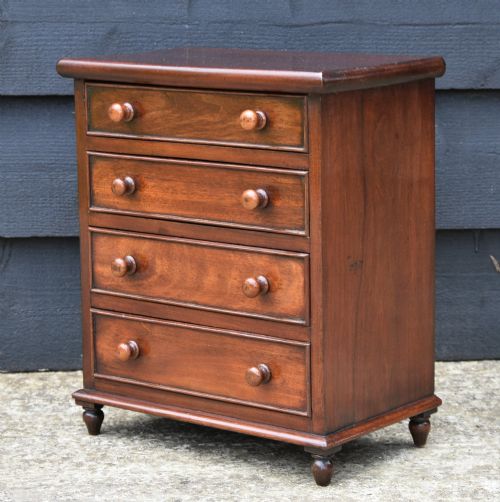
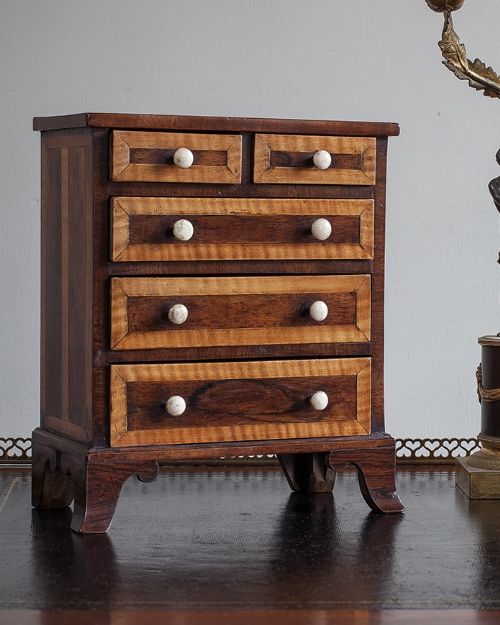
- A small-scale item demonstrated to a guild by a craftsman seeking master status. These frequently take the form of miniature chests of drawers.
- Salon suite
- A matching set of upholstered seating furniture designed for formal entertaining. These groupings commonly include sofas, armchairs, and side chairs.
- Press cupboard
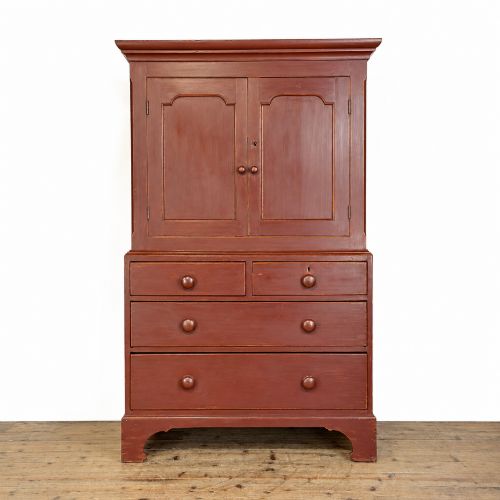
- A large storage item featuring internal shelving or hanging space enclosed by doors. These storage units often use pine or oak construction.
- Dentil cornice
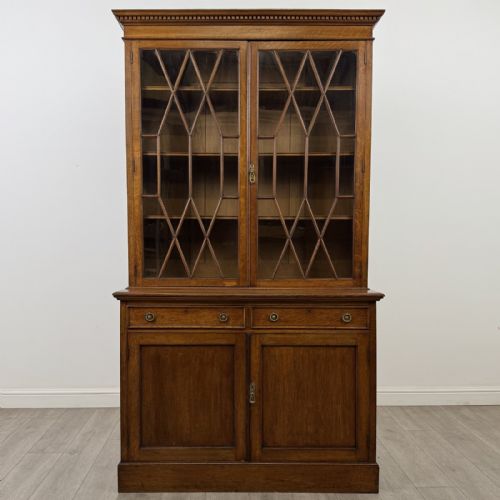
- An architectural moulding characterised by a sequence of small, rectangular blocks projecting beneath the roofline. This decorative band typically tops tall bookcases and cabinets.
- Ebonised
- Wood treated with a dark stain or finish to imitate ebony. This technique was popular in Victorian cabinetmaking.
Antique Furniture Piece: Frequently Asked Questions
What is an apprentice piece?
An apprentice piece is a scaled-down version of a larger item, created by a trainee craftsman to demonstrate mastery of joinery techniques. These items were often kept as portfolio pieces or used for storing small valuables like jewellery.
Meditating on their scale reveals exceptional attention to detail, matching the construction standards of full-sized furniture. Miniature chests of drawers serve as prime examples of this historic practice.
How are large seating suites arranged?
Large seating suites include sofas, armchairs, and side chairs designed to coordinate within a formal reception room. They provide unified styling for entertaining guests.
Arranging these groupings requires balancing visual weight around a central space. Matching footstools often accompany the seating to complete the ensemble.
What defines Arts and Crafts furniture?
Arts and Crafts furniture emphasises honest construction, visible joinery, and the natural grain of timbers like oak. Makers rejected industrial uniformity in favour of handcrafted integrity.
These pieces feature simple geometric lines and subtle decorative carving. They fit naturally into interiors that value functional design and durable materials.
How do I care for antique pine?
Antique pine requires gentle maintenance using traditional beeswax to nourish the wood and preserve the surface. Avoid placing these items in direct sunlight or near heat sources.
Regular polishing maintains the soft sheen characteristic of older pine surfaces. Cleaning should rely on dry or slightly damp cloths without harsh chemical detergents.