

Antique Furniture Collectors
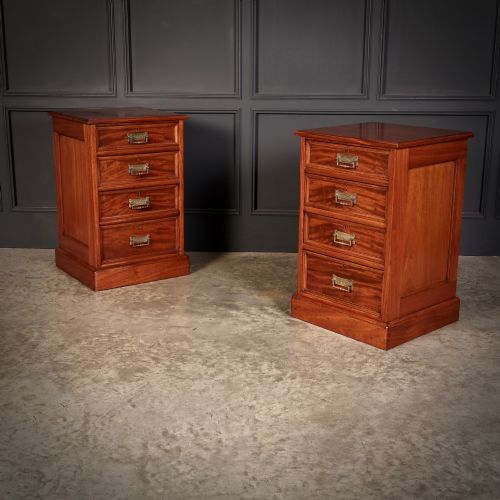
These antique furniture collectors pieces comprise miniature chests, cabinets on stand, and specialised storage spanning the seventeenth to early twentieth centuries.
Antique Furniture Collectors
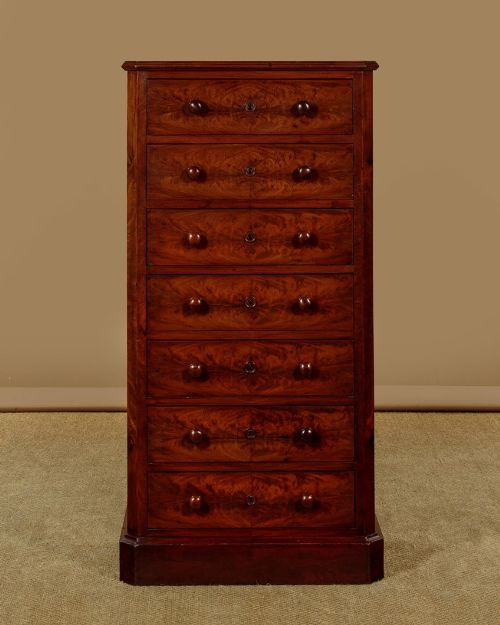
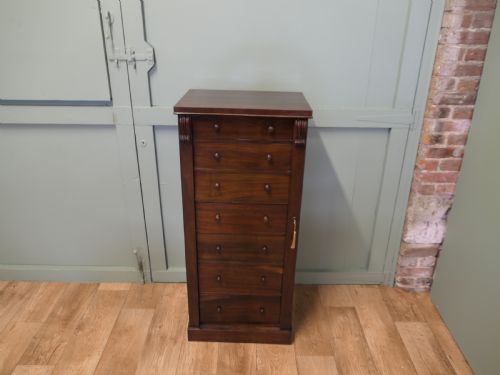
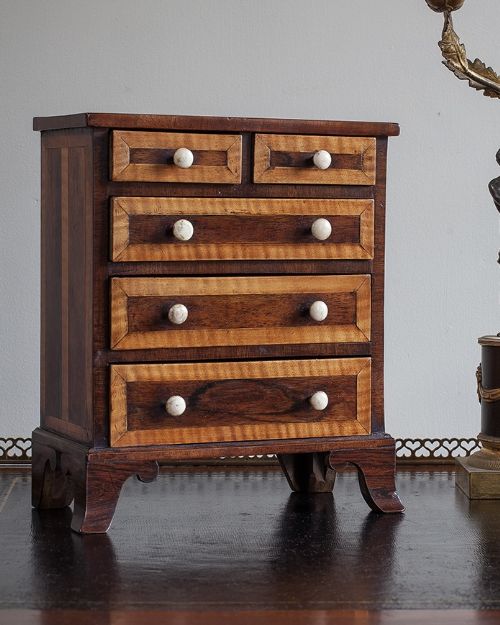
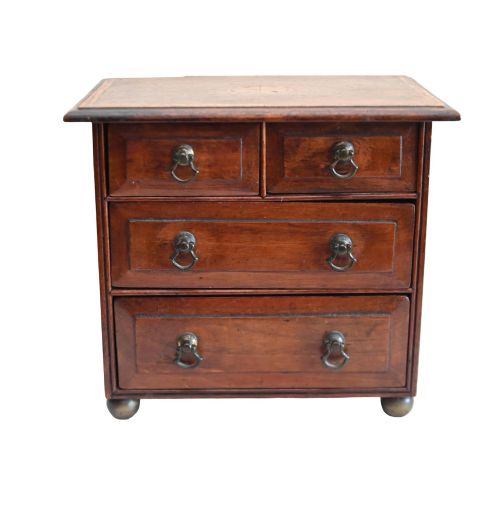
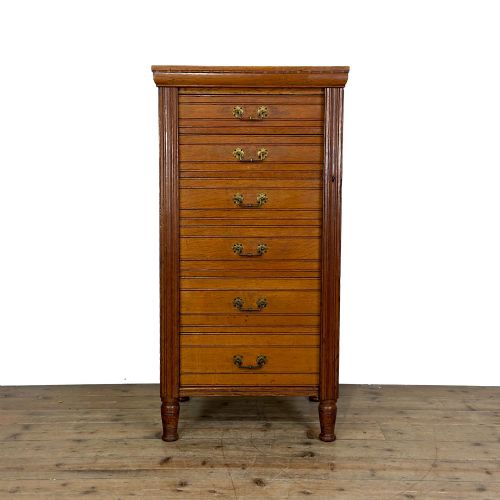
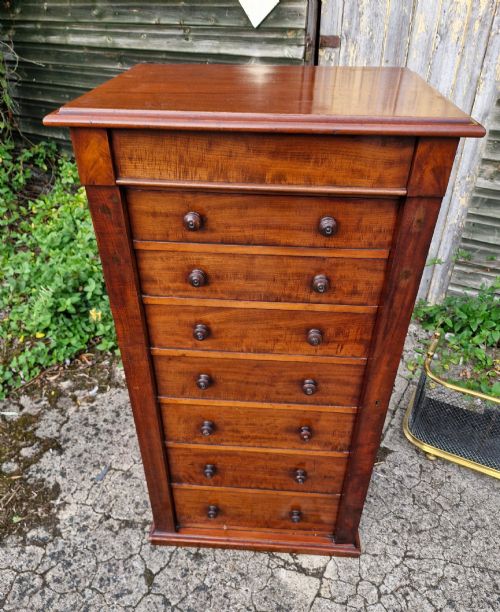
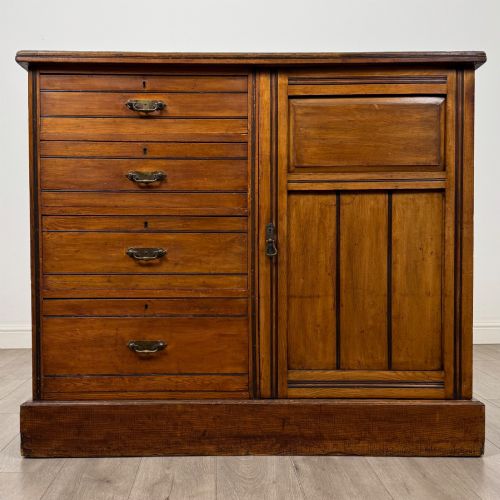
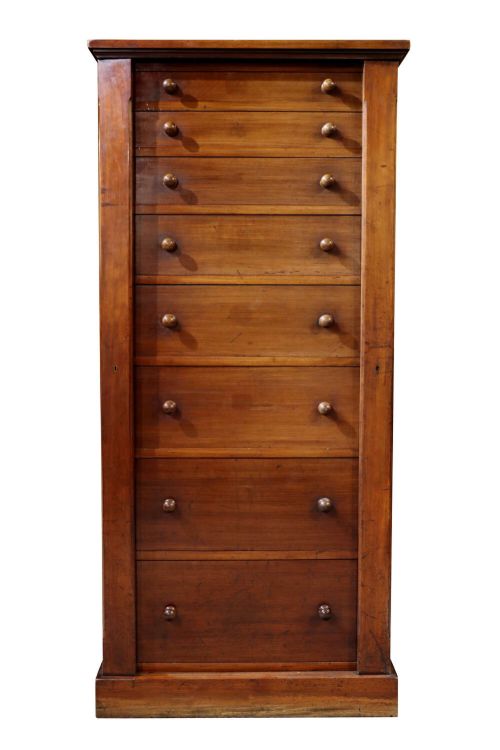
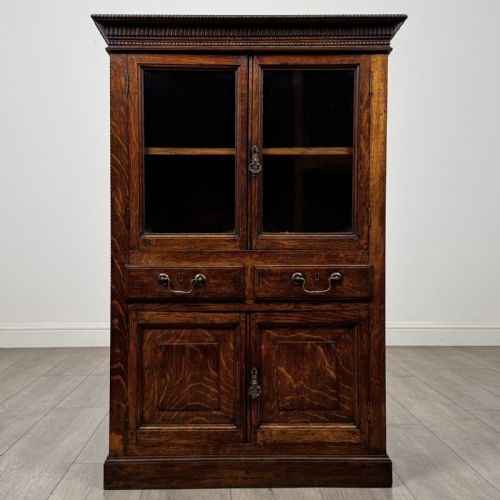
When sourcing antique furniture collectors items, buyers encounter a specialised range of small-scale storage forms, apprentice pieces, and tabletop cabinets designed for display or organisation. The inventory on this page leans heavily toward Victorian mahogany Wellington chests, miniature chests of drawers, and various display cabinets spanning periods from the seventeenth century through to the Edwardian era.
Materials and Technique
Cabinet makers utilised dense hardwoods like mahogany, oak, and walnut, frequently pairing them with secondary timbers for internal drawer linings and backboards. Surface finishing relied heavily on traditional French polishing, which brought out the natural grain patterns of rosewood, satinwood, and mahogany.
Joinery techniques ranged from precise dovetail joints on small drawers to elaborate decorative embellishments including marquetry inlay, bone accents, and pewter stringing. Structural integrity was maintained through sturdy framing, panelled doors, and turned feet, while specialised pieces incorporated locking mechanisms such as the locking stile found on Wellington chests.
Antique Furniture Collectors Retail Price Guide 2026
Typical asking prices for furniture collectors among the pieces listed under this phrase on Sellingantiques today, from the lower quarter to the upper quarter. They describe what is for sale here now, not the wider market.
Materials span traditional British oak and mahogany alongside exotic rosewood, amboyna, and ash.
The Spectrum of Craftsmanship
The distinction between ordinary utility items and superior examples lies in the crispness of the secondary detailing, such as hand-cut dovetails, the precision of marquetry inlay, and the retention of original hardware. Finer pieces demonstrate careful timber selection, matching grain patterns across drawer fronts, and harmonious proportions.
Condition and originality dictate much of the standing within this category, favouring items that retain their original polish, working locks, and interior fittings without significant later alterations. The integration of complex decorative elements, such as tortoise-shell panels or intricate bone inlay on seventeenth-century pieces, marks the upper tier of execution.
G. Bartholomew & Co
The Antique Furniture Collectors Glossary
- Wellington chest
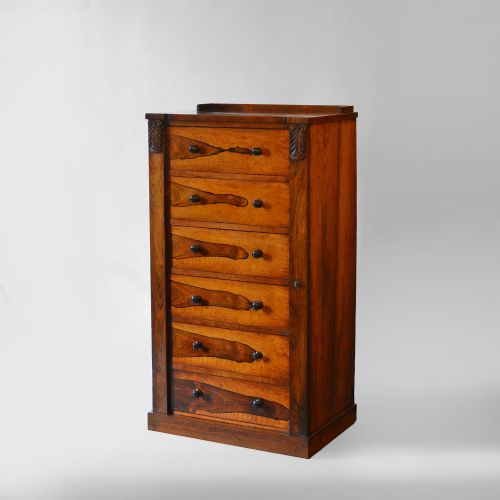
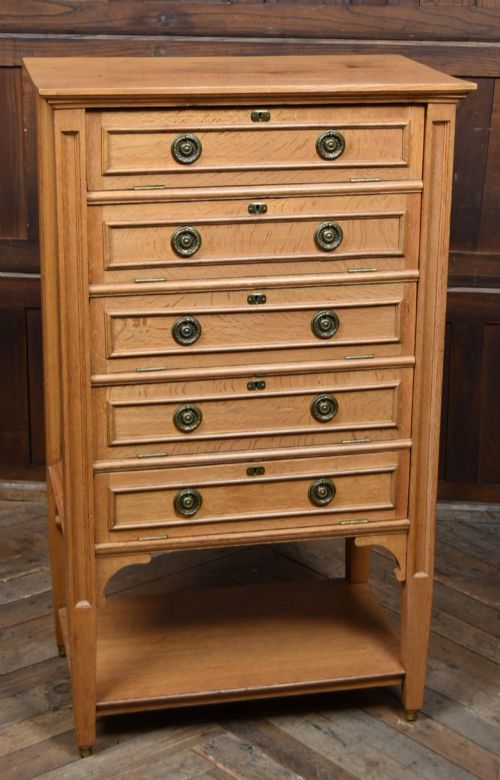
- A tall, narrow chest of drawers featuring a hinged locking stile on one side that secures all drawers simultaneously. Originating in the nineteenth century, this form maximised vertical storage space in modest rooms.
- Cabinet on stand
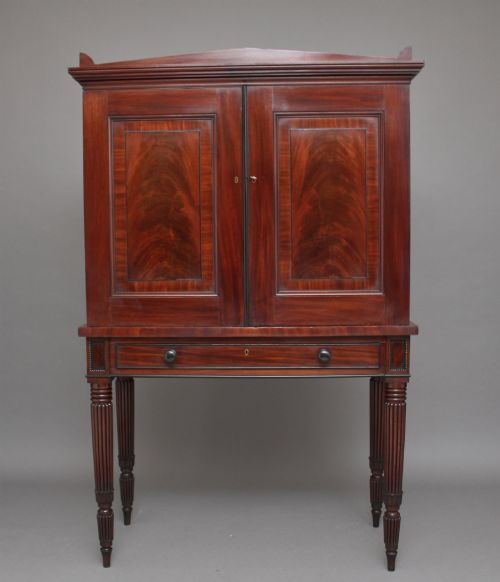
- A two-part form consisting of a primary enclosed storage box resting upon an independent table base or stand. Examples range from seventeenth-century Flemish baroque designs to later Georgian interpretations.
- Vitrine
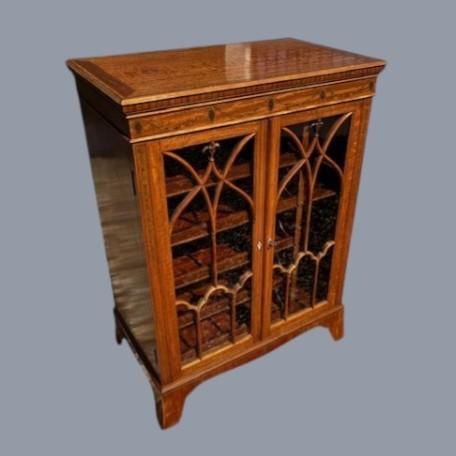
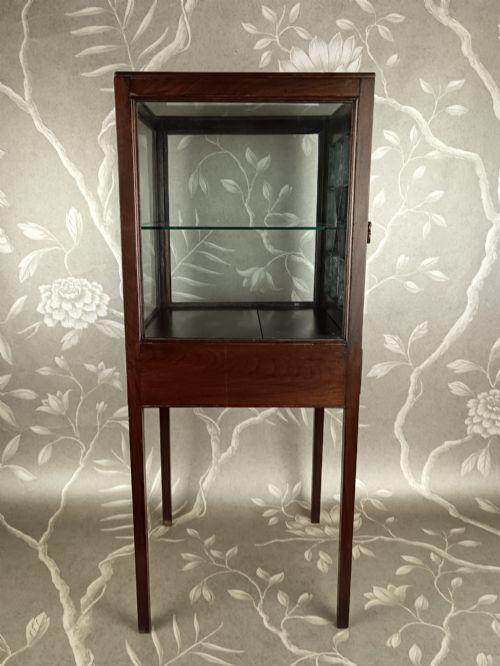
- A glass-fronted display cabinet designed for the presentation of porcelain, curiosities, or small collectibles. These pieces often incorporate delicate glazing bars and mirrored backs to enhance illumination.
- French polish
- A wood finishing technique that applies numerous thin coats of shellac dissolved in alcohol using a rubbing pad. This method produces a high-gloss surface with a deep, warm lustre.
Antique Furniture Collectors: Frequently Asked Questions
What is an apprentice piece?
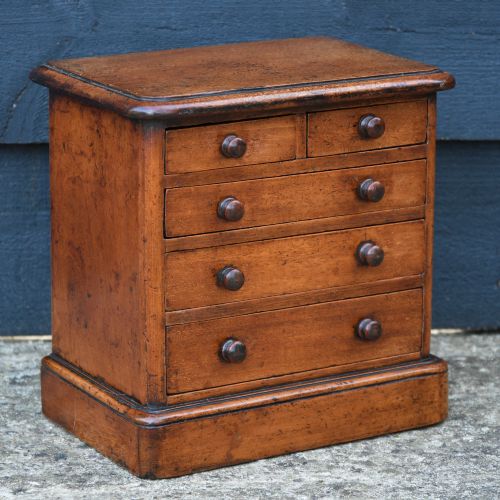
An apprentice piece is a miniature furniture item constructed by a craftsman in training to prove mastery of specific woodworking techniques. These scaled-down chests and cabinets duplicate the joinery and proportions of standard domestic furniture.
Collectors prize them for their meticulous detail and the insight they provide into historical training methods.
How do Wellington chests work?
A Wellington chest operates with a vertical locking bar attached by a hinge to one side of the case. When closed and secured with a key, this stile blocks the drawer edges so none of them can be opened.
This mechanism was designed to protect valuable papers or jewellery without needing individual locks on every single drawer.
Where were collectors cabinets used?
Collectors cabinets were housed in studies, libraries, and drawing rooms to organise natural history specimens, coins, medals, or small antiquities. Their shallow drawers often featured specialised linings or divisions.
Victorian and Edwardian households utilised them both for serious study and as conversational display pieces for guests.
How do I identify a Victorian piece?
Victorian furniture frequently displays dense hardwoods like mahogany and walnut, deep French polished finishes, and robust machine-assisted or hand-cut joinery. Stylistic markers range from heavy revival designs to simpler utilitarian office storage.
Examining secondary woods, drawer construction, and hardware styles helps confirm the nineteenth-century production period.