


Antique Fruit China Plate
An antique fruit china plate brings richly painted garden produce to the table, combining functional ceramics with detailed botanical artistry.
Antique Fruit China Plate
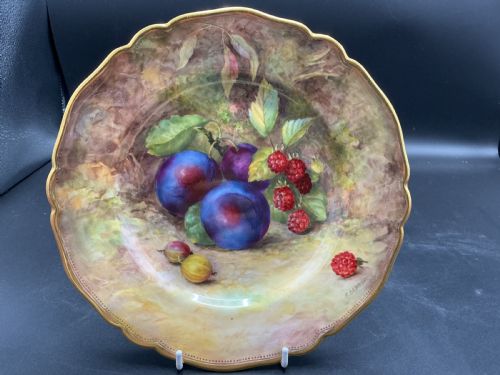
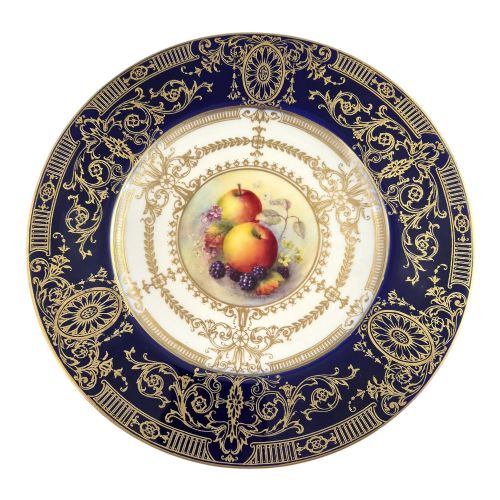
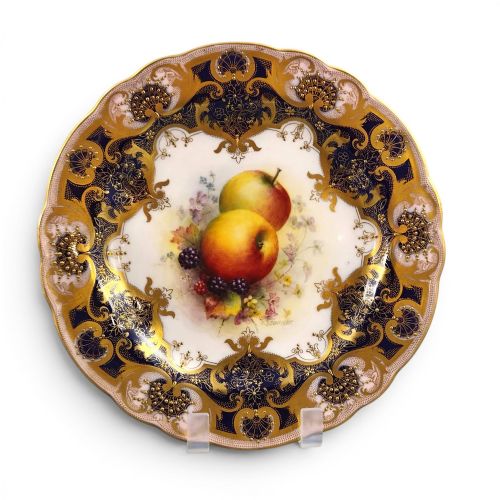
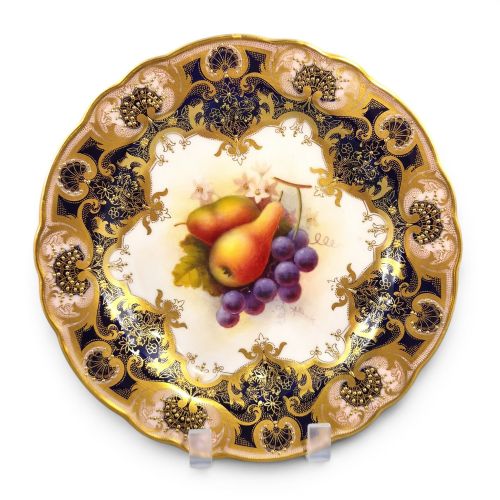
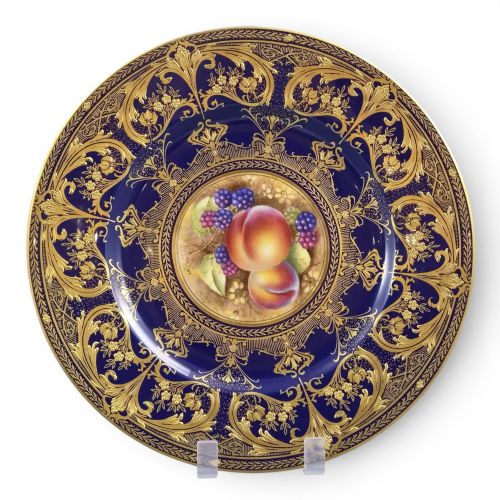
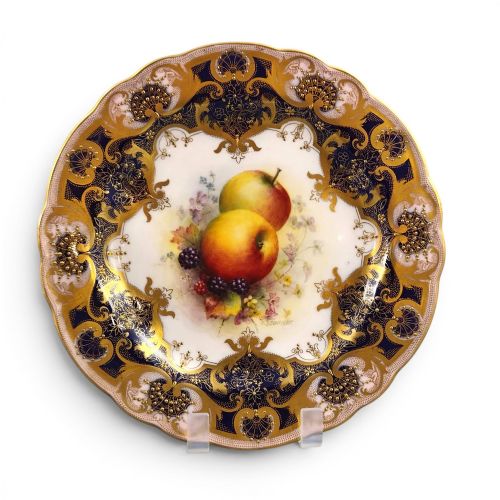
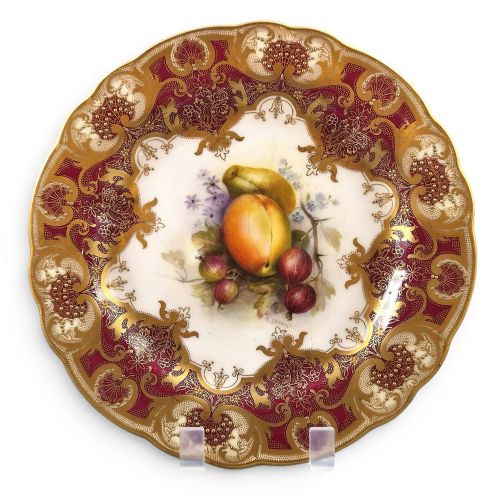
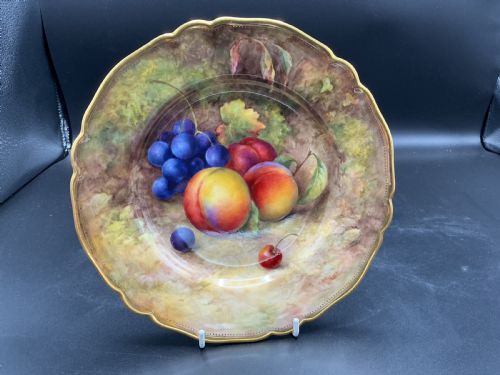
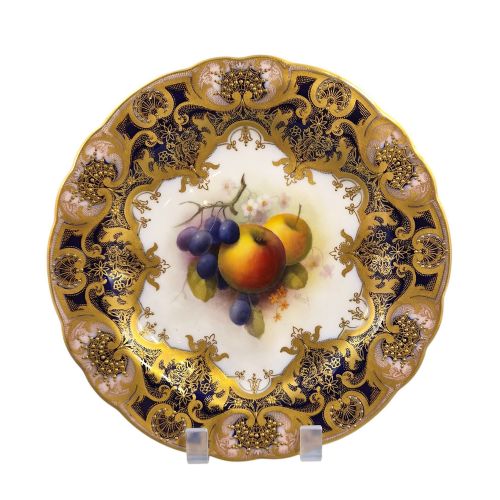
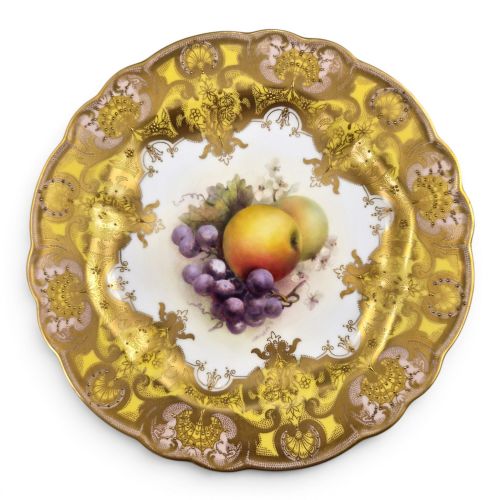
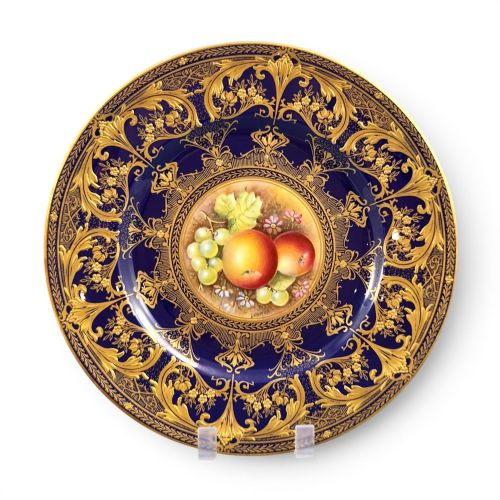
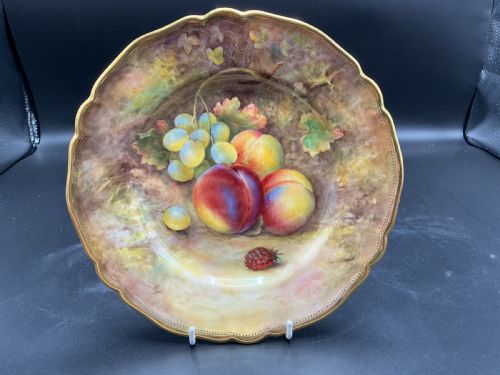
When you search for an antique fruit china plate, you encounter finely decorated ceramic pieces intended primarily for display or dessert courses. The selection spans cabinet plates, cabinet dishes, and broader dessert services originating from various periods including Georgian, Victorian, Edwardian, and mid-twentieth-century decades.
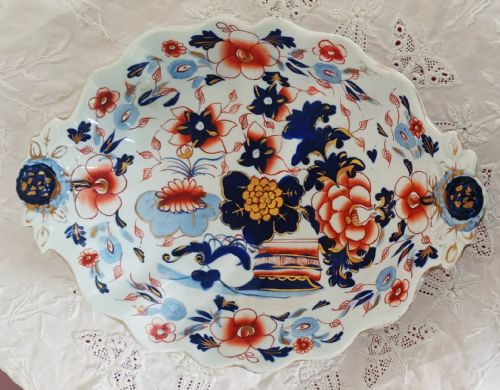
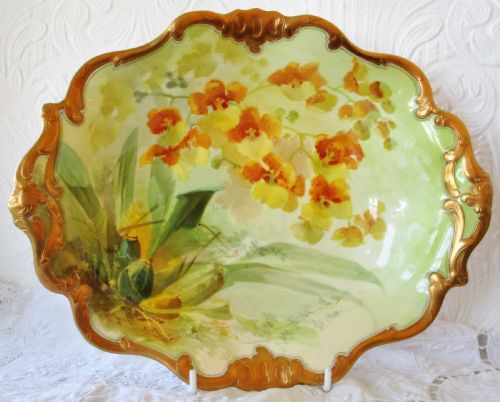
The most common examples on this page are painted cabinet plates from Royal Worcester, often featuring intricate fruit studies by notable artists. Alongside these porcelain works, you find ironstone china low comports, Imari display platters, and English porcelain services from the nineteenth century.
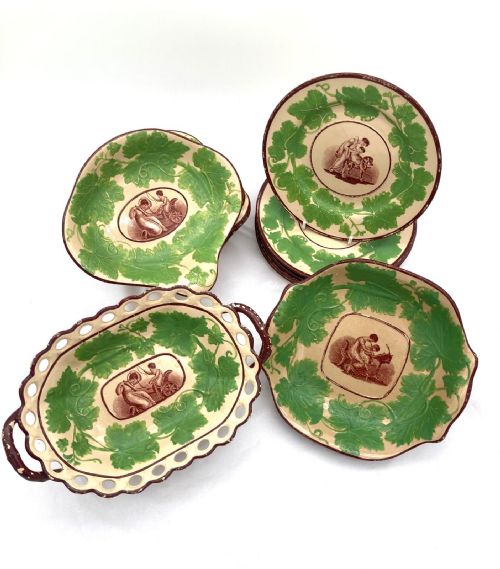
Forms vary from standard circular plates to large rope-edge dinner plates, comports, and part dessert services. These items demonstrate how porcelain decorators utilised botanical and orchard subjects across different manufacturing eras.
Distinguishing quality across the range
The distinction between standard production wares and exceptional pieces rests upon the identity of the painter and the complexity of the brushwork. Plates bearing signatures from established artists demonstrate superior artistic execution compared to unmarked or factory-standard decorations.
The richness of the gilding and the delicacy of the porcelain body further separate ordinary tableware from high-status cabinet pieces. Hand-painted precision in the fruit motifs indicates a higher tier of craftsmanship within any given period.
Antique Fruit China Plate Retail Price Guide 2026
Typical asking prices for fruit china plate among the pieces listed under this phrase on Sellingantiques today, from the lower quarter to the upper quarter. They describe what is for sale here now, not the wider market.
Richard Sebright spent decades painting meticulous peaches and grapes on porcelain, ensuring English drawing rooms remained eternally stocked with imaginary ripe fruit.
Royal Crown Derby·Royal Worcester·Royal Doulton·Meissen·Kornilov Brothers
The Antique Fruit China Plate Glossary
- Cabinet plate
- A decorative ceramic plate intended for display in a cabinet or on a wall rather than for everyday dining. These pieces usually feature elaborate painted scenes.
- Comport
- A raised dish or bowl used for serving fruit or dessert as part of a formal service. They stand on a pedestal base above the table surface.
- Ironstone china
- A durable type of heavy earthenware patented in the nineteenth century. It provides a robust alternative to soft-paste porcelain while accepting enamel decoration readily.
- Gilding
- The application of gold leaf or gold powder onto the ceramic surface. This technique highlights rims, borders, and handles.
- Dessert service
- A matched set of plates, comports, and dishes designed for the final course of a formal meal. Surviving sets often become separated over time.
Antique Fruit China Plate: Frequently Asked Questions
What is a cabinet plate?
A cabinet plate is a decorative ceramic piece created for visual display rather than daily dining use. They typically feature elaborate hand-painted artwork across the surface.
These items were kept in display cabinets or mounted on walls to showcase the skill of the pottery and the artist.
How do I date an antique plate?
Dating relies on factory ciphers, painted date marks, and specific backstamps found on the underside of the ceramic. Stylistic clues such as border patterns and colour palettes also provide chronological context.
Makers often used specific letter or dot codes corresponding to the year of manufacture.
Were these plates used for food?
Many dessert service plates and comports saw actual use during formal nineteenth-century dining for serving fruit or sweets. Over time, finer painted examples transitioned primarily into cabinet display pieces.
Heavy gilding and delicate enamel work on later cabinet plates indicate they were meant for admiration rather than service.
How should I display my plate?
Displaying these items securely involves using wall hangers designed specifically for ceramics or stable plate stands inside enclosed cabinets. Protection from direct sunlight prevents the enamel colours from fading over the years.
Ensuring the support matches the weight of ironstone or porcelain keeps the piece safe.