
Antique Fruit Canvas Artwork
Antique fruit canvas artwork brings rich colour and classical composition into a room, offering timeless interior presence.
Antique Fruit Canvas Artwork
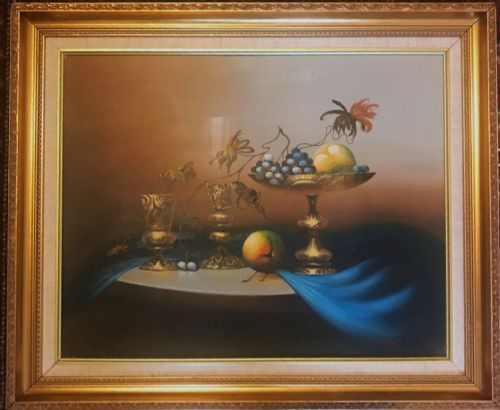
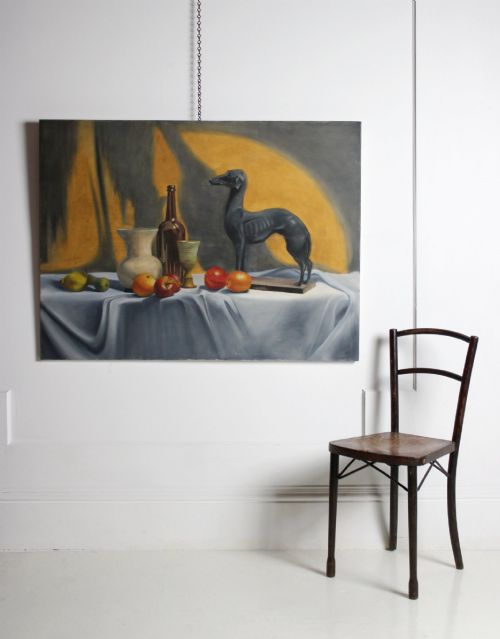
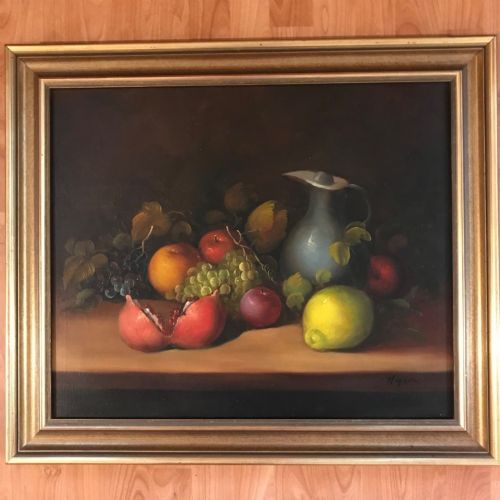
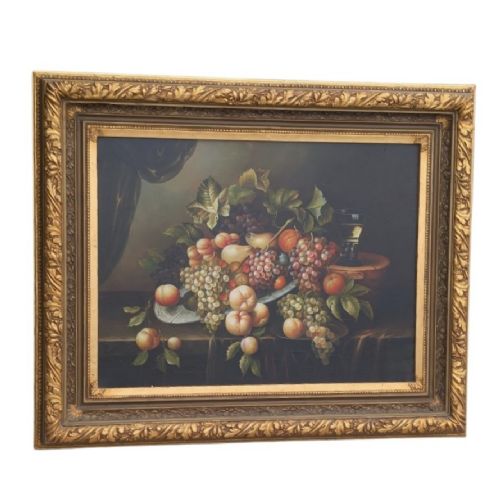
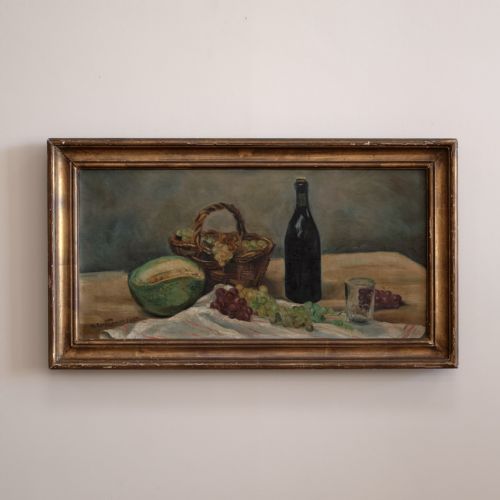
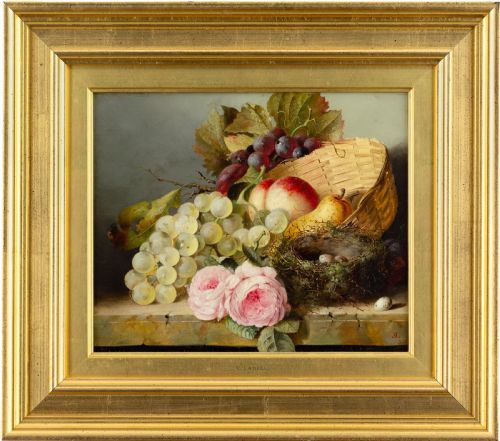
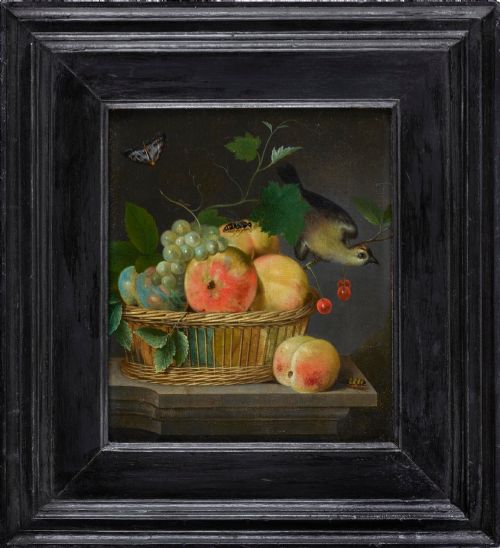
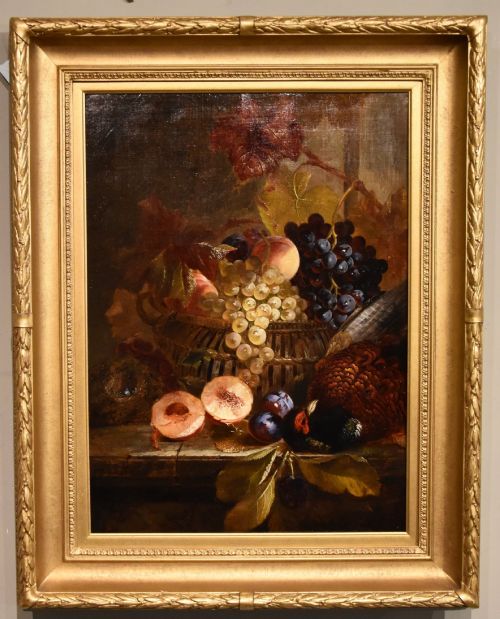
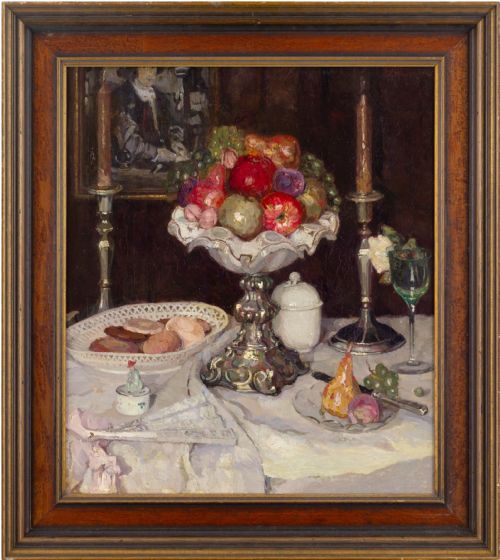
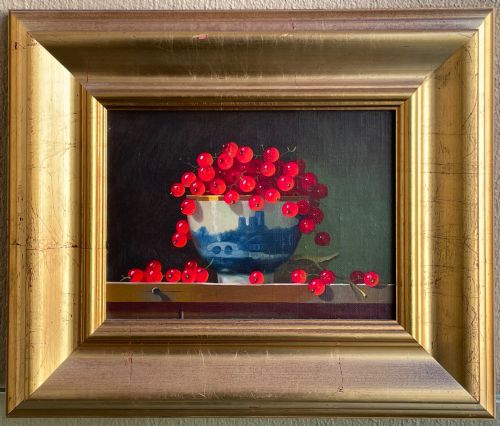
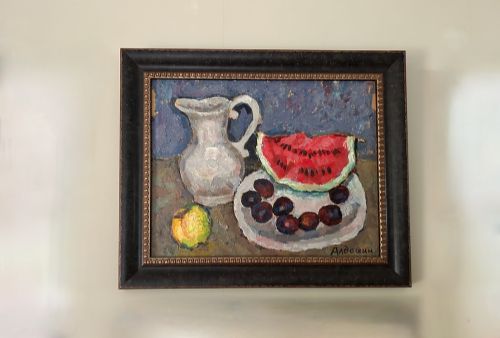
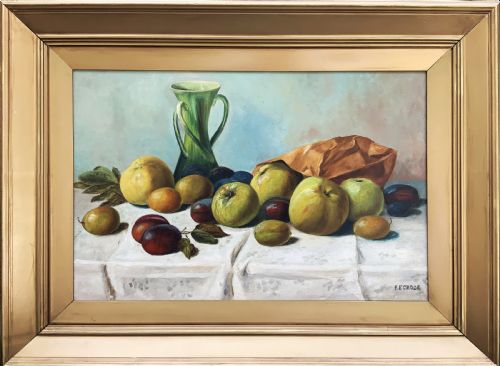
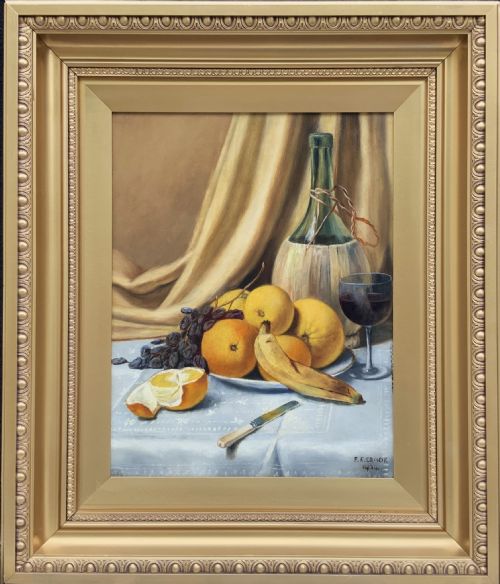
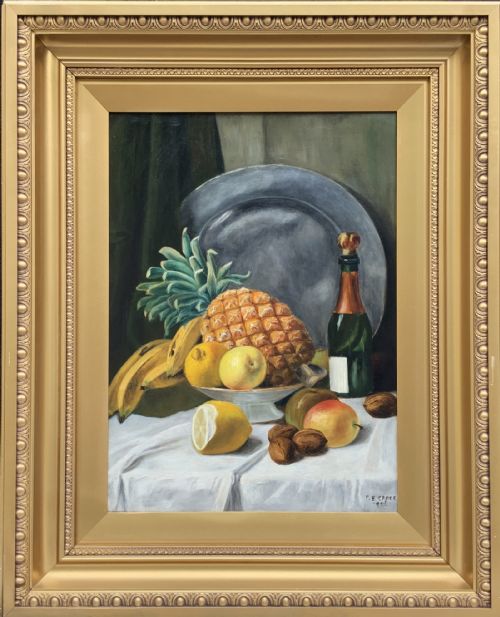
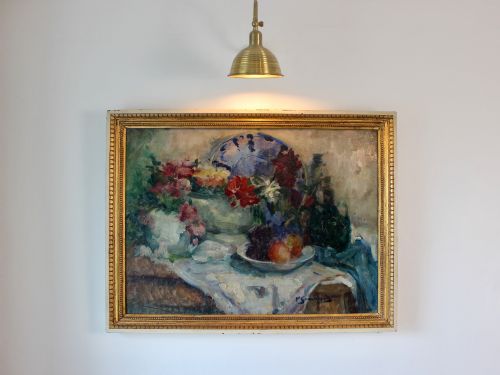
When searching for antique fruit canvas artwork, buyers encounter oil paintings stretching from the eighteenth century through the Edwardian era and early twentieth century. These pieces predominantly take the form of still life compositions depicting baskets, tables, and harvests of apples, grapes, and peaches. Continental, English, and Dutch schools appear frequently, alongside modernist and post-impressionist interpretations.
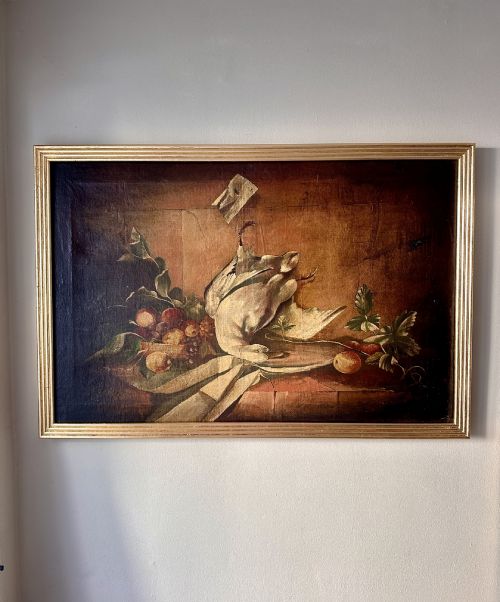
The most common examples on this page are nineteenth-century and early twentieth-century oil paintings on canvas, often housed within original giltwood frames. Works range from intimate studies of fruit and foliage to large-scale decorative panels featuring game and porcelain alongside the harvest. Victorian realism and classical arrangements dominate the selections available to collectors.
Materials and construction
These works rely on oil paint applied to woven canvas stretched over wooden frames, utilising traditional layering techniques to build depth and luminosity in the depiction of fruit. Artists employed rich pigments to capture the natural sheen of grapes, peaches, and citrus against dark, atmospheric backgrounds.
Many canvases are housed in their original frames constructed from wood and finished with gold leaf or giltwood. The combination of durable oil on canvas and ornate wooden surrounds ensures the physical survival of these works across centuries.
Common motifs include wicker baskets, Chinese ginger jars, glassware, and dead game accompanying arrangements of grapes, apples, and peaches.
Assessing quality in the works
Quality rests upon the artist's command of light, shadow, and texture when rendering organic forms like grapes, leaves, and woven baskets. Superior examples demonstrate meticulous brushwork that captures the velvety skin of a peach or the translucent skin of a grape with convincing realism.
The sophistication of the composition and the integrity of the canvas and original gilt frame elevate certain pieces above standard decorative works. Signed works by recognised nineteenth-century or continental masters command attention for their distinct provenance and technical precision.
Edward Ladell·Gaspar Peeter Verbruggen·William Henry Ward·Else Preußner·Victor Simonin·William Duffield·Thomas Hooper·J C de Bruin·John Robertson Reid·William Jones of Bath·E Cremer·Oliver Clare·Alfred Arthur Brunel de Neuville
The Antique Fruit Canvas Artwork Glossary
- Still life
- A painting depicting inanimate subject matter, typically commonplace objects such as fruit, flowers, and tableware. This genre allows artists to focus heavily on the play of light and shadow.
- Giltwood
- Wood that has been treated with gold leaf or a gold-coloured metallic finish. It forms the decorative border for many traditional oil paintings.
- Provenance
- The chronology of the ownership, custody, or location of a historical artwork. A clear provenance helps establish authenticity and historical value.
- Post-Impressionism
- An art movement developing from about eighteen-eighty that extended impressionism while rejecting its limitations. Artists sought greater emotional expression and structural clarity.
Antique Fruit Canvas Artwork: Frequently Asked Questions
Where should I hang a still life?
These works suit dining rooms, kitchens, and living spaces where traditional or eclectic decor allows the rich tones of fruit and foliage to complement the room.
Direct sunlight and damp walls must be avoided to protect both the canvas and the wooden gilt frame from environmental damage.
Are these paintings signed by the artist?
Many examples feature visible signatures or attribution to specific European and English schools from the eighteenth to the twentieth centuries. Unsigned pieces frequently emerge from continental workshops of the same period.
Signatures add historical context, though execution and condition remain primary indicators of quality.
What framing is typically used?
Most works retain period wooden frames, often finished in gold leaf or giltwood, which complement the classical aesthetic of the oil paintings. These frames range from simple mouldings to heavily ornamented Victorian designs.
Original frames contribute to the historical integrity of the piece, showing patination appropriate to their age.