
Antique Fretwork Table
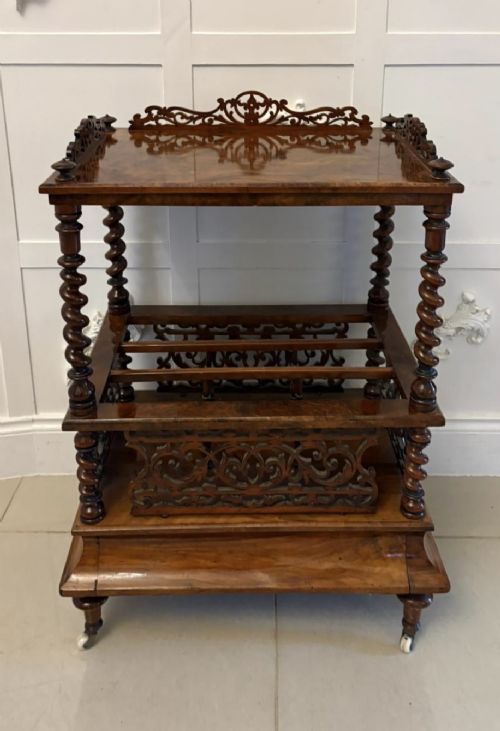
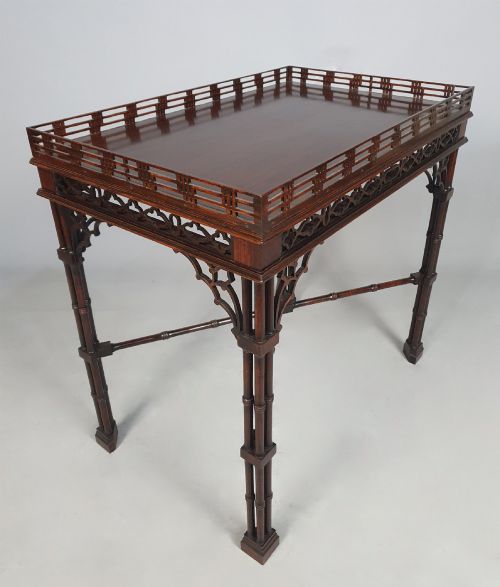
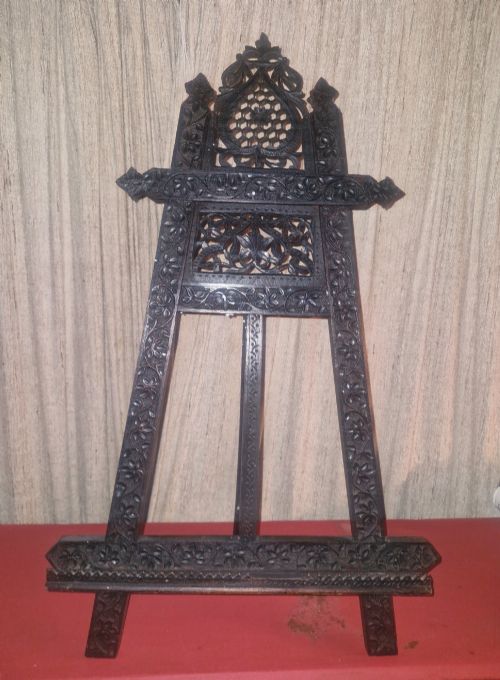
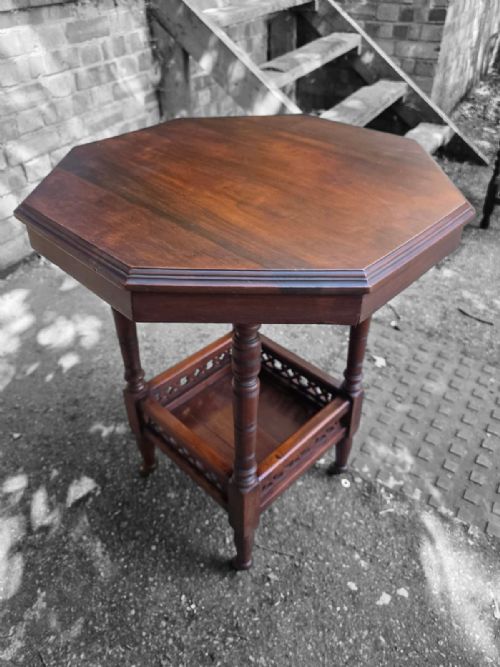
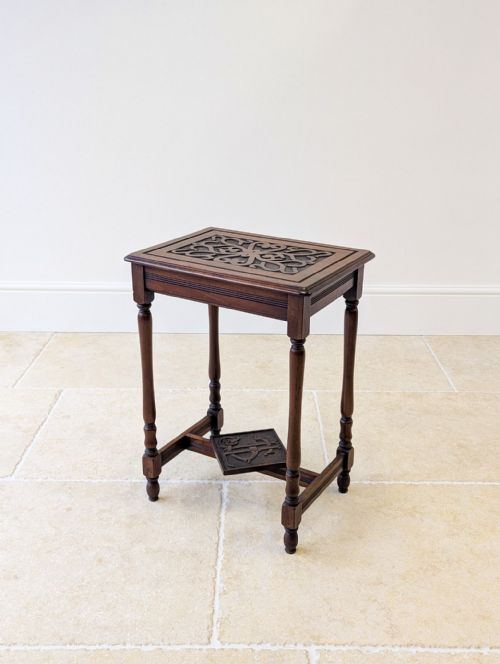
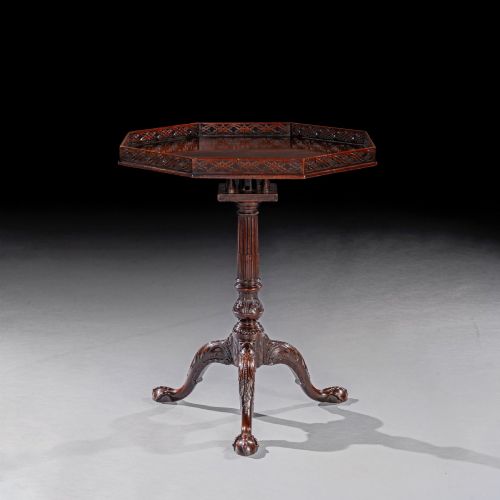
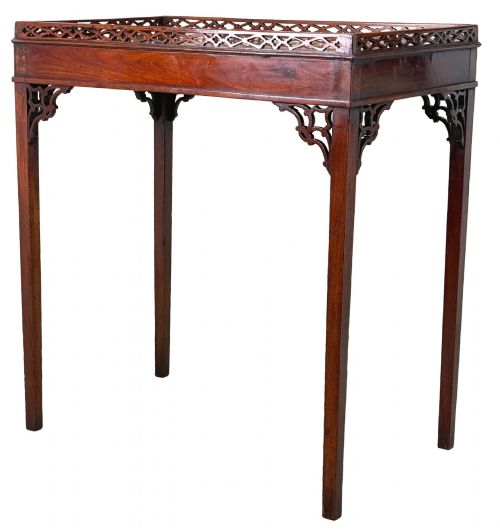
An antique fretwork table brings intricate pierced wooden grilles and carved geometric patterns into a room, serving as a striking surface for lamps and displays.
Antique Fretwork Table
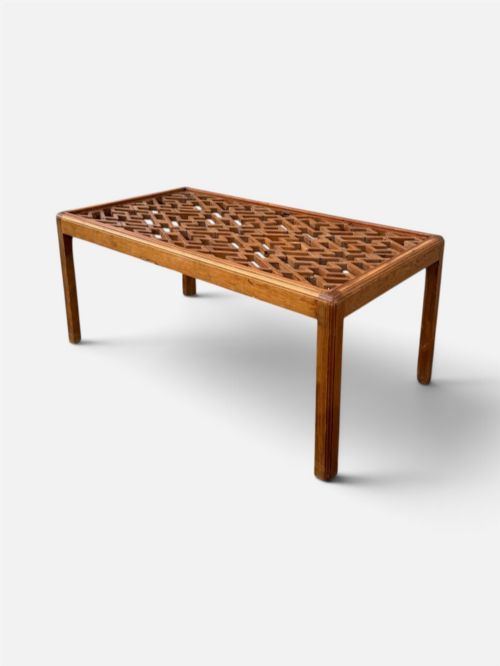
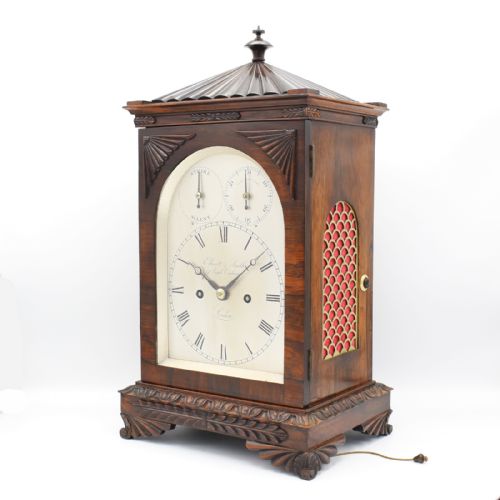
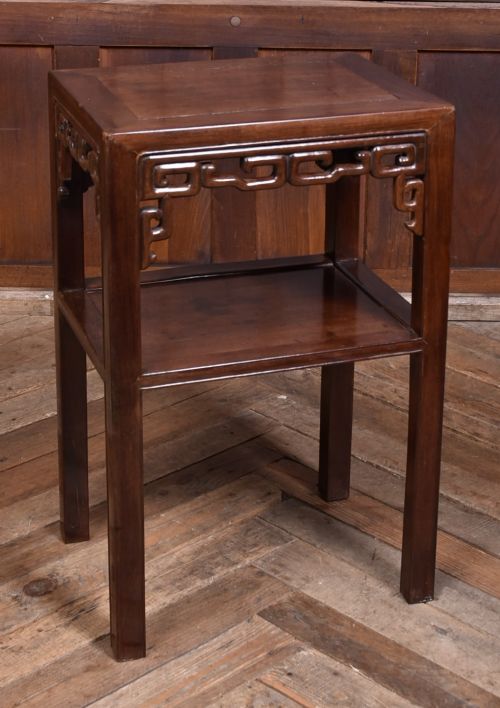
When searching for an antique fretwork table, you encounter diverse forms spanning centuries, from side tables and lamp tables to occasional stands and coffee tables incorporating older pierced panels.
The pieces emerge across distinct eras, including the Georgian and Victorian periods, alongside Edwardian and later revivals inspired by Chippendale and Chinese designs.
Origin variations range from British workshops employing classical fretwork to Anglo-Indian creations featuring dense hand-carved teak and rosewood.
How they were made
Cabinetmakers constructed these tables primarily in mahogany, walnut, rosewood, and hardwood, often utilising contrasting timber grains for visual depth.
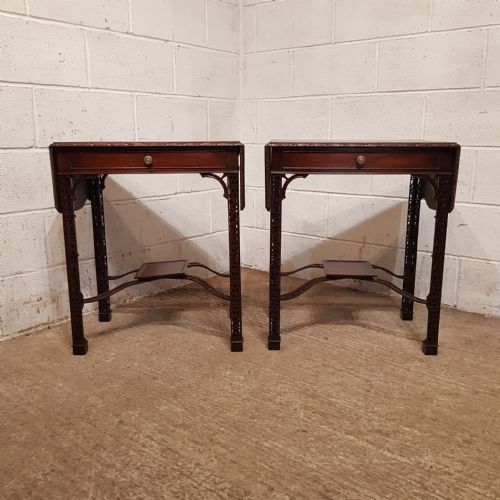
The characteristic pierced fretwork was achieved through meticulous hand-sawing and carving, creating delicate geometric or lattice patterns along brackets, aprons, and galleries.
Certain examples incorporate inset glass panels or marble tops, combining solid timber frameworks with specialised surfaces.
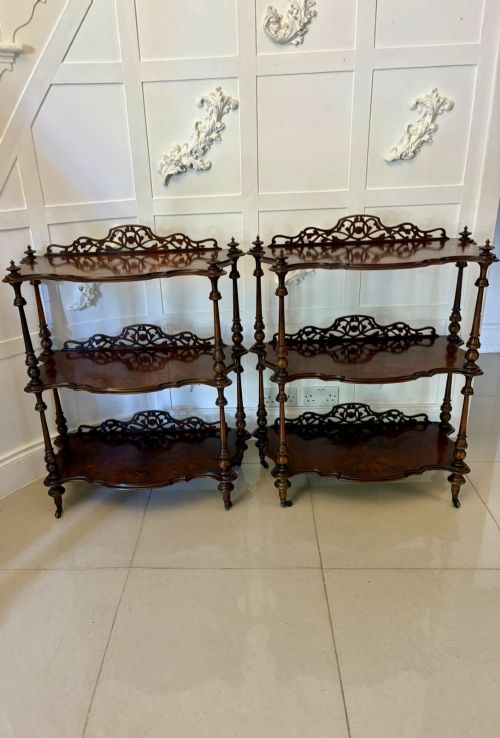
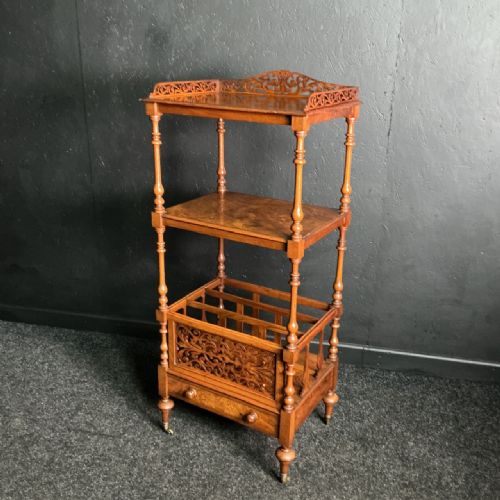
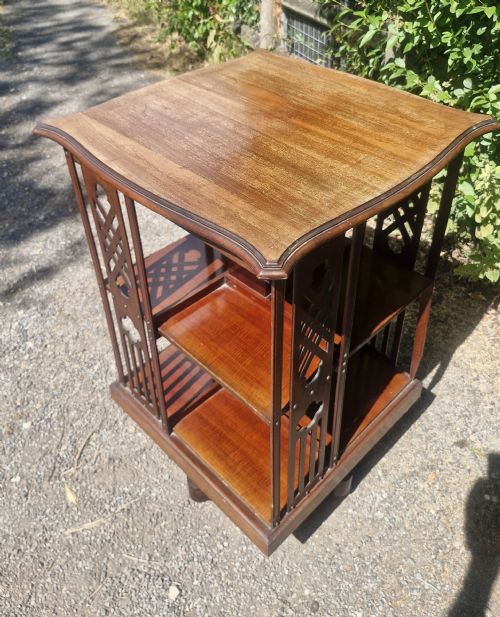
The furniture includes side tables, lamp tables, whatnots, and coffee tables with pierced decorative panels.
What varies in quality
Quality rests upon the crispness and depth of the pierced carving, where superior examples exhibit sharp internal angles and smooth, uniform fretwork rather than shallow or blunt cutting.
The selection of timber dictates the grade of the piece, with finely figured burr walnut, rich mahogany, and dense hardwoods showing superior natural grain and colour stability over time.
Construction methods determine durability, separating robustly joined frames from looser assemblies that lack the precision of period cabinetwork.
The Antique Fretwork Table Glossary
- Fretwork
- A decorative design carved or pierced out of a thin board of wood, creating openwork patterns of geometric shapes.
- Chippendale
- A style of English furniture from the eighteenth century named after cabinetmaker Thomas Chippendale, characterised by carved ornamentation and Chinese or Gothic influences.
- Whatnot
- A piece of furniture consisting of a set of open shelves for displaying small objects, frequently combined with table surfaces.
- Lowboy
- A small eighteenth-century dressing table or side table featuring one or more drawers and cabriole or straight legs.
- Pembroke table
- A small rectangular table with hinged drop leaves on either side, popular during the eighteenth and nineteenth centuries.
Antique Fretwork Table: Frequently Asked Questions
What is an antique fretwork table?
An antique fretwork table is a small surface featuring decorative pierced wooden panels or brackets. These pieces display intricate cut-out patterns inspired by Chinese, Gothic, or Chippendale designs.
They function primarily as occasional, lamp, or side tables within a room. Their ornamental openwork distinguishes them from plain utilitarian furniture.
How do I date an antique fretwork table?
Dating involves examining the timber species, construction joints, and stylistic influences present in the piece. Georgian and Victorian examples show distinct joinery methods compared to Edwardian revivals or later twentieth-century interpretations.
Secondary woods and hardware further assist in establishing the approximate decade of manufacture. Consulting period characteristics provides the clearest guide to age.
Where should I place a fretwork table?
These tables suit placement beside seating as lamp or lamp tables where the pierced details remain visible. They also function well as freestanding occasional surfaces in hallways or drawing rooms.
Keeping them away from direct heat sources protects the dry timber and delicate fretwork joints. Their decorative nature allows them to serve as display points for small items.
How do I care for carved fretwork?
Dust the pierced sections gently using a soft brush to prevent the accumulation of debris within the intricate cut-outs. Avoid excessive moisture and harsh chemical polishes that can degrade aged timber finishes.
Maintaining stable room humidity preserves the wood and prevents warping in the delicate fretwork panels. Regular careful maintenance ensures the structural integrity of the openwork.