
Antique French Vessel
When you search for an antique french vessel, you encounter utilitarian copper pans, earthenware jars, and decorative glass vases spanning multiple centuries.
Antique French Vessel
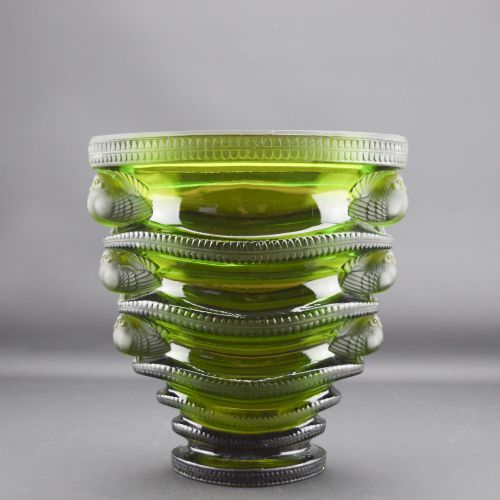
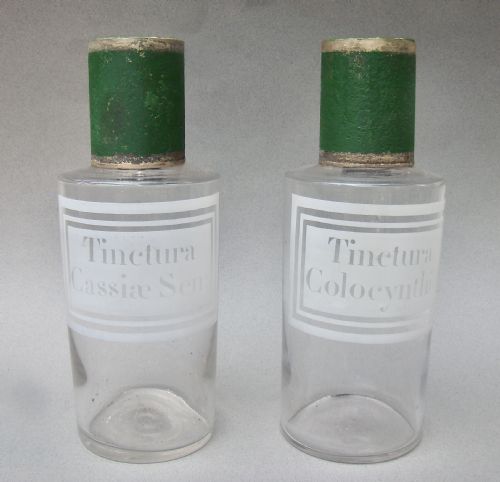
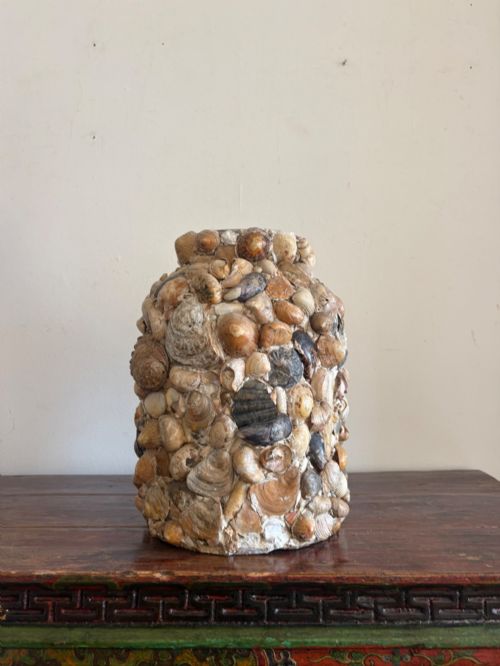
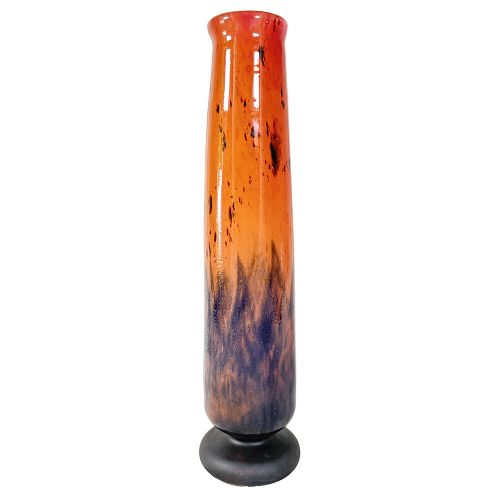
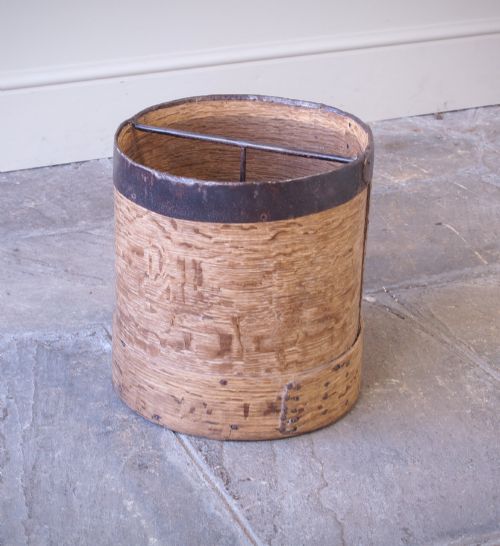
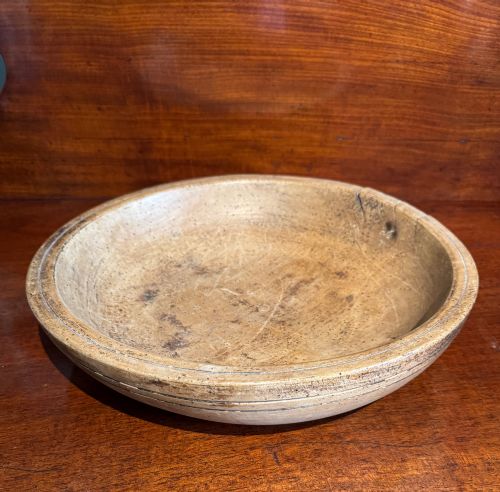
An antique french vessel encompasses a wide array of functional and decorative items, ranging from rustic copper cookware and heavy stone mortars to delicate cameo glass vases and porcelain jardinieres. Buyers seeking these items will find pieces spanning from the eighteenth century through to the art deco era, reflecting both domestic utility and high artistic design.
The decorative and artistic examples comprise glass and ceramic works associated with prominent designers and foundries of the nineteenth and early twentieth centuries. Pieces styled in art nouveau, art deco, and French neoclassical aesthetics highlight the shift from rural craftsmanship to sophisticated urban studio production.
How they were made
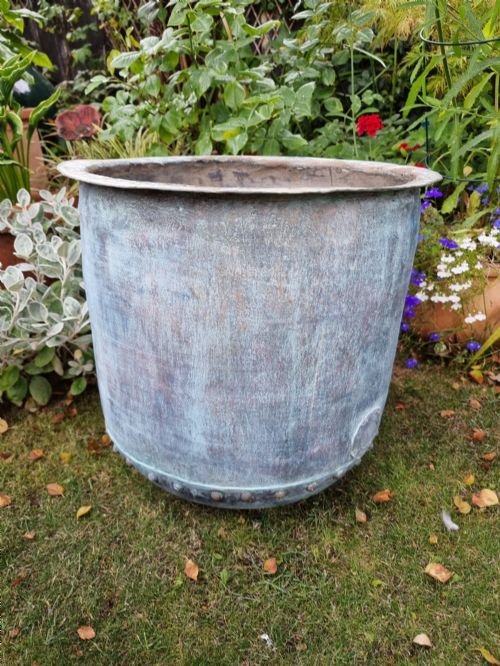
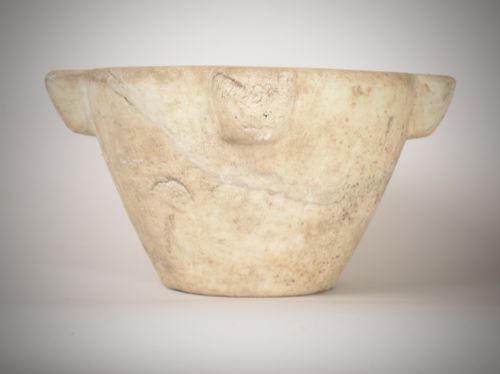
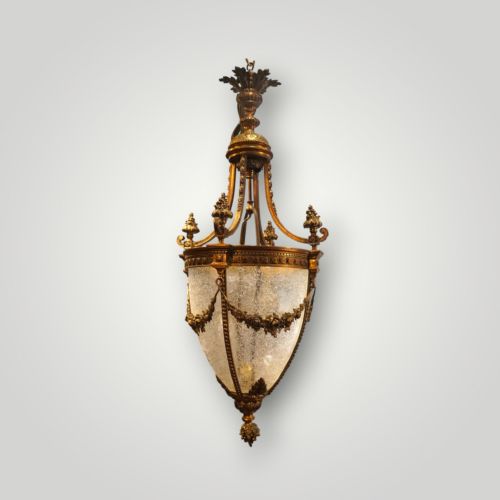
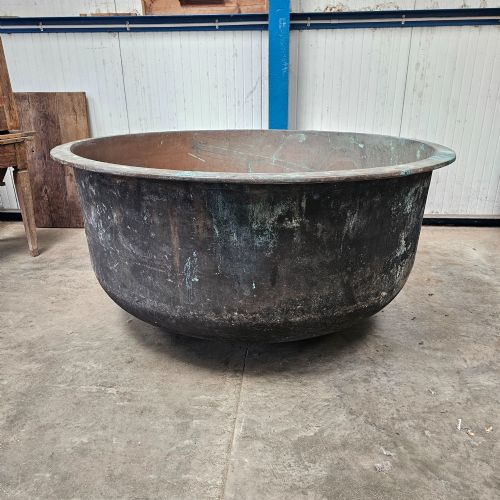
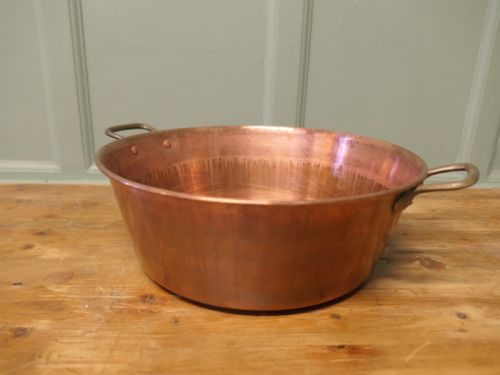
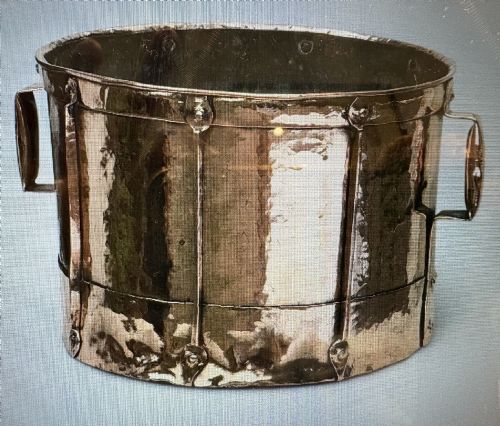
Metal vessels like jam pans, cheese vats, and hall lanterns rely heavily on hand-beaten copper, cast iron, and gilt bronze. Artisans shaped sheet copper through traditional hammering techniques, whilst foundries produced heavy items such as mortars and urns using traditional iron and bronze casting methods.
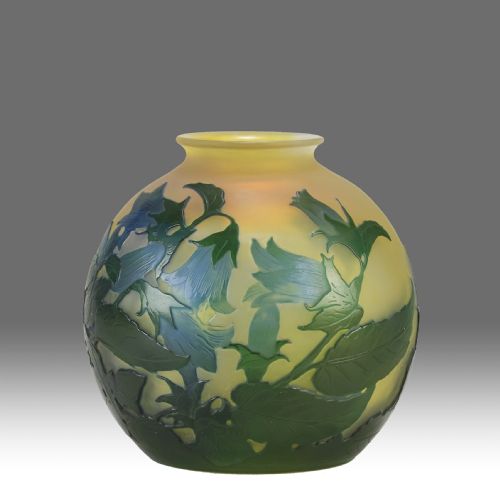
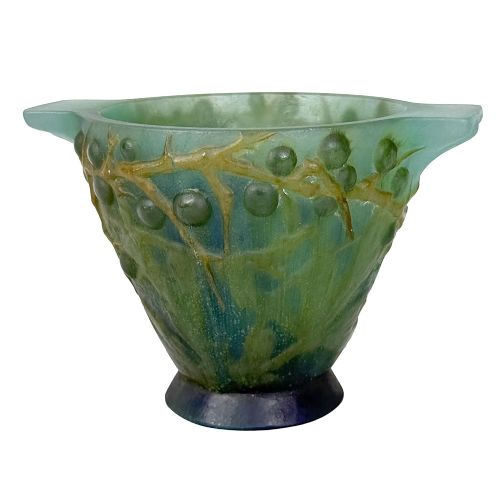
Glass vessels utilise diverse manufacturing methods including cameo carving, etching, and pâte de verre moulding. Makers layered different coloured glass or used acid-etching techniques to achieve textured botanical and landscape motifs across various art nouveau and art deco forms.
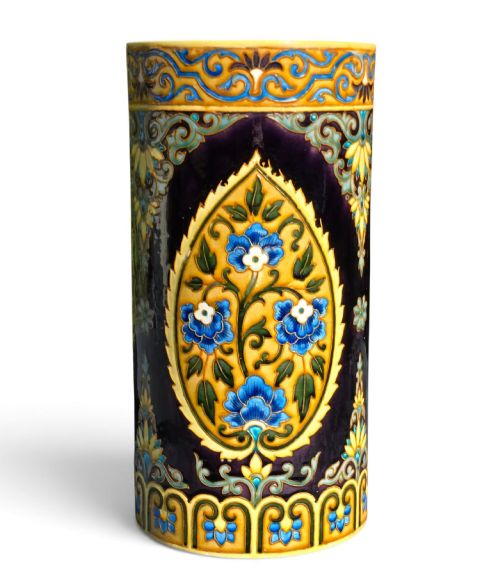
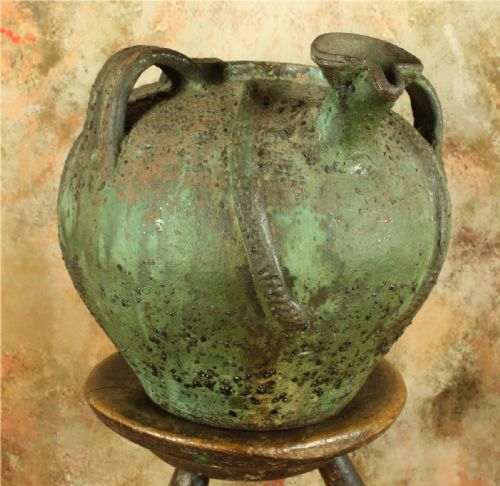
Earthenware, terracotta, and ceramic pieces depend on local clay bodies, glazes, and faience decoration. Potters shaped utilitarian jars and decorative vases on wheels or within moulds before applying lead glazes, enamel details, or painted regional patterns.
A French sailor once immortalised an ironclad battleship in gouache, proving that naval devotion transcends the sea.
What varies in quality
The distinction between standard utility items and superior pieces often lies in the depth of workmanship and the presence of signed artistry. Master glassmakers and recognised foundries impart a level of sculptural precision and material finish that separates everyday kitchenware from exhibition-grade works.
Material thickness and original patination dictate the desirability of functional copper and iron pieces. Items retaining their heavy gauge metal, honest wear, and structural integrity command greater appreciation than altered or excessively polished examples.
Théodore Deck·Emile Gallé·Rene Lalique·Daum·Amalric Walter·Legras·Val D'Osne Foundry
The Antique French Vessel Glossary
- Cameo glass
- A form of luxury glassware produced by overlaying multiple layers of glass of different colours and carving away portions to create a raised design. This technique requires exceptional skill and patience from the artisan.
- Pâte de verre
- A glass-casting method where finely crushed glass is mixed with a binder, packed into a mould, and fused in a kiln. The resulting pieces display a distinctive granular texture and depth of colour.
- Faience
- Tin-glazed earthenware produced across France, often featuring hand-painted floral or geometric patterns. It represents a long-standing tradition of European ceramic decoration.
- Biot jar
- A traditional heavy terracotta storage jar originating from the Provençal town of Biot. These large vessels were originally utilised for storing olive oil and grain.
- Champlevé
- An enamelling technique where troughs or cells are carved into the surface of a metal object and filled with vitreous enamel powder before firing. The piece is then polished smooth.
Antique French Vessel: Frequently Asked Questions
How were copper vessels used originally?
Large copper vessels served demanding roles in rural French kitchens, dairies, and farmsteads for tasks such as heating milk, making cheese, and boiling large quantities of jam.
Their heavy construction allowed for even heat distribution over open fires, making them indispensable working tools before modern industrial cookware replaced them.
How do I care for antique glass?
Antique glass requires gentle handling and should be washed by hand using lukewarm water and mild soap. Avoid sudden temperature changes to prevent thermal shock and cracking.
Keep delicate cameo and opalescent glass pieces out of direct sunlight to preserve their original colours and surface finishes.
What defines art nouveau glass?
Art nouveau glass draws inspiration from natural organic forms, featuring flowing botanical lines, insect motifs, and iridescent finishes. Makers utilised techniques like acid-etching and cameo layering to mimic the textures found in nature.
These pieces reflect a deliberate move away from industrial mass production towards bespoke, nature-inspired craftsmanship.