
Antique French Velvet Seating
These antique french velvet seating pieces bring nineteenth-century salon grandeur and tactile upholstery into contemporary rooms.
Antique French Velvet Seating
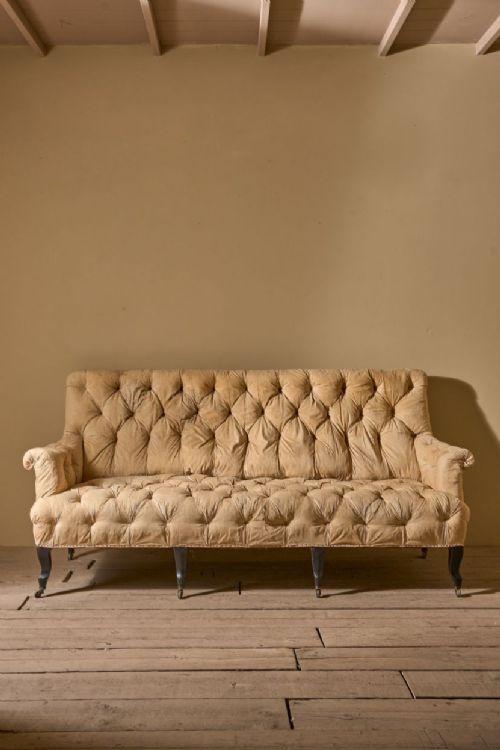
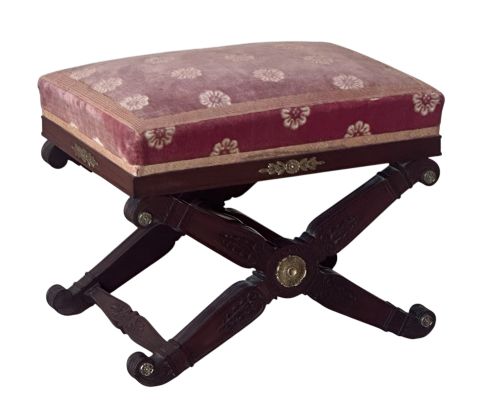
When searching for antique french velvet seating, buyers encounter nineteenth-century salon furniture spanning periods from the 1850s to the 1920s. These pieces include armchairs, bergères, sofas, settees, chaise longues, and various stools designed for formal reception rooms.
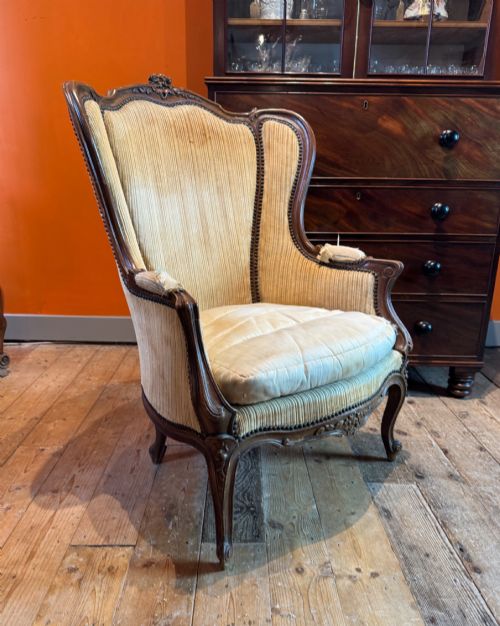
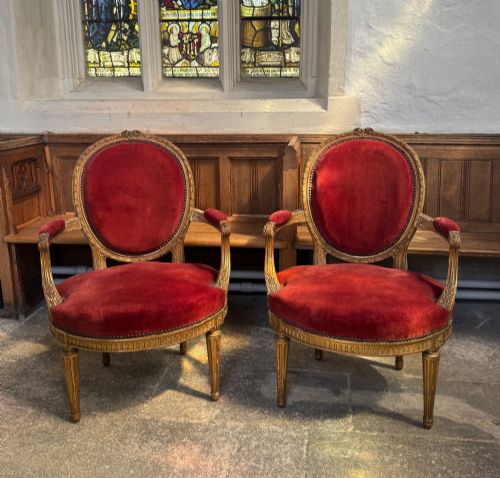
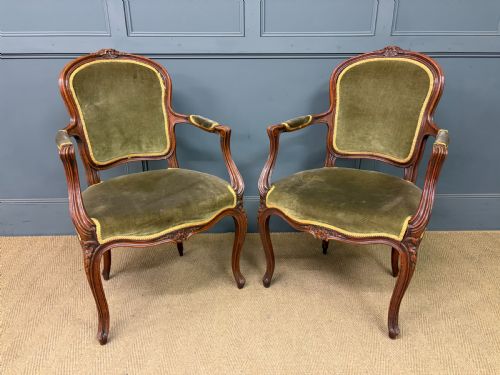
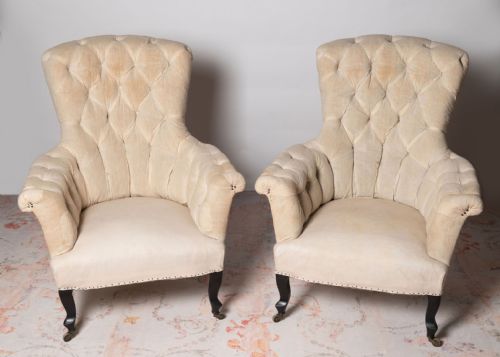
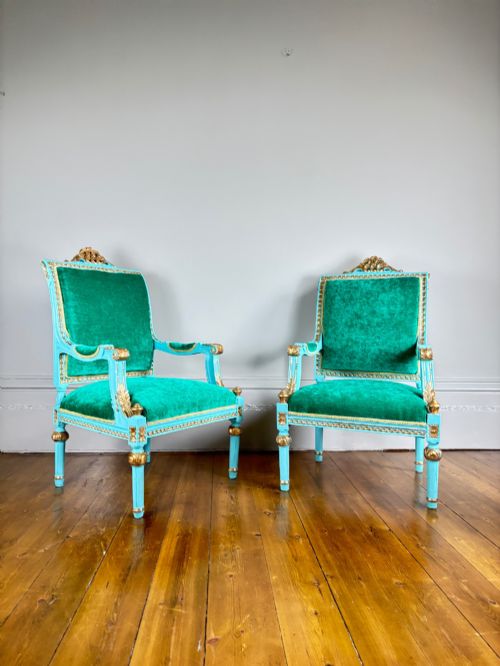
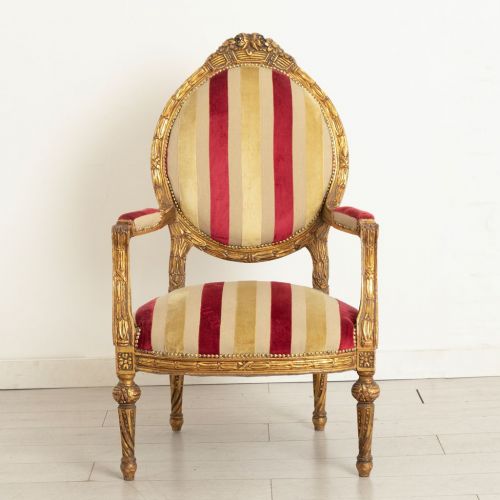
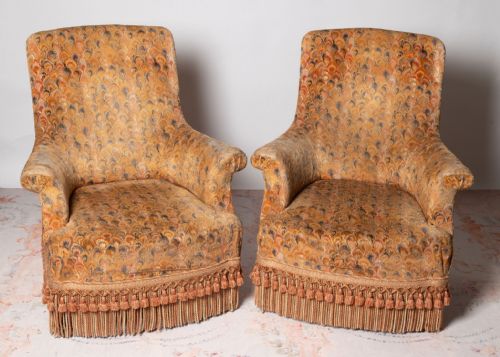
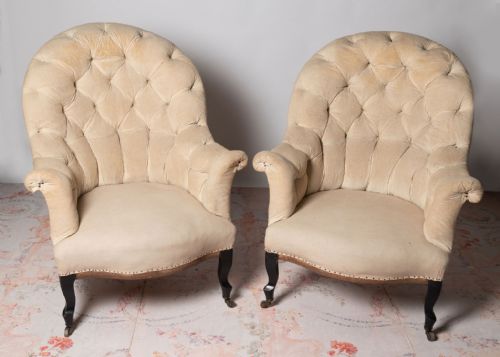
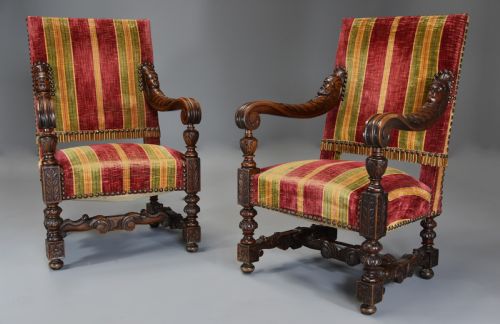
The most common examples on this page are armchairs and fauteuils carved in walnut, mahogany, or giltwood, frequently upholstered in buttoned or plain velvet. Styles range across Napoleon III, Louis XV, and Louis XVI revivals alongside French Empire designs.
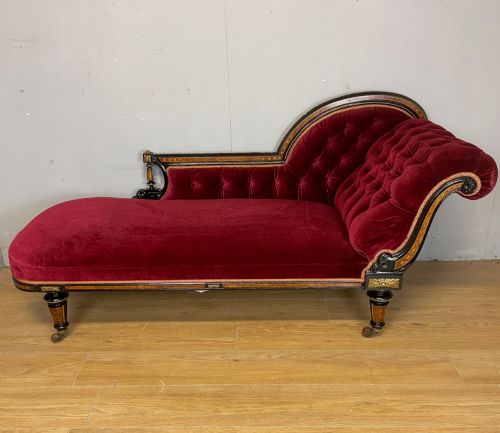
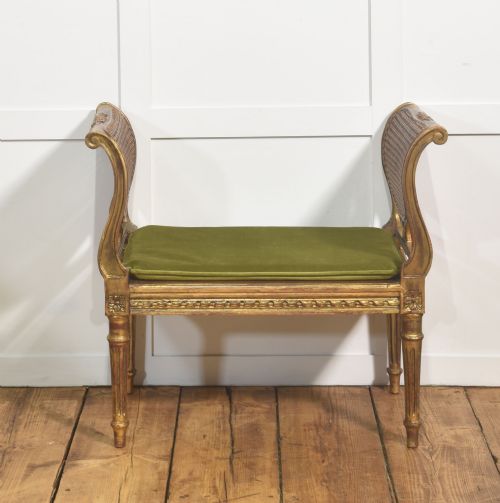
Seating forms also comprise window benches, day beds, and conversation seats intended for drawing rooms and boudoirs. Pieces frequently reflect nineteenth-century interpretations of earlier royal French aesthetics.
How they were made
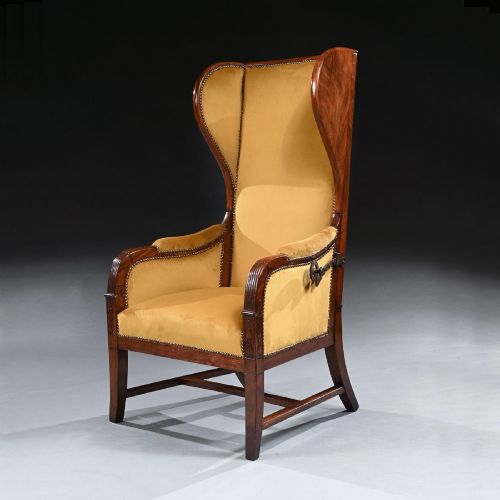
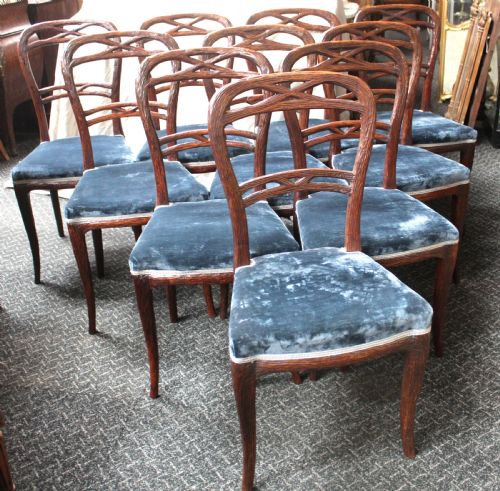
Frames rely on traditional timbers such as walnut, mahogany, and oak, alongside giltwood and painted finishes. Carvers shaped these woods into elaborate scrollwork, cabriole legs, and decorative mouldings.
Upholstery techniques involve plush velvet stretched over sprung or padded seats and backs, occasionally finished with buttoning, gimp braid, or brass ormolu mounts. Structural elements incorporate inlaid panels and cane work where appropriate.
Children benefit from nineteenth-century comfort too, as evidenced by miniature gilded and painted salon chairs built just for them.
What varies in quality
The standard of carving determines much of the distinction between pieces, with deep, crisp relief work on walnut or giltwood frames setting apart finer examples. Hand-applied gilding, painted finishes, and precise joinery indicate higher workshop execution.
The integrity of the underlying timber frame and the sophistication of the silhouette dictate overall merit. Items requiring complete restoration sit differently in the market compared to those retaining preserved frames and period textiles.
The Antique French Velvet Seating Glossary
- Fauteuil
- An open-framed armchair with wooden armrests, typically dating from French revival periods. These seats were designed for formal reception rooms.
- Bergère
- An enclosed upholstered armchair with padded sides and a built-in seat cushion. This form provides a deeper and more enclosed seat than standard armchairs.
- Giltwood
- Timber treated with a thin layer of gold leaf applied over a prepared gesso surface. This finish is frequently found on formal nineteenth-century salon seating.
- Ormolu
- Cast bronze decorated with a fine gold-gilt finish, used as decorative mounts on frames. It appears alongside inlaid walnut and ebonised timber.
Antique French Velvet Seating: Frequently Asked Questions
What periods do these pieces date from?
The listings span the nineteenth century and early twentieth century, including Victorian periods and the Belle Époque.
Dates cluster around the 1850s to the 1920s, reflecting Napoleon III and Louis XVI revival styles.
How do I identify Louis XVI style seating?
Louis XVI style pieces typically feature straight fluted legs, symmetrical frames, and neoclassical carving motifs. They contrast with the curved lines of Louis XV designs.
Giltwood frames and oval medallion backs frequently characterise this specific aesthetic.
What is a Napoleon III chair?
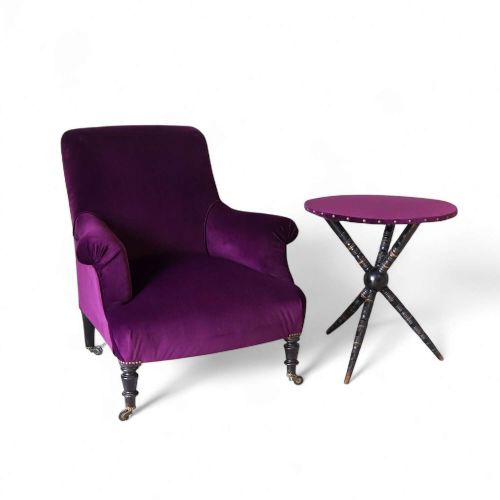
Napoleon III seating dates from the Second French Empire and often incorporates buttoned upholstery and ebonised or gilded frames. These pieces lean towards comfort and decorative opulence.
They frequently appear as salon chairs or conversational sofas covered in velvet.
Are these chairs suitable for daily use?
Many nineteenth-century chairs and sofas function well in modern interiors when placed in low-traffic reception spaces. Their structural stability depends on the underlying timber frame.
Some pieces listed require restoration before regular seating use.