


Antique French Vase Lamp
These antique french vase lamp examples transform historic vessels into practical lighting, bringing decorative ceramic and metal forms directly onto tables.
Antique French Vase Lamp
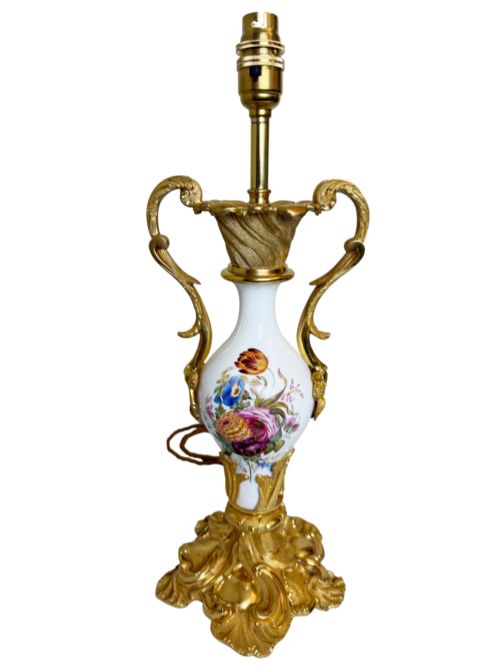
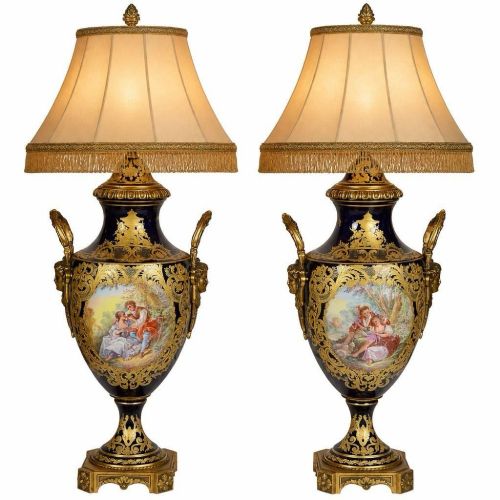
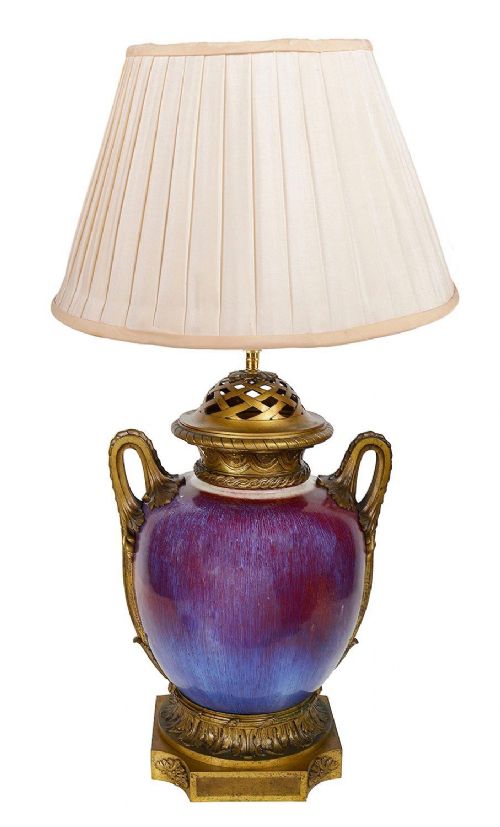
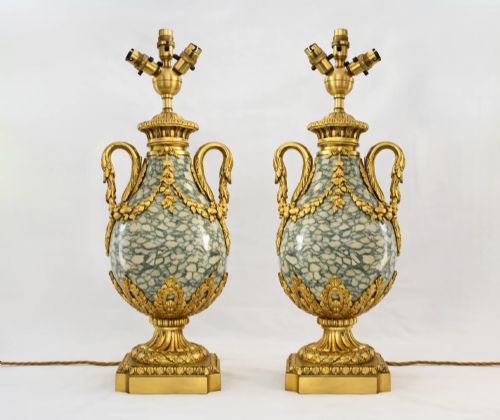
An antique french vase lamp repurposes historic vessels, particularly porcelain and ceramic bodies, into functional table lighting. Buyers encounter table lamps and decorative urns originating from nineteenth-century France alongside eighteenth-century exports.
Materials and construction methods
Makers utilised ceramic, porcelain, and glass bodies mounted with gilt bronze, brass, and ormolu. Marble bases provide weight and structural stability to the heavier vessel forms.
Hand-painted surface decoration, cloisonné enamel, and pâte-sur-pâte techniques appear frequently across the ceramic bodies. Skilled artisans adapted existing vases by drilling bases and attaching metal mounts to house electrical components.
Listings feature porcelain, gilt bronze, marble, and ceramic across the nineteenth century and eighteenth century.
Assessing quality in construction
Quality separates by the crispness of the gilt bronze or ormolu mounts and the precision of hand-painted porcelain details. Finely cast metalwork displays sharp chasing and secure integration with the underlying ceramic body.
The integrity of the conversion process dictates the standard of the piece. Superior examples retain the original balance of the vase without compromising the ceramic or stone structure during mounting.
Samson·Sevres
The Antique French Vase Lamp Glossary
- Ormolu
- A gilded bronze technique used extensively for decorative mounts on nineteenth-century French furniture and vases. It provides a rich metallic finish that complements porcelain bodies.
- Pâte-sur-pâte
- A ceramic decorating method where liquid clay is applied layer by layer to create a low relief cameo effect. This technique demands exceptional skill from the porcelain painter.
- Cloisonné
- An enamelling technique where wires are soldered to a metal base to create compartments filled with coloured paste. These enamel vases introduce vibrant patterns to table lamps.
- Cassolette
- A decorative vessel shaped like a vase, often fitted with a reversible lid that functions as a burner or candleholder. In lamp form, these maintain their symmetrical proportions.
- Paris Ware
- Porcelain produced by various independent factories in nineteenth-century Paris. It is known for fine white bodies and rich hand-painted gilding.
Antique French Vase Lamp: Frequently Asked Questions
How do I choose an antique french vase lamp?
Focus on the proportion between the vase body and the overall height, ensuring the piece suits your intended surface.
Consider the decorative style, such as Louis XVI or Chinoiserie, to match your existing interior aesthetic.
Are these lamps converted from old vases?
Many examples began life as decorative urns or vases before being professionally fitted for electrical use.
This adaptation preserves historic ceramic and metal artistry while providing modern utility.
What materials are common in these lamps?
Porcelain and ceramic form the primary bodies, often accented with gilt bronze, brass, or ormolu mounts.
Marble and cut-glass also appear frequently, supported by fabric and silk shades.
How do I date an antique vase lamp?
Examine the style of the mounts, such as Louis XVI or Rococo Revival, alongside the characteristics of the porcelain.
Nineteenth-century pieces often display specific factory marks or hand-painted signatures.
Can I use standard lampshades with them?
Most pieces accept standard fittings, though the weight and design of the vase dictate shade proportions.
Fabric and silk shades are typical choices that complement the historic metal and ceramic bases.