



Antique Ceramic Accent Lamp
These antique ceramic accent lamp examples bring characterful pottery and porcelain lighting into your rooms.
Antique Ceramic Accent Lamp
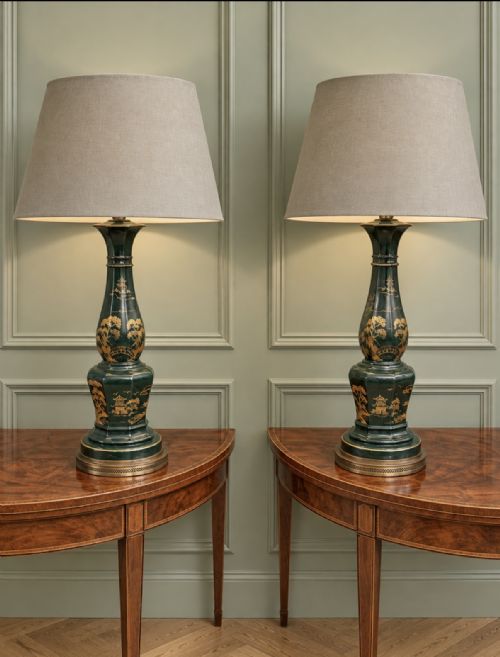
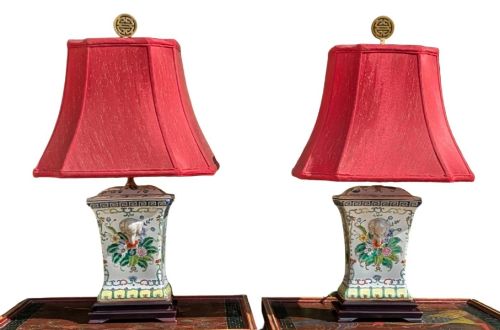
When you search for an antique ceramic accent lamp, you encounter portable lighting fashioned from historic pottery, porcelain, and earthenware bodies. These pieces serve to illuminate small spaces while functioning as decorative objects in their own right.
The selections available here lean heavily toward nineteenth-century European and Asian ceramic forms, alongside Edwardian designs. You will frequently find vases, tiles, and figures that have been converted into table lamps.
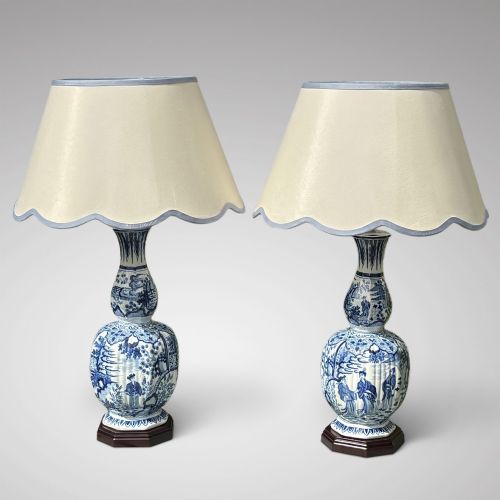
Originating from periods spanning the late nineteenth century into the mid-twentieth century, these items combine historic ceramic manufacturing with functional electrical fittings. They range from small porcelain vessels to Dutch delftware and Japanese satsuma wares.
Materials and construction
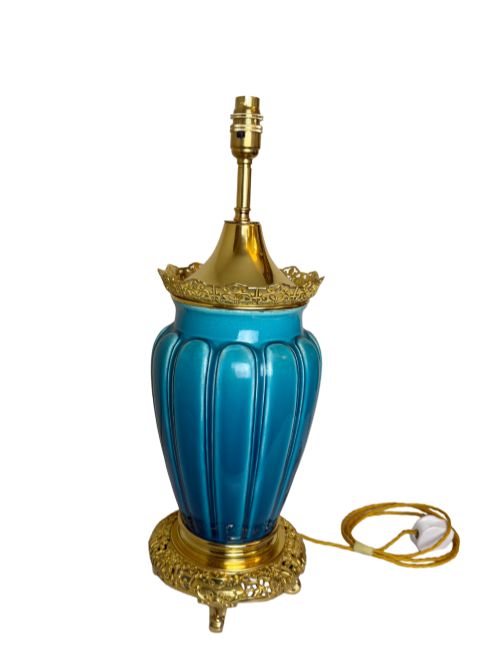
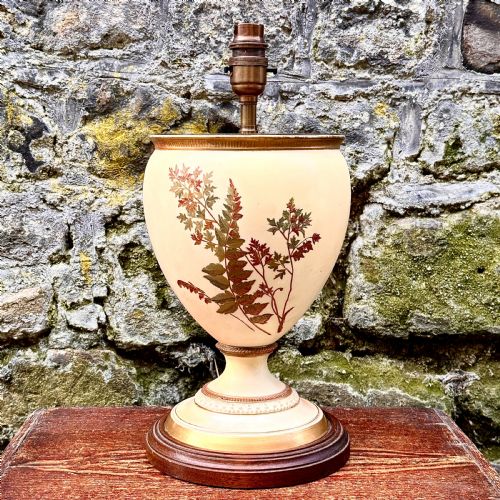
The foundation of these pieces relies upon fired ceramic, porcelain, earthenware, and tile materials shaped into vases, urns, or decorative plaques. Makers applied glazes in blue and white, turquoise, or polychrome finishes directly to the clay body.
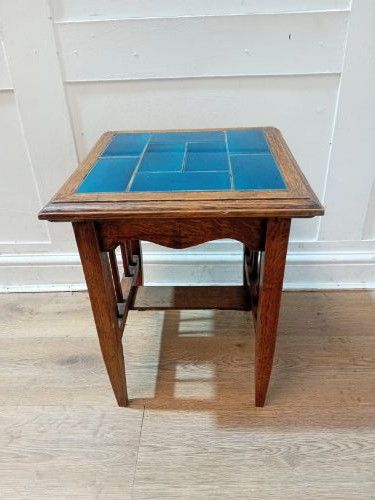
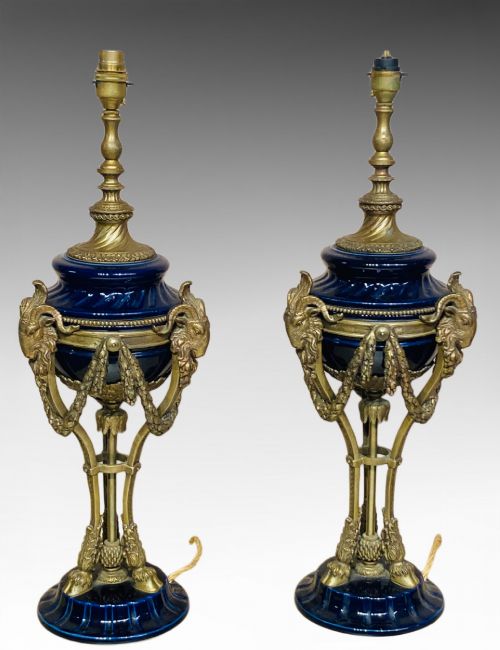
Mountings and trims frequently incorporate brass, gilt bronze, or ormolu to secure the ceramic body and elevate the overall form. Oak and other woods appear in structural elements such as side tables supporting tile tops.
Antique Ceramic Accent Lamp Retail Price Guide 2026
Typical asking prices for ceramic accent lamp among the pieces listed under this phrase on Sellingantiques today, from the lower quarter to the upper quarter. They describe what is for sale here now, not the wider market.
Several clever owls in German porcelain watch over these listings, faithfully moonlighting as table lamps.
Assessing quality and craftsmanship
Quality in these lighting pieces depends upon the finesse of the original ceramic body and the integration of metal mounts. Finer examples display crisp hand-painted detailing and harmonious proportions between the pottery and its metal collar or base.
The integrity of the conversion process also dictates distinction, where skilled adaptation preserves the character of the original vase or vessel without damaging the historic ceramic material.
Royal Worcester·Ernst Bohne and Sohn
The Antique Ceramic Accent Lamp Glossary
- Ormolu
- Gilded bronze mounts applied to furniture, clocks, and lamps. This technique became popular in French and European decorative arts to accent ceramic bases.
- Delftware
- Tin-glazed earthenware originating from the Netherlands, traditionally finished in blue and white designs. It appears frequently in historic table lamp adaptations.
- Satsuma
- Japanese pottery characterised by a crackle-glaze earthenware body decorated with polychrome enamels and gilt. These wares were often exported and later converted into lighting.
- Majolica
- A type of earthenware covered in an opaque tin glaze and painted with bright colours. It was utilised in nineteenth-century decorative items and lamp bases.
- Baluster
- A vertical architectural form shaped with a swelled lower portion, commonly seen in the silhouette of ceramic vase lamps.
Antique Ceramic Accent Lamp: Frequently Asked Questions
What is an antique ceramic accent lamp?
These lamps are functional lighting fixtures built using historic ceramic, porcelain, or earthenware vessels. They combine historic pottery with electrical components for modern use.
Most pieces originate from nineteenth or early twentieth-century workshops and feature hand-painted glazes or metal mounts.
How were these lamps used originally?
Many of these pieces began life as decorative vases, jars, or architectural elements before being adapted into lamps. They provided targeted illumination on side tables and desks.
Their primary role was to add decorative warmth and ambient lighting to period rooms.
How do I style a ceramic lamp at home?
Place these lamps on side tables, sideboards, or mantelpieces where their glazed surfaces catch natural light. They pair well with traditional or eclectic interior schemes.
Keep the surrounding decor simple to allow the hand-painted details and metal mounts to stand out.
How can I tell different periods apart?
Stylistic clues such as Rococo revival mounts or Arts and Crafts oak frames help date the physical build. The painting style and glaze type often point toward nineteenth-century or Edwardian origins.
Manufacturer marks on the ceramic base, when present, provide a clearer indication of the exact era.