

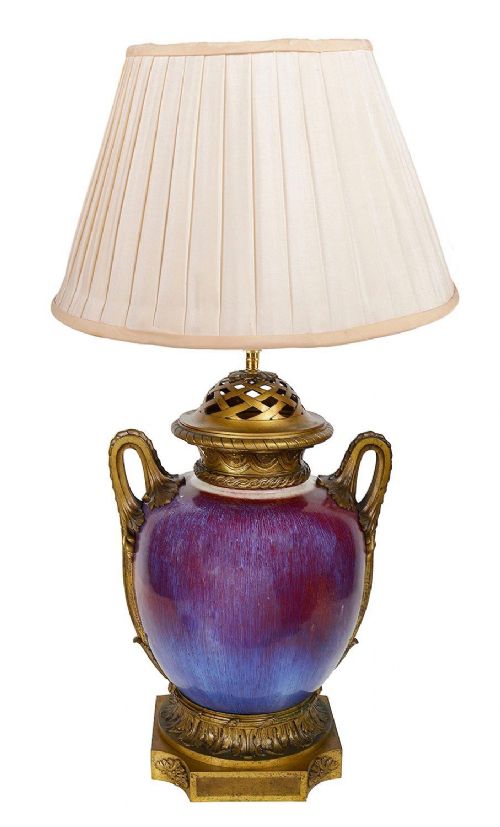


French Glazed Ceramic Lamp
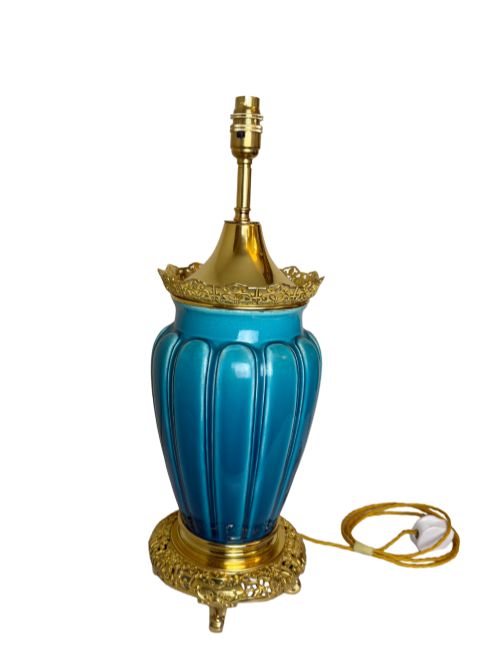
These French glazed ceramic lamps bring a rich wash of colour and texture into a room, blending pottery with metal mounts.
French Glazed Ceramic Lamp
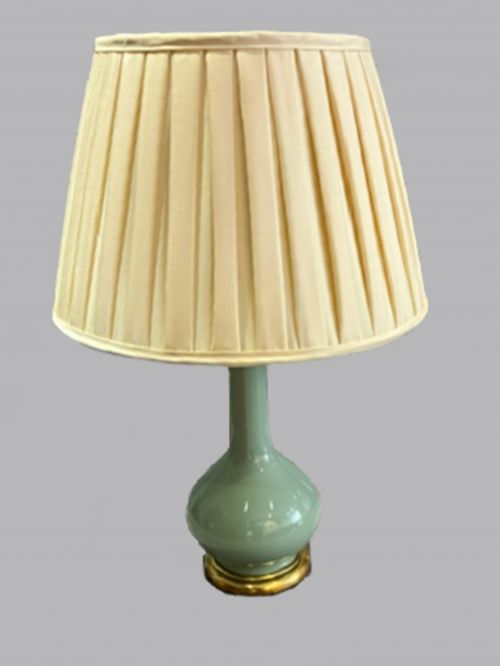
When you search for a french glazed ceramic lamp, you encounter table lamps built from vases, urns, and vessels created across the nineteenth and twentieth centuries. The selection ranges from nineteenth-century turquoise and celadon pieces to Art Deco veilleuses and Chinese export vases adapted for illumination.
You are most likely to meet nineteenth-century turquoise blue or celadon porcelain and ceramic table lamps fitted with gilt bronze, ormolu, or brass mounts. These pieces frequently span periods from the eighteen-eighties through the Art Deco era of the nineteen-thirties and nineteen-forties.
How they were made
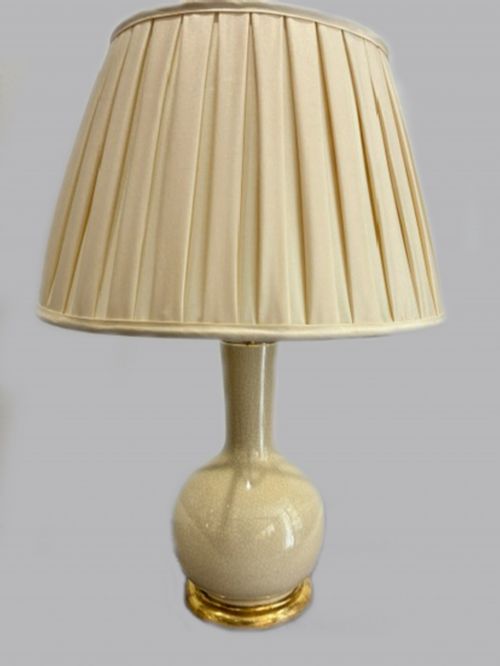
Potters shaped these bodies from ceramic and porcelain, applying reactive glazes in turquoise, blue, celadon, and crackle ware finishes before firing. Many vessels originated as vases, lidded jars, or perfume lamps before later conversion into electrical table lamps.
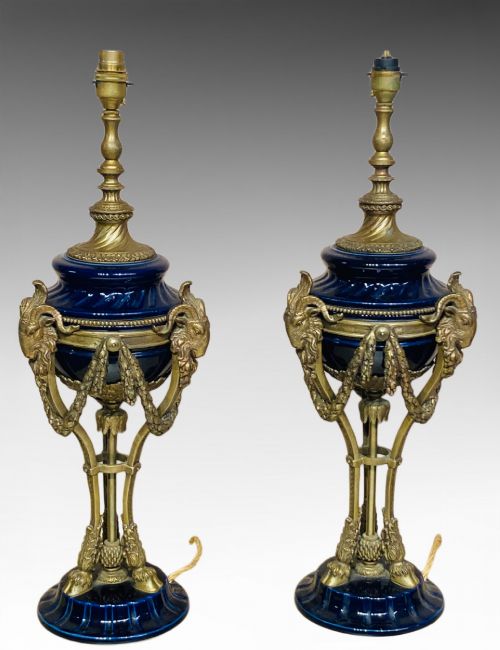
Metalworkers added brass, gilt bronze, and ormolu mounts, bases, and trim to frame the ceramics. Some pieces combined bronze figural elements directly with china bases to support the lamp fittings.
French Glazed Ceramic Lamp Retail Price Guide 2026
Typical asking prices for french glazed ceramic lamp among the pieces listed under this phrase on Sellingantiques today, from the lower quarter to the upper quarter. They describe what is for sale here now, not the wider market.
Current listings feature ceramics finished in turquoise, celadon, and crackle ware glazes alongside ormolu and gilt bronze mounts.
What varies in quality
The sophistication of the glaze and the crispness of the ceramic body set the baseline for quality. Subtle crackle finishes and deep, even colouration across turquoise and celadon surfaces separate finer examples from simpler production.
The integration of the metal mounts distinguishes standard pieces from superior ones. Finely chased gilt bronze or ormolu trim fitted precisely to the ceramic body elevates the overall construction.
Argilor Paris
The French Glazed Ceramic Lamp Glossary
- Celadon
- A pale green jade-like glaze applied to ceramic bodies. This finish appears frequently on nineteenth-century French pieces.
- Ormolu
- Gilt bronze mounts used to decorate and elevate furniture and ceramics. It provides a bright metallic contrast to the glazed pottery.
- Veilleuse
- A type of small night light or perfume lamp originating in France. Art Deco examples take whimsical figurative forms.
- Crackle ware
- A ceramic glaze characterised by a network of fine decorative cracks across the surface. It offers texture and visual depth to the lamp body.
- Sang du Boeuf
- A deep red oxblood glaze derived from copper oxides. Eighteenth-century examples appear on converted Chinese export vases.
French Glazed Ceramic Lamp: Frequently Asked Questions
What periods do these lamps come from?
The selection spans from the eighteenth century through the nineteenth and twentieth centuries, including Victorian, Art Deco, and Louis XVI neoclassical styles.
Many pieces date from the eighteen-eighties and eighteen-nineties, alongside later mid-century examples from the nineteen-thirties and nineteen-forties.
Were these always electric lamps?
Many of these pieces began life as decorative vases, lidded jars, or perfume lamps before being converted into table lamps at a later date.
Original vessels made in China or France were adapted with electrical fittings and metal bases to serve modern domestic lighting needs.
What materials make up these lamps?
The main bodies consist of porcelain, ceramic, and china, often covered in turquoise, blue, or celadon glazes.
Mounts and bases incorporate brass, ormolu, gilt bronze, and gilt metal, sometimes paired with fabric lamp shades.
How do I style a ceramic table lamp?
These lamps work well on side tables, consoles, or desks where their colourful glazes and metallic mounts add visual weight. Their varied heights and forms suit both traditional and eclectic interiors.
Pairing them with simple fabric shades lets the detailed ceramic bodies and gilt bronze trim remain the central focus of the room.