






Antique French Upholstery Frame
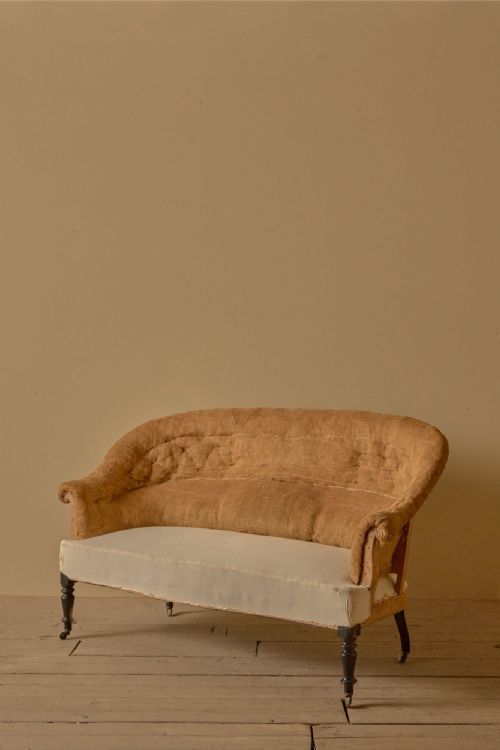
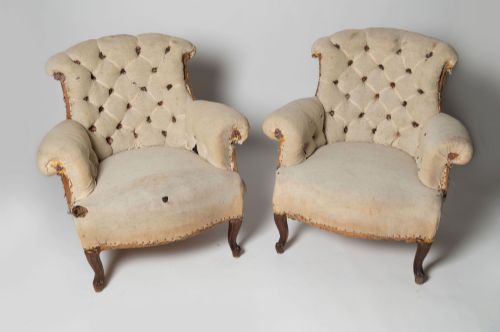
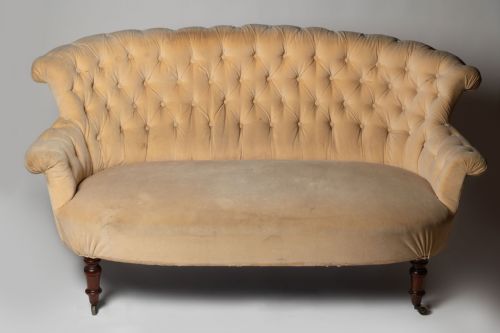
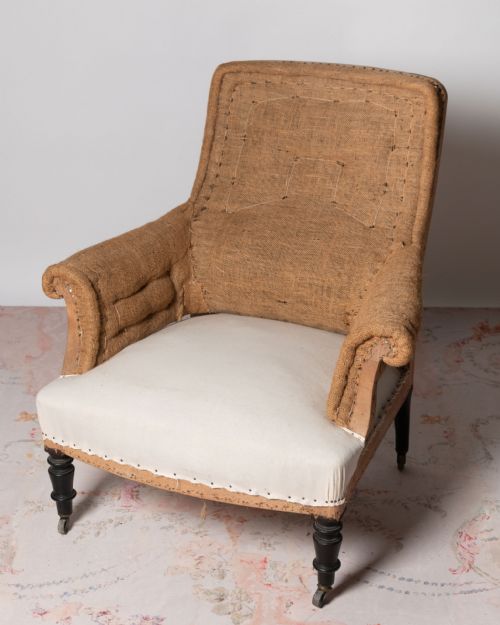
These antique french upholstery frame pieces offer exposed timber skeletons ready for bespoke textile work.
Antique French Upholstery Frame
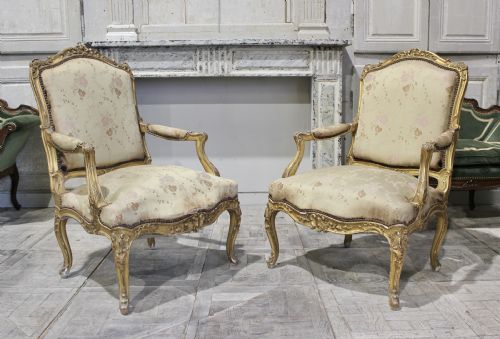
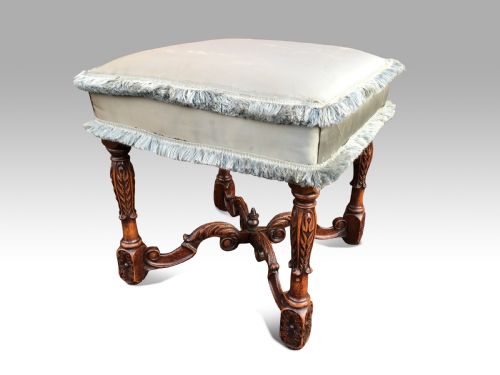
When searching for an antique french upholstery frame, a buyer encounters exposed wooden armchairs, sofas, settees, and stools dating primarily from the nineteenth century. These structural skeletons demonstrate classic continental forms including Louis XV style curves, Napoleon III profiles, and French Provincial designs.
The pieces appearing on this page most commonly include nineteenth-century armchairs and multi-seat sofas stripped down to their essential timber and webbing. Common structural timbers include beech, walnut, and giltwood, often retaining traces of earlier hessian, calico, or linen under-layers.
Makers and workshops constructed these frames to accept custom stuffing and textile covers tailored to individual salon schemes. Buyers select these raw skeletons to finish them with fabrics matching specific interior restoration projects.
Materials and construction
Carpenters shaped solid hardwoods such as beech and walnut into curved rails and cabriole supports suited for heavy textile application. Joinery techniques relied on precise mortise and tenon connections designed to withstand the permanent tension of tightly pulled webbing and springs.
Workshops applied decorative finishes including gold paint and giltwood directly to the wooden frameworks before applying internal layers of hessian and calico. Brass tacks often secured the initial foundation materials directly into the timber margins.
Antique French Upholstery Frame Retail Price Guide 2026
Typical asking prices for french upholstery frame among the pieces listed under this phrase on Sellingantiques today, from the lower quarter to the upper quarter. They describe what is for sale here now, not the wider market.
Listings span the nineteenth century up to the 1930s, featuring beech, walnut, and giltwood structures finished with hessian and calico.
Assessing quality in frames
Quality reveals itself in the crispness of the carved wooden details and the overall symmetry of the structural silhouette. Finer examples display deeply sculpted floral motifs and balanced proportions that indicate skilled hand carving rather than mechanical production.
The integrity of the underlying timber dictates the structural merit of the piece. Frames retaining dense, uncompromised hardwood rails provide a superior foundation for modern restoration compared to timber weakened by excessive past alterations.
The Antique French Upholstery Frame Glossary
- Giltwood
- Wood carved and subsequently coated with a thin layer of gold leaf or metallic size. This finish appears frequently on formal salon seating.
- Hessian
- A coarse woven fabric typically manufactured from jute fibres, utilised as the primary foundation layer for traditional upholstery stuffing. It provides the tight base necessary for spring retention.
- Calico
- A plain-woven cotton fabric stretched tightly over the interior stuffing materials to create a smooth sub-cover before the final decorative textile is applied. It conceals internal webbing and horsehair.
- Napoleon III
- A nineteenth-century French design period known for eclectic revivals of earlier royal styles combined with comfortable, heavily padded domestic forms. Pieces from this era often feature curved backs and exposed wooden frames.
- Louis XV Style
- An eighteenth-century aesthetic revived during later periods, characterised by asymmetrical curves, cabriole legs, and naturalistic scrollwork. This style defines many formal French armchair frames.
Antique French Upholstery Frame: Frequently Asked Questions
Why buy an unfurnished frame?
Purchasing an exposed timber skeleton allows a buyer to select exact textile coverings and padding densities tailored to a specific room scheme. It ensures the restoration matches historical accuracy or contemporary interior design requirements.
Working with an empty frame also exposes the underlying joinery and timber quality clearly before any financial investment goes into professional reupholstery.
How do I identify a Napoleon III frame?
Napoleon III frames typically exhibit exuberant nineteenth-century curves, often paired with platform or spring construction layouts designed for deep comfort. They frequently incorporate giltwood or dark polished hardwoods shaped into distinct serpentine lines.
These structures reflect the eclectic tastes of the Second Empire in France, blending classical revival motifs with functional domestic seating forms.
What wood types should I expect?
The listings on this page show frames constructed primarily from beech, walnut, and giltwood. Beech provided a strong, fine-grained timber suitable for intricate carving, while walnut offered richer natural tones for exposed polished surfaces.
Giltwood finishes appear on more formal pieces intended for nineteenth-century reception rooms and salons.
Can I use modern fabrics on these frames?
Modern textiles integrate successfully with traditional frames provided the underlying webbing, springs, and stuffing are built up correctly to support the chosen material. Traditional methods ensure the fabric sits properly against the carved wooden borders.
Upholsterers can adapt contemporary wools, silks, or cottons to nineteenth-century skeletons without compromising the structural integrity of the exposed timber.