





Antique French Serving Bowls
Antique French serving bowls bring utilitarian elegance to the table, spanning nineteenth century majolica and twentieth century glass.
Antique French Serving Bowls
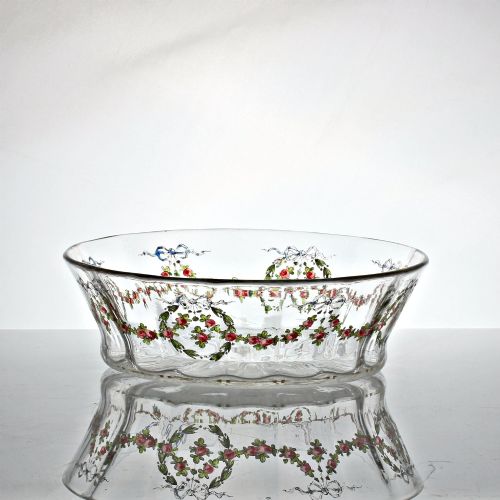
Antique French serving bowls encompass an eclectic mix of dining ware and decorative vessels designed for presentation and service. These pieces emerge from periods ranging across the nineteenth century, the Victorian era, and into nineteen thirty Art Deco designs.
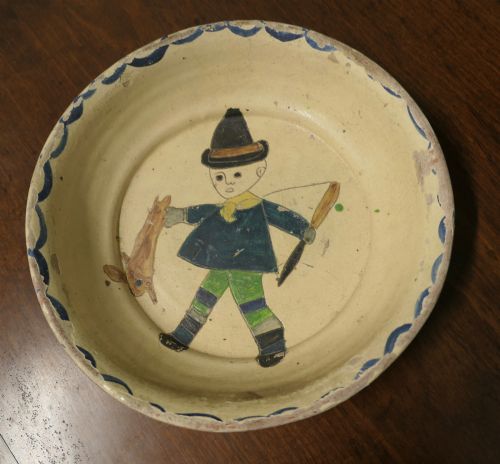
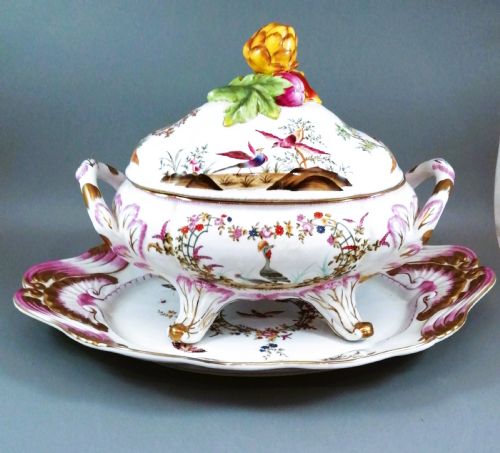
The assortment includes centrepiece bowls, tureens with lids and stands, bread baskets, and faience pottery dishes. Buyers encounter forms influenced by Renaissance Revival, French Empire Style, Continental Rococo, and Japonisme aesthetics.
Originating from French workshops and notable makers, these items combine practical dining functions with ornamental detailing. The selection on this page demonstrates the diverse material culture of French domestic service across multiple design movements.
Materials and construction
Pottery and porcelain production relies on traditional methods, seen in hand painted majolica, faience earthenware, and fine porcelain bodies often associated with factories like Gien and Samson. Artisans applied glazes and hand painted motifs featuring subjects such as pheasants and naturalistic scenes.
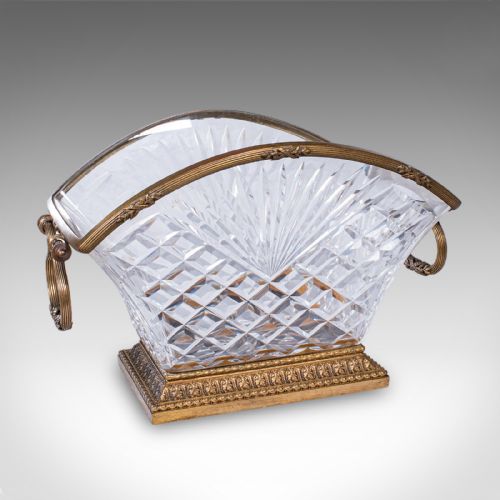
Metal vessels utilise silver plate and ormolu mounts, frequently taking shape as Art Deco bread baskets, fruit bowls, or covered serving dishes. Glassware incorporates techniques of moulding and opalescence, exemplified by the output of Rene Lalique in nineteen thirty.
Antique French Serving Bowls Retail Price Guide 2026
Typical asking prices for french serving bowls among the pieces listed under this phrase on Sellingantiques today, from the lower quarter to the upper quarter. They describe what is for sale here now, not the wider market.
Listings feature periods from the nineteenth century, Victorian era, and nineteen thirty Art Deco, alongside materials including porcelain, ceramic, silver plate, and cut glass.
Assessing quality and execution
Quality rests upon the crispness of execution in hand painted decoration and the precision of silver plating or ormolu mounts. Finer ceramic pieces display controlled brushwork and well fired glazes, whilst lesser examples show diminished detail in pictorial elements.
The prestige of the maker or pottery elevates the standing of a piece, with documented works by established designers commanding greater recognition. Material weight, glass clarity, and the structural integrity of metal mounts also dictate the relative standing within the range.
Rene Lalique·Gien faience pottery·Samson·Brille Paris·Christofle Gallia·Louis Pierre Malpass
The Antique French Serving Bowls Glossary
- Faience
- Tin glazed earthenware produced in France, typically featuring hand painted decoration on an opaque white background. This technique defines much of the traditional regional pottery seen in nineteenth century serving dishes.
- Majolica
- A type of earthenware glazed with opaque tin enamel and brightly coloured metallic oxide paints. It gained popularity for decorative tableware and centrepiece bowls during the nineteenth century.
- Ormolu
- Gilded bronze mounts applied to decorative objects and glass bowls. The technique involves treating brass or bronze with a mercury and gold amalgam.
- Tureen
- A deep covered bowl designed for serving soups, stews, or other discrete dishes at the dining table. These often include matching ceramic stands or underplates.
- Opalescent glass
- Glass that diffuses light to display milky or iridescent blue and amber tones. Rene Lalique utilised this effect extensively in nineteen thirty tableware.
Antique French Serving Bowls: Frequently Asked Questions
What were antique French serving bowls used for?
These vessels served functional roles at the dining table for presenting fruit, bread, soups, and main courses during formal meals. Many pieces also functioned purely as decorative centrepieces to display wealth and taste.
Over time, their usage shifted from active dining service into collectible display items valued for their artistry and historical association.
How do I identify an Art Deco piece?
Art Deco serving bowls, typically dated around nineteen thirty, favour geometric lines, symmetrical patterns, and stylised motifs rather than organic curves. They often utilise silver plate or moulded opalescent glass.
Makers such as Christofle and Rene Lalique are frequently associated with this streamlined aesthetic, marking a clear departure from nineteenth century revival styles.
What is the difference between faience and majolica?
Faience is a French tin glazed earthenware tradition known for its painted historical and floral designs on white backgrounds. Majolica shares the tin glaze foundation but employs vivid, blended metallic oxide colours for bolder, often moulded relief effects.
Both ceramic types were widely produced in France during the nineteenth century for domestic service and display.
How should I care for silver plated bowls?
Silver plated serving dishes require gentle cleaning with non abrasive cloths and dedicated silver care products to preserve the metal coating. Avoid harsh chemical dips that can strip away the original plating or damage underlying base metals.
Regular, careful dusting and minimal exposure to moisture will maintain the finish of nineteenth and twentieth century pieces.