


Antique French Scene Painting
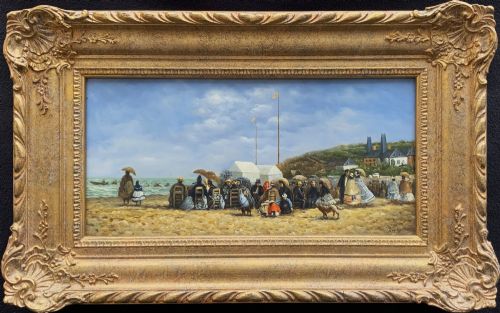
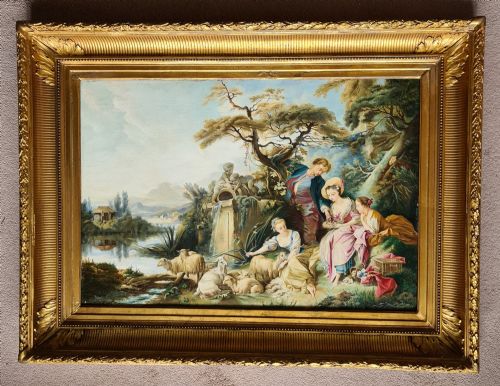
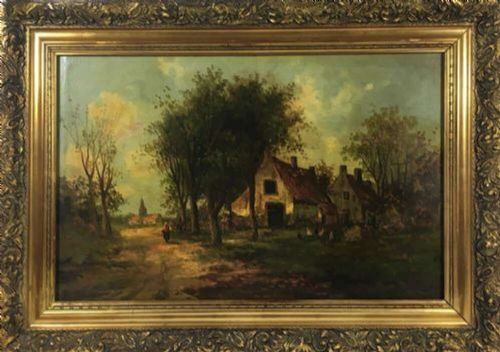
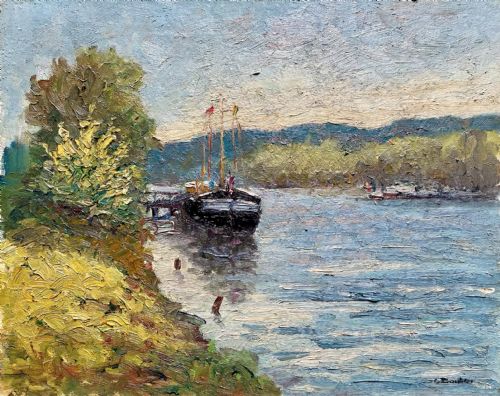
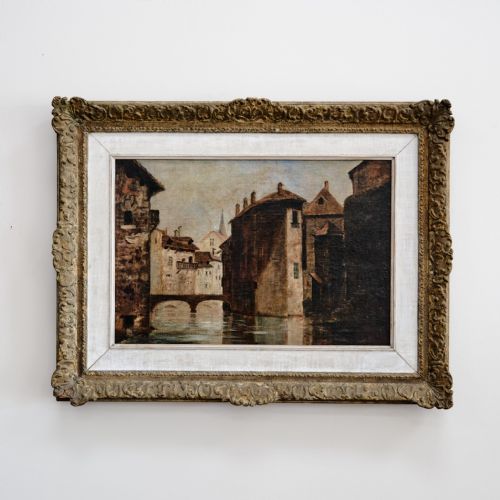
When you search for an antique french scene painting, you uncover figurative compositions and landscapes spanning the nineteenth and twentieth centuries.
Antique French Scene Painting
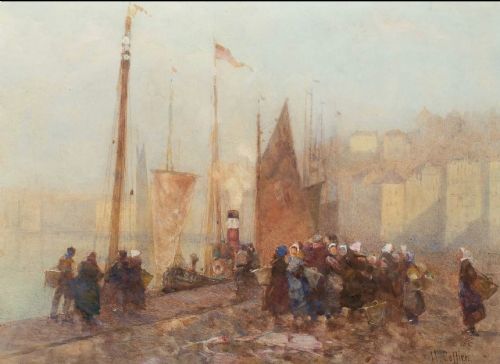
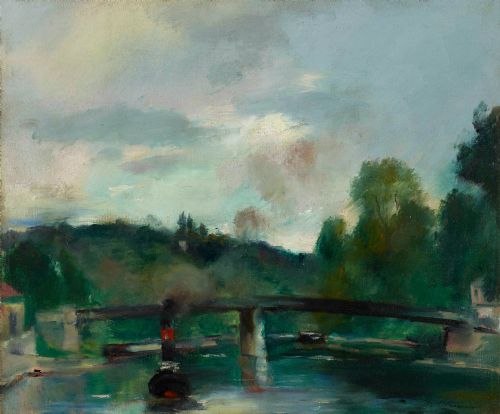
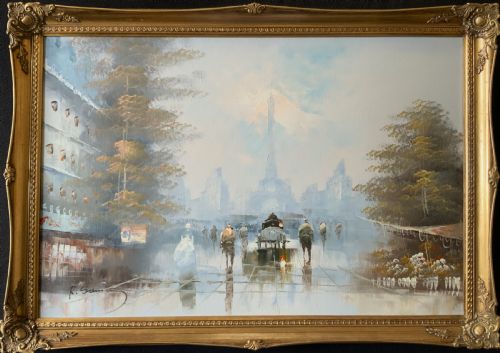
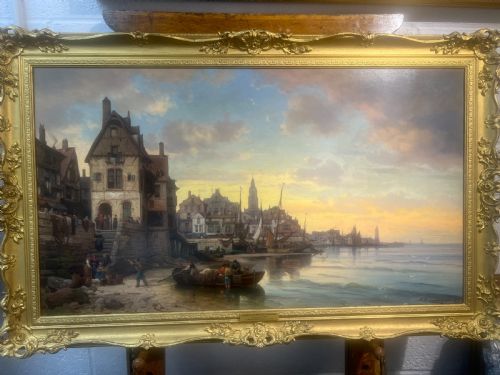
Collectors seeking an antique french scene painting encounter works executed across the nineteenth and twentieth centuries, capturing coastal views, rural farmyards, and urban street life. These canvases and panels often reflect movements such as Impressionism, Post-Impressionism, and the Barbizon School, recording everyday moments and pastoral narratives.
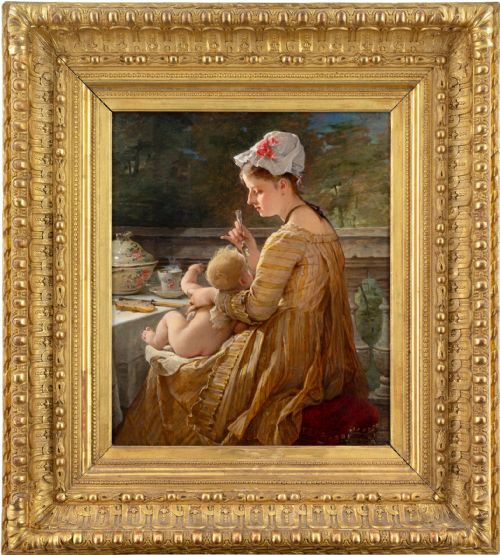
The most common versions met on this page are oil paintings on canvas and framed watercolours produced by recognised European artists of the period. Such pieces range from intimate sketches of domestic interiors to larger historical genre works depicting figures engaged in daily pursuits.
Materials and construction
The physical support for these artworks relies primarily on woven canvas, wooden panels, or heavy paper for watercolours, enclosed within period frames fashioned from wood, gesso, and gold leaf. Painters applied oil paint and watercolour pigments using brushes and sometimes palette knives to build texture and depth across the composition.
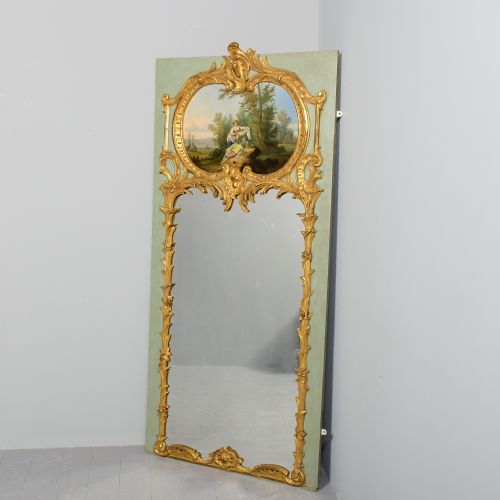
Framing often incorporates decorative elements like giltwood mouldings or contrasting painted finishes to complement the tonal palette of the artwork itself.
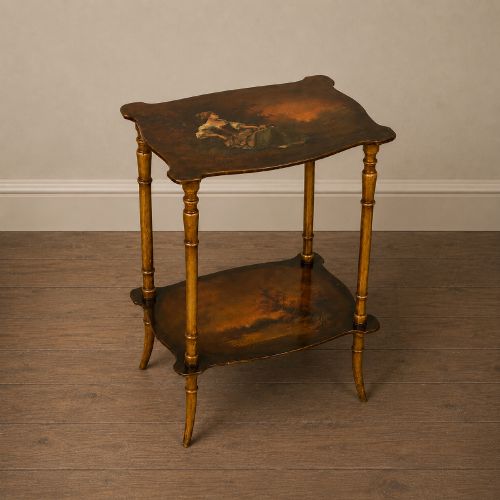
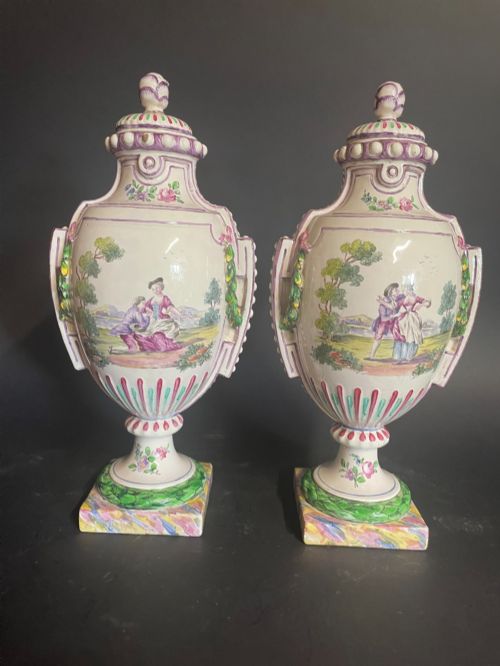
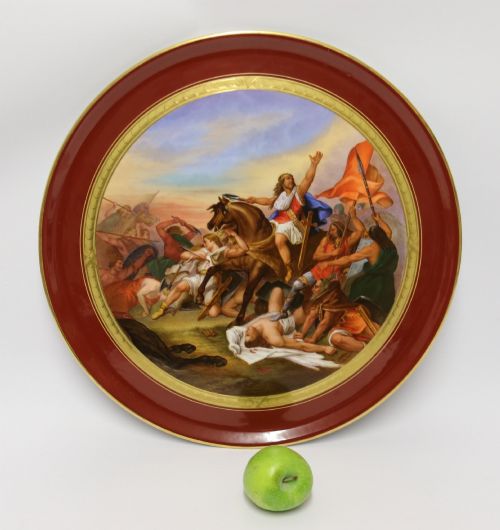
Object forms span wall art, fine art paintings, decorative trays, porcelain chargers, and painted wooden folding screens.
Distinguishing quality across works
Superior examples of these paintings demonstrate confident brushwork, balanced composition, and a sophisticated handling of light and shadow, particularly in works employing chiaroscuro. The fidelity of human anatomy, the atmospheric perspective of landscape backgrounds, and the preservation of the original pigment vibrancy also separate finer pieces from more rudimentary student or decorative efforts.
The integration of a secure signature, provenance linked to known Salon exhibitions or specific artists, and the condition of the original support material further elevate the standing of an individual canvas.
Francois Boucher·Hector Caffieri·Adelaïde Salles Wagner·Henri Ottmann·Charles Euphraisie Kuasseg·Jacob Petit·Paul Ehrenberg·Benjamin Eugene Fichel·Henri Jaques Delpy·Charles Zacharie Landelle·Gaston Cornil·Paul Delvaux·Victor Gabriel Gilbert·William Lee Hankey·Raimond Louis Lecourt·André Prévot Valéri·Mary Evelina Kindon
The Antique French Scene Painting Glossary
- Barbizon School
- A nineteenth-century French art movement rooted in realism and landscape painting, focusing on direct observation of nature. Artists associated with this group worked near the forest of Fontainebleau.
- Chiaroscuro
- An artistic technique employing strong contrasts between light and dark to give a sense of volume to three-dimensional objects and figures. This method was frequently utilised in dramatic genre and tavern scenes.
- Gesso
- A white paint mixture consisting of a binder mixed with chalk, gypsum, or pigment, used extensively to prepare wooden panels and canvas surfaces or to mould decorative details on frames.
- Giltwood
- Wood that has been covered with a thin layer of gold leaf or gold paint for decorative effect. This finish is typical of period frames housing nineteenth-century canvases.
- Genre painting
- Pictorial representation of scenes from everyday life, involving ordinary people engaged in common activities. Subjects often include market stalls, domestic interiors, and rural labour.
Antique French Scene Painting: Frequently Asked Questions
What periods do these paintings cover?
The available artworks predominantly date from the nineteenth and early twentieth centuries, capturing shifts in technique from romanticism and academic realism through to impressionist and post-impressionist developments. Individual pieces reflect the aesthetic priorities of their specific decade of production.
Dates range from mid-century rural studies to later urban streetscapes, providing a chronological span of French artistic expression.
How do I care for an oil painting?
Preserving these canvases involves maintaining stable indoor humidity and temperature levels away from direct sunlight and heat sources, which can cause paint cracking or fading. Dusting should be performed gently with a soft, dry brush without applying moisture or cleaning agents to the pigment surface.
Exposing works to damp environments risks mould growth on both the canvas support and the wooden stretcher bars behind the painting.
Where were these scenes typically painted?
Artists recorded subjects across diverse regions of France, encompassing coastal ports in Normandy and Brittany, rural farming communities, and Parisian boulevards. Many painters worked plein air to capture natural lighting conditions before refining compositions in their studios.
Regional landscapes often reveal specific architectural details and atmospheric qualities unique to those particular geographic locations.