







Antique French Portrait Plaque
These antique french portrait plaque examples are hand-painted ceramic and metal likenesses of historical figures, prized for their fine facial detail and decorative frames.
Antique French Portrait Plaque
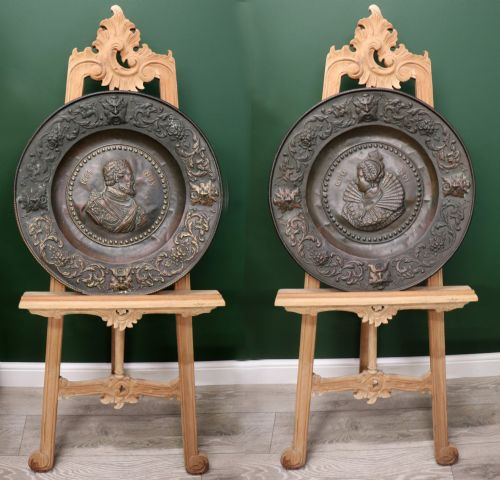
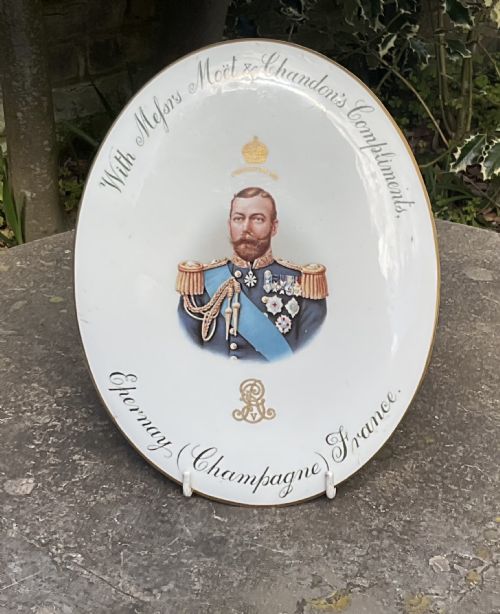
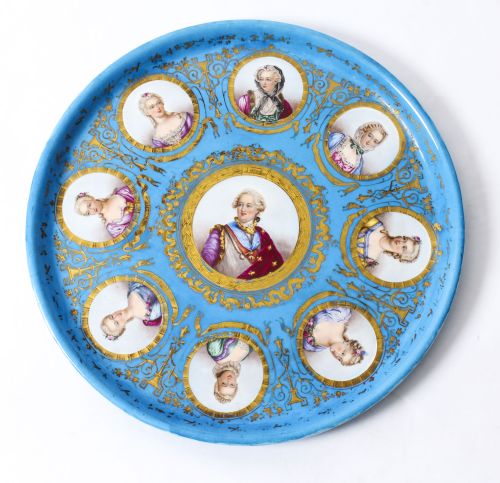
An antique french portrait plaque captures historical and regal faces across various decorative objects designed for wall hanging or display. When searching for an antique french portrait plaque, you encounter pieces spanning the eighteenth and nineteenth centuries, including porcelain chargers, copper chargers, and bronze medallions.
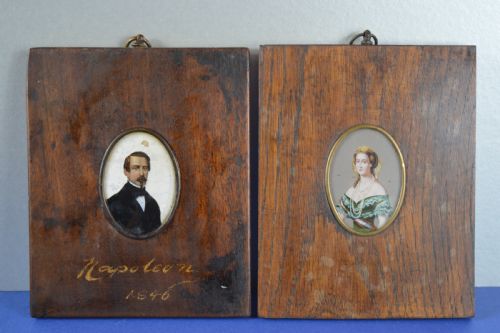
The assortment on this page ranges from Limoges enamel works and Sevres porcelain to cast bronze roundels and framed portrait miniatures. These items often depict notable historical figures such as Napoleon, Marie Antoinette, and Henry IV.
Many of these pieces function as standalone wall art, while others are integrated into functional items such as mantel clocks, table mirrors, and ormolu tazzas. The materials and forms reflect nineteenth century revivals of earlier French styles.
How they were made
The creation of these works relies on skilled painting upon enamel, porcelain, or metal surfaces, frequently mounted within protective wooden, brass, or giltwood frames. Limoges examples utilise copper bases coated in vitreous enamels fired at high temperatures to achieve permanent polychrome imagery.
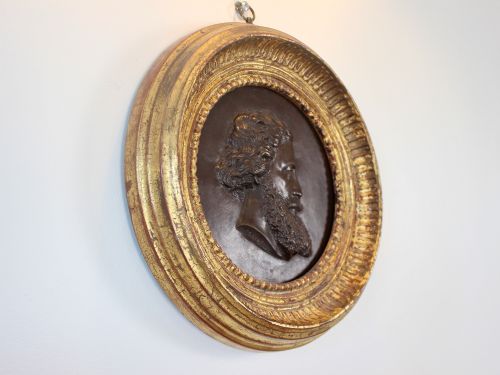
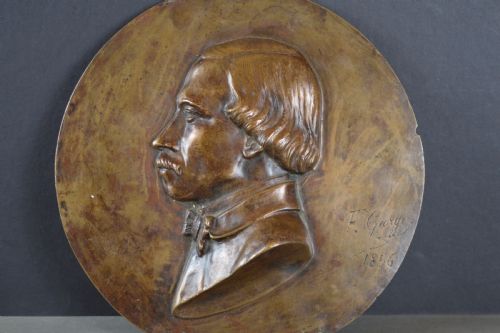
A bearded gentleman bearing the signature Mainfroy keeps watch alongside monarchs and commanders.
What varies in quality
The quality of the surrounding mount also determines the overall merit of the piece. Hand-carved wooden frames, finely chased ormolu mountings, and signed works by makers such as Mainfroy or Lavergne elevate the significance of the plaque.
MAINFROY·J Lavergne·F.Bienvue
The Antique French Portrait Plaque Glossary
- Limoges enamel
- A technique originating in France where vitreous enamel is applied to a copper support and fired. This method allows for detailed polychrome portrait painting with a glossy finish.
- Ormolu
- Gilded bronze used widely in French decorative arts for mounts, frames, and decorative vessels. It provides a rich golden contrast to enamel and porcelain plaques.
- Roundel
- A circular panel or plaque used for decorative wall art or as an inset on furniture and clocks. These are frequently cast in bronze or framed in turned wood.
- Charger
- A large decorative plate intended for display rather than dining. These often feature prominent hand-painted portraits of historical monarchs.
- Commemorative plate
- A vessel or plaque created to mark a specific historical personage, event, or reign. Examples often bear likenesses of figures like Louis XVI or Napoleon.
Antique French Portrait Plaque: Frequently Asked Questions
How do I hang a heavy plaque?
Most wall-mounted pieces arrive with integrated rings or secure wooden frames suited for picture hooks. Ensure the fixing matches the weight of the bronze or ceramic body.
For heavy ormolu and copper chargers, use wall anchors rated for the specific load to prevent structural strain on the wall surface.
Are these portraits of real people?
The subjects are generally historical figures, monarchs, or military leaders well-documented in French history. Names such as Napoleon, Marie Antoinette, and Henry IV frequently appear on these pieces.
Artists often drew inspiration from official portraits or historical records of the era when painting the ceramic and metal likenesses.
How do I clean enamelled copper?
Dust the surface gently with a soft, dry cloth to remove particles without disturbing the painted enamel layer. Avoid abrasive cleaners or excess moisture on the copper edges.
Metal frames benefit from occasional light dusting, keeping polish away from the painted or enamelled portrait areas entirely.
What periods do these pieces span?
The listings encompass items primarily from the eighteenth and nineteenth centuries, reflecting various historicist revivals. Dates range from early eighteenth-century Limoges works to late nineteenth-century Victorian and Edwardian productions.
Stylistic cues such as Rococo Revival frames or French Empire bronze casting help indicate the specific decade of manufacture.