



Antique French Porcelain Set
An antique french porcelain set brings together refined ceramic craftsmanship and polished metal mounts, offering both decorative presence and historic utility for the home.
Antique French Porcelain Set
An antique french porcelain set comprises multi-piece groupings designed for display, dining, or interior ornamentation, spanning functional tea services, dessert services, and elaborate mantel clock garnitures.
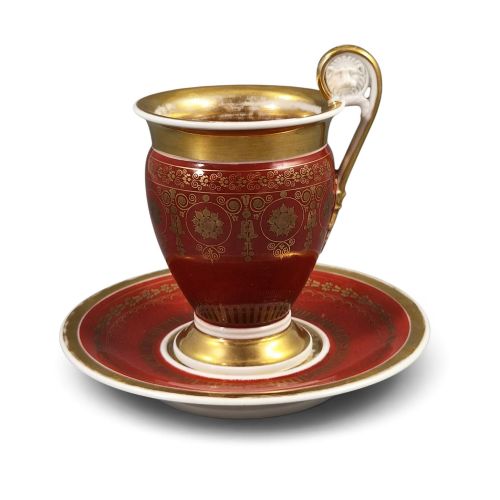
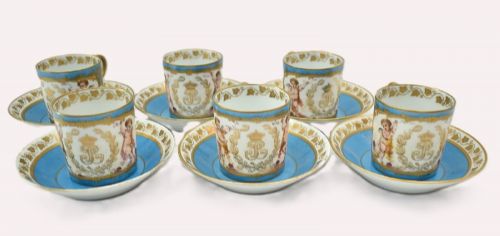
The most prevalent configurations on this page include three-piece clock garnitures featuring a central timepiece flanked by matching urns or vases, alongside matching cup and saucer sets and cabinet plates originating from the eighteenth through the twentieth centuries.
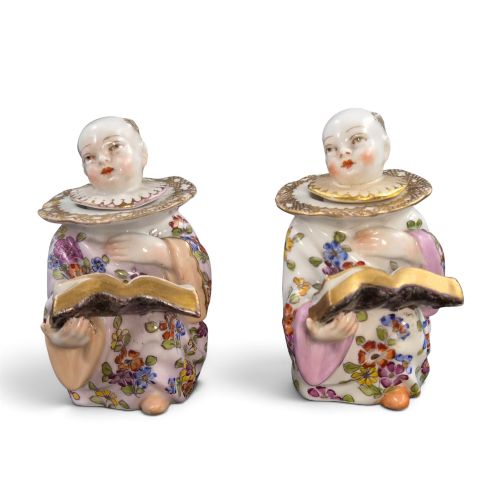
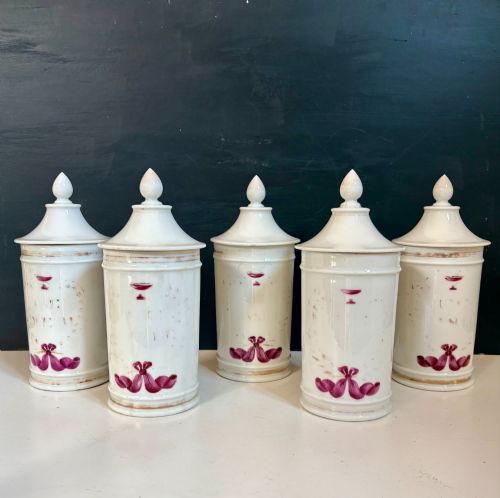
These groupings encompass diverse forms such as apothecary jars, desk sets, coffee services, and figural inkwells, often uniting ceramic bodies with metal stands, glass domes, or matching side plates.
How they were made
The ceramic components rely upon hard paste or soft paste porcelain bodies, frequently decorated with hand-painted floral scenes, figural subjects, and rich glazes such as Bleu de Roi.
Metal mounts utilise ormolu, gilded metal, gilt bronze, and brass, cast and chased to frame the porcelain elements of clock sets and garnitures.
Surface ornamentation incorporates gold leaf, enamel work, and detailed hand-painting, occasionally paired with cloisonné or mounted within glass protective domes.
Listings feature items spanning the eighteenth, nineteenth, and twentieth centuries, incorporating porcelain, gilt bronze, ormolu, and glass.
What varies in quality
Quality rests upon the crispness of the porcelain moulding, the refinement of the hand-painted detailing, and the complexity of the accompanying gilt bronze or ormolu mounts.
Comprehensive sets featuring matching components, undamaged gilding, and intact original clock movements or garniture pairs occupy the upper tier of the range.
The integration between ceramic bodies and metal hardware demonstrates the maker's skill, where tight mounts and balanced proportions distinguish finer ateliers from standard production pieces.
Edmé Samson·Jean-Pierre Feuillet·Ahrenfeldt & Asalvary·Japy Freres·A.D Mougin·Vincenti of Paris
The Antique French Porcelain Set Glossary
- Garniture
- A set of matched decorative objects, typically comprising a central clock or vase accompanied by two matching side pieces designed for a mantelpiece.
- Ormolu
- Gilded bronze or brass mounts used extensively in nineteenth-century French furniture and clock cases to frame porcelain panels.
- Soft Paste
- An early ceramic composition fired at lower temperatures than true hard paste porcelain, known for a softer glaze texture seen in eighteenth-century pieces.
- Bleu de Roi
- A deep, rich cobalt blue glaze developed at the Sevres factory and widely utilised across French decorative porcelain.
- Cabinet Cup
- A decorative cup and saucer intended for display in a cabinet rather than for daily consumption of tea or coffee.
Antique French Porcelain Set: Frequently Asked Questions
What is included in a clock garniture?
A clock garniture typically consists of a central mantel clock paired with two matching side pieces, such as urns, vases, or candelabra. These sets were designed to create a balanced decorative display across a mantelpiece or sideboard.
In many examples, the porcelain panels on the clock match the ceramic bodies of the flanking pieces, often sharing identical hand-painted floral or landscape motifs and gilt bronze mounts.
How do I identify Vieux Paris porcelain?
Vieux Paris, or Old Paris porcelain, encompasses items produced by various independent workshops operating in and around Paris from the eighteenth through the mid-nineteenth centuries. These pieces frequently showcase bright hand-painted decoration and generous gilding.
Because many Parisian workshops operated without official royal marks, identification relies upon stylistic traits, body weight, and characteristic handle designs such as lion masks rather than factory stamps.
Were these sets used daily?
While tea services, coffee sets, and dessert plates were created for dining and entertaining, many elaborate garnitures and cabinet cups served primarily decorative roles within the home. Sets intended for display often survived with minimal wear to their gilt surfaces.
Functional items like apothecary jars and inkwells saw regular use in period interiors, which accounts for the varying degrees of surface wear found across different categories.
How do I care for antique porcelain and gilt mounts?
Care involves gentle dusting with a soft, dry brush and avoiding commercial cleaning agents that can damage fragile hand-painted enamels and gold leaf. Gilt bronze mounts should be kept away from excessive moisture to prevent tarnishing.
Displaying pieces away from direct sunlight helps preserve the vibrancy of the pigments and protects the integrity of the ceramic body over time.