

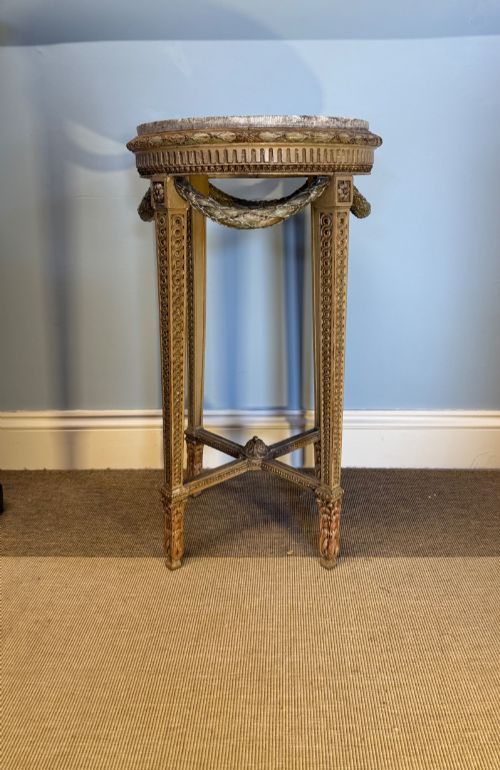
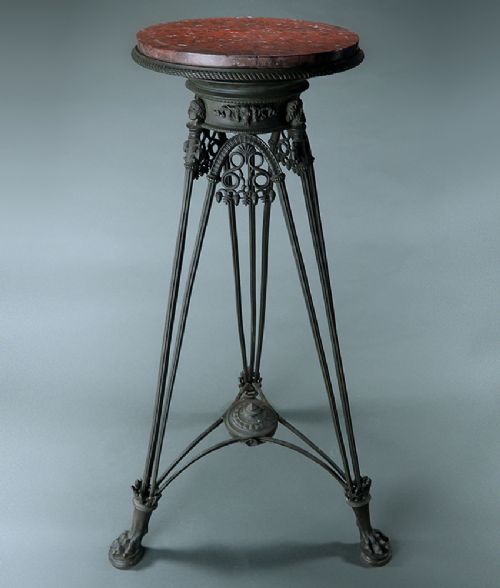


Antique French Plant Display
An antique french plant display brings sculptural height and botanical elegance into a room, holding vases and floristry with classical grace.
Antique French Plant Display
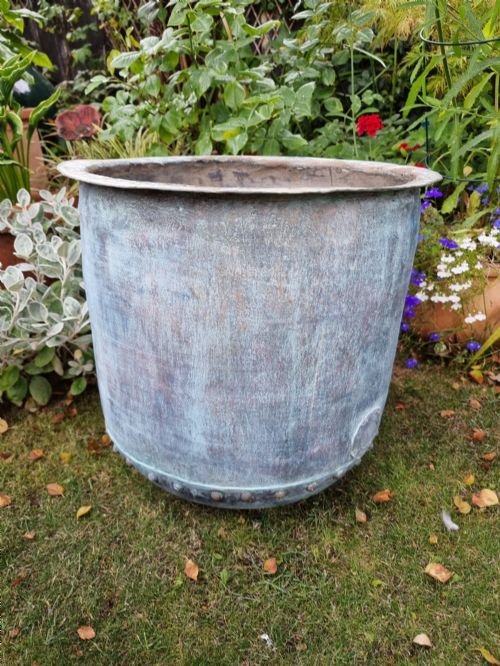
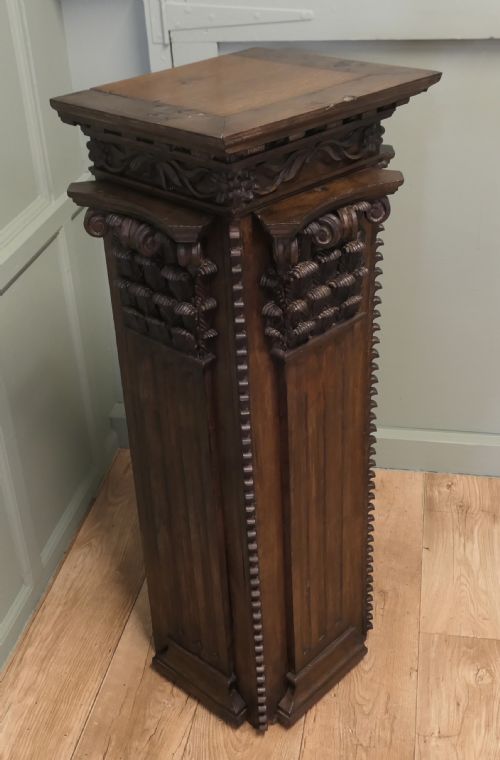
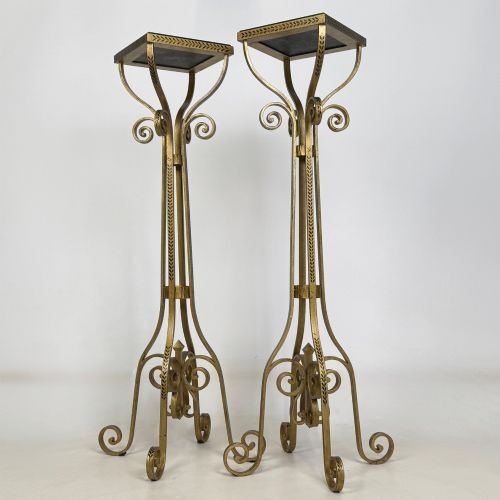
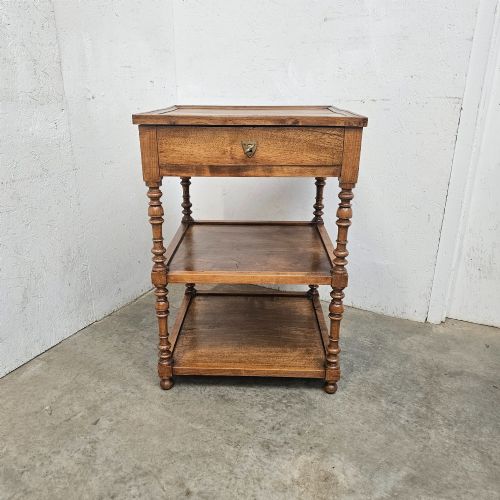
Buyers seeking an antique french plant display encounter pedestals, columns, torchieres, and etageres designed to elevate greenery and decorative objects. These structural pieces appear frequently in walnut, mahogany, and carved oak alongside stone columns.
Originating largely from the nineteenth century into the early twentieth century, these items reflect periods such as the Victorian era, Edwardian times, and the Belle Epoque. Forms range from tripod plant stands to marble-topped pedestals exhibiting French Rococo, Neoclassical, and Empire influences.
Materials and construction
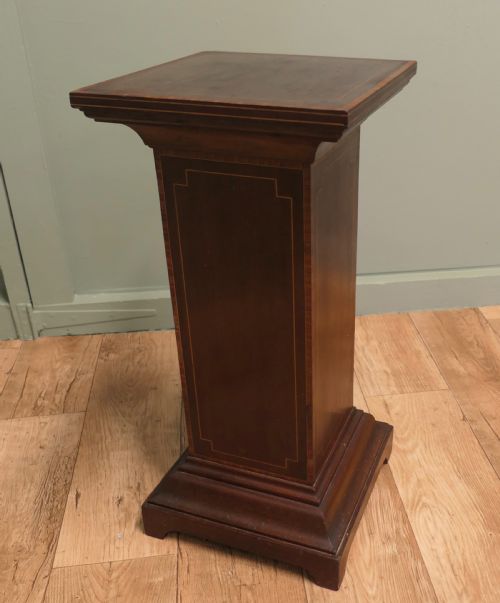
Craftsmen built these display pieces using dense hardwoods like walnut, mahogany, kingwood, and oak, often incorporating marquetry inlay, carved gesso, or painted finishes. Metal elements such as brass mounts, ormolu collars, and gilt bronze provide structural accents and decorative borders.
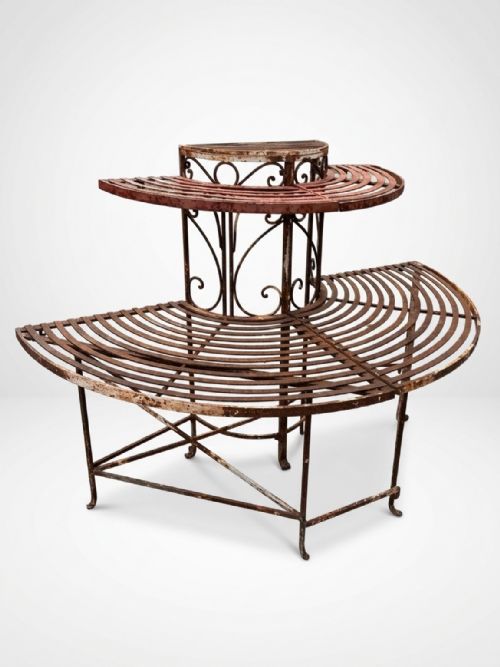
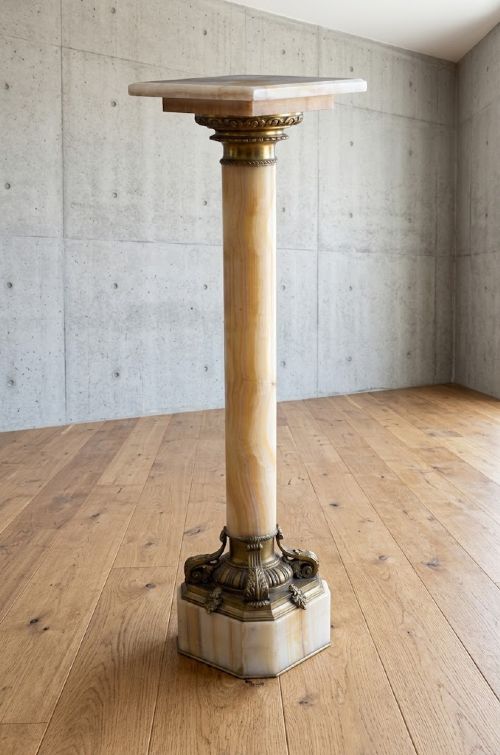
Stone surfaces feature heavily, with columns and tops fashioned from marble, green serpentine, verde antico, rouge marble, and onyx. Wirework and wrought iron also appear in garden and conservatory variants.
Some nineteenth-century makers evidently decided standard tables were simply not tall enough for ambitious ferns.
Distinctions in quality
Quality rests on the selection and matching of materials, such as the grain of the wood, the depth of hand-carving in the gesso or timber, and the natural veining of the onyx or marble tops. Superior examples display crisp chasing on brass or ormolu mounts and precise joinery in turned legs and inlaid columns.
The sophistication of the design dictates distinction, moving from simpler wirework planters to elaborate French Rococo or Neoclassical Revival columns with integrated metal collars and marquetry.
Gabriel Viardot·Marguerite
The Antique French Plant Display Glossary
- Pedestal
- A structural support or column designed to elevate a plant, urn, or sculpture above floor level. These items form the backbone of many display layouts.
- Etagere
- A set of tiered open shelves used for displaying ornaments and small plants. They utilise multiple levels to maximise vertical display space.
- Ormolu
- Gilded bronze ornamentation applied to furniture and columns. It provides a metallic contrast to timber and stone components.
- Torchiere
- A tall, slender stand originally designed to hold a light source, later adapted for displaying plants or urns. Their height draws the eye upward.
- Jardinere
- A decorative container or stand specifically made to hold plants and flowers. They often incorporate water-resistant metal liners or trays.
Antique French Plant Display: Frequently Asked Questions
Where should I place an antique plant stand?
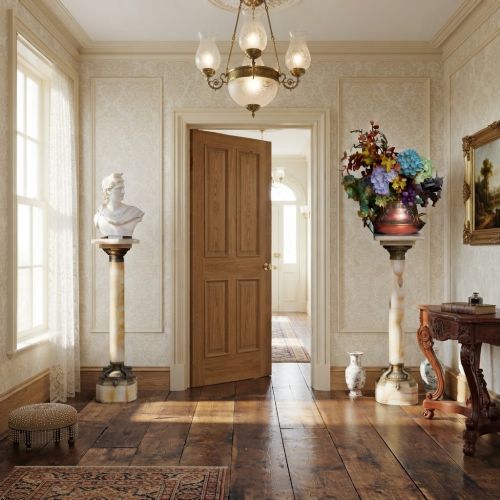
These display pieces suit corners, empty wall spaces, or flanking doorways where vertical height can break up room proportions.
They function best supporting urns, trailing plants, or sculptural items that benefit from elevation.
How do I clean marble top pedestals?
Wipe marble and onyx surfaces with a soft, damp cloth using mild, neutral soap if necessary.
Avoid acidic cleaners or harsh chemicals that can etch the polished stone finish.
Can these stands support heavy pots?
Solid wood and stone column stands offer substantial weight capacity for heavy ceramic or terracotta planters.
Lighter wirework or multi-tiered etageres suit smaller pots and delicate arrangements.
How do I identify French Empire style?
French Empire pieces display classical architectural motifs, symmetrical lines, and restrained ornamentation.
They frequently incorporate gilt bronze mounts and dark hardwoods like mahogany.