







Antique French Panel Doors
Antique french panel doors bring architectural presence into a room, offering tactile timber and historic proportion.
Antique French Panel Doors
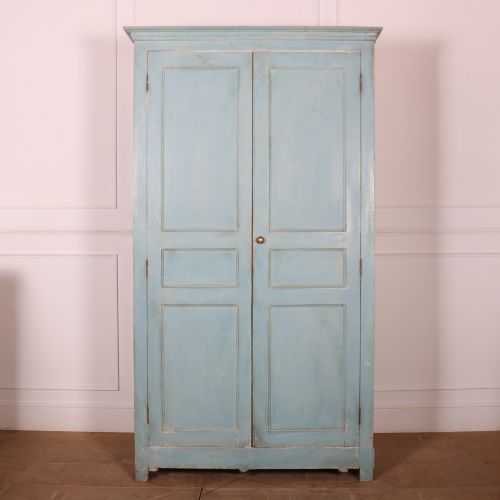
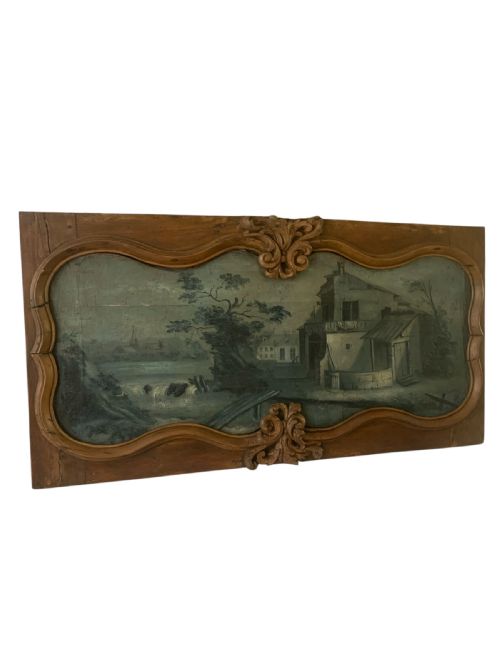
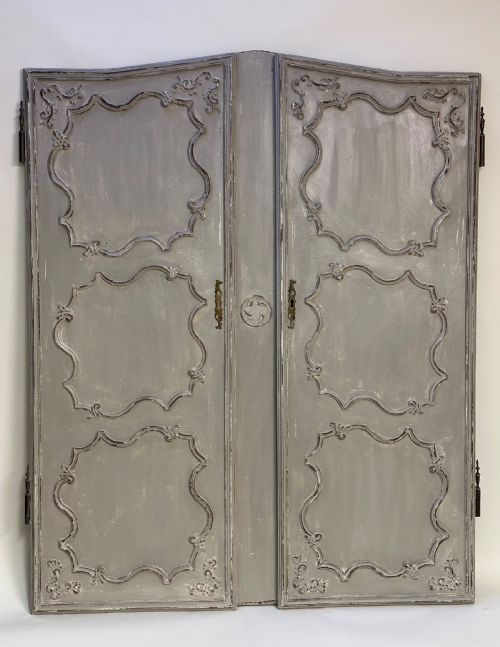
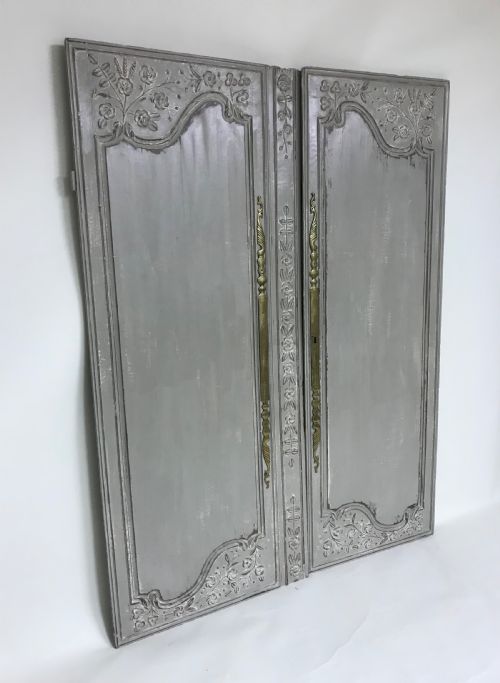
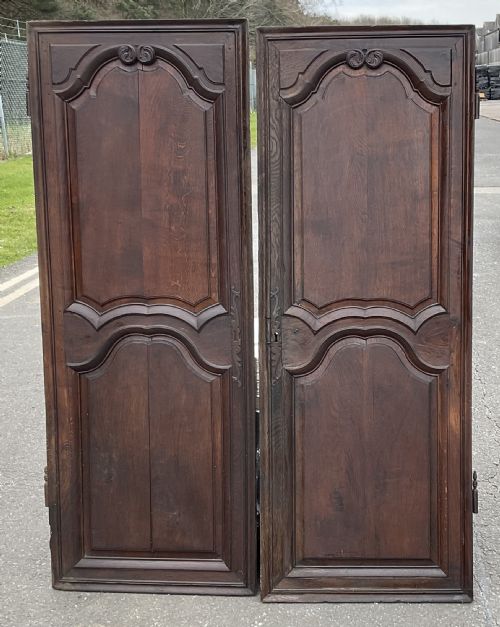
When you search for antique french panel doors, you encounter architectural salvage gathered from chateaux, provincial houses and town properties, spanning the eighteenth and nineteenth centuries.
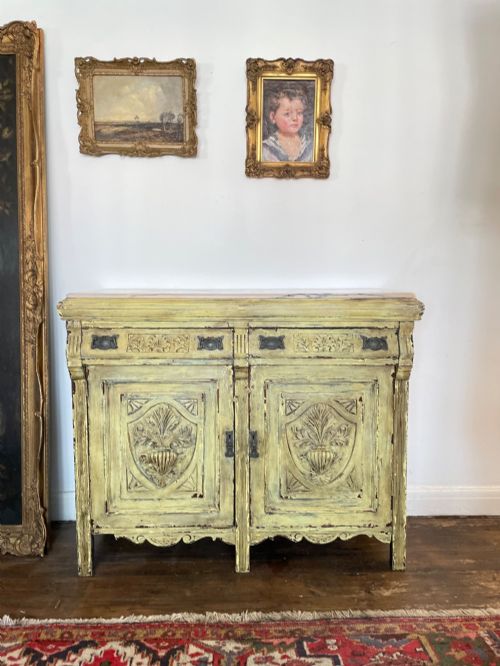
The selection ranges from tall pairs designed for grand salons to smaller rustic examples in oak, walnut and chestnut, often retaining original paint or carved mouldings.
How they were made
Carpenters constructed these panels using dense hardwoods such as oak, walnut and chestnut, employing traditional joinery like mortise and tenon frames to house floating timber panels.
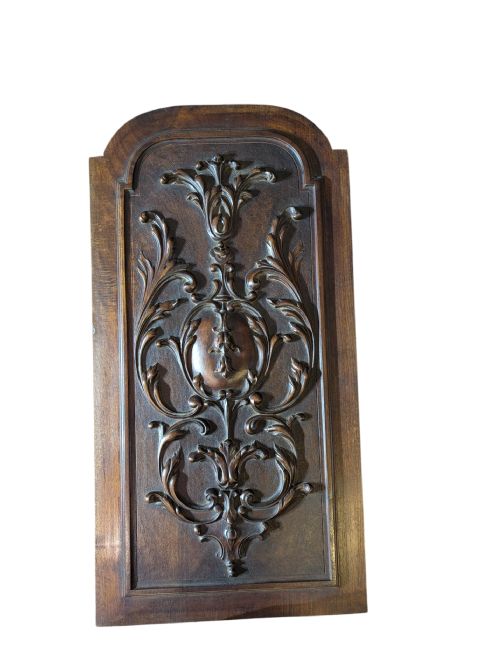
Surface treatments included hand carving, layered paint and occasional gilding with gold leaf, while hardware relied on forged iron and brass hinges or latches.
Makers shaped the timber using hand tools, resulting in subtle tool marks and varied surface textures across eighteenth and nineteenth century examples.
Antique French Panel Doors Retail Price Guide 2026
Typical asking prices for french panel doors among the pieces listed under this phrase on Sellingantiques today, from the lower quarter to the upper quarter. They describe what is for sale here now, not the wider market.
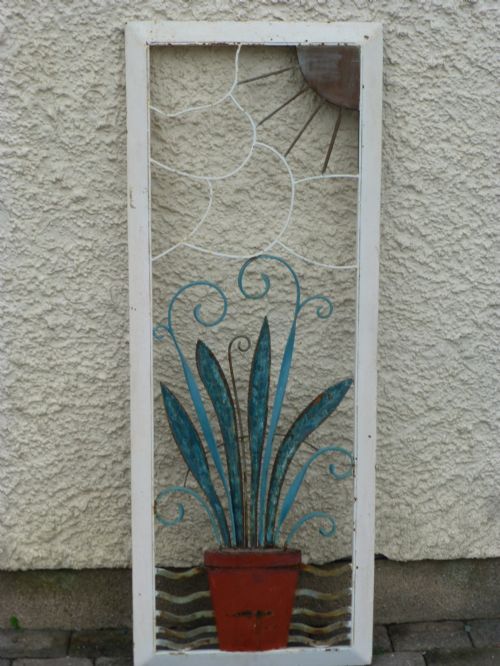
One unexpected salvage piece even brings a touch of theatrical illusion as a faux theatre doorway from the nineteen-twenties.
What varies in quality
Quality rests upon the integrity of the timber frame and the depth of the hand carving, where crisp details and balanced proportions distinguish finer pieces from simpler utilitarian work.
The survival of original surfaces, whether unpainted oak or historic layers of paint, determines the visual depth and authenticity of the piece.
Substantial iron or brass hardware integrated into the structure adds to the completeness and architectural weight of the doors.
Raymond Subes
The Antique French Panel Doors Glossary
- Architectural salvage
- Salvaged building elements removed from historic structures for reuse in interior design. These items preserve period craftsmanship and materials.
- French Provincial
- A style originating from rural French regions that emphasises simpler lines and practical function over ornate court aesthetics. It often employs local timbers like chestnut and oak.
- Chateau
- A large French country house or castle associated with aristocracy. Salvage from these buildings typically exhibits grander scale and finer carving.
- Directoire
- A transitional design style bridging Louis XVI and Empire periods, characterised by restrained neoclassical geometry and clean surfaces. Cherrywood was frequently utilised.
- Pediment
- A triangular or curved architectural ornament placed above a door or panel. It provides a formal crown to the structure.
Antique French Panel Doors: Frequently Asked Questions
How do I hang antique french panel doors?
Hanging these heavy timber doors requires robust structural support within your walls or doorframes, often needing custom steel brackets or heavy-duty hinges to bear the weight.
Consult a professional carpenter to ensure the frame is plumb and capable of holding centuries-old hardwood without sagging.
Can I use them as interior room dividers?
Many buyers repurpose these architectural elements as sliding doors, partitions or decorative wall cladding to segment open-plan spaces.
Their substantial construction and historic painted or carved finishes make them effective focal points in modern room layouts.
How should I clean historic painted wood?
Maintain painted surfaces by gently dusting with a dry microfiber cloth, avoiding harsh chemical cleaners that might strip historic layers.
If deeper cleaning is necessary, use a damp cloth with mild soap and dry immediately to protect the aged timber beneath.
How do I identify eighteenth century panels?
Eighteenth century examples generally display hand-cut joinery, pegged mortises, and dense timbers like oak or walnut with deep patination accumulated over generations.
Examine the back of the timber and the style of the mouldings to distinguish earlier hand-planed work from later nineteenth century production.