




Antique French Lidded Vases
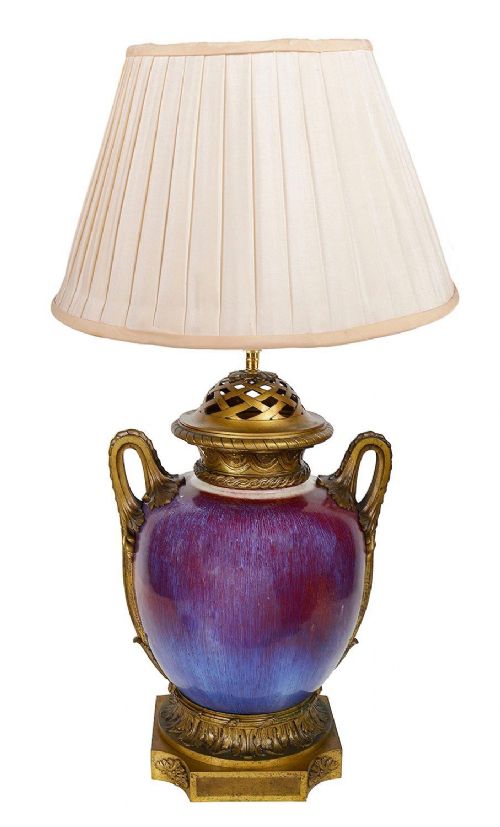
These antique french lidded vases bring classical display and heavy metal mounting into a room, offering the scale and colour collectors seek.
Antique French Lidded Vases
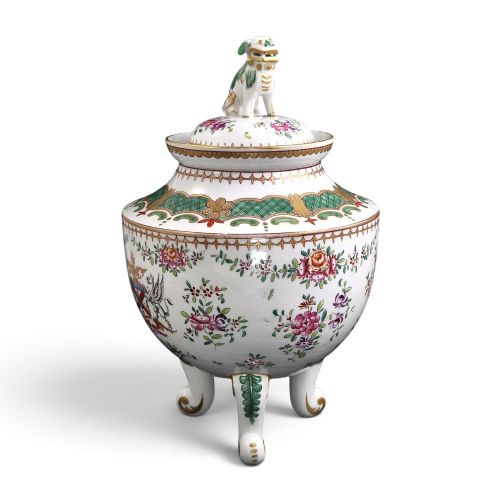
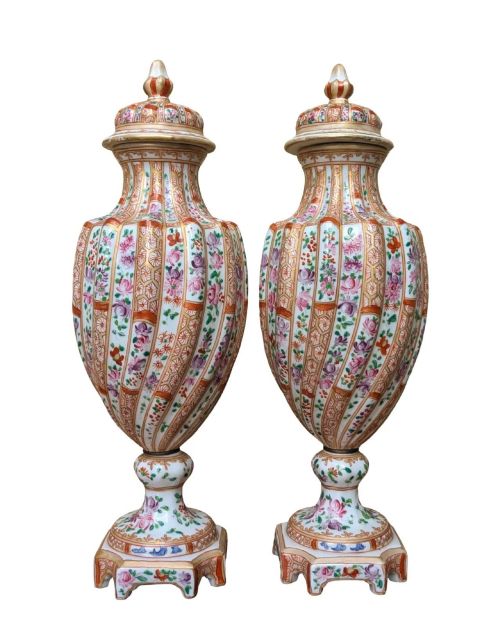
When you search for antique french lidded vases, you encounter decorative urns and ceramic vessels designed primarily for display rather than holding water. The pieces span the eighteenth and nineteenth centuries, taking the form of porcelain bodies with fitted covers.
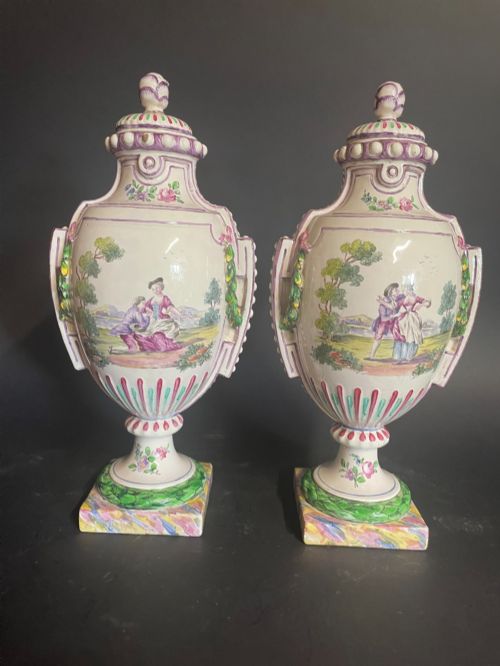
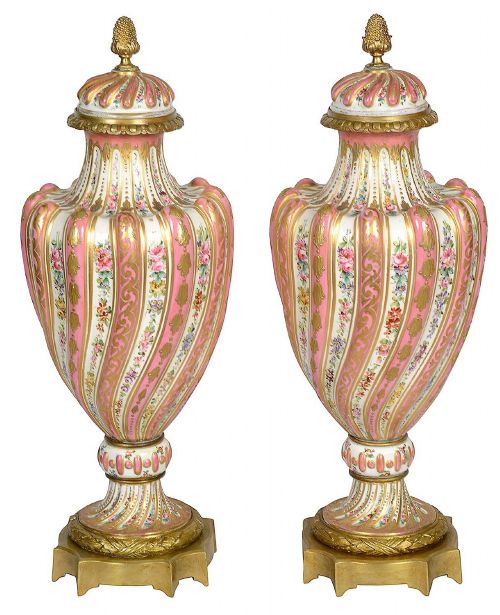
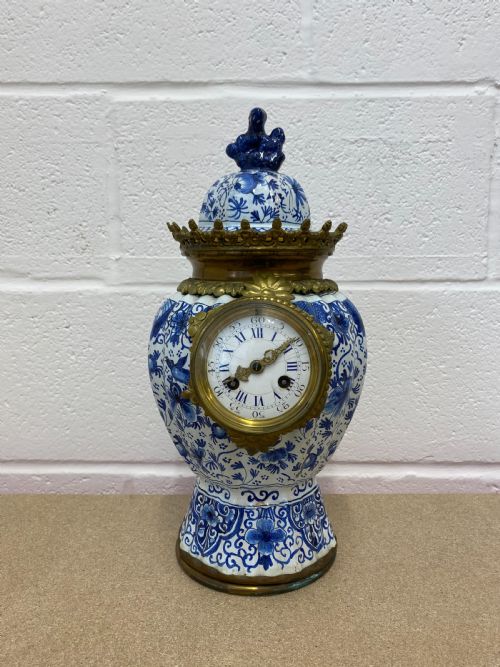
You meet porcelain examples decorated in styles such as Sèvres and Chinoiserie alongside earthenware and faience bodies. Many pieces appear as tall matched pairs intended for mantelpieces or side cabinets.
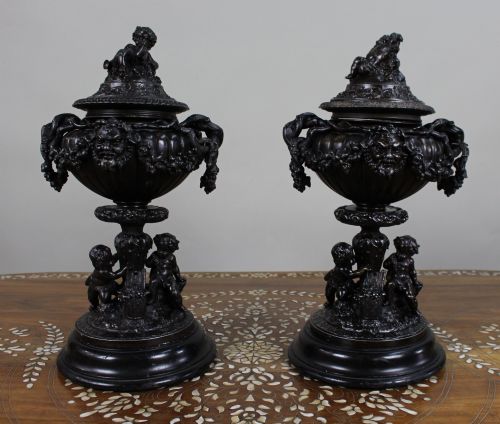
The inventory also includes metalwork versions cast in bronze, ormolu, and spelter. These often feature classical motifs like Bacchic masks, putti, and elaborate handles.
How they were made
The makers combined fired ceramic bodies with cast metal mounts using bronze, ormolu, and gilt metal. Workers shaped the porcelain and faience before applying hand-painted glazes, armorial details, and oriental motifs.
Foundries cast the metal mounts separately, utilising techniques that produced crisp relief work for foliate mounts and handles. Artisans then assembled the ceramic urns with gilt bronze hardware and fitted lids.
Antique French Lidded Vases Retail Price Guide 2026
Typical asking prices for french lidded vases among the pieces listed under this phrase on Sellingantiques today, from the lower quarter to the upper quarter. They describe what is for sale here now, not the wider market.
Several nineteenth-century urns arrive decorated with plump putti and lively Bacchic masks.
What varies in quality
The standard of the casting distinguishes finer metal mounts from simpler production. Superior ormolu mounts display sharp chasing and careful gilding that complements the painted porcelain beneath.
Hand-painted ceramic decoration creates another division in quality. Pieces featuring detailed bird and floral scenes or armorial designs demonstrate greater artistic skill than plain glazed bodies.
Jules Moigniez·Samson Paris·Sceaux Faience
The Antique French Lidded Vases Glossary
- Ormolu
- Gilded bronze used for mounts and decorative trim on furniture and ceramics. This technique involves applying a gold amalgam to a bronze base.
- Faience
- Tin-glazed earthenware produced in France. The white glaze provides a smooth ground for painted decoration.
- Champlevé
- Enamelling technique where troughs are dug into a metal surface and filled with vitreous enamel before firing. This method creates colourful patterned designs on metal mounts.
- Cassolette
- A vase or urn with a reversible lid that can function as a perfume burner or a standard lidded vessel. These objects combine metal mounts with marble or ceramic bodies.
- Bleu céleste
- A bright turquoise blue glaze associated with the Sèvres porcelain factory. It forms the ground colour for many nineteenth-century decorative pieces.
Antique French Lidded Vases: Frequently Asked Questions
What were antique french lidded vases used for?
These vessels served primarily as decorative garnitures on mantelpieces, consoles, and large furniture tops during the eighteenth and nineteenth centuries.
They demonstrated taste and wealth through their expensive materials and references to classical antiquity or eastern styles.
How do I identify Sèvres style porcelain?
Sèvres style pieces typically feature rich ground colours like pink or bleu céleste combined with heavy ormolu mounts and hand-painted panels.
They often incorporate classical subjects or exotic birds set within gilt borders against coloured porcelain.
Are these vases meant for holding flowers?
Most of these lidded vessels function as dry decorative objects rather than functional vases for water and fresh stems.
Their fitted covers and delicate gilt bronze mounts make them unsuited for everyday floral display.
What is the difference between porcelain and faience?
Porcelain is a vitreous, translucent ceramic fired at high temperatures, whereas faience is an opaque tin-glazed earthenware.
Faience provides a chalky, absorbent base for painted pigments while porcelain maintains a glassy surface.