




Antique French Illustration
When you seek an antique french illustration, you uncover paper works carrying the weight of centuries through ink, wash and hand-colouring.
Antique French Illustration
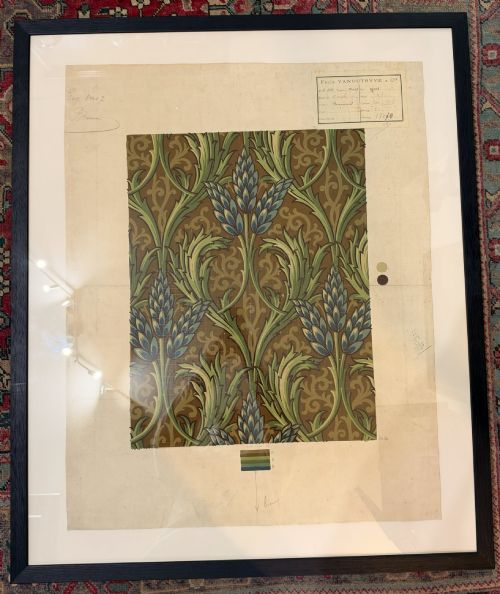
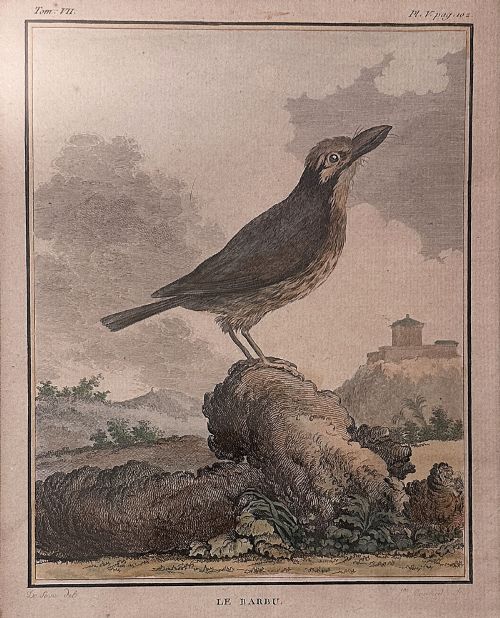
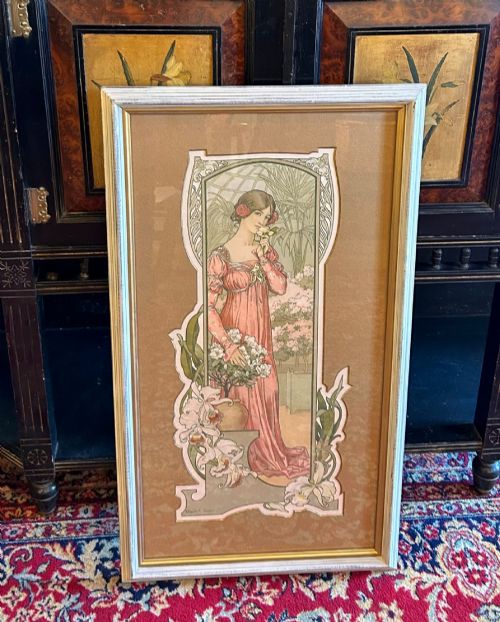
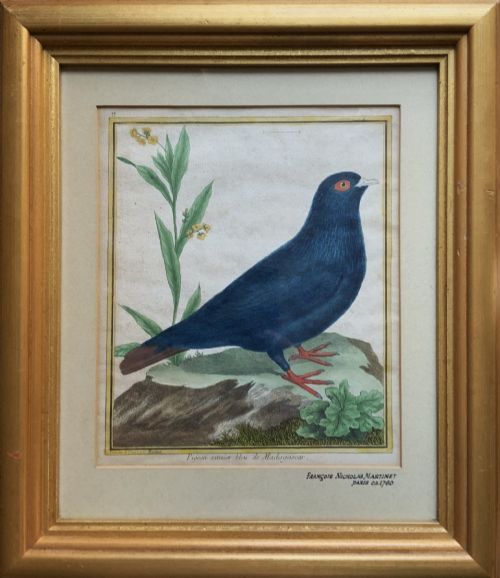
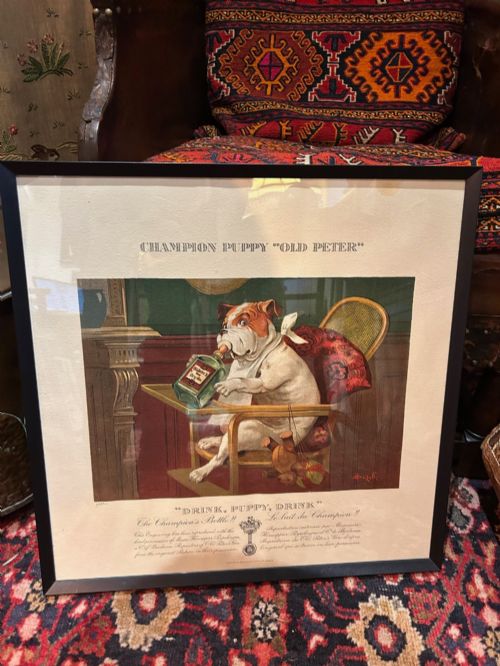
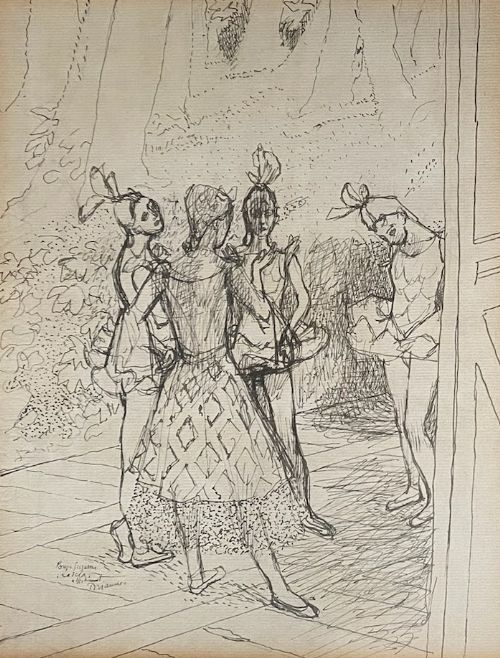
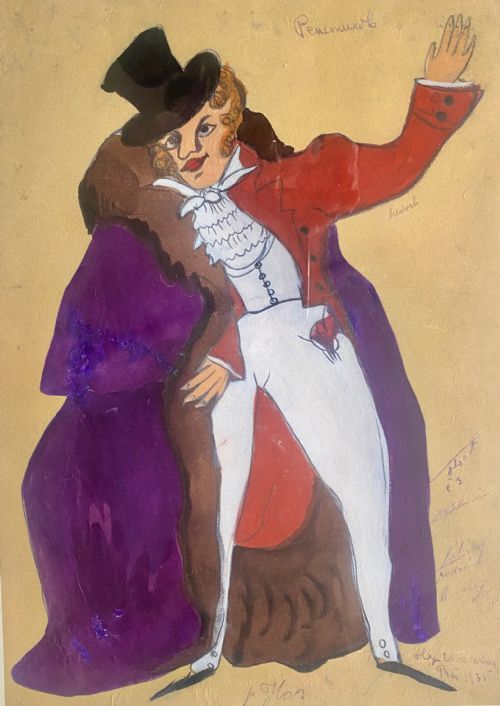
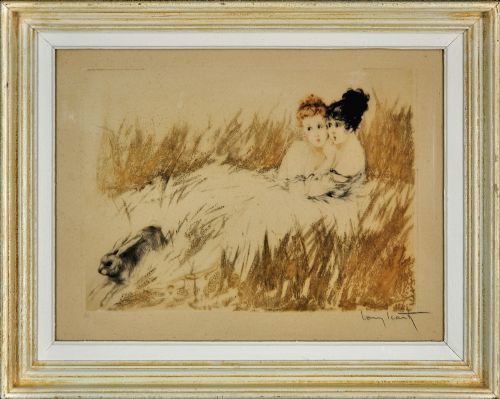
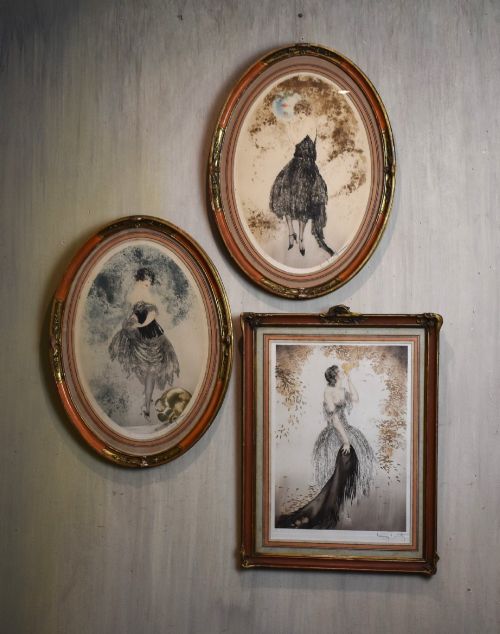
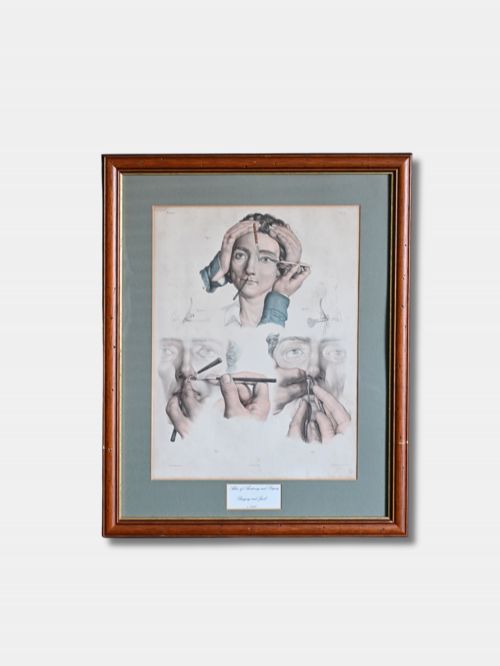
An antique french illustration encompasses framed works on paper, ranging from delicate natural history engravings and architectural plans to vibrant advertising prints and atmospheric watercolours. The examples met on this page span several centuries, reaching from eighteenth-century studies of birds and anatomy to early twentieth-century Art Deco lithographs and gouache paintings.
Buyers encounter diverse formats, including wall art, individual prints and framed engravings, executed within artistic movements like Neoclassicism, Orientalism and Natural History. Many carry the distinct marks of botanical treatises, military tributes or fashion journals, preserved behind glass in period frames of wood and gilt.
How they were made
The foundation of these works rests on paper supports, upon which artists and printmakers applied ink, watercolour, gouache and lithographic pigments. Hand-colouring often enlivened copperplate engravings and early lithographs, adding subtle tints of pigment to botanical studies and animal portraits.
Draftsmen and painters utilised charcoal, gold leaf and mixed media for architectural designs and sentimental tributes, while later twentieth-century pieces demonstrate the evolution of printmaking through refined lithographic techniques and original etchings.
Antique French Illustration Retail Price Guide 2026
Typical asking prices for french illustration among the pieces listed under this phrase on Sellingantiques today, from the lower quarter to the upper quarter. They describe what is for sale here now, not the wider market.
A nineteenth-century naval sailor once lovingly painted an ironclad battleship as a sentimental tribute to his shipmates.
What varies in quality
Quality rests upon the precision of the line, the vibrancy of the surviving pigments and the clarity of the initial impression from the plate or stone. Early hand-coloured plates finished with deliberate care distinguish themselves from mass-produced modern copies.
The skill of the named artist, the preservation of the paper support and the harmony of the framing contribute significantly to the standing of each piece within its period.
François-Nicolas Martinet·Elisabeth Sonrel·Marcellin Auzolle·Louis Icart·Gustave Doré·Adolphe Pannemaker·Pancrace Bessa·Georges Goursat Sem·Albert Guillaume·Pierre-Joseph Redouté·Theobald Chartran
The Antique French Illustration Glossary
- Lithograph
- A print produced by printing from a flat stone or metal plate prepared so that ink sticks only to the design. This planographic method allowed artists to capture painterly strokes and rich tonal gradations.
- Engraving
- An intaglio printmaking technique where an artist cuts a design into a metal plate with a sharp tool. Ink is rubbed into the grooves and transferred under pressure to paper.
- Gouache
- An opaque water-based paint that includes a white pigment binder, producing a heavier, denser finish than traditional watercolour. It permits bold highlights and rich flat areas of colour.
- Etching
- A process where acid bites into unprotected areas of a metal plate to create lines that hold ink for printing. The resulting lines possess a characteristic freedom and fluidity.
- Natural History
- A genre of illustration dedicated to the accurate depiction of flora, fauna and anatomical subjects. These scientific plates combine rigorous observation with artistic execution.
Antique French Illustration: Frequently Asked Questions
How do I date an old french illustration?
Dating relies on examining the paper type, printing technique, watermarks and stylistic markers characteristic of specific periods like the eighteenth century or the Art Deco era.
Signatures, typography on the margin and framing materials also provide reliable clues to the exact decade of creation.
Where were these illustrations originally displayed?
Many began their existence bound within scientific folios, botanical volumes, architectural folios or fashion magazines rather than hanging on walls.
Others served as independent artworks, advertising posters in Parisian streets or sentimental tributes kept by military personnel.
How should I care for antique paper art?
Protect works on paper from direct sunlight by using UV-filtering glass and keep them away from damp environments that encourage mould or foxing.
Maintain stable room temperatures and avoid hanging pieces on walls exposed to direct heat sources.
What is the difference between an engraving and a lithograph?
An engraving is printed from incised metal lines that yield sharp, precise definitions and a slight impression in the paper.
A lithograph is drawn onto a flat stone or plate with greasy materials, producing softer tonal transitions and painterly textures.