

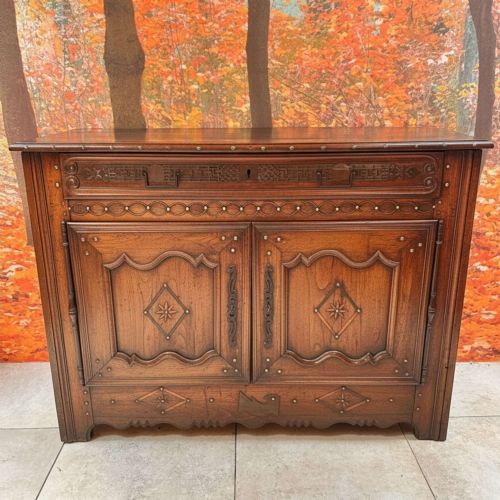
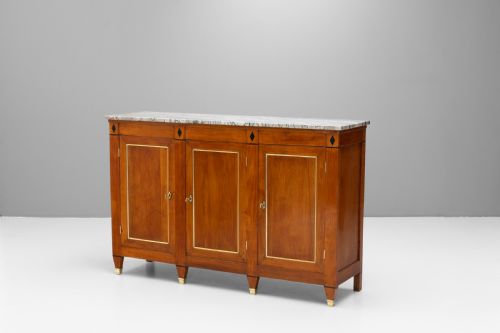


Antique French Dining Storage
Antique french dining storage pieces are substantial dining room furnishings built to hold tableware and provisions, offering enduring rustic or refined utility for the home.
Antique French Dining Storage
These items encompass a range of dining storage forms including sideboards, buffets, credenzas, chiffoniers, and dressers. Buyers searching for antique french dining storage will encounter substantial timber furniture designed to serve dining and kitchen spaces.
The selections span distinct periods from the 18th century through the Victorian era up to 1930. Common forms include low buffets, multi-door sideboards, game cupboards, and tall buffet vaisseliers designed for domestic organisation.
Originating largely from provincial traditions, pieces range from rustic country kitchen cupboards to polished art deco serpentine sideboards. The materials reflect regional preferences, predominantly utilising regional timbers suited to heavy domestic service.
How they were made
Construction relies heavily on traditional hardwoods such as oak, walnut, chestnut, and fruitwood alongside mahogany and burr walnut for later decorative interpretations. Timber selection dictated the structural integrity and surface character of each buffet or sideboard.
Craftsmen utilised panelled doors, carved ornamentation, and substantial joining techniques to build durable storage units. Metal hardware such as brass handles and iron fittings completed the functional assembly of these dining cupboards.
Antique French Dining Storage Retail Price Guide 2026
Typical asking prices for french dining storage among the pieces listed under this phrase on Sellingantiques today, from the lower quarter to the upper quarter. They describe what is for sale here now, not the wider market.
Materials represented across the selection include traditional fruitwood, metal, brass, and iron alongside walnut and oak.
What varies in quality
Quality differentiates through the depth of hand-carved detailing and the choice of timber figure, such as burr walnut or figured mahogany against plain structural oak. Finer examples display meticulous joinery and balanced proportions across multi-door facades.
The sophistication of the period style influences the overall distinction, moving from robust provincial chestnut pieces to refined art deco serpentine forms. Integrated hardware and original timber patination further establish the tier of the piece.
The Antique French Dining Storage Glossary
- Buffet de Corps
- A substantial two-tier cupboard originating in France, combining a lower base cabinet with an upper section for display and storage.
- Chiffonier
- A small sideboard or chest of drawers introduced in the 19th century, often fitted with doors enclosing shelves for dining accessories.
- Serpentine
- A furniture contour characterised by a wavy, S-shaped front line with a convex centre flanked by concave ends, common in later designs.
- Vaisselier
- A traditional piece of French dining furniture incorporating lower storage cabinets beneath an open plate rack or upper display shelves.
Antique French Dining Storage: Frequently Asked Questions
Where should I place a buffet in my dining room?
These storage pieces work well against a main dining wall to hold tableware, serving dishes, and linens. They anchor the room while keeping dining essentials close at hand.
Ensure adequate clearance around the doors and drawers for comfortable access during meals and gatherings.
How do I care for walnut and oak dining furniture?
Maintain the timber surfaces by dusting regularly with a soft, dry cloth and applying natural beeswax periodically to nourish the wood. Avoid placing furniture in direct sunlight or near heat sources to prevent timber splitting.
Quickly wipe up spills to protect the historic finish and patination of the wood.
What is the difference between a sideboard and a buffet?
While both terms describe dining storage furniture, buffets traditionally feature deeper cupboards extending closer to the floor. Sideboards often sit on taller legs and include a combination of drawers and cabinets.
Both forms served similar functions for storing dining ware and serving food in traditional homes.
How can I identify an 18th-century provincial piece?
Eighteenth-century provincial items typically utilise regional timbers like chestnut, oak, or fruitwood with hand-carved details and heavy iron or brass hardware. Their construction reflects utilitarian rural craftsmanship rather than urban court styles.
Look for pegged joints and traditional panel construction characteristic of early European cabinetmaking.