

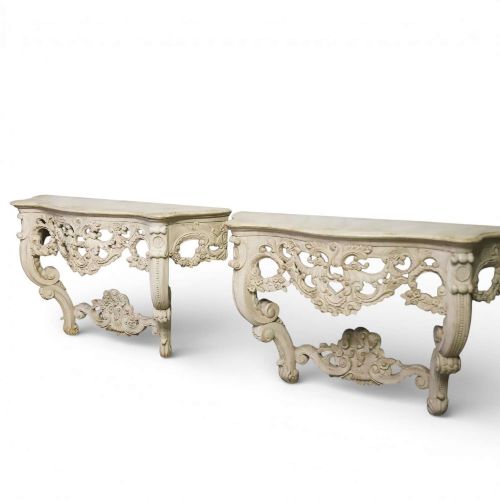
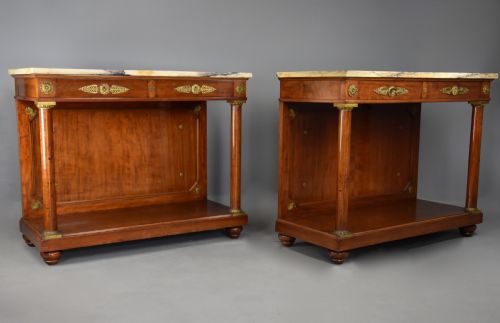


Antique French Console Pair
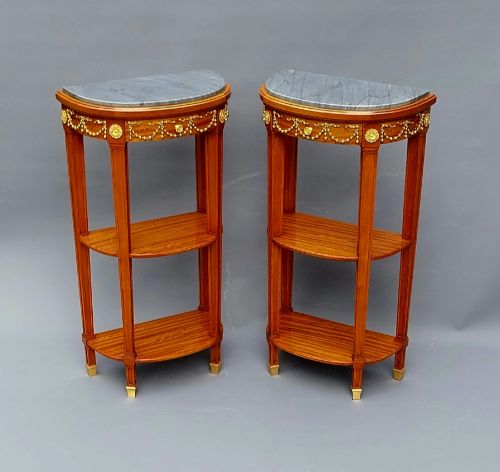
An antique french console pair delivers symmetrical grandeur to a room, offering matched surfaces designed to anchor a hallway or salon wall.
Antique French Console Pair
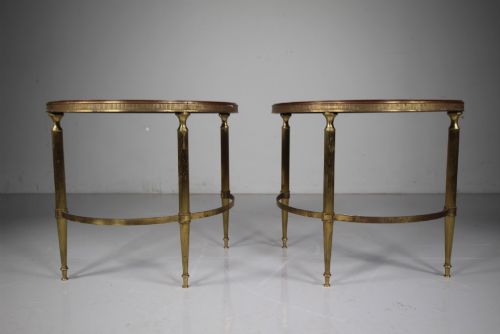
An antique french console pair brings matched architectural presence to an interior, most frequently appearing as wall-mounted or demi-lune tables designed to stand flush against a surface.
The selections span grand nineteenth-century giltwood and marble creations alongside painted wood finishes and earlier seventeenth-century serving forms.
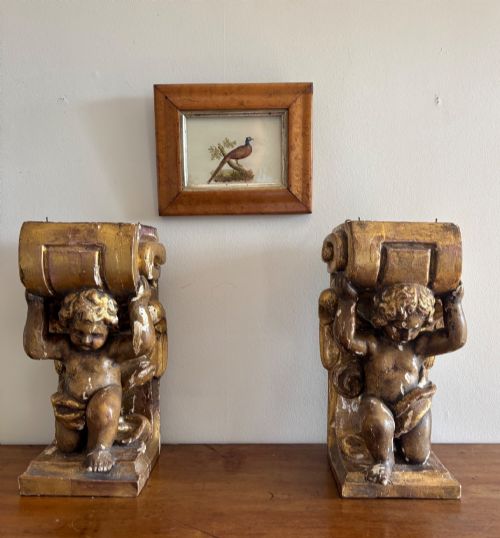
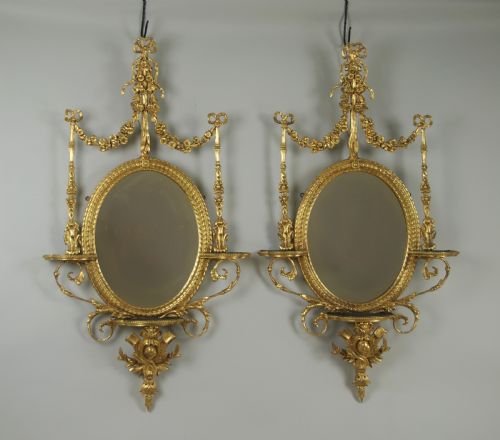
These matched items often incorporate supporting wall brackets or mirrors, serving decorative and functional roles in reception rooms and corridors.
Materials and construction
Cabinetmakers utilised dense hardwoods such as mahogany, walnut and oak as structural foundations, frequently applying giltwood, gesso or painted finishes to the exterior surfaces.
Heavy marble slabs, including Carrara varieties, provide fitted tops on many examples, while decorative metal mounts in ormolu and brass accent the frames.
Carving and marquetry techniques define the ornamentation, alongside specialised Boulle work integrating tortoiseshell and brass inlay.
Distinguishing quality
The standard of carving and the crispness of gilded gesso separate superior workshop output from simpler commercial production.
Original material integrity, such as untouched marble tops and authentic period mounts, governs the standing of each piece.
Attribution to documented makers or specific Parisian cabinet-making houses elevates the distinction of a matched pair.
Krieger Paris·Jean Joseph Chapuis·Donald Ross·Bettenfeld Paris
The Antique French Console Pair Glossary
- Demi-lune
- A half-moon shape used for console tables designed to stand flat against a wall. This format is common in eighteenth and nineteenth-century domestic interiors.
- Ormolu
- Gilded bronze mounts applied to furniture for decorative contrast. The technique involves mercury gilding on historical pieces.
- Giltwood
- Timber coated with a thin layer of gold leaf over a prepared gesso ground. It provides a brilliant reflective surface for formal salon furnishings.
- Boulle
- Marquetry technique utilising brass and tortoiseshell inlay developed in France. It is named after the master cabinetmaker André-Charles Boulle.
Antique French Console Pair: Frequently Asked Questions
How were console tables used historically?
These tables stood against drawing room walls beneath mirrors or paintings, serving as decorative display surfaces rather than freestanding furniture.
Their shallow depth allowed them to furnish narrow hallways and formal reception spaces without obstructing movement.
Where should a console pair be placed?
A matched pair works best flanking a central doorway, fireplace or large wall mirror to create visual balance in a room.
They also suit entrance halls where symmetrical surfaces establish an immediate sense of formality.
Are marble tops original to these tables?
Many nineteenth-century consoles were designed specifically to support heavy marble slabs fitted directly into the wooden frame.
Inspect the seating rebate beneath the stone to confirm the marble sits correctly within the original cabinetwork.