

Antique French Chevet Cabinet
An antique French chevet cabinet is a practical bedside companion that brings continental elegance and concealed storage to a bedroom.
Antique French Chevet Cabinet
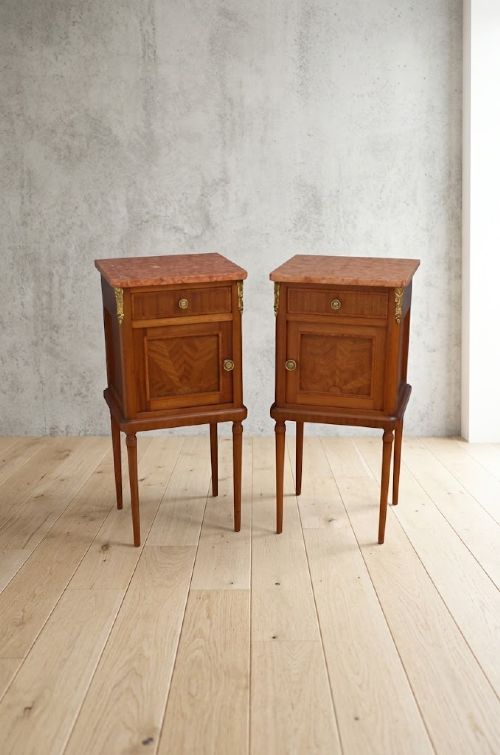
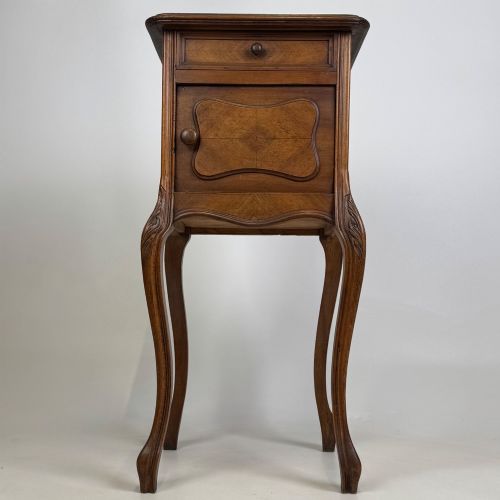
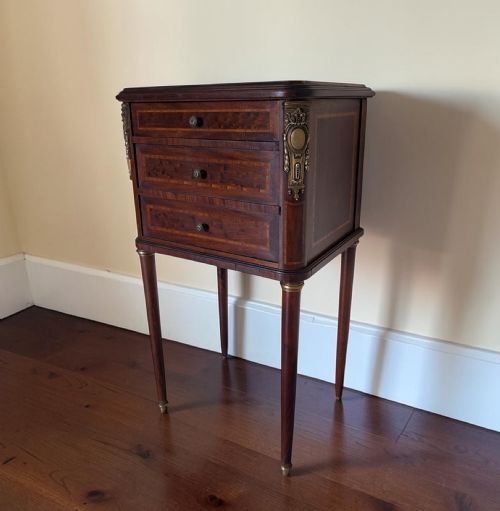
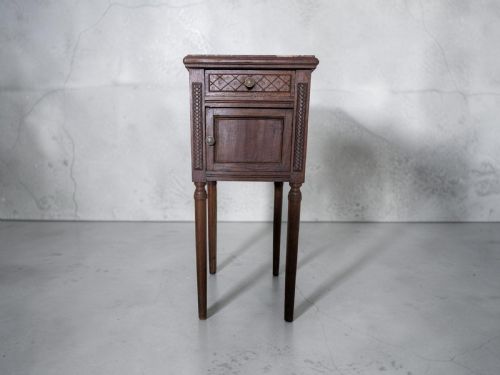
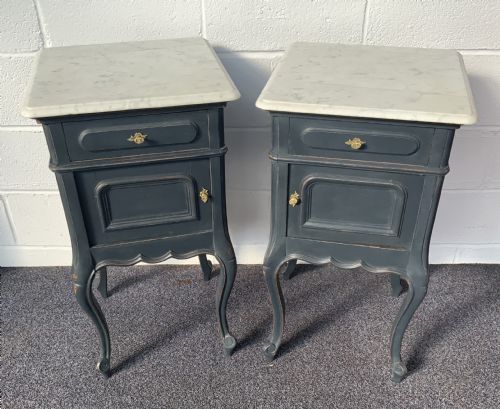
An antique French chevet cabinet functions primarily as a bedside table, nightstand or compact side cabinet. These pieces provide surface space for a lamp alongside enclosed storage behind a small door or within drawers.
The selections span the nineteenth century and into the twentieth, encompassing periods such as Victorian, Edwardian, and the 1900s to the 1930s. Styles range from French Provincial and French Chateau to specific revivals like Louis XV and Louis XVI.
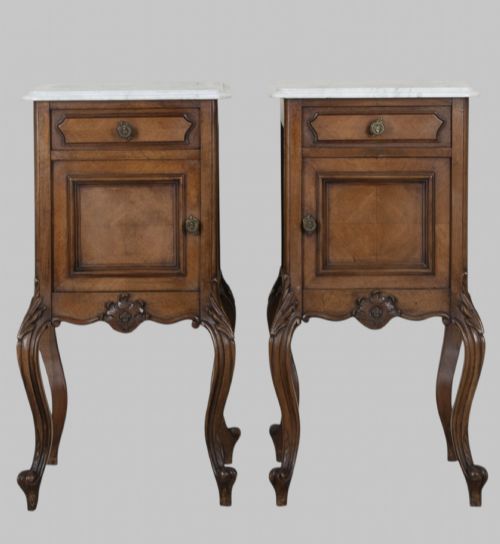
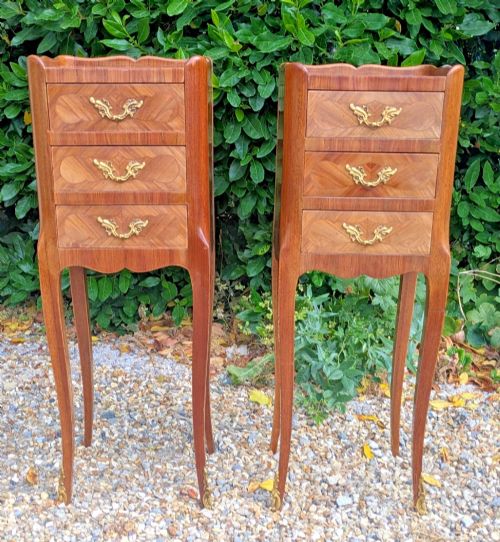
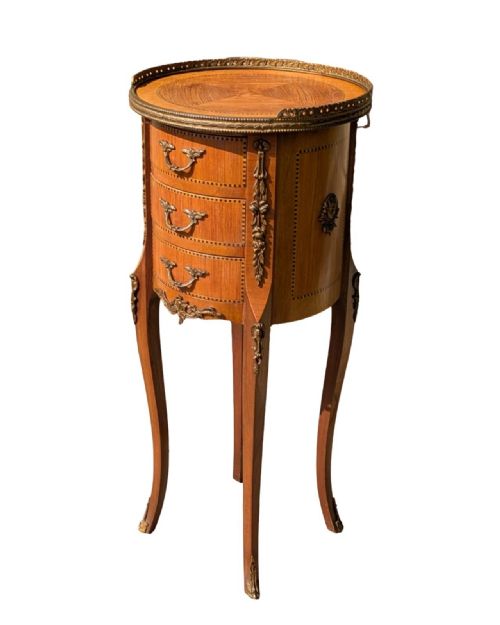
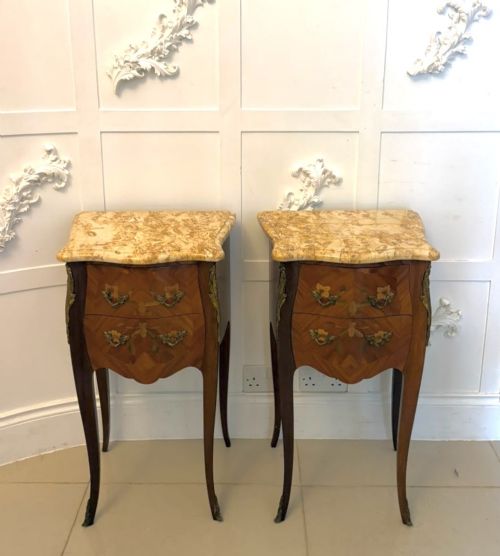
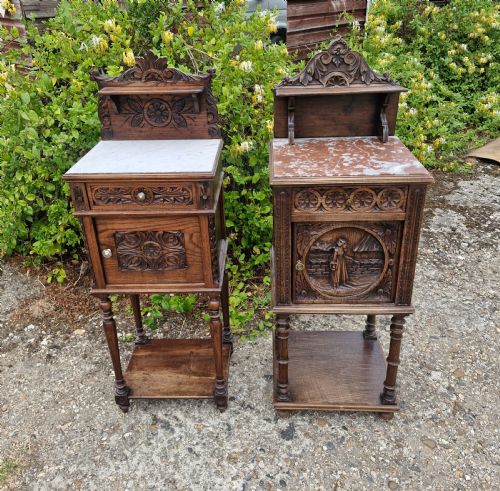
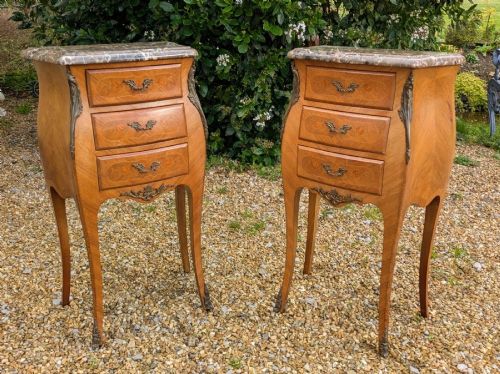
Buyers frequently encounter pairs alongside single items, fashioned into forms such as circular tables, bombe chests, and standard bedside cupboards. Woods like walnut, mahogany, oak, and kingwood dominate the available selection.
Materials and construction
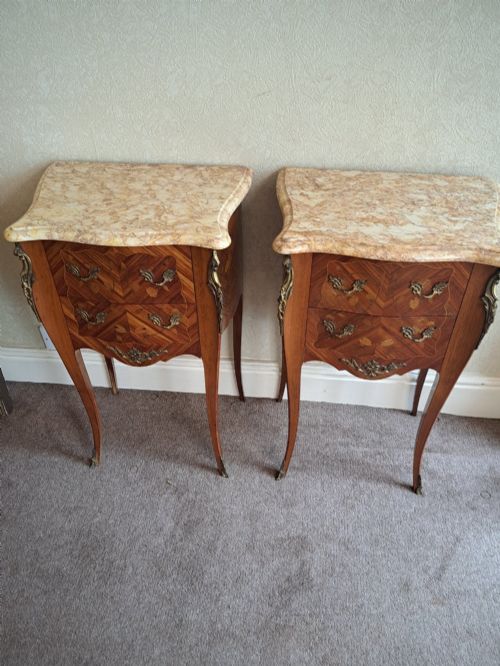
Cabinet makers utilised a rich palette of hardwoods including walnut, mahogany, oak, kingwood, rosewood, and cherry wood. Marquetry and parquetry inlays frequently decorate the surfaces alongside painted finishes and brass details.
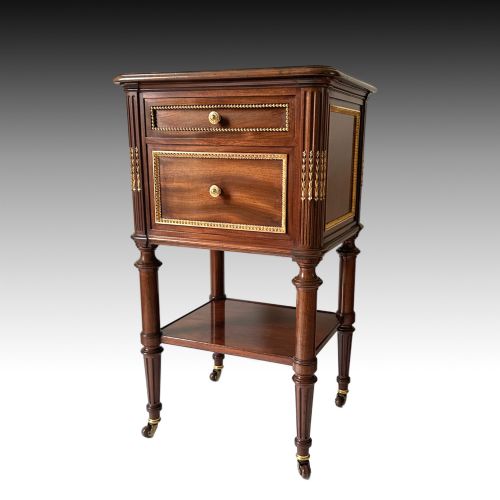
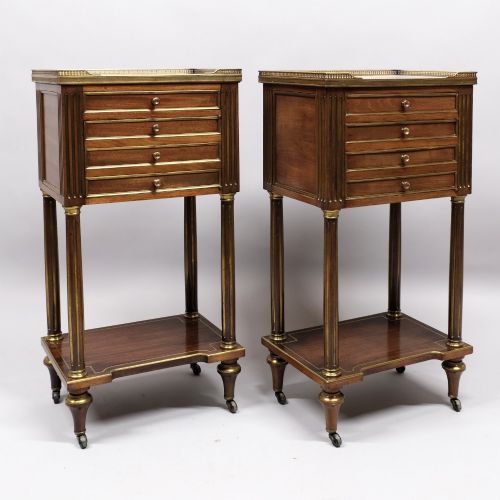
Many cabinets incorporate inset marble tops, utilising varieties such as Belgian Sainte-Anne marble. Ormolu mounts are also applied to enhance the decorative scheme of pieces built in the Louis styles.
The listings span from the nineteenth century into the 1930s, featuring walnut, mahogany, oak, and marble.
Assessing quality and execution
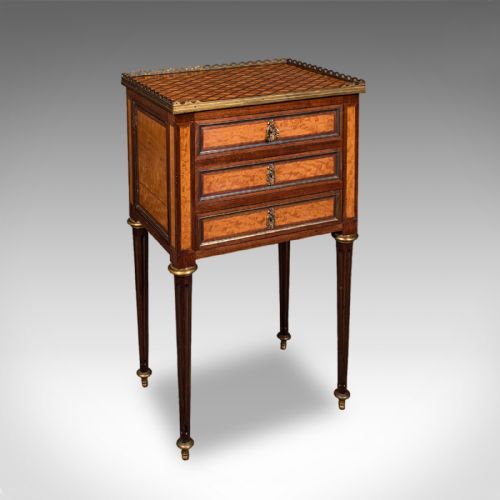
The distinction between standard examples and the finest pieces lies in the precision of the marquetry and the choice of timbers. Superior cabinets display meticulous parquetry and harmonious grain patterns across every surface.
Hardware and secondary materials elevate a piece significantly. Finely cast ormolu mounts, heavy brass details, and genuine marble tops fitted cleanly to the timber frame indicate superior workshop execution.
The Antique French Chevet Cabinet Glossary
- Chevet
- A French term for a small bedside cabinet or nightstand. These items were designed to sit beside a bed for convenient storage.
- Ormolu
- Gilt bronze mounts used as decorative ornaments on furniture. This technique gained widespread popularity in French cabinet making.
- Marquetry
- Decorative veneer work arranged in pictorial or geometric patterns. Artisans cut different coloured woods to fit together precisely.
- Parquetry
- Geometric wood inlay forming repeating patterns such as cubes or chevrons. This technique decorates the tabletops and drawer fronts.
- Bombe
- A swelling, outward-curving contour found on cabinet fronts and sides. This exuberant shape is characteristic of Louis XV styling.
Antique French Chevet Cabinet: Frequently Asked Questions
What is a chevet cabinet?
A chevet cabinet is the French term for a bedside table or nightstand. It provides a compact surface for lamps and small items with concealed storage underneath.
These pieces typically feature a small door, a cupboard space, or a set of drawers. Their modest dimensions suit placement directly beside a bed.
How do I style a French bedside cabinet?
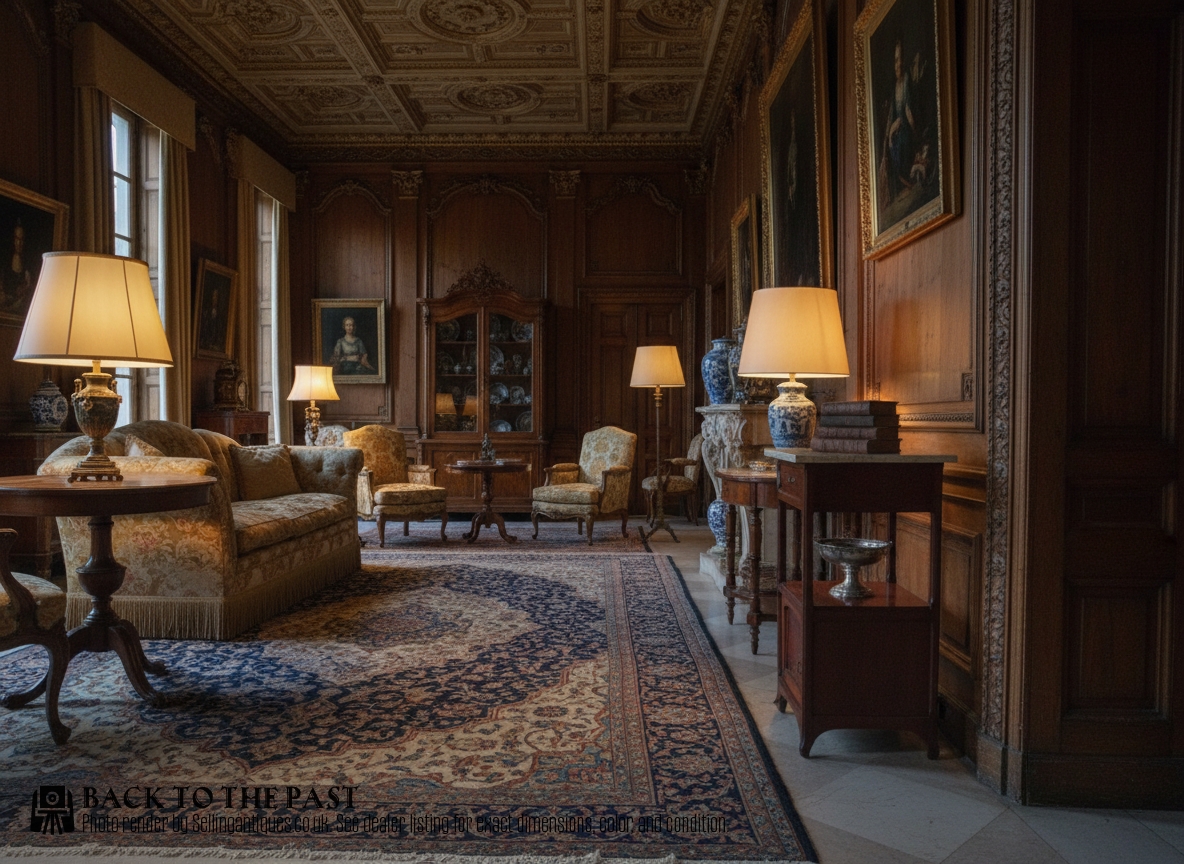
These cabinets suit traditional and eclectic interiors alike, functioning effectively as bedside companions or small lamp tables in a living space. Their compact footprints allow them to fit into tight spaces while adding historic character.
Pairing a marble-topped or marquetry cabinet with simpler modern furniture creates a striking contrast. Alternatively, matching pairs frame a bed symmetrically.
What woods were used for these cabinets?
Cabinet makers utilised a wide variety of timbers depending on the period and regional style. Walnut, mahogany, oak, and cherry wood appear frequently across the collection.
Exotic decorative veneers such as kingwood and rosewood were also employed for marquetry and parquetry work. Satinwood often served as a contrasting inlay material.