


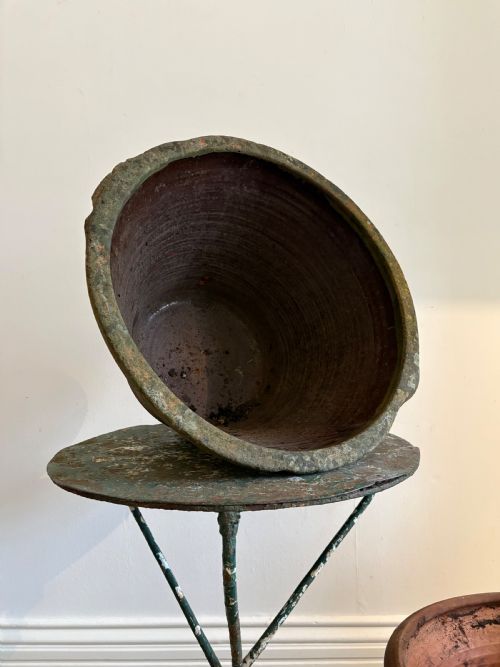


Antique French Ceramic Bowl
When you handle an antique french ceramic bowl, you touch centuries of European decorative tradition and skilled kiln work.
Antique French Ceramic Bowl
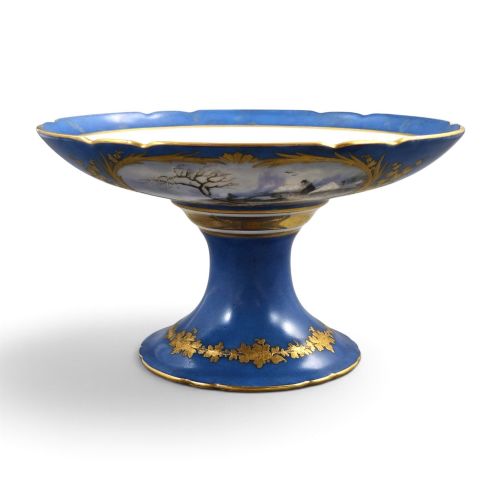
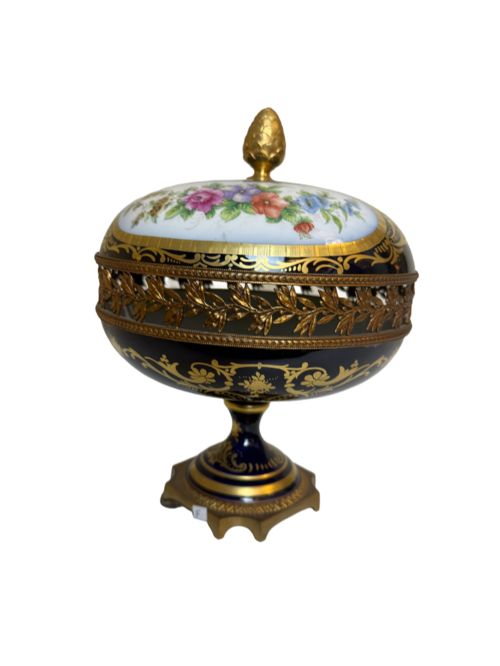
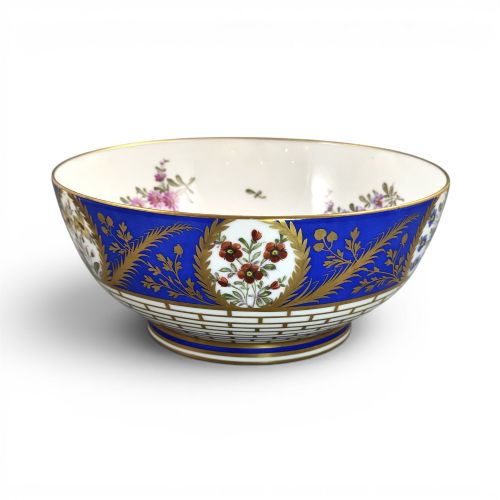
An antique french ceramic bowl encompasses a wide array of domestic and decorative vessels originating from French workshops and factories. Buyers encountering this category will find utilitarian terracotta dairy vessels alongside refined porcelain comports and porcelain powder boxes.
The selections span distinct periods, ranging from eighteenth-century salt dishes to nineteenth-century centrepieces and Art Deco powder bowls. These objects functioned variously as grand table ornaments, everyday kitchen implements, and delicate boudoir containers.
Originating largely from notable ceramic centres like Limoges, Paris, and regional potteries, the pieces frequently incorporate secondary mountings of gilt bronze, ormolu, or champlevé enamel. The variety reflects the shifting tastes of French domestic life across successive eras.
Materials and methods
The fabrication of these vessels relies on foundational ceramic bodies such as hard-paste porcelain, earthenware, terracotta, and faience. Potters shaped these materials by hand or on the wheel before applying specialised lead or tin glazes.
Decoration involved hand-painting, armorial detailing, and gilding with gold leaf, often fused to the surface through multiple kiln firings. Many nineteenth-century examples integrate cast metalwork, attaching ormolu, gilt bronze, and champlevé enamel mounts directly to the ceramic base.
Listings feature items spanning from the eighteenth century through the Art Deco period of nineteen-thirty, incorporating porcelain, terracotta, and gilt bronze.
Evaluating the craftsmanship
Quality in these vessels rests upon the fineness of the ceramic paste and the precision of the potter's shaping. Finer pieces demonstrate thin-walled porcelain casting and crisp execution of moulded details, whereas utilitarian earthenware prioritises robust utility and simple glazed interiors.
The standard of surface ornamentation dictates much of the distinction between tiers. Hand-painted botanical or figurative scenes executed with subtle brushwork elevate a piece above standard transfer-printed wares, while integrated metal mounts require secure engineering and detailed chasing to match the ceramic body.
Limoges·Samson Of Paris·Ahrenfeldt And Asalvary·Louis Pierre Malpass
The Antique French Ceramic Bowl Glossary
- Comport
- A raised decorative dish or bowl used for serving fruit or sweets at the table. These pedestal vessels often match larger dinner or dessert services.
- Faience
- Tin-glazed earthenware produced widely in France. The opaque white glaze provides a smooth ground for painted enamel decoration.
- Ormolu
- Gilt bronze mounted onto furniture and ceramics. This decorative metalwork is cast and chased before receiving a gold amalgamation coating.
- Tian
- A large traditional earthenware basin used in the South of France for food preparation and dairy work. These heavy vessels typically feature a distinct green interior glaze.
- Paste
- The specific ceramic composition used for the body of a piece. Hard-paste porcelain combines kaolin and petuntse to produce a vitrified, translucent material.
Antique French Ceramic Bowl: Frequently Asked Questions
What is an antique french ceramic bowl used for?
These vessels served diverse functions depending on their original context, ranging from grand table centrepieces to intimate boudoir powder containers. Utilitarian earthenware items handled practical dairy and kitchen tasks in regional homes.
Finer porcelain examples held fruit, sweets, or personal trinkets in formal reception rooms. Today, collectors utilise them primarily as decorative display items within traditional and contemporary interiors.
How do I date an antique french ceramic bowl?
Dating relies on examining the ceramic body, glaze characteristics, factory marks, and stylistic indicators. Eighteenth-century pieces typically display hand-painted regional motifs on tin-glazed earthenware, whereas nineteenth-century items often employ hard-paste porcelain with revivalist styling.
Later Art Deco pieces from the twentieth century introduce geometric moulding and specialised powder box forms. Cross-referencing painted signatures or impressed factory marks provides the most reliable chronological placement.
How do I clean an antique french ceramic bowl?
Maintenance requires gentle handling to protect fragile glazes, hand-painted decoration, and delicate gilt bronze mounts. Dusting with a dry, soft cloth is usually sufficient for routine care.
Water and harsh detergents should be avoided, particularly on pieces with exposed earthenware or unsealed metallic elements. Professional conservation advice is recommended if deeper cleaning becomes necessary.
What is the difference between porcelain and earthenware?
Porcelain is a vitrified, dense ceramic material fired at high temperatures until the body becomes non-porous and translucent. It forms the basis for refined comports and decorative tableware.
Earthenware is fired at lower temperatures, resulting in a porous, opaque body that requires a glaze for water retention. This second category includes heavier terracotta dairy vessels and regional tian bowls.