




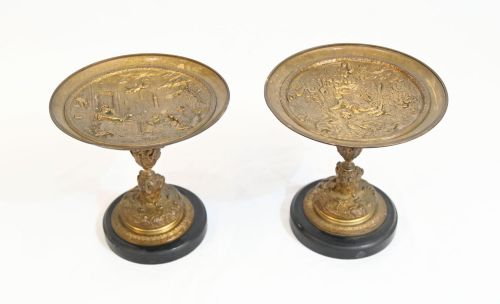
Antique French Centerpiece
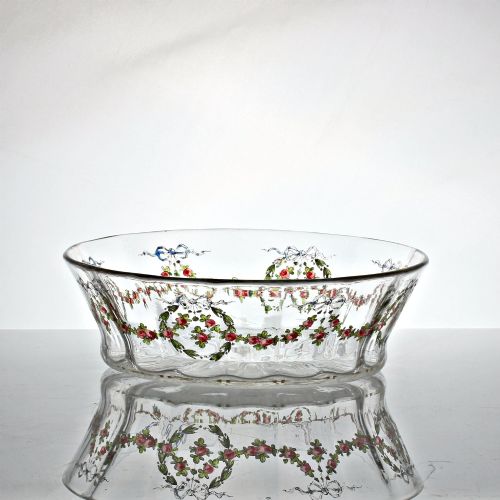
An antique french centerpiece anchors a dining table or sideboard with sculptural presence, combining metal, glass and porcelain to hold fruit, flowers or light.
Antique French Centerpiece
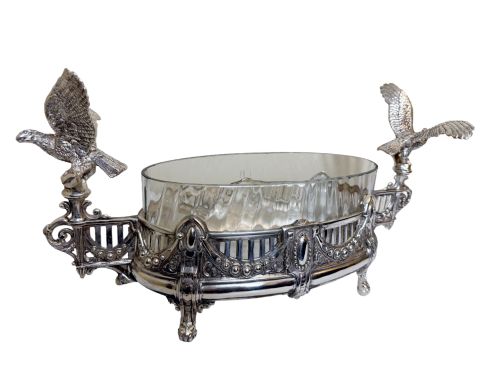
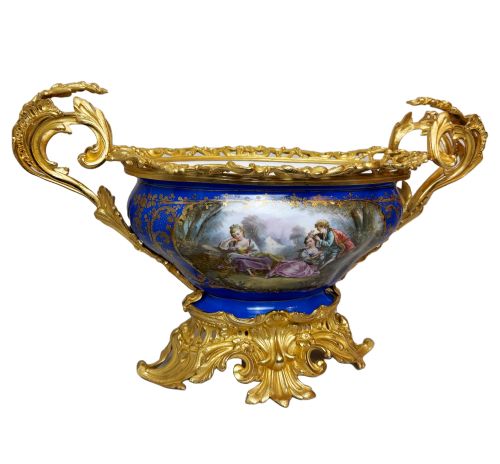
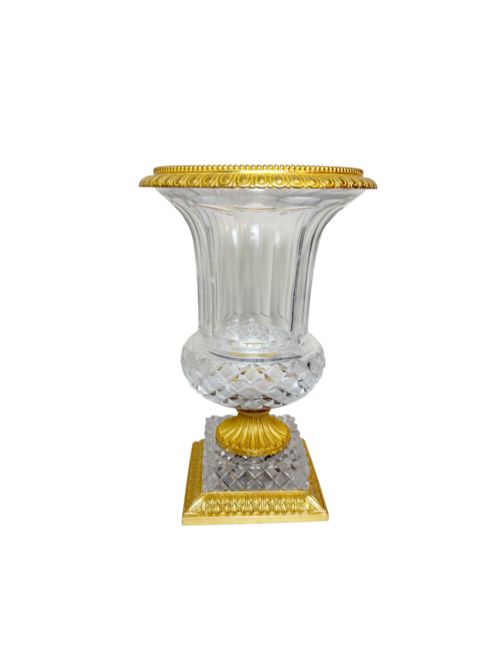
The antique french centerpiece takes many shapes across the nineteenth and early twentieth centuries, appearing most frequently as footed tazzas, mirrored plateau trays, jardinières and sculptural bowls. Makers drew upon Neoclassical, Empire and Rococo Revival idioms to create ornamental centerpieces for grand dining tables and salon displays.
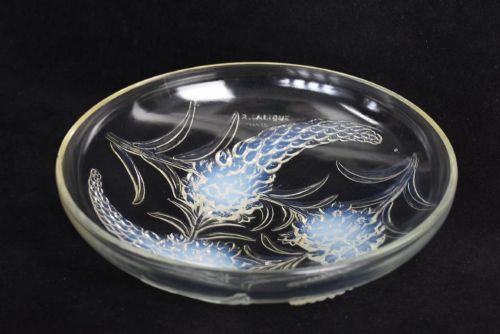
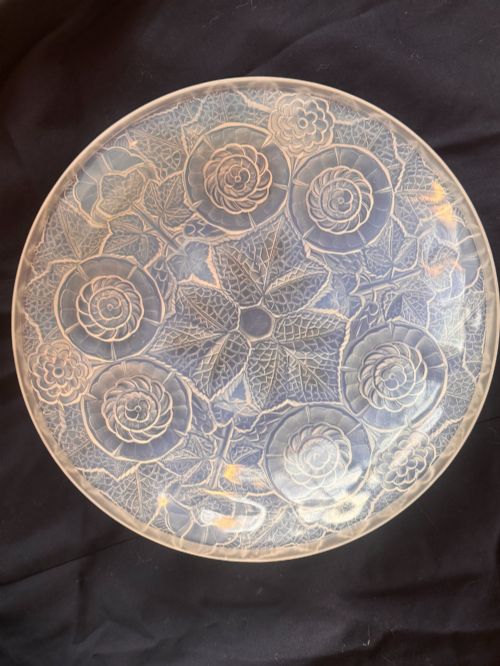
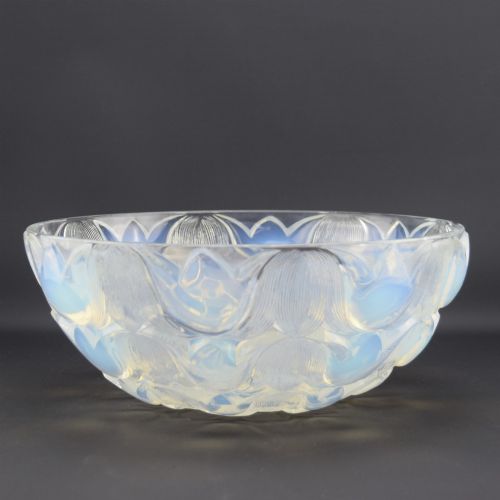
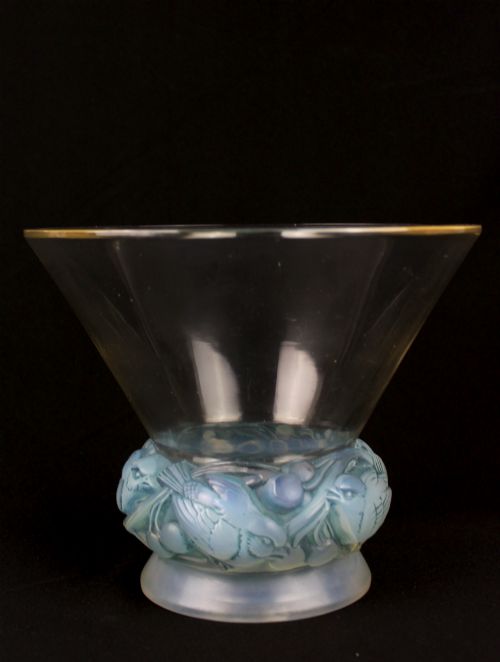
Buyers will encounter gilt bronze, ormolu, marble and cut crystal most often on this page, alongside opalescent glass vessels from later decades. These pieces originated in French workshops and studios, utilising diverse materials to serve both decorative and functional purposes in period interiors.
Materials and Technique
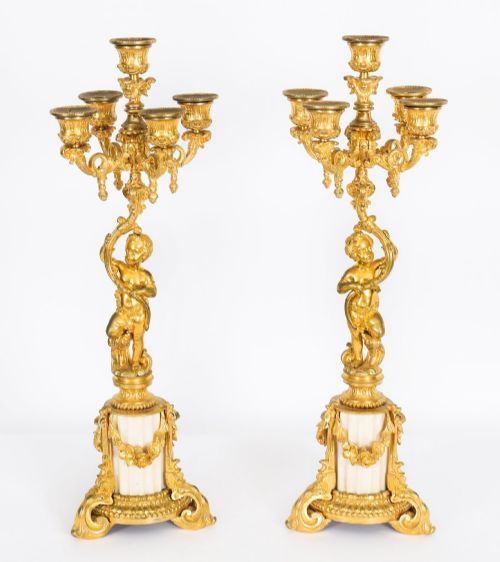
Foundries cast bronze and gilt ormolu into intricate mounts, cherubs and classical figures, often combining them with hand-cut crystal inserts, mirrored glass or polished Siena and white marble bases. Artisans chased and gilded the metalwork by hand to achieve varied surface textures and contrasting patinas.
Potteries and glasshouses produced porcelain bowls, biscuit figures and blown or opalescent glass inserts, integrating them with metal frames through precise mounting techniques. Enamelling styles such as champlevé added colour and pattern to the bronze frameworks of later nineteenth-century pieces.
Antique French Centerpiece Retail Price Guide 2026
Typical asking prices for french centerpiece among the pieces listed under this phrase on Sellingantiques today, from the lower quarter to the upper quarter. They describe what is for sale here now, not the wider market.
Several nineteenth-century bronze centerpieces feature storks and water carriers, bringing wetland wildlife directly to the dining room table.
Judging Quality
The distinction between ordinary and exceptional examples rests in the crispness of the bronze casting and the depth of the hand-chasing on the metal mounts. Superior pieces display finely detailed relief work where facial expressions, foliate scrolls and drapery remain sharp and distinct.
The weight and clarity of the materials also separate grades of work, as seen in heavy, thick-walled cut crystal inserts and dense marbles paired with substantial ormolu rather than lighter plated metals. Harmony between the glass, porcelain or stone and its metal housing indicates deliberate design and careful assembly.
Jules Moigniez·Rene Lalique·Pierre Philippe Thomire·Lerolle Fres·Samson Paris
The Antique French Centerpiece Glossary
- Ormolu
- Gilded bronze produced by applying a mercury-gilding technique to cast bronze objects, yielding a warm, durable golden surface.
- Tazza
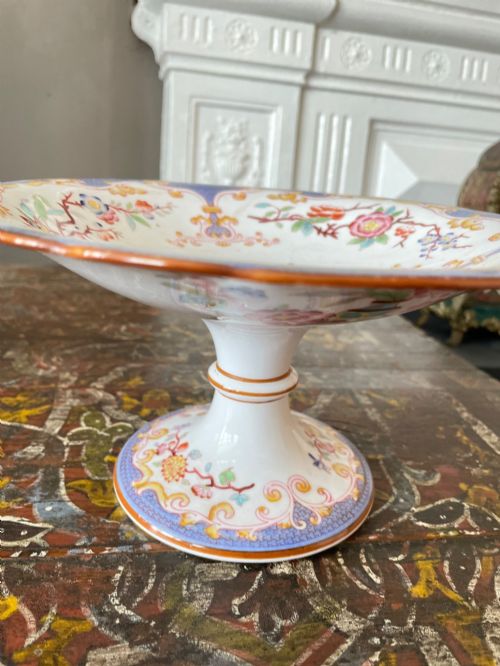
- A shallow bowl or dish raised on a stem and foot, used historically for serving fruit or displaying small items.
- Champlevé
- An enamelling technique where troughs are dug into a metal surface and filled with vitreous enamel before firing.
- Surtout de table
- A large mirrored plateau or tray placed at the centre of a dining table to hold candelabra and decorative vessels.
- Epergne
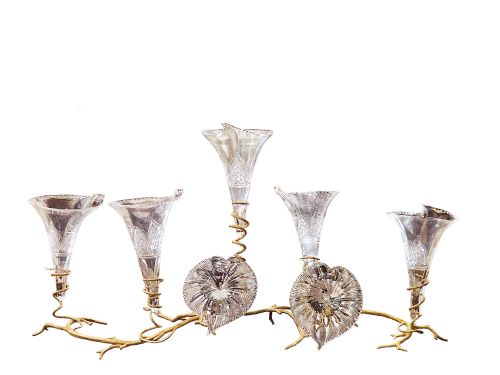
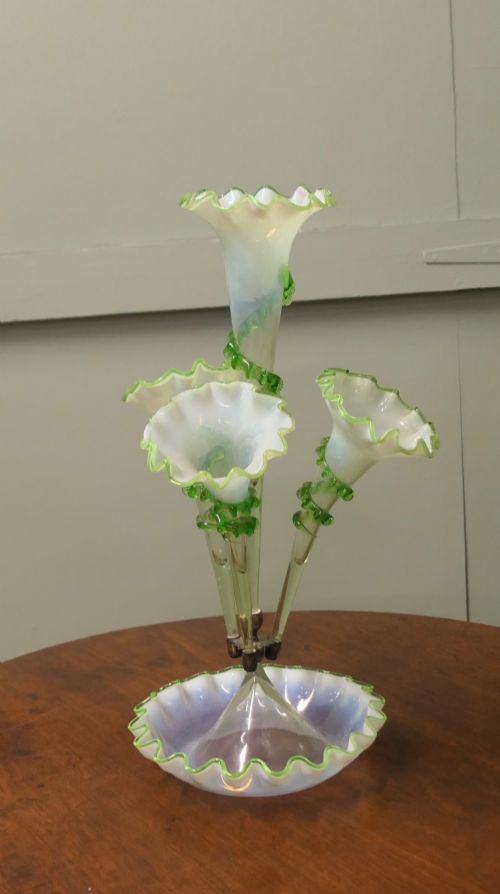
- A tiered centrepiece with multiple arms or trumpets branching out from a central base to hold flowers or sweetmeats.
Antique French Centerpiece: Frequently Asked Questions
How were antique french centerpieces used?
These pieces served as ornamental focal points on dining tables and sideboards during formal meals and receptions. They held fruit, flowers or sweetmeats, or supported branching candelabra to illuminate the room.
In grand interiors, mirrored plateaus were placed underneath them to reflect candlelight and amplify the decorative effect across the table setting.
How do I style one in a modern home?
An antique french centerpiece works well placed in the middle of a large dining table or atop a heavy wooden sideboard. You can leave the bowl empty to showcase the chasing and glasswork, or fill it with seasonal fruit.
Purchasing a glass or crystal insert version allows you to use fresh water and flowers without risking moisture damage to the antique metal mounts.
How can I tell the period?
Examining the style, materials and manufacturing methods helps determine the age of an antique french centerpiece. Pieces from the early nineteenth century often reflect Neoclassical or Empire tastes with heavy bronze and marble, while later decades introduce champlevé enamel and Art Deco opalescent glass.
Signatures, foundry marks and the crispness of the hand-chasing on the ormolu also provide clues to the exact decade of manufacture.
What is the difference between a tazza and a jardiniere?
A tazza is a shallow dish or bowl raised on a pedestal foot, designed primarily for display or serving dry items. A jardiniere is a decorative planter built to hold potted plants or floral arrangements, often featuring a more robust waterproof insert.
While both function as table centerpieces, tazzas emphasise sculptural metalwork and glass bowls, whereas jardinieres prioritize floral display.