

Antique French Ceiling Fixture
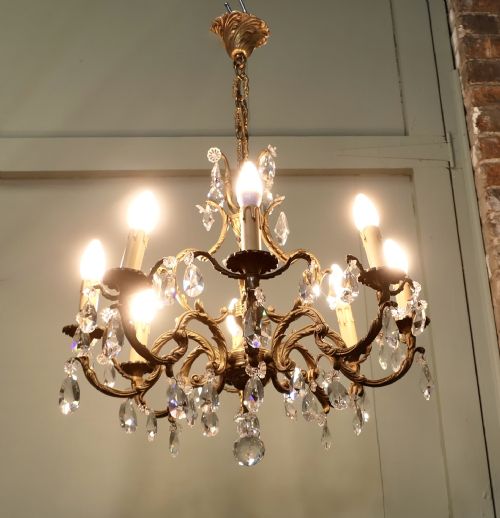
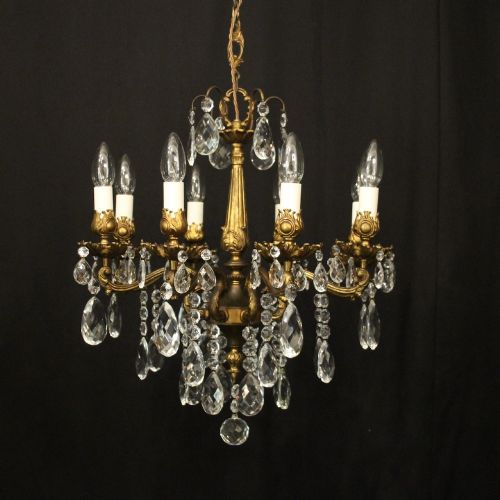
An antique french ceiling fixture brings remarkable illumination and period character to a room, ranging from grand crystal chandeliers to modest hall lanterns.
Antique French Ceiling Fixture
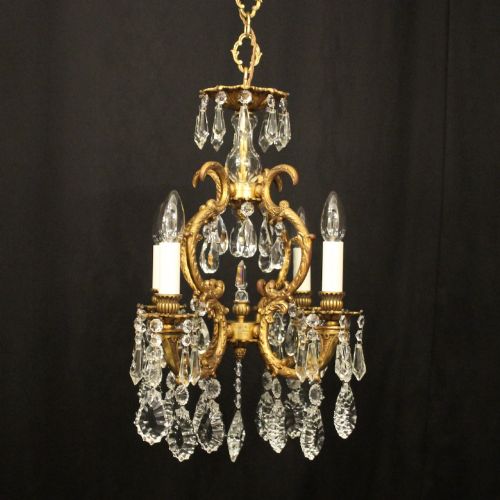
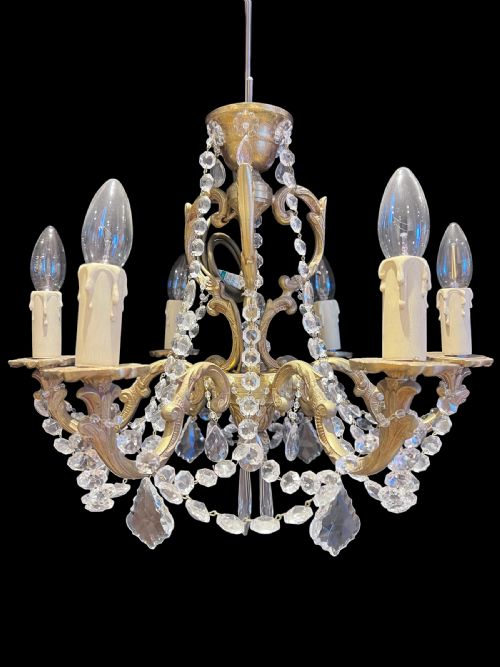
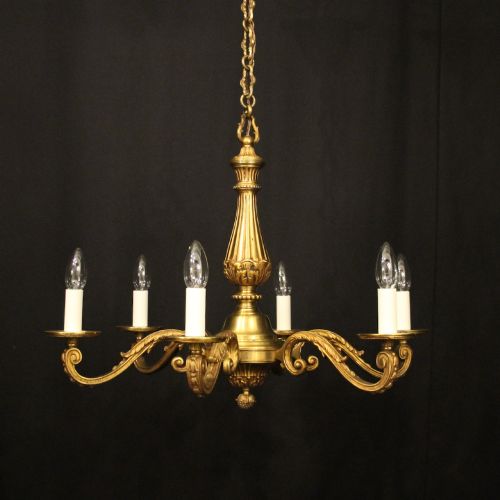
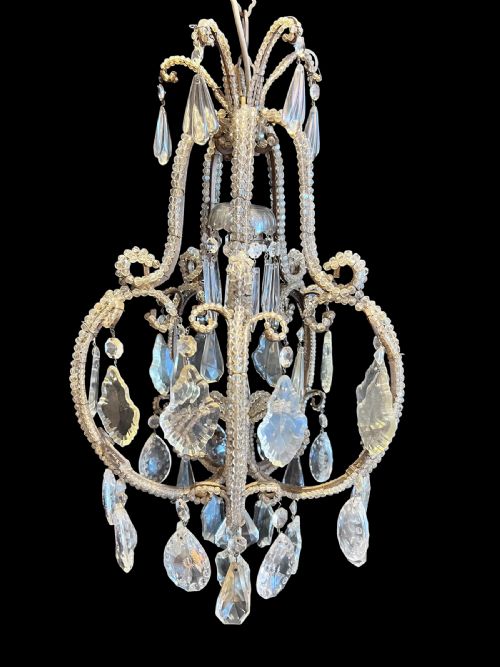
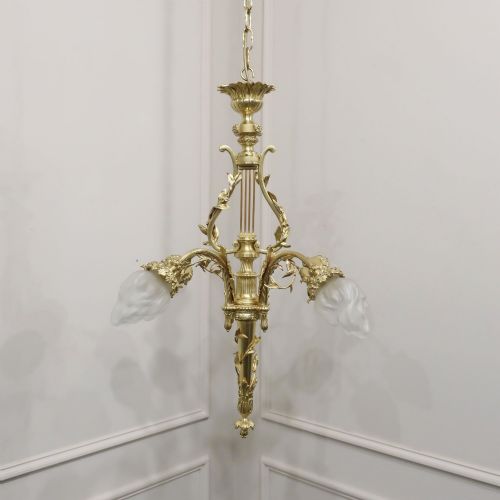
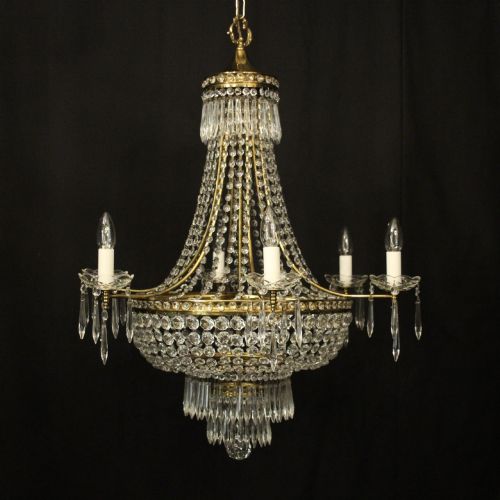
An antique french ceiling fixture encompasses a diverse range of lighting forms designed to hang from above, including multi-armed chandeliers, pendant lights, flush plafonieres and glass hall lanterns. You will frequently encounter nineteenth-century gilt bronze examples alongside lighter brass and crystal pieces dated towards nineteen twenty.
The assortment spans formal styles such as French Empire, Neoclassical and Rococo Revival, through to streamlined Art Deco pendants and intimate hall lanterns. These fixtures were originally cast, forged and assembled to illuminate high-ceilinged drawing rooms, grand stairwells and intimate vestibules alike.
Makers and designers focused heavily on decorative overhead presence, utilising cascading crystal drops, gilded metal frames and intricate cast brass mounts. The pieces present today reflect both opulent chateau aesthetics and restrained early twentieth-century domestic design.
Materials and construction
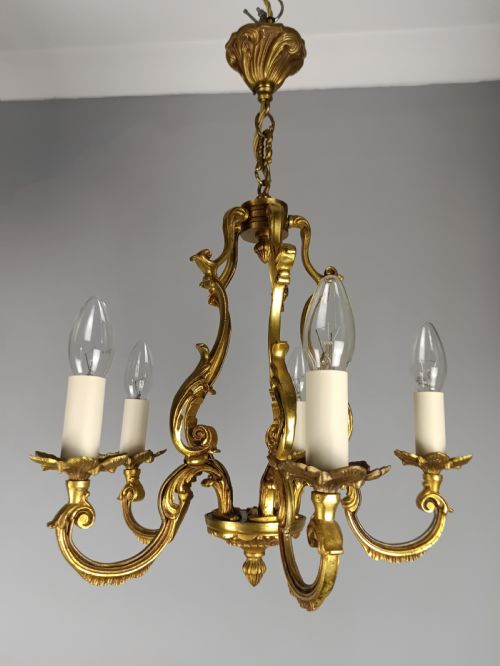
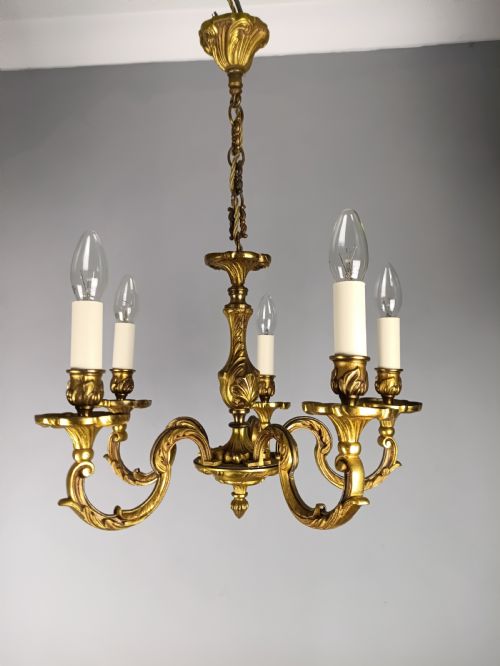
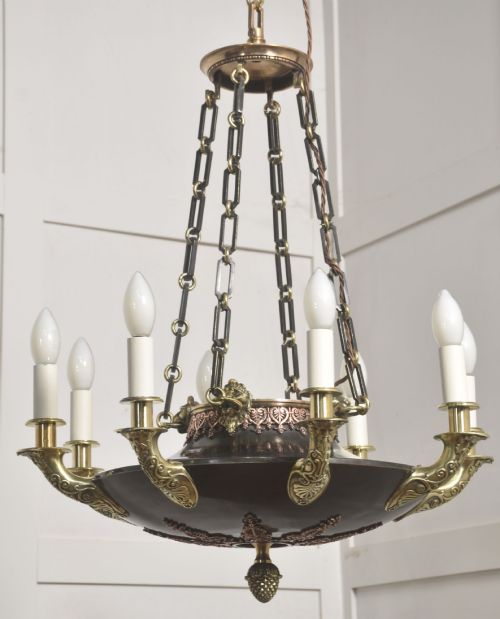
Makers constructed these fixtures using durable base metals including brass, bronze, copper and spelter, often applying a gilt surface to enhance reflection. Cast bronze and brass provided the sturdy structural arms required to support multiple candle branches or electrified bulb holders.
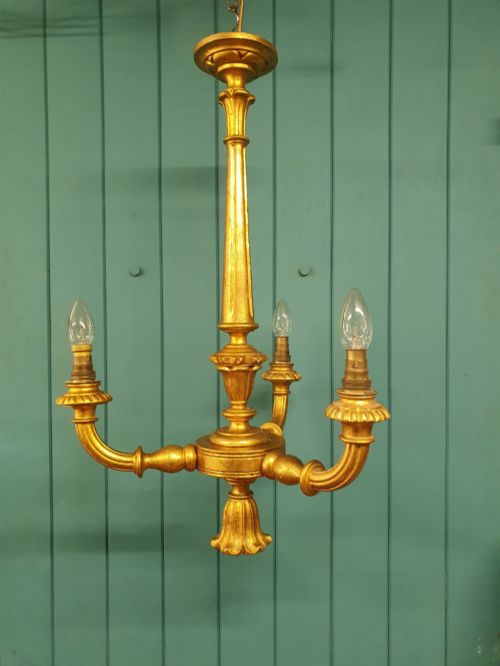
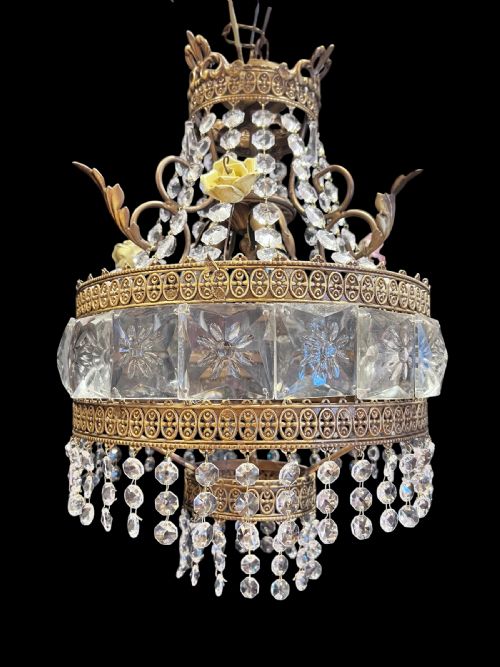
Cut glass and crystal components feature prominently, utilised as cascading waterfalls, hanging lustres, spikes and beads to refract light throughout the space. Additional decorative elements include carved giltwood, tolewear ceramic flowers and porcelain details integrated into the metal frames.
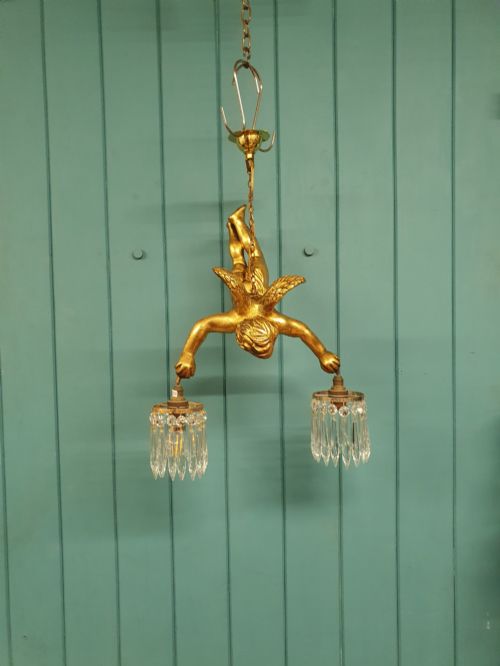
An eclectic flying cherub manages to hold two crystal spike chandeliers aloft in a particularly exuberant nineteen thirty design.
Assessing craftsmanship
Quality reveals itself in the crispness of the metal casting and the depth of the gilding applied to the bronze or brass framework. Superior pieces display intricate hand-chasing on metal surfaces and utilise heavy cut crystal that maintains sharp facets and clear refraction.
The structural integrity of the frame and the harmonious proportion of arms to central bowls or coronas distinguish finer examples from standard production. Attention to detail in secondary elements, such as leaf decorations on tent frames and securely wired crystal drops, marks the higher tier of production.
The Antique French Ceiling Fixture Glossary
- Plafoniere
- A ceiling-mounted light fixture that sits close to the plaster rather than hanging on a suspension chain or rod.
- Tent and waterfall chandelier
- A fixture featuring a conical upper section of strung crystal beads above a cascading arrangement of further drops.
- Hall lantern
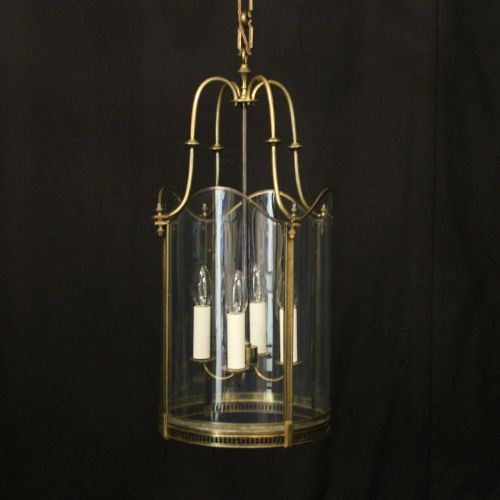
- An enclosed hanging light, frequently convex or glazed, designed specifically for narrow entranceways and corridors.
- Gilt bronze
- Metal cast in bronze and treated with a gold leaf or mercury gilt finish to produce a lustrous surface.
- Lustre
- A cut crystal pendant or drop hung from the arms of a chandelier to scatter and multiply the emitted light.
Antique French Ceiling Fixture: Frequently Asked Questions
How do I hang a heavy antique fixture?
These fixtures require secure anchoring directly into ceiling joists using a steel support hook or ceiling strap matched to the weight of the metal and crystal.
Professional electrical installation is essential to ensure the internal wiring safely handles modern currents while preserving original sockets where possible.
What rooms suit a hall lantern?
Hall lanterns provide focused vertical illumination suited to narrow entrance hallways, landings and compact vestibules with high ceilings.
Their enclosed glass panels protect the interior components from drafts while casting decorative patterns across surrounding walls.
How do I identify a French Empire style fixture?
French Empire style lighting draws on classical antiquity, displaying formal symmetry, laurel wreaths, martial motifs and crisp cast bronze mounts.
These pieces typically date from the nineteenth century or later revival periods and project a monumental presence in a room.
Are crystal drops original to the piece?
Many fixtures retain their period cut glass and crystal lustres, which are wired onto the brass arms by hand.
Examining the uniformity of the glass tint and the attachment loops helps confirm whether the drops belong to the original construction.