

Antique French Bottle
An antique french bottle brings domestic history to hand, spanning utilitarian apothecary vessels and exquisite table service pieces.
Antique French Bottle
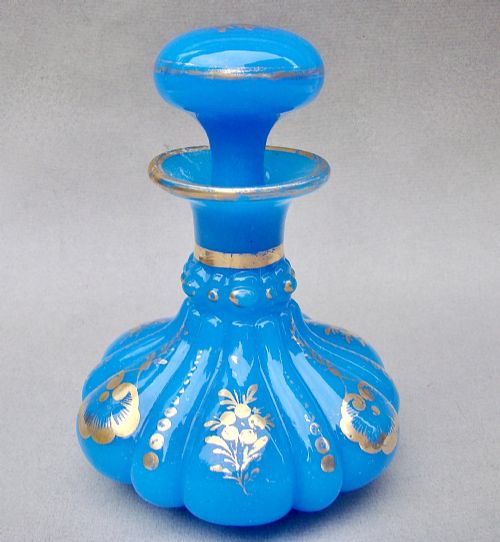
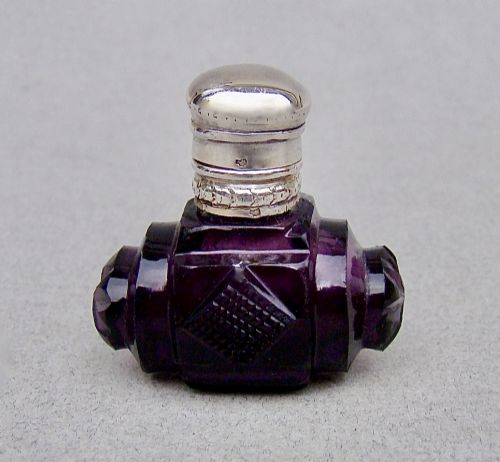
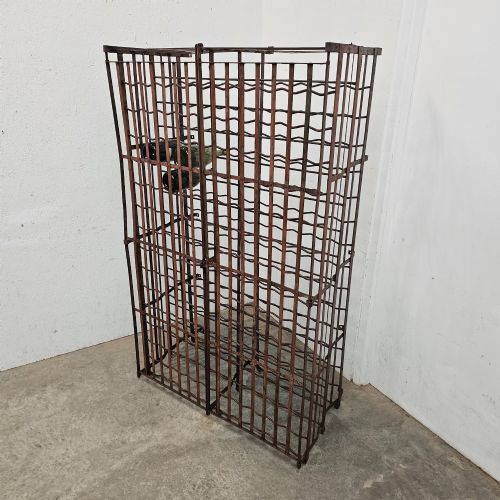
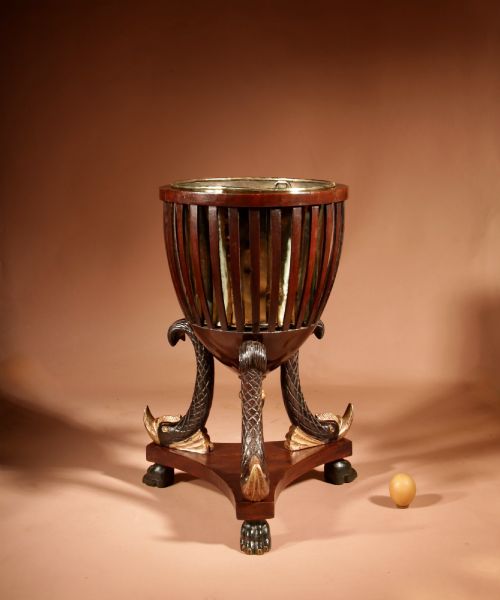
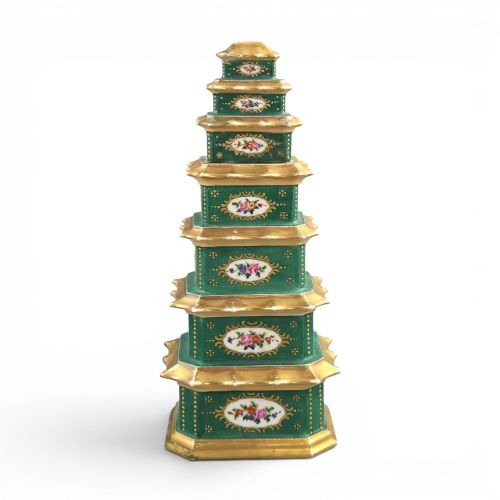
The term antique french bottle encompasses a varied group of domestic and personal containers, including nineteenth-century scent flasks, apothecary jars, decanters, and wine coolers.
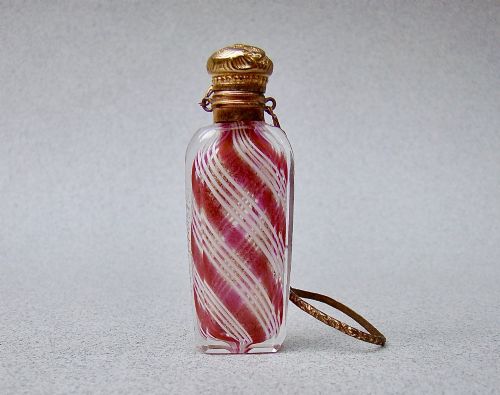
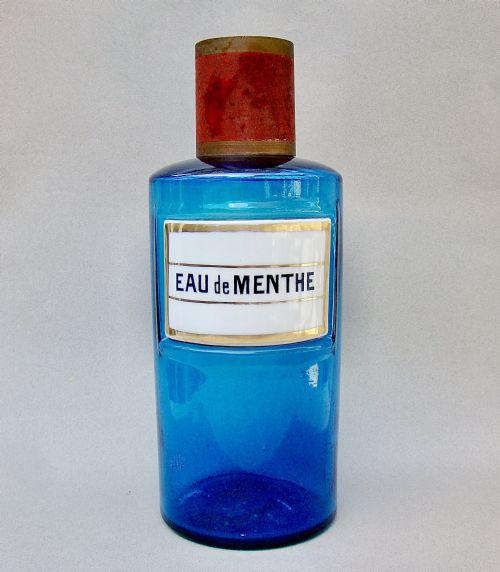
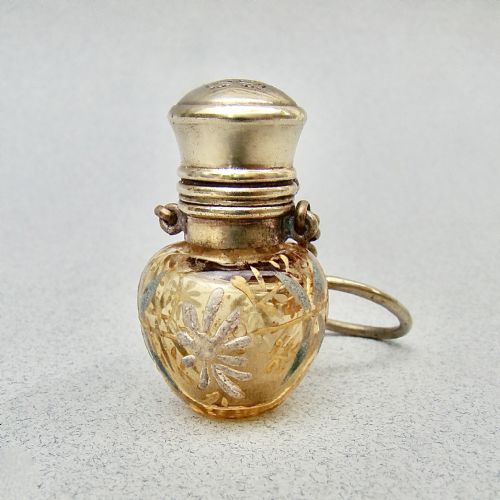
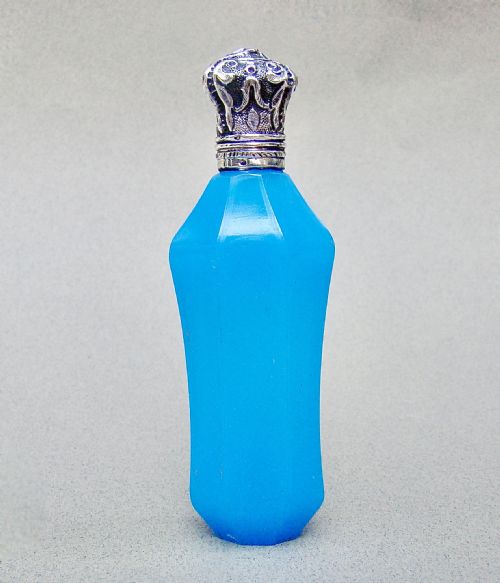
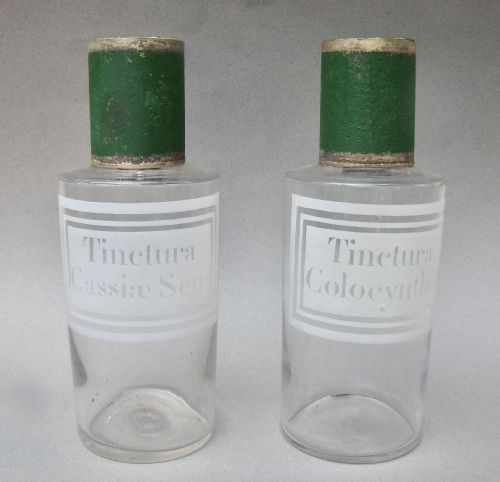
Buyers frequently encounter glass vessels from the nineteenth century, ranging from turquoise and ruby glass apothecary jars to chatelaine scent bottles mounted in silver and ormolu.
The selection also extends to twentieth-century production, featuring moulded perfume bottles by makers such as René Lalique alongside silver-plated champagne holders.
Materials and Technique
Makers utilised glass as the primary medium, working with opaline, frosted glass, and layered overlay glass, frequently combined with silver, silver gilt, and ormolu mounts.
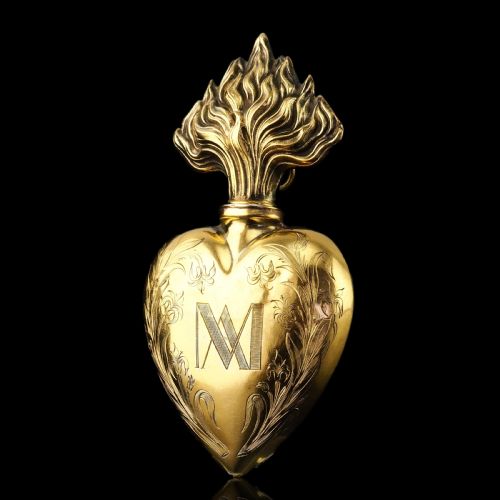
Decorative techniques recorded on these pieces include hand-etching, enamel work, guilloche designs, and the application of gold leaf to shape the metalwork and stoppers.
Antique French Bottle Retail Price Guide 2026
Typical asking prices for french bottle among the pieces listed under this phrase on Sellingantiques today, from the lower quarter to the upper quarter. They describe what is for sale here now, not the wider market.
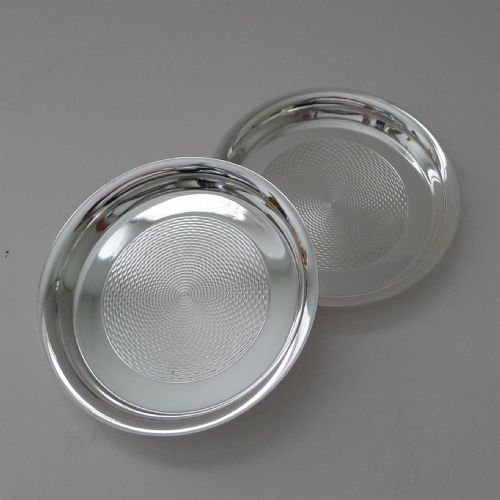
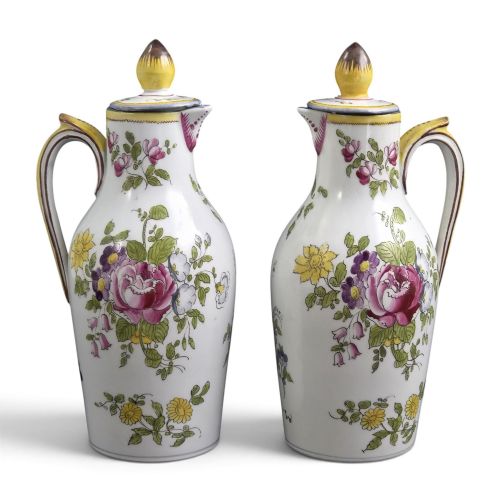
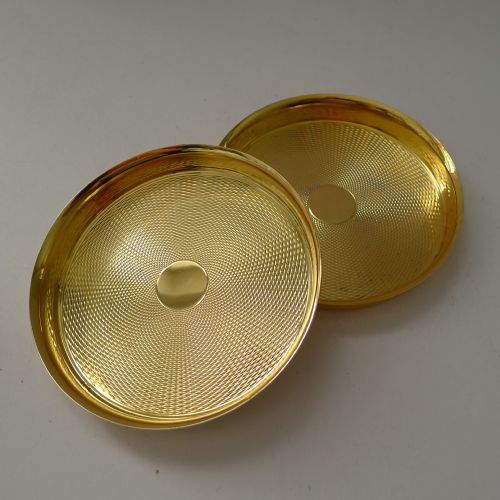
The selection covers table wares such as oil and vinegar jugs, coasters, and champagne coolers.
Craftsmanship and Execution
Quality rests in the precision of the glass cutting and the clarity of coloured glass layers, alongside the weight and detail of metal mounts in silver or ormolu.
The presence of original stoppers, matching lids, and signed maker marks or metal hallmarks separates standard domestic production from finer studio and factory pieces.
Hermes, Paris·Veuve Perrin Marseille·Moser Glass·Jacob Petit·Christofle·Rene Lalique
The Antique French Bottle Glossary
- Chatelaine scent bottle
- A small perfume flask designed to hang from a decorative belt hook, popular in the nineteenth century.
- Opaline glass
- An opaque or translucent glass developed in France, frequently tinted in pastel or bold shades.
- Ormulu
- Gilded bronze used for mounts and decorative fittings on nineteenth-century glassware and furnishings.
- Guilloche
- A mechanical engraving technique producing intricate geometric patterns beneath translucent enamel.
Antique French Bottle: Frequently Asked Questions
What periods do these bottles cover?
The listings span from the eighteenth century through the nineteenth century and into the mid-twentieth century. Most examples date from the nineteenth and early twentieth centuries.
Production methods shifted during this timeframe, moving from hand-blown apothecary jars and mounted scent flasks to pressed and moulded art glass bottles.
How were perfume bottles used?
Scent bottles held liquid perfumes for personal grooming, often carried on chatelaines or kept on dressing tables. Many feature stoppers to prevent evaporation.
Smaller flasks were designed for portability, while larger apothecary jars served practical storage roles in dispensaries and homes.
Are original stoppers common?
Original stoppers appear on select perfume bottles and decanters, contributing to the completeness of the piece. Replacements are sometimes found on older glassware.
Listings specify when a stopper or lid is original to the vessel.
What metals accent the glass?
Mounts utilise silver, sterling silver, silver gilt, and ormolu. These metals provide structural collars, hinged lids, and decorative bases.
Enamel and gold leaf frequently embellish the metal components on nineteenth-century pieces.